

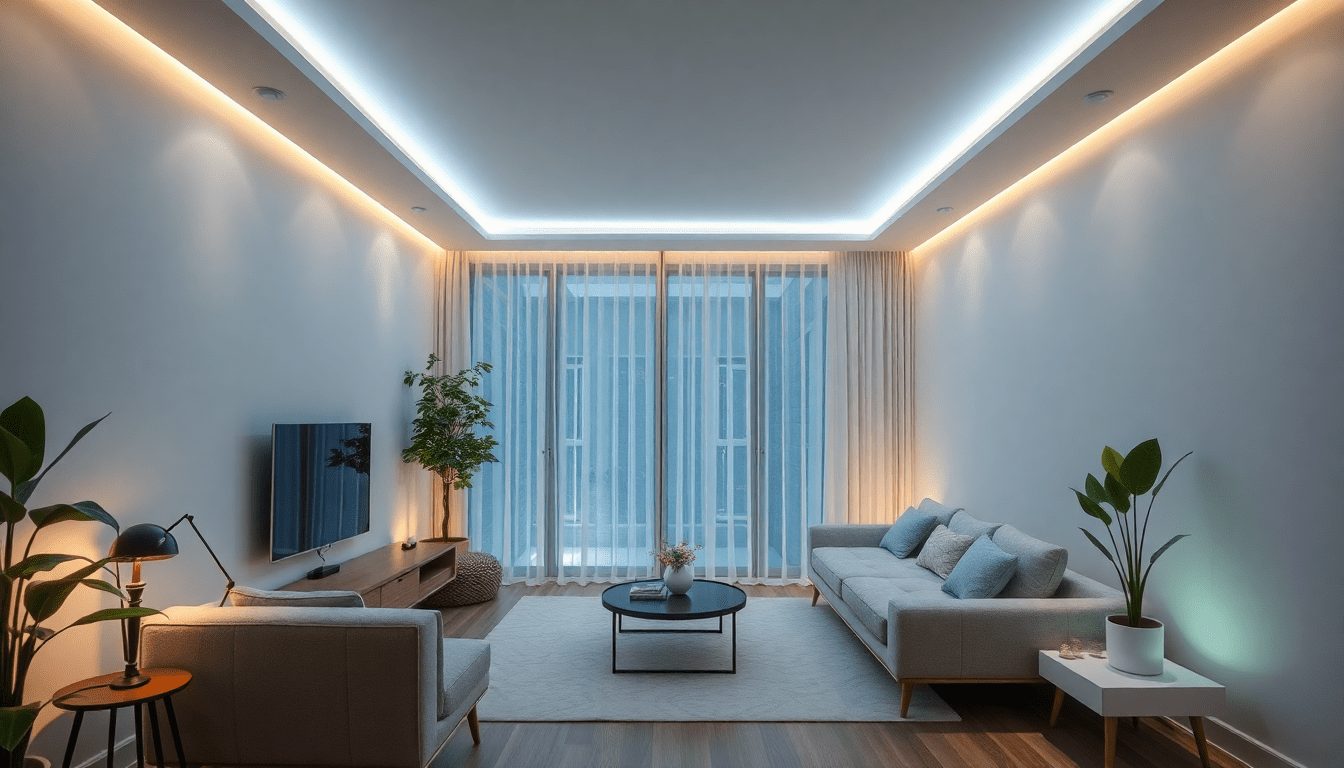
A concise meta description: circadian lighting for compact homes using AI, modular LEDs, and biophilic design to boost sleep, mood, and energy.
Introduction: Wellness-First Lighting in Small Living Spaces
In compact layouts, lighting shapes how you experience space. A wellness-first approach combines layered, zoned lighting, circadian timing, and nature-inspired spectra to support sleep, productivity, and mood without clutter or excessive energy use.
Understanding Circadian Lighting and Its Benefits in Small Homes
- Definition: Lighting design that aligns spectrum, intensity, and timing with human circadian biology to promote alertness by day and restful cues at night.
- Key benefits: Improved sleep quality, sharper daytime focus, reduced fatigue, and steadier mood in tight floor plans.
- Small-space considerations: Managing glare, preserving color fidelity for furnishings, and leveraging daylight-like spectra even when windows are limited.
AI-Optimized Modular Biophilic LEDs: The Core Tech
- AI-driven spectral tuning: Gradual progression from cool, blue-rich morning light to warmer tones by evening to support natural rhythms.
- Biophilic cues: Spectral profiles and indirect lighting that favor plant health and the perception of outdoor vitality indoors.
- Modular architecture: Reconfigurable LED modules that fit small footprints, enabling uniform color and simple upgrades.
- Smart energy management: Adaptive dimming, occupancy sensing, and daylight harvesting to minimize waste.
Zonal Architecture: Light by Function in Small Spaces
Divide rooms into purpose-driven zones—work, relax, dining, and circulation—and tailor light output, color temperature, and timing for each. Zonal design reduces glare, enhances task performance, and creates a sense of spaciousness beyond the physical footprint.
- Work zones: Higher CRI, cooler light, and brighter intensity for accuracy and focus.
- Relax zones: Warmer hues, lower luminance, and dusk-like sequences to ease transition to rest.
- Social zones: Layered ambient, task, and accent lighting to support conversations and ambiance.
- Transition zones: Subtle lighting cues guiding movement while minimizing abrupt contrasts.
Biophilic Design Principles in Lighting
- Natural textures and spectra: Simulated daylight dapples and plant-forward spectra to evoke outdoor vitality indoors.
- Indirect lighting strategies: Wall grazing, coves, and reflections to reduce harsh shadows and add depth.
- Color rendering and materials: Strive for CRI > 90 where possible to faithfully render paints, woods, and fabrics.
- Seasonal cues: Subtle shifts in warmth and intensity to reflect seasonal changes and regional daylight patterns.
Smart Controls and Home Automation
- Automated circadian presets: Sunrise-to-sunset morphing with simple overrides for travel or weekends.
- Interface options: Voice control, mobile apps, and wall panels for quick scene changes and energy monitoring.
- Ecosystem integration: Compatibility with major smart-home ecosystems for centralized control and data insights.
Implementation Roadmap: From Concept to Installation
- Space assessment: Chart window orientation, reflective surfaces, and existing textures to inform zone planning.
- Circadian targets: Define ideal color temperatures and lux ranges for each zone across the day.
- Product selection: Choose AI-enabled, modular LEDs with scalable configurations for evolving spaces.
- Zonal layout design: Map primary work, living, dining, and rest zones; size outputs to each role.
- Controls and sensors: Install occupancy, daylight, and ambient sensors; set health-centered presets.
- Calibration: Run circadian programming tests, tune color temperatures, and adjust glare control.
- Maintenance plan: Schedule firmware updates, periodic recalibration, and seasonal re-tuning.
Design Scenarios: Real-World Applications
- Studio apartment: A modular lighting system partitions zones without walls, enabling day-to-night transitions with minimal footprint.
- Micro-row townhome: Layered lighting combines task lights under cabinets, ambient ceiling modules, and warm-dim living scenes for evenings.
- Loft with greenery: Biophilic spectra complement plant life, with circadian presets reducing glare on glossy surfaces.
Health, Productivity, and Energy Savings
- Sleep health: Consistent dusk-to-dawn cues support melatonin production and sleep onset.
- Productivity: Cooler, brighter morning light enhances alertness and cognitive performance.
- Energy efficiency: Smart dimming and occupancy sensing cut waste in small homes.
- Mood and comfort: Gentle transitions and naturalistic spectra reduce stress and improve perceived well-being.
Vendor Selection: What to Look For
- AI-enabled control platforms with transparent privacy and data handling.
- Modular LED products designed for small-space installations and easy upgrades.
- High color fidelity (CRI) and tunable spectra that support natural materials and plants.
- Clear warrantees, service networks, and accessible installation documentation.
Future-Proofing Your Small-Home Lighting
Choose a system with software-upgradeable drivers, open protocols, and modular fixtures that can be re-purposed as needs evolve—without a complete redesign.
Maintenance, Calibration, and Updates
- Routine cleaning and inspection of optics to prevent lumen depreciation from dust and condensation.
- Firmware and software updates to maintain security, performance, and new presets.
- Periodic recalibration of spectral outputs and spatial distribution as furniture layouts change.
Budgeting and ROI for Small Spaces
- Initial investment vs. long-term energy savings and health benefits.
- Scalability: Start with a core circadian system and expand as the budget allows.
- Maintenance costs and warranty considerations to factor into total cost of ownership.
FAQs: Common Questions About Circadian and Biophilic Lighting
- What is circadian lighting and why does it matter in small homes?
- Can AI-driven LEDs really adapt to my daily routine?
- What should I look for in color temperature and CRI?
- How do I plan zones without creating clutter?
- What maintenance is required for a modular LED system?
Conclusion: Elevating Small Homes Through Wellness-First Lighting
Wellness-first circadian lighting for small spaces integrates AI-optimized modular LEDs, biophilic spectra, and zonal architecture to support healthier sleep, sharper focus, and energy efficiency without sacrificing aesthetics. By planning zones, selecting adaptable hardware, and coupling it with smart controls, you can create interiors that feel larger, more comfortable, and aligned with natural rhythms.
Visit XENTAR for more lighting, decor & furniture curated for modern homes and creative spaces.
Share:
Circadian-Centric Tiny Home Lighting: Biophilic Modular LEDs with AI-Driven Zonal Control
Smart Layered Lighting for Compact Homes: AI-Powered Daylight-Reproducing LEDs with Personalizable Zonal Control