

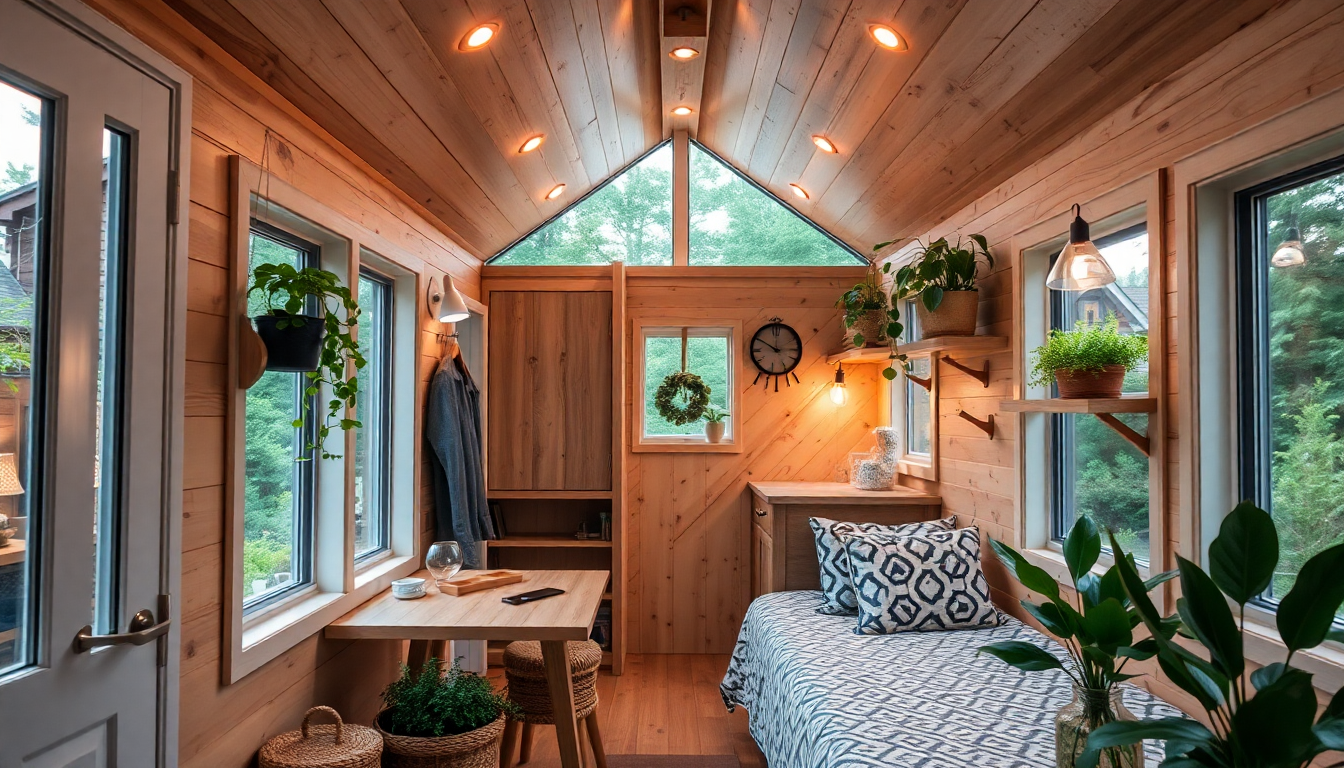
Circadian-centric lighting for tiny homes blends biophilic LEDs with AI-driven zonal control to boost mood, health, and energy efficiency in compact living.
What Is Circadian-Centric Lighting for Tiny Homes?
Circadian-centric lighting aligns artificial light with natural body rhythms. In compact spaces, it schedules light intensity and color temperature to mirror day-night cycles, helping you stay alert during the day and wind down at night.
Biophilic Modular LEDs: Designing with Nature
Biophilic design leverages natural cues—color, texture, and daylight patterns—to make interiors feel more alive. Modular LEDs offer flexible layouts, easy reconfiguration, and the ability to replicate daylight in small footprints without sacrificing precision or control.
- Modular LED modules and adaptable strips for tight ceilings and compact walls
- Color temperature range from warm to cool (roughly 2700K–6500K)
- High CRI for true color rendering, aiding in mood and productivity
- Tunable spectral output that follows circadian daylight curves
- Low glare diffusion and smooth dimming transitions
- Seamless integration with plants, textures, and natural materials
AI-Driven Zonal Control: Personalization at Scale
AI analyzes occupancy, activity, and daylight availability to tailor lighting by zone. In tiny homes, you can configure several zones (kitchen/work nooks, living/relaxation, asleep loft) that adapt in real time to routines and preferences.
- Real-time occupancy sensing to prioritize active tasks
- Daylight-aware adjustments to prevent over-illumination
- Adaptive schedules that learn your routines over time
- Geofencing and calendar integrations for proactive lighting changes
Why Tiny Homes Benefit from Circadian-Centric Lighting
- Maximized space efficiency: fewer fixtures with smarter placement
- Improved sleep and mood through rhythm-aligned lighting
- Energy savings via adaptive dimming and occupancy sensing
- Enhanced sense of openness with daylight-mimicking spectra
Practical Implementation Guide
- Survey your square footage and outline lighting zones by function (work, relaxation, sleep).
- Choose biophilic modular LEDs with tunable white and spectral adjustment capabilities.
- Install occupancy and daylight sensors to provide feed data to the AI system.
- Configure circadian schedules: bright and cooler in the morning; balanced daylight during day; warm and dim as evening approaches.
- Integrate with your preferred smart home platform for voice control and automation routines.
- Plan wiring paths that minimize energy loss and maximize future-proofing for more zones.
- Test and calibrate light levels and color spectra to ensure comfort across rooms.
- Document settings and routines for quick adjustments after layout changes.
Design Principles: Color, Spectrum, and Texture
Successful circadian lighting in tiny homes blends spectrum management with tactile design. Use warm whites for cozy evenings and cooler whites or soft daylight for productive daytime tasks. Biophilic cues—greens, natural wood grains, and living walls—accentuate the effect when paired with precise LED spectra.
- Target circadian-friendly spectral power distribution (SPD) curves that peak in blue for daytime and shift toward red in the evening
- Maintain high CRI (90+) for accurate color perception in tasks like cooking and decorating
- Use diffusion and lenses to minimize glare while preserving brightness
- Coordinate lighting with natural daylight patterns through skylights or windows
Integrations and Future-Proofing
Modern circadian systems play well with Matter, Apple HomeKit, Google Home, and Amazon Alexa. Look for OTA updates, sensor-driven optimizations, and compatibility with solar or battery storage for off-grid living.
- Interoperability with Matter for cross-brand devices
- Voice and routine automation through familiar ecosystems
- OTA firmware updates and remote diagnostics
- Solar-ready power strategies and low-inrush startup behavior
Seasonal and Aesthetic Design Trends
Seasonal daylight shifts influence circadian lighting choices. In colder months, warmer tones create coziness; in brighter seasons, daylight-rich spectra support focus and vitality. Modular LEDs enable quick reconfigurations to reflect changing aesthetics and daylight availability.
- Seasonally adaptive schedules that mirror outdoor light changes
- Warm palettes for winter comfort and cooler, daylight-forward scenes for summer
- Minimalist connectors and modular fixtures that stay visually lightweight
Maintenance, Troubleshooting, and Accessibility
- Regular cleaning of diffusers and panels to preserve light quality
- Recalibration after moving furniture or changing room layouts
- Accessible controls, tactile dimmers, and voice commands for inclusivity
- Check battery backups and sensor calibration for uninterrupted operation
Case Studies and Real-World Scenarios
- Single occupant in a 250 sq ft tiny home: AI-driven zones prioritize task lighting in the workstation during the day, then shift to warm, relaxing tones in the evenings to cue wind-down.
- Couple in a 320 sq ft loft: Shared living zones use dynamic daylight replication; private lofts emit low, warm light at night for restful sleep.
Energy Efficiency and Health Benefits
- Reduced energy use through dynamic dimming and occupancy sensing
- Improved sleep quality and daytime alertness due to circadian alignment
- Better mood and productivity from high-quality color rendering and spectral tuning
Getting Started: A Practical Checklist
- Map your floor plan and identify primary lighting zones by function
- Choose modular LED fixtures with tunable white and spectral control
- Install occupancy and daylight sensors; ensure power wiring supports future add-ons
- Set initial circadian schedules and gradually refine them over two weeks
- Integrate with a smart home hub and enable voice routines
- Create seasonal profiles to match outdoor daylight shifts
FAQ: Common Questions About Circadian Tiny-Home Lighting
- Do circadian lights require a lot of power? Not with modern LEDs and smart dimming; the gain is primarily in comfort and health, not waste.
- Can I retrofit an existing tiny home with AI-driven zoning? Yes—start with a few zones and sensors, then expand gradually.
- Will these systems work with solar power? Many models are designed for low-wattage operation and can be paired with solar storage.
Visit XENTAR for more lighting, decor & furniture curated for modern homes and creative spaces.
Share:
Tiny-Space Lighting Architecture: Biophilic Modular LEDs with AI-Driven Circadian Zonal Control
Wellness-First Circadian Lighting for Small Homes: AI-Optimized Modular Biophilic LEDs with Zonal Architecture.