

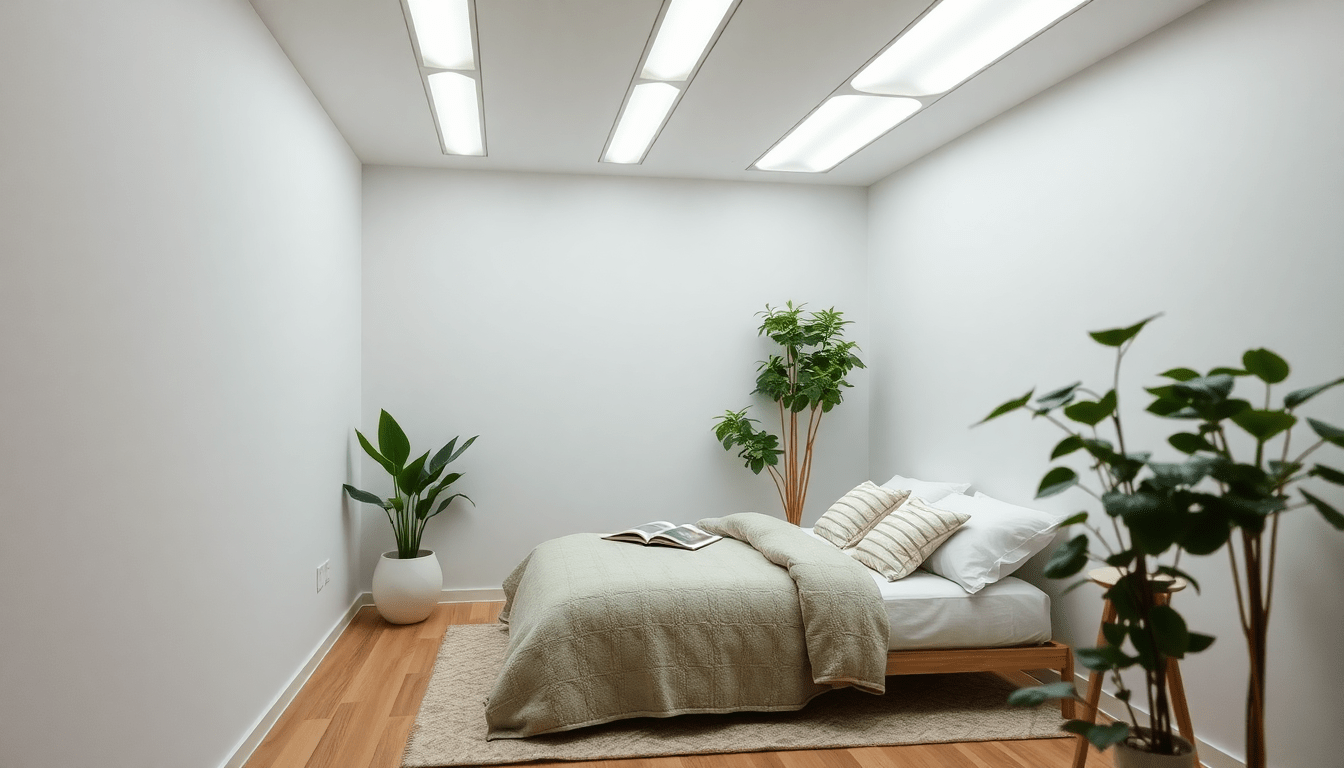
Meta description: Tiny-space lighting architecture with biophilic modular LEDs and AI-driven circadian zoning for healthier, smarter compact interiors.
Overview: Redefining Tiny-Space Lighting Architecture
In compact living environments, light is not a luxury—it's a design instrument. Tiny-space lighting architecture blends biophilic principles, modular LEDs, and intelligent circadian control to transform small rooms into vibrant, healthy, and scalable environments. The goal is to create layered illumination that expands perceived space, supports daily routines, and reduces energy use, all while maintaining a minimal visual footprint.
As urban dwellings shrink and multifunctional rooms multiply, the need for flexible, scalable lighting grows. Biophilic design emphasizes tactile connection to nature, even indoors. When married to modular LEDs and AI-driven zonal control, you gain a lighting system that learns your patterns, anticipates your needs, and adapts to changing space configurations without clutter or waste.
Biophilic Modular LEDs: Building Blocks for Compact Living
Biophilic modular LEDs are not single-purpose fixtures; they are adaptable modules designed to be configured with ease, integrated into ceilings, walls, shelves, or furniture. Their modular nature makes it possible to tailor a lighting scaffold to a space’s exact geometry, rather than forcing space to conform to a fixed fixture line.
- Modular form factors that snap into ceiling tracks, wall rails, or furniture-integrated housings
- Interchangeable optics and diffusers for soft, glare-free ambient light
- Tunable color temperature (2700K–6500K) to mimic sunrise to daylight and seasonal shifts
- Low-profile, recyclable materials with long lifespans and simple upgrades
- Biophilic light patterns: simulated skylight highlights, leaf-like shadows, and gentle gradients that echo natural environments
AI-Driven Circadian Zonal Control: The Brain Behind Comfort
AI-driven circadian zoning orchestrates lighting across zones to align with human biology and daily rhythms. By integrating occupancy data, time-of-day, and historical light exposure, the system adjusts brightness and color temperature per zone—enhancing alertness at work, reducing glare during downtime, and supporting wind-down routines at night.
- Zonal lighting that adapts to work, living, and rest areas—without overpowering the entire space
- Circadian-friendly schedules synchronized with natural cycles and personal routines
- Energy savings through adaptive dimming, occupancy sensing, and weather-dependent daylight matching
- Privacy-respecting data practices: on-device processing and opt-in cloud features with transparent controls
Design Principles for Small Spaces: Creating Perceived Space
- Layer lighting: ambient, task, and accent layers that complement architectural features rather than competing with them
- Strategic zoning: isolate work, relaxation, and transition zones to reduce cognitive clutter
- Color and finish harmony: leverage natural light reflections to expand perceived space
- Furniture integration: embrace multifunctional pieces with built-in luminaires to minimize surface clutter
- Texture and material interplay: matte vs. reflective surfaces to modulate light diffusion
Smart Lighting Technology: Interfaces, Apps, and Voice
Smart control platforms unify lighting across rooms and devices. The best systems in tiny spaces emphasize intuitive control, reliable performance, and privacy-first design. Expect seamless switching between scenes, voice-activated adjustments, and automation that respects both occupancy and energy goals.
- App control and voice assistants for easy scene changes and scheduling
- Scene presets for ambient, focus, and winding-down moments
- Interoperability with major smart-home ecosystems and standard communication protocols
Practical Applications: Ambient Lighting Concepts and Aesthetic Room Makeovers
Practical lighting ideas in tiny homes focus on punching above weight with careful layering, natural cues, and subtle color shifts. Below are core strategies tied to real-world spaces.
- Ambient wash to create the illusion of height in a compact living room
- Under-cabinet, shelf, and display lighting to highlight materials and textures without crowding surfaces
- Biophilic accents: soft, nature-inspired hues and green-factor luminaires that echo living walls
- Seasonal design cues: warmer ambients in winter and cooler, daylight-mimicking tones in summer
Implementation Guide: From Concept to Setup
- Assess space: ceiling height, wall reflectance, furniture footprint, and natural light availability
- Choose modular LED modules and compatible diffusers that suit ceiling, wall, and furniture integration
- Map zones: work area, living/relaxation, bedroom or rest zone, storage/display corners
- Plan wiring and data pathways for scalable expansion and easy maintenance
- Program AI routines: circadian schedules, occupancy patterns, and seasonal adjustments
- Prototype and iterate: adjust color temperatures and diffusion to match interior finishes
Materials, Sustainability, and Longevity
Durability and sustainability are core criteria for tiny-space lighting. Prioritize modular components that can be upgraded rather than replaced, and select LEDs with long lifespans and high recyclability. Informed material choices reduce waste while maintaining performance across seasons.
- Low-energy LEDs with high L70 lifespans
- Recyclable housings and modular connectors for straightforward upgrades
- Low-glare diffusers that preserve color accuracy and space perception
- Sustainable manufacturing practices and supply-chain transparency
Case Studies: Tiny-Space Transformations
Real-world examples demonstrate how biophilic modular LEDs with AI-driven circadian zoning can reshape compact interiors.
Case Study A: Studio Apartment in a Dense Urban Core A 350-square-foot studio uses ceiling-mounted modular modules to establish distinct ambient, task, and accent layers. A biophilic wall luminaire shifts from warm morning hues to cooler daylight tones, supporting morning routines and late-evening wind-down. The circadian system coordinates with a sleeper-friendly schedule and reduces energy draws during the day via occupancy-aware dimming.
Case Study B: Compact Home Office with Health-Centric Lighting A 120-square-foot work nook employs modular desk lighting and shelf-integrated uplights. The AI circadian engine tracks daylight exposure and adjusts color temperature to reduce eye strain, while the modules maintain a minimal ceiling silhouette that preserves perceived headroom.
Case Study C: Micro-Duplex with Flexible Living Zones A small duplex uses a modular ceiling grid to reconfigure zones for hosting guests or private work. The lighting plan provides a warm living ambiance and a crisp, cool-toned task zone when needed, with a seamless transition between scenes controlled by a single app or voice command.
Choosing the Right Partner: Smart, Sustainable, and Stylish
When selecting products and collaborators for tiny-space lighting, prioritize modularity, AI-driven controls, and robust warranties. Look for designers who translate spatial constraints into scalable, future-proof lighting solutions and who provide clear migration paths for upgrades.
- Modularity and interoperability as core design principles
- Transparent data practices and privacy controls
- Clear installation, maintenance, and upgrade pathways
- Evidence-based performance metrics: lumen maintenance, color rendering, and energy efficiency
Seasonal Trends and Future-Proofing Tiny-Space Lighting
Seasonal shifts influence color temperature preferences and lighting intensity. The latest trends favor tunable white spectra, dynamic daylight-matching routines, and adaptive interfaces that learn and adapt to user behavior. Future-proofing means embracing open standards, scalable channel counts, and modular components that can be recalibrated as needs evolve.
- Dynamic daylight tracking that aligns with solar time and occupancy
- Adaptive color science to preserve color accuracy across seasons
- Open control platforms, API access, and upgradeable hardware
Cost Considerations and ROI for Tiny-Space Lighting
Investing in biophilic modular LEDs with AI-driven circadian zoning can yield meaningful long-term savings. Consider total cost of ownership, including maintenance, energy consumption, and the potential for adding value to a compact residence through better wellness outcomes and smarter automation.
- Upfront costs vs. long-term energy and maintenance savings
- Partnership with installers who can deliver precision in small footprints
- Warranty coverage and ease of component replacement
Maintenance, Troubleshooting, and Upgrades
Modular systems simplify maintenance. When issues arise, targeted component swaps minimize downtime. Regular firmware updates (when available) can improve AI behavior and energy efficiency without requiring a full redesign.
- Keep modular connectors clean and accessible for quick swaps
- Schedule firmware updates during off-peak hours
- Document zone configurations to simplify future modifications
Getting Started: Quick Start Checklist
- Assess your space: dimensions, reflectance, and daylight exposure
- Define zones: work, relax, sleep, storage/display
- Select modular LED modules and compatible diffusers
- Plan routing for power and data with future expansion in mind
- Install a base adaptive control system with circadian zoning
- Iterate lighting scenes to match seasons and routines
Conclusion: The Next Frontier of Tiny-Space Lighting
Biophilic, modular LEDs paired with AI-driven circadian zoning represent a mature response to the demands of modern, compact living. This approach lets small rooms feel larger, healthier, and more responsive to daily life. It is a design strategy that respects both the science of light and the art of interior styling, delivering ambient environments that are as functional as they are beautiful.
Visit XENTAR for more lighting, decor & furniture curated for modern homes and creative spaces.
Share:
Adaptive Layered Ambient Lighting for Micro-Apartments: Modular Biophilic LEDs with Circadian Zonal Control
Circadian-Centric Tiny Home Lighting: Biophilic Modular LEDs with AI-Driven Zonal Control