

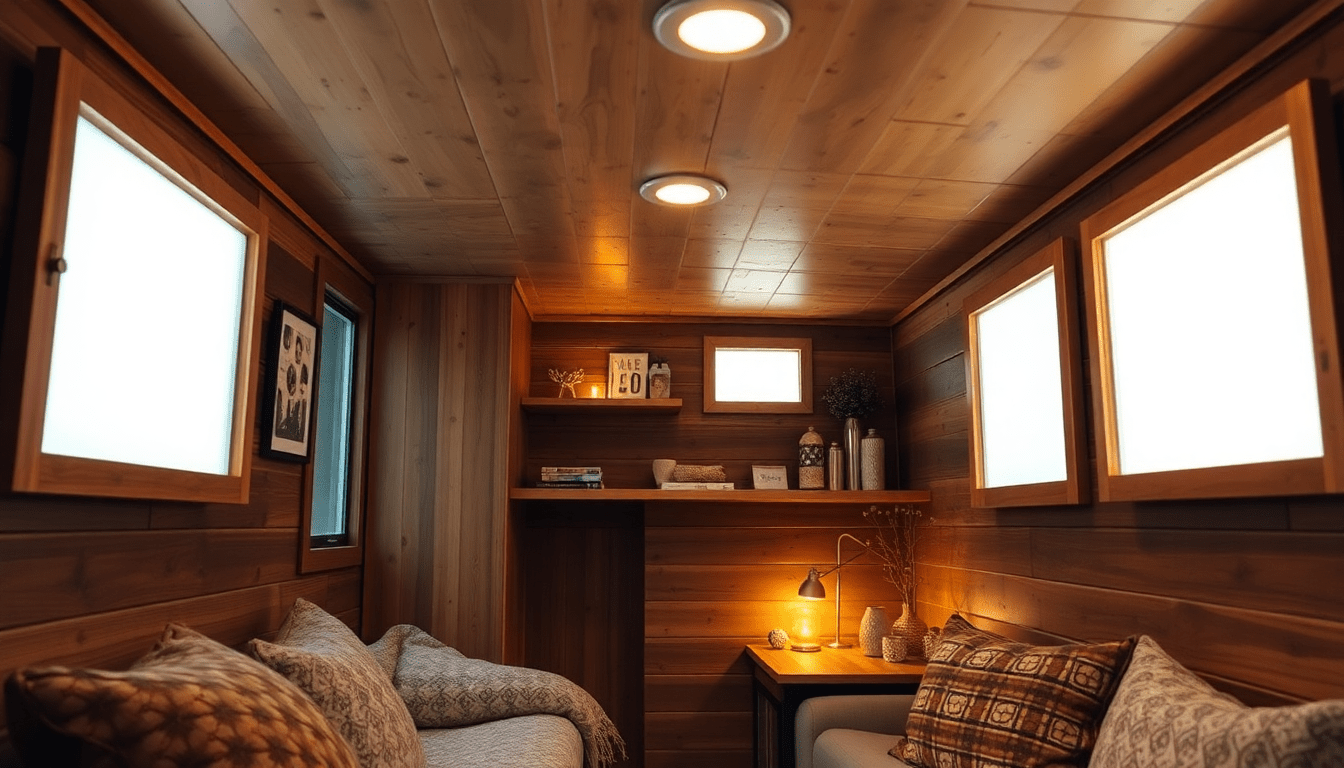
Discover modular zonal ambient lighting designed for tight footprints—efficient, flexible, and smart-controlled for tiny homes.
What Modular Zonal Lighting Is and Why It Works in Tiny Spaces
Modular zonal lighting uses independent lighting modules that can be grouped into specific zones. Each zone has its own controller, allowing you to tailor brightness, color temperature, and schedules for distinct micro-areas without lighting the entire home. This approach delivers precise task lighting where you need it and gentle ambient glow where you want it, all with minimal energy waste.
- Targeted illumination for kitchens, living rooms, and bedrooms
- Layout reconfigurability as needs shift due to furniture changes or occupancy
- Lower energy use by lighting only occupied zones
- Scalable upgrades as technology and tastes evolve
- Simplified maintenance with modular, replaceable components
Energy-Efficient Smart Controls: The Brain Behind a Cozy Glow
Smart controls turn ordinary lighting into an energy-smart system that adapts to daily rhythms. Combine adaptive sensors, tunable white, and programmable scenes to craft the mood you want—whether bright task light or warm evening glow—without manual fiddling.
- Occupancy and vacancy sensors that switch off unused zones
- Daylight harvesting that dims artificial light when natural light is bright
- Tunable white and color temperature adjustment for different times of day
- Voice and app control with customizable scenes
- Platform compatibility with Matter, Zigbee, and Bluetooth ecosystems
Designing Zonal Layouts for Tiny Homes
The way you divide space into lighting zones shapes how a tiny home feels. Start with zones that align with daily routines and natural light patterns, then layer layers of light to create depth and comfort.
- Map zones around kitchen prep, dining, seating, and sleeping areas
- Assign task lighting where precise visibility matters (countertops, work surfaces)
- Use indirect uplights and wall grazing to add perceived space
- Plan for future swaps—e.g., swapping a pendant for a wall sconce as furniture changes
Choosing Modular Components: Panels, Tracks, and Wireless Controllers
Look for modular systems that snap together, are compatible with common smart hubs, and offer plug-and-play power routing. Prioritize diffused optics to minimize glare in compact spaces.
- Linear LED channels and magnetic panels for flexible layouts
- Wireless dimmers and hubs supporting Matter, Zigbee, Bluetooth
- Retrofit-ready options that fit existing fixtures with minimal wiring
- Integrated diffuser materials that soften light without losing brightness
Implementation Checklist: From Plan to Glow
- Map zones based on daily routines and natural light sources
- Choose color temperature: 2700K–3000K for warm, 3500K–4000K for neutral
- Decide on dimming methods and scenes (work, relax, nighttime)
- Plan power routing with future upgrades in mind
- Install damp-rated fixtures in bathrooms and outdoors
- Test sensor placement to prevent false positives
Design Tips: Aesthetics and Function
- Keep fixtures proportional to room size to avoid visual clutter
- Use wall color and reflectivity to amplify light without extra fixtures
- Pair matte finishes with soft glow to achieve a modern, cozy vibe
- Incorporate mirror and glass accents to bounce light deeper into small spaces
Seasonal Design Trends for 2026
Expect warmer palettes, programmable ambiences, and natural materials that complement smart lighting. Biophilic design, modular furniture, and energy dashboards will be common in stylish tiny homes.
- Warm whites with subtle amber accents to create coziness
- Scenes that shift with the seasons to highlight artwork and textures
- Integrated energy dashboards that track usage across zones
Energy Savings, Performance, and Real-World Impact
Small-space lighting with smart controls can significantly reduce energy use compared with traditional setups. While results vary with insulation, window depth, and occupancy, typical tiny homes can see:
- 20–40% energy savings versus standard LED setups when using zonal control
- Up to 60% savings versus incandescent or halogen systems
- Reduced peak loads thanks to daylight harvesting and smart dimming
Beyond numbers, the real value is consistency: predictable light levels that support comfort, productivity, and mood across small spaces.
Case Studies: Real-World Tiny Home Makeovers
Case Study A — The Micro Loft: A 280 sq ft urban studio transformed with a zoning plan that separates kitchen, living, and sleeping zones. The kitchen features under-cabinet strips for task lighting, a dimmable pendant, and wall sconces to create a layered ambiance. The living zone uses indirect uplights and a pair of adjustable spotlights to sculpt depth. The sleeping nook employs warm, dimmable LEDs along shelving for safety and serenity. Daylight harvesting reduces lighting needs during daytime.
Case Study B — The Cabin Nook: A compact off-grid cabin optimized with battery-backed modules and solar-aware sensors. Zones include a damp-rated bath area, a cozy reading corner, and a compact dining nook. The system's tunable white range supports bright mornings and warm evenings, while a single hub coordinates scenes across all zones for effortless daily transitions.
Case Studies: More Insights and Learnings
Additional examples illustrate how modular zoning adapts to different layouts, from mezzanines to L-shaped rooms, showing that lighting can be both functional and expressive in micro-living environments.
Maintenance, Safety, and Accessibility
- Choose modular components with replaceable LEDs and accessible driver units
- Opt for damp-rated fixtures in bathrooms, kitchens, and exterior entries
- Design for easy access to hubs and control panels for future updates
- Ensure clear pathways for cable routing and avoid clutter that can trip or snag
Frequently Asked Questions
- Do zonal lighting systems require professional installation? Answer: Basic installations can often be done by confident DIYers, but complex wiring and dense ceiling work may require a licensed electrician.
- What is the typical payback period for smart, zoned lighting? Answer: Payback depends on energy savings and costs of the system, but many tiny-home projects recoup investment within 2–5 years.
- Can I retrofit my existing fixtures to modular zones? Answer: Yes, many modular systems are retrofit-friendly with adapters and retrofit kits.
- Which platforms should I choose? Answer: Start with Matter-compatible hubs for broad compatibility; Zigbee and Bluetooth options work well with many smart devices.
- How do I ensure the lighting feels natural? Answer: Use a mix of warm ambient layers and cooler task lighting, and leverage daylight harvesting to balance color temperature throughout the day.
The Future of Modular Lighting in Micro-Living
As tiny homes trend toward greater energy autonomy and smarter integration, modular zonal lighting will play a central role in shaping comfortable, adaptable interiors. Expect better battery-backed modules, more efficient optics, and even tighter integration with home energy dashboards that help residents optimize both mood and bill.
Visit XENTAR for more lighting, decor & furniture curated for modern homes and creative spaces.
Share:
Micro-Home Lighting Mastery: Sustainable Smart Layering for Mood-Driven Ambience in Tiny Spaces
Seasonal Ambient Lighting for Compact Interiors: Modular, Biophilic-Inspired Zonal Systems with Smart Controls