

Overview
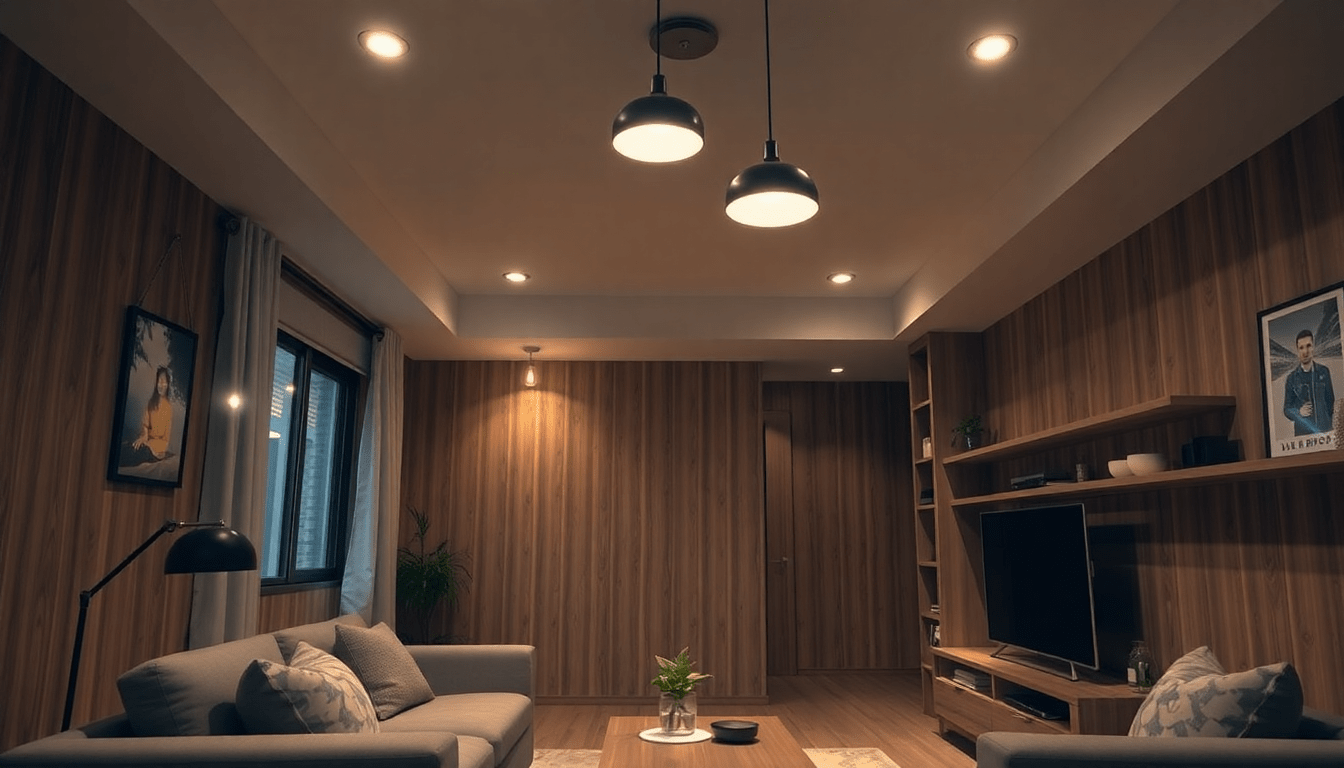
Seasonal ambient lighting represents a design lever for small spaces, enabling mood, function, and energy efficiency as daylight shifts through the year. By combining modular fixtures, biophilic textures, and intelligent controls, you can curate micro-environments that adapt to weather, occupancy, and seasonal activities without sacrificing floor area or visual clarity.
In compact interiors, the goal is to create layered, adjustable light that can be tuned per zone—the living area, the workspace, the kitchen strip, and the sleeping alcove—while keeping the silhouette clean and the walls visually expansive.
Core Concepts: Modular, Biophilic-Inspired Zonal Systems
- Modular architecture: Use scalable light modules and track systems that can be reconfigured as seasons change.
- Biophilic aesthetics: Natural textures, wood-toned diffusers, and soft, nature-inspired diffusion to connect occupants with outdoors.
- Zonal design: Define dedicated lighting zones for living, working, cooking, and resting, with a tailored mix of ambient, task, and accent lighting.
- Smart integration: A central controller coordinates brightness, color temperature, and timing across zones.
Smart Controls for Seasonal Adjustments
- Adaptive brightness: Photodiodes and occupancy sensors inform automatic dimming to balance daylight and artificial light year-round.
- Color temperature shifts: Warmer temperatures in evenings and cooler whites for daytime tasks, adjustable per zone and per scene.
- Scene presets: Seasonal scenes (Spring Bloom, Summer Calm, Autumn Ember, Winter Quiet) activate complex multi-zone states with a single command.
- Energy efficiency: Smart scheduling reduces energy use by turning off or dimming unused zones.
Design Strategies for Compact Interiors
- Slim, modular fixtures: Opt for linear, recessed, or wall-mounted luminaires that stay visually light and keep ceilings feeling higher.
- Integrated furniture lighting: Combine seating or shelving with built-in luminaires to reclaim surface area without clutter.
- Layered illumination: Ambient, task, and accent layers within each zone to support multiple activities.
- Calm color palettes: Diffusers in natural finishes (wood, stone, cork) create warmth and texture without overpowering the space.
Biophilic Elements in Lighting
Biophilic lighting subtly mimics natural environments while providing practical illumination. Consider the following cues:
- Nature-inspired diffusers: Leaf-like patterns or wooden lattices that soften glare and cast gentle, nature-like shadows.
- Natural color temperature ranges: 2700–3200K for evenings and 4000–5000K for daytime tasks, adjustable seasonally.
- Texture and materials: Wood, cork, and stone-like finishes that absorb light and add depth to small rooms.
Zonal Configurations: Practical Setups for Small Homes
Two common configurations illustrate how modular, zonal lighting adapts to compact interiors:
- Studio or micro loft: A single living/kitchen zone with a linear ceiling fixture, under-cabinet task lighting, and a wall-mounted reader near a compact sofa. A subtle wall-wash or cove glow delineates zones without physical dividers.
- Small bedroom or guest space: Bedside luminaires with adjustable color temp, wardrobe lighting integrated into the closet, and a ceiling diffuse that provides soft ambient light when the bed is occupied.
- Open-plan office nook within a compact apartment: A dedicated task zone with a tilt-friendly desk lamp, plus ambient uplights to avoid harsh shadows on video calls.
Fixture Selection: What to Look For
- Modularity: Snap-in components and track-system compatibility that reconfigure with seasons.
- Diffusion quality: Soft diffusion to minimize glare and preserve color fidelity throughout the day.
- Color rendering: CRI 90+ to reflect true colors, especially in seasonal palettes.
- Energy efficiency: LED luminaires with long lifespans and optimized lumens-per-watt.
- Durability and maintenance: Easy-clean diffusers and accessible driver modules for long-term upkeep.
Installation Tips for Fast, Clean Setup
- Plan zones first: Map zones against furniture, windows, and doorways to optimize coverage.
- Prefer wall-mounted or recessed fittings: Keep floor space clear and lines uncluttered in small rooms.
- Integrate storage lighting: Use cabinet and shelf lighting to reduce the need for freestanding lamps.
- Smart hub placement: Place the controller where it can coordinate all fixtures with a reliable network connection.
- Cable management: Conceal wiring with raceways or in-wall channels for a clean aesthetic.
Seasonal Design Trends and How to Apply Them
Seasonal trends favor flexibility, modularity, and biophilic warmth. This section maps trends to practical upgrades you can implement in stages:
- Spring refresh: Refresh diffusers with lighter textures, increase ambient brightness, and introduce cooler whites for a sense of renewal.
- Summer glow: Emphasize gentle warm ambers for evenings and patios that flow indoors, creating an extended daylight feel.
- Autumn warmth: Copper-toned accents and amber gradients to echo foliage and cozy textiles.
- Winter calm: Even, low-glare ambient layers with deeper tones and higher CRI for short daylight periods.
Maintenance, Upgrades, and Long-Term Value
Designed for longevity, modular zonal systems benefit from routine, scalable upkeep. The following practices help sustain performance across seasons:
- Diffuser care: Dust and wipe diffusers regularly to maintain diffusion quality; avoid harsh chemicals that cloud diffusion.
- Firmware and software: Keep smart controllers updated to maximize energy savings and feature sets such as adaptive brightness and seasonal scenes.
- Upgrade path: Choose fixtures with a future-proof interface that can be expanded without rewiring.
- Color consistency: Refinish or replace diffusers if color shifts occur to maintain uniform ambience across zones.
Case Study Sketch: Seasonal Transitions in a Compact Living Space
Consider a 250–300 square foot studio that doubles as a living area and a workspace. In spring, swap in brighter ambient layers with a cool-white desk light. Summer introduces a warm, dimmable cove that complements late-evening activities. Autumn reintroduces warmer accent lighting around greenery and textiles. Winter uses deeper ambient tones and more uniform diffusion to reduce glare during long indoor evenings. The modular system makes these shifts practical and non-disruptive, encouraging regular design refreshes.
Implementation Roadmap
- Audit daylight access and map furniture to define zones and sightlines.
- Select modular fixtures with diffusers that support biophilic aesthetics and color fidelity.
- Install a smart control hub and link zones to programmable scenes for seasonal transitions.
- Configure seasonal presets and test under real daylight conditions for comfort and usability.
- Fine-tune color temperatures, brightness, and timing to achieve consistent mood across the year.
Why This Approach Works for SEO and Readability
The article uses clear section headings, keyword-rich phrases, and practical lists to improve scanability for readers and search engines. Core keywords include ambient lighting, modular lighting, biophilic design, zonal lighting, compact interiors, and smart controls, with seasonal context threaded through each segment.
Conclusion: A System That Adapts with Your Life
Seasonal ambient lighting for compact interiors is not just about brightness; it's about creating zones that breathe with the rhythm of the year. A modular, biophilic, zonal approach with smart controls delivers flexibility, efficiency, and a warmer connection to nature—without sacrificing square footage or style.
Visit XENTAR for more lighting, decor & furniture curated for modern homes and creative spaces.
Share:
Tiny Homes, Big Glow: Modular Zonal Ambient Lighting for Small Spaces with Energy-Efficient Smart Controls
Biophilic Zonal Lighting for Tiny Homes: Sustainable, Energy-Efficient Ambient Illumination with Modular Controls