

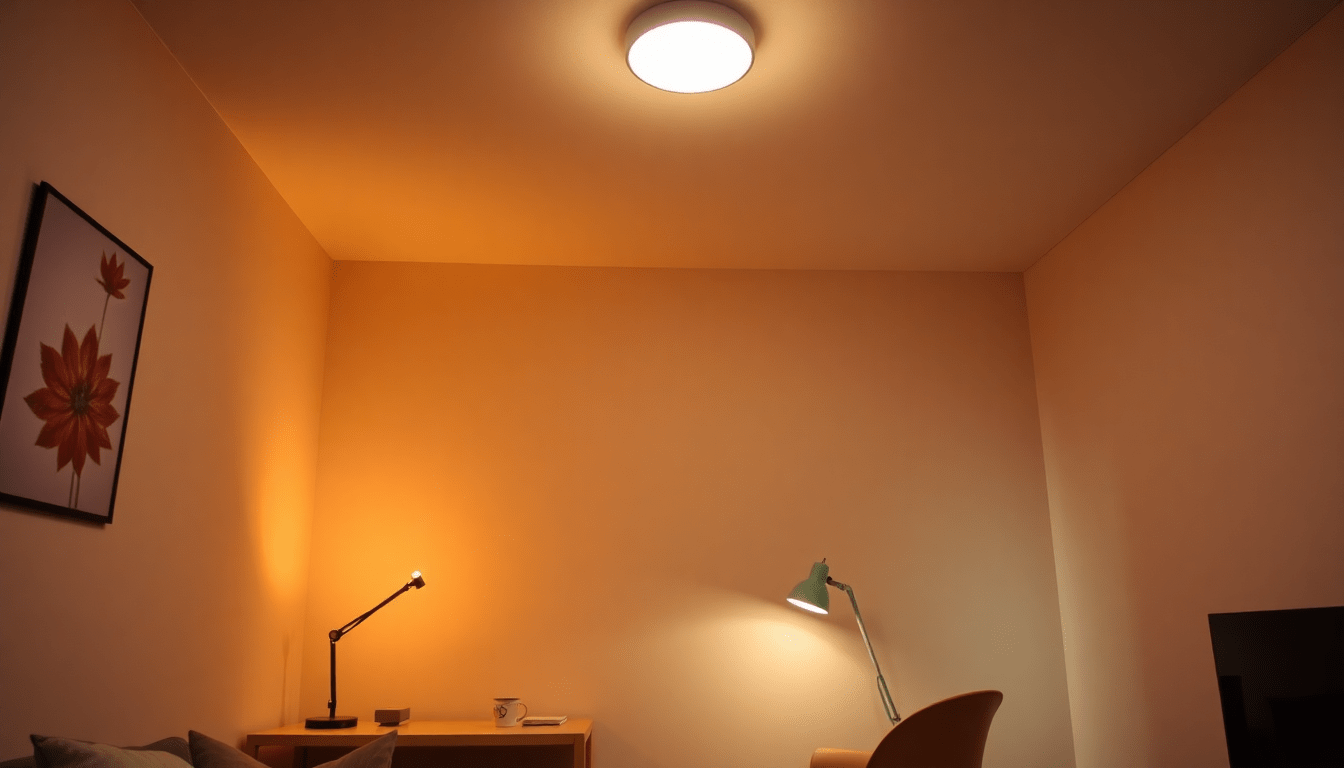
Small spaces deserve big lighting—this guide reveals sustainable, mood-driven layering that scales with your needs and budget.
Why micro-home lighting matters for tiny spaces
In compact homes, lighting is not only about visibility. It shapes perception, comfort, and daily routines. A well layered scheme can visually expand rooms, guide movement, and create emotional resonance with a minimum number of fixtures. This approach ties together ambient lighting ideas, decor styling tips, smart lighting technology, and the demand for multifunctional furniture that doubles as storage or art. By prioritizing energy efficient technology and flexible controls, you can craft spaces that feel larger, cozier, and more intentional while shrinking environmental impact.
Layering lighting: ambient, task, and accent for tiny footprints
- Ambient lighting: soft general light that fills the room without glare. Options include recessed LEDs, cove lighting, or wall washers that create even tone across walls.
- Task lighting: focused light for reading, cooking, or working. Consider adjustable desk lamps, under cabinet strips, or swing arm fixtures that tuck away when not in use.
- Accent lighting: highlight architectural features, art, or texture to add depth. Use color tunable LEDs or narrow spots to create focal points.
In practice, combine all three layers in harmony. Favor compact fixtures, install dimmers, and let each layer serve a clear purpose without clutter.
Smart and sustainable tech for micro-homes
- LED efficiency: select high CRI (over 90) LEDs with long lifespans to reduce replacements.
- Tunable warmth and brightness: color temperature control from warm 2700K to neutral/bright 4000K supports different activities and moods.
- Smart bulbs and controls: connect bulbs to voice assistants or apps for scenes, schedules and automation.
- Occupancy and daylight sensors: minimize energy use by dimming or turning off lights when space is unused or daylight is sufficient.
- Cable free and modular options: battery powered or rechargeable fixtures offer flexibility in layouts with limited outlets.
Smart lighting makes mood driven ambience effortless. Choose compatible ecosystems to simplify control across rooms and devices.
Color temperature, brightness, and mood dynamics
Color temperature and brightness shape how a space feels. Warmer light around 2700K to 3000K creates coziness for living and dining, while cooler light around 3500K to 4200K supports tasks and focus in kitchens and work zones. Dynamic scenes such as sunrise, daylight, sunset warm, and bedtime warm dimming engage circadian rhythms and support daily rituals. Maintain a balanced CRI for true color rendering, especially in rooms with textiles and art that shine under light.
Practical layouts for tiny homes
- Wall mounted and integrated fixtures: free up floor space with wall sconces, picture lights, and under shelf LEDs.
- Zonal control: create lighting zones for entry, living, kitchen, and sleeping areas and control them independently for efficiency and mood.
- Shadow management: position fixtures to reduce harsh shadows and glare near seating and work zones.
- Mirror and reflective surfaces: reflect light to visually enlarge spaces; pair with soft ambient sources for balance.
- Multifunctional furniture integration: select pieces with built in lighting channels or removable modular shades that reconfigure with space needs.
Layout aware lighting is an investment in daily comfort, shaping navigation, task performance, and overall aesthetic without adding footprint.
Seasonal design trends and energy saving tips for small spaces
- Seasonal lighting layers: swap in warmer tones for autumn evenings and cooler task focused light for spring projects.
- Color harmony: maintain a cohesive palette of color temperatures across fixtures to preserve a clean, unified look in a small footprint.
- Smart scenes for seasonal shifts: pre program scenes that adjust brightness and color with daylight data or calendar events.
- Energy awareness: pair daylight harvesting with occupancy sensing to maximize natural light while minimizing artificial use.
Tiny spaces shine when design choices align with trends yet prioritize efficiency: fewer fixtures with smarter controls can deliver big impact.
Color and textiles interplay with lighting
Lighting interacts with color and texture. Light colored walls reflect more light while darker textiles absorb it, creating contrast that adds depth. Pair color temperature choices with textiles such as wool rugs, linen drapes, and cotton upholstery to amplify mood. Consider textiles with subtle sheen or matte finishes to catch highlights differently as daylight shifts throughout the day.
Case study: a compact studio lighting plan
Consider a 420 to 520 square foot studio that blends living, sleeping, and kitchenette zones. A practical plan may include the following elements and sequence:
- Ceiling ambient: a dimmable warm LED panel or recessed trims to provide even base light across zones.
- Task zones: under cabinet lighting in the kitchenette, a flexible swing arm for reading, and a small desk lamp for a compact workspace.
- Accent points: a single art spot or picture rail to highlight a favorite piece and add depth.
- Smart control: a hub with routines for morning wake up, work mode, and evening wind down, plus occupancy sensors to save energy when space is unused.
- Color and texture: warm woods, soft textiles, and light wall colors to reflect light and maintain airiness.
In practice, layered lighting with smart controls reduces clutter while increasing adaptability for work, rest, and social moments in a single versatile space.
Accessibility and safety in lighting for tiny spaces
- Glare avoidance: diffuse sources and indirect lighting reduce eye strain in small rooms.
- Step and path lighting: low level light along floor edges or stairs improves safety without waking others.
- Night lighting: warm guided light for late night transitions that preserves circadian friendly ambiance.
Accessible lighting supports daily routines and inclusivity, ensuring that even the smallest home remains comfortable for all users.
Maintenance and longevity: choosing durable fixtures
Durability matters in constrained spaces where replacements are disruptive. Look for fixtures with solid heat management, high quality LED drivers, and simple installation. Choose three to five core fixtures that cover base light, task work, and one or two accent points to maximize flexibility without clutter.
Budgeting and planning: cost effective upgrade path
Upgrading small space lighting pays off quickly through energy savings, flexibility, and improved mood. Start with a scalable plan:
- Baseline assessment: map zones, activities, and existing outlets.
- Priority fixtures: select a compact ambient layer with dimmable control and a couple of task lights.
- Smart core: pick a smart hub that pairs with voice assistants and daylight sensors.
- Future proofing: choose modular fixtures that can be extended as space evolves.
With careful budgeting, you can spread investments over seasons to keep your lighting current with less debt and more value.
Future-proofing with modular and scalable systems
Modular lighting supports growth of tiny spaces into larger layouts. Look for:
- Modular fixtures: kits that can be added or removed without rewiring.
- Wireless control: hubs and bridges that support new devices and scenes with minimal setup.
- Solar compatibility: systems that can leverage rooftop solar or battery backups for uninterrupted light during outages or off grid living.
Future ready setups adapt to changing routines and spaces, protecting your initial investment and reducing environmental impact.
A mini room by room checklist for micro light planning
- Establish base ambient layer with dimmable fixtures
- Place task lighting at desks, counters, and reading zones
- Add one or two accent points to highlight texture or art
- Ensure zones for entry, living, kitchen, and sleep have independent controls
- Install daylight sensors and occupancy sensors where possible
- Choose modular, cable free fixtures when outlets are limited
Maintaining a simple, scalable lighting system helps tiny spaces stay flexible and visually calm.
Conclusion: turning tiny rooms into luminous, livable spaces
Micro home lighting mastery blends sustainable technology with deliberate layering to craft ambience that adapts to daily activities, time of day, and seasons. By prioritizing ambient, task, and accent layers, selecting energy efficient smart solutions, and designing layouts with movement and flexibility in mind, you can elevate comfort and style in even the smallest homes.
Visit XENTAR for more lighting, decor & furniture curated for modern homes and creative spaces.
Share:
Biophilic Lighting for Small Living Spaces: Adaptive Zonal Controls, Mood-Enhancing LEDs, and Eco-Friendly Decor
Tiny Homes, Big Glow: Modular Zonal Ambient Lighting for Small Spaces with Energy-Efficient Smart Controls