

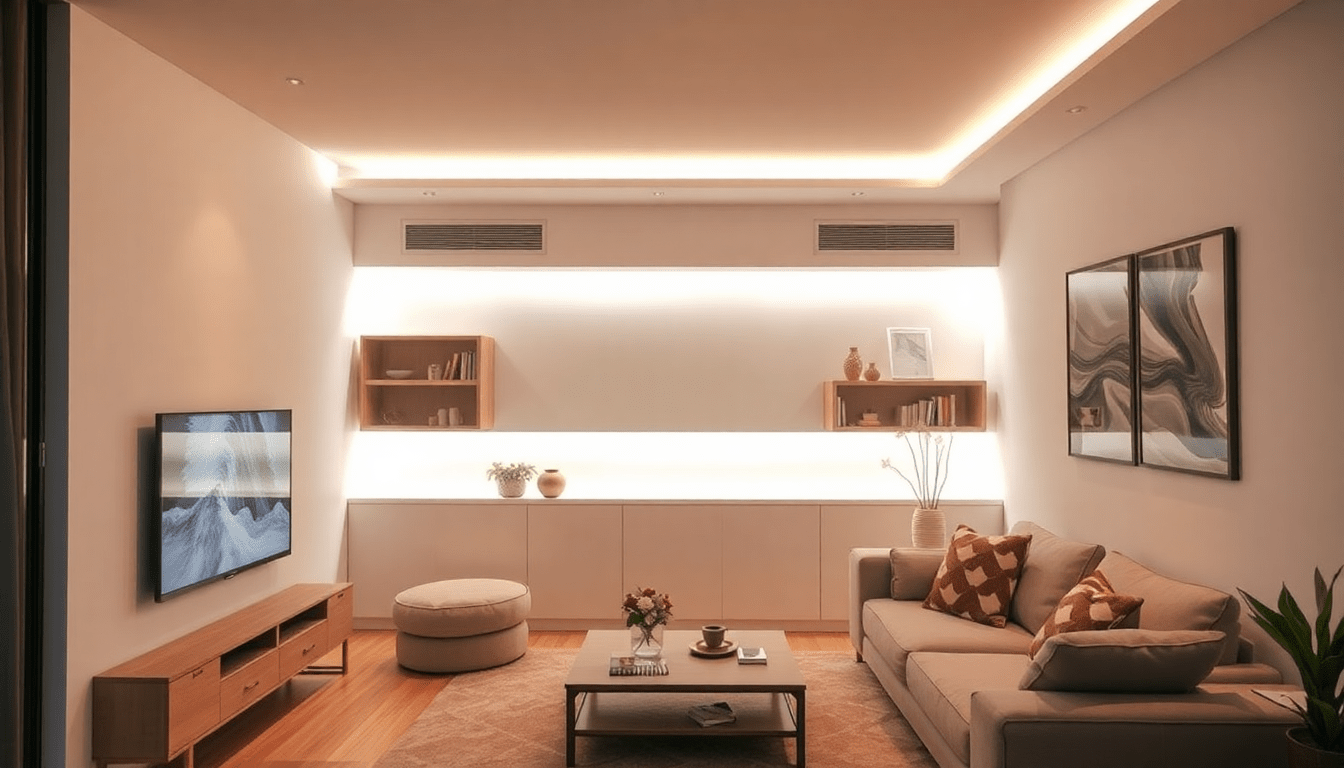
Explore how AI-driven layered LEDs deliver circadian-aware, space-enhancing lighting for ultra-compact interiors.
Biophilic Lighting in Tiny Spaces: The Why
- Expands perceived space by layering light and reflections to carve depth in small footprints
- Brings nature-inspired cues into compact rooms through subtle, dynamic color shifts
- Supports mood, focus, and wellbeing without adding physical bulk
AI-Driven Layered LEDs: Architecture and Benefits
- Layered design with ambient, task, and accent layers that define zones without walls
- Adaptive brightness and color temperature tuned to time of day and activity
- On-device AI optimizes energy use, comfort, and long-term reliability
- Seamless integration with dimmers, sensors, and smart home ecosystems
Circadian Zonal Control: Health Benefits in Small Spaces
- Synchronizes light with natural circadian rhythms to support daytime alertness and evening wind-down
- Zonal control enables mood-appropriate lighting across zones in open-plan micro-areas
- Reduces circadian misalignment common in dense urban living where daylight is limited
Design Principles for Ultra-Compact Interiors
- Light layering to define zones without walls, preserving sightlines and ceiling height
- Color temperatures from warm 2700K to bright 6500K for day-to-night transitions
- Glare management and high-reflectance surfaces to maximize perceived brightness
- Slim profiles, concealed fixtures, and modular components that adapt to evolving layouts
Layout Ideas and Real-World Applications
- Ceiling coves and wall-wash lighting to add depth in studios and micro-apartments
- Under-cabinet layers for kitchen tasks and desk work without clutter
- Vertical light channels and column accents that guide the eye and minimize shadows
- Mirrored or high-reflectance finishes to amplify daylight cues in small rooms
Smart Integration, Sustainability, and Materials
- Compatibility with major smart home ecosystems and voice assistants for hands-free control
- Adaptive schedules and circadian-aware presets reduce energy use while maintaining health benefits
- Low-waste materials and recyclable components designed for longevity
Specification Checklist: What to Look For
- Validated circadian metrics and a wide color-temperature range (2700K–6500K) for day-to-night transitions
- Accurate sensors and room-size calibration, with reflectance-aware tuning
- Scalability for future upgrades and seamless integration with other smart devices
Case Studies: Micro-Apartments and Studio Scenarios
In real-world micro-living spaces, layered LEDs create a sense of airiness that larger rooms often take for granted. Studios gain depth with ceiling coves and hidden fixtures, while single-wall kitchens benefit from under-cabinet layers that double as task lighting and mood lighting at once.
For designers, the goal is to achieve ambient lighting ideas that feel expansive without adding hardware footprints. These systems support decor styling tips by providing adjustable color temperatures that complement furniture finishes, textiles, and artwork while remaining energy-efficient.
Cost, ROI, and Implementation Timeline
- Initial investment versus long-term savings on energy bills and reduced glare-related fatigue
- Modular upgrades allow phased deployment to fit tight budgets
- Maintenance cycles and component lifespans designed for high-use urban spaces
Seasonal Design Trends and Aesthetic Room Makeovers
- Seasonal shifts in color temperature and light intensity to reflect changing daylight patterns
- Biophilic palettes that pair with natural materials like wood, stone, and linen
- Smart lighting technology enabling quick, magazine-worthy room makeovers with minimal hardware
Future-Proofing Your Ultra-Compact Interior Lighting
- Open APIs and over-the-air updates to keep lighting systems current
- Interoperability with new sensors, AI models, and furniture-integrated LEDs
- Design flexibility to accommodate evolving leases, rents, or ownership changes
Maintenance, Upgrades, and Longevity
- Dust-resistant fixtures and accessible channels for easy cleaning
- Replaceable LED modules and low-waste maintenance cycles
- Scheduled calibration ensures circadian accuracy over time
Visit XENTAR for more lighting, decor & furniture curated for modern homes and creative spaces.
Share:
Modular Biophilic Lighting for Urban Micro-Spaces: AI-Synced LEDs with Circadian Zonal Control for Mood and Energy
Micro-Home Biophilic Lighting Redefined: AI-Powered Layered LEDs with Circadian Zonal Control for Small Spaces