

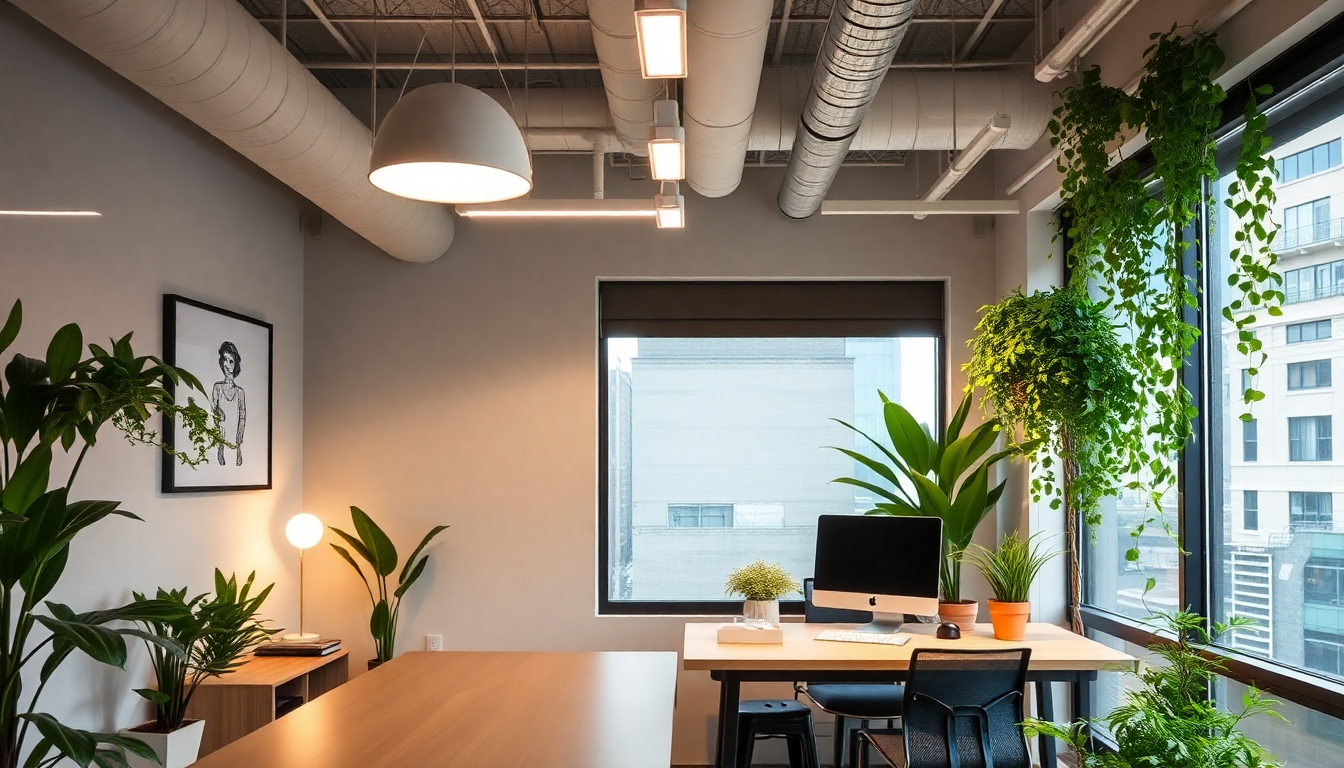
AI-powered modular biophilic lighting blends nature-inspired design with circadian control to boost mood, focus, and energy in urban micro-spaces.
What is Modular Biophilic Lighting?
- Modular units that can be reconfigured to fit changing layouts and functions
- Biophilic cues through warm color palettes, organic shapes, and daylight-simulating spectra
- AI-driven zoning that tailors brightness, spectrum, and timing across multiple micro-areas
- Energy-efficient LED sources with long lifespans and low maintenance
Why Urban Micro-Spaces Demand Biophilic Lighting
- Small footprints with variable occupancy require flexible lighting layouts
- Biophilic design reduces stress and enhances focus in dense environments
- Circadian aligned lighting supports healthy energy rhythms without glare or fatigue
- Integrated lighting can double as architectural texture, not just illumination
AI-Synced LEDs and Circadian Zonal Control: How It Works
- Sensors map micro zones such as a desk area, seating nook, and entry path
- AI analyzes daylight, occupancy, and user preferences to adjust color temperature and intensity
- Circadian tuned spectra shift from cooler, blue-enhanced light during the day to warmer tones in the evening
- Zonal control enables independent lighting scenes for each zone without interference
- Presets support morning energizers, focused work, social ambience, and wind-down routines
Designing for Mood and Energy in Small Footprints
- Color temperature strategy: 2700K–6500K with smooth transitions to match the time of day
- Dynamic scenes for work, relaxation, and social moments tuned to occupant needs
- Brightness zoning to avoid visual clutter while maintaining task lighting where needed
- Gentle daytime mimicry to support alertness and nighttime wind-down to aid sleep
- Glare control and luminance balance to keep spaces comfortable at all distances
Practical Configurations for Apartments, Pods, and Workspaces
- Ceiling linear runs paired with modular pendants to create varied focal points
- Wall washing near plants or art to enhance biophilic texture
- Integrated plant-friendly modules that blend lighting with greenery for a stronger biophilic effect
- Smart switches and voice control for intuitive scene selection
- Compact under-cabinet or shelf lighting to extend mood cues to perimeters
Implementation Guidelines
- Audit the space to identify micro zones such as work zones, lounging corners, and entryways
- Plan modular fixtures that can be rearranged as layouts change
- Select a control system that supports circadian presets and AI scheduling
- Calibrate color temperature and intensity for seamless transitions between zones
- Test scenes with real users to refine comfort and energy impact
Energy Efficiency and Sustainability Benefits
- LED modules with high efficacy reduce electricity use while maintaining light quality
- Occupancy sensing and daylight harvesting cut energy waste in off-peak hours
- Modularity minimizes waste by adapting fixtures rather than replacing them
- Longevity of components lowers maintenance frequency and lifecycle costs
Case Study: A 350 Sq Ft Urban Studio
An open studio uses a modular track system with AI-synced pendants and wall washers. Zones include a task desk, a living nook, and a plant wall. The system delivers a bright daytime scene for productivity and a warm, dim evening setting for relaxation. Over weeks, the AI learns routines, optimizes transitions, and improves comfort and energy balance while reducing glare and eye strain.
Case Study: A 180 Sq Ft Coworking Pod
A compact coworking pod employs a ring of modular pendants and linear LED strips to delineate zones for focus, collaboration, and soft breaks. Circadian presets adjust with the outdoor clock, while occupancy sensors prevent lights from remaining on in empty zones. The result is a flexible, welcoming micro-space that adapts to team size and activity without chaos.
Case Study: A 120 Sq Ft Micro-Retail Nook
In a micro-retail context, lighting emphasizes product textures and color rendering while guiding customer flow. AI-synced LEDs calibrate brightness to highlight displays during peak hours and shift to warmer tones during quieter periods, creating a storefront mood that is both inviting and energy efficient.
Getting Started: Tools, Partners, and Considerations
- Look for modular fixtures with plug-and-play connectors for easy reconfiguration
- Choose AI-capable controllers that support circadian presets and zone-based scenes
- Ensure compatibility with smart home ecosystems and voice assistants
- Prioritize luminance quality, color fidelity (CRI), and glare control in small spaces
- Plan for future expansion with scalable wireless mesh networks
Typical Pitfalls and How to Avoid Them
- Overly complex scenes can confuse users — favor intuitive presets and simple overrides
- Inconsistent color temperature across zones — calibrate and lock transition thresholds
- Undersized drivers or poor heat management reduce LED life — select efficient components with proper heatsinking
- Ignoring daylight variations — integrate daylight sensing to reduce artificial lighting when sun is bright
Future Trends in Modular Biophilic Lighting
- Wireless mesh networks enabling seamless scale across multiple micro-spaces
- Digital twin simulations to optimize circadian impact before installation
- Plant-integrated lighting that harmonizes with living green walls and biophilic textures
- Adaptive facade lighting that responds to weather and seasonal shifts
Buying Guide: What to Look For
- Modularity and ease of reconfiguration
- AI-enabled control with circadian presets and occupancy-aware scheduling
- High Color Rendering Index (CRI 90+) for accurate color perception
- Flicker-free operation and low blue-light content during evening hours
- Compatibility with your smart home platform and voice assistants
- Sustainable materials and long-lived LED modules
Accessibility and Well-Being Considerations
- Glare reduction and luminance balance for diverse seating arrangements
- Non-flickering light and smooth dimming curves to support sensitive users
- Clear controls and predictable scene behavior for users with cognitive or mobility challenges
- Color temperature shifts aligned with circadian needs to support different energy patterns
Maintenance, Durability, and Lifecycle
- Modular components simplify replacement without reworking entire fixtures
- Firmware updates extend functionality and optimize circadian algorithms
- Durable housings and appropriate ingress protection for shared or damp spaces
- Recycling and end-of-life programs help reduce environmental impact
Design Tips and Aesthetic Inspirations
- Wearable edges and soft silhouettes echo biophilic forms found in nature
- Layered lighting with a mix of ambient, task, and accent can create depth in small rooms
- Consider plant-friendly modules that integrate around greenery for a cohesive look
- Use wall washing and grazing to reveal texture on art and surfaces
Conclusion: A Practical Path to Mood, Energy, and Sustainability
Modular biophilic lighting with AI-synced LEDs and circadian zonal control offers a practical, scalable approach to transforming urban micro-spaces. By blending adaptable configurations, intelligent control, and nature-inspired aesthetics, you can create environments that nurture mood, boost energy, and support well-being—without compromising efficiency or style.
Visit XENTAR for more lighting, decor & furniture curated for modern homes and creative spaces.
Share:
Adaptive Biophilic Lighting for Tiny Homes: AI-Optimized LED Modules with Dynamic Zonal Control
Three-Dimensional Biophilic Lighting for Ultra-Compact Interiors: AI-Driven Layered LEDs with Circadian Zonal Control — Visit XENTAR for more lighting, decor & furniture curated for modern homes and creative spaces..