

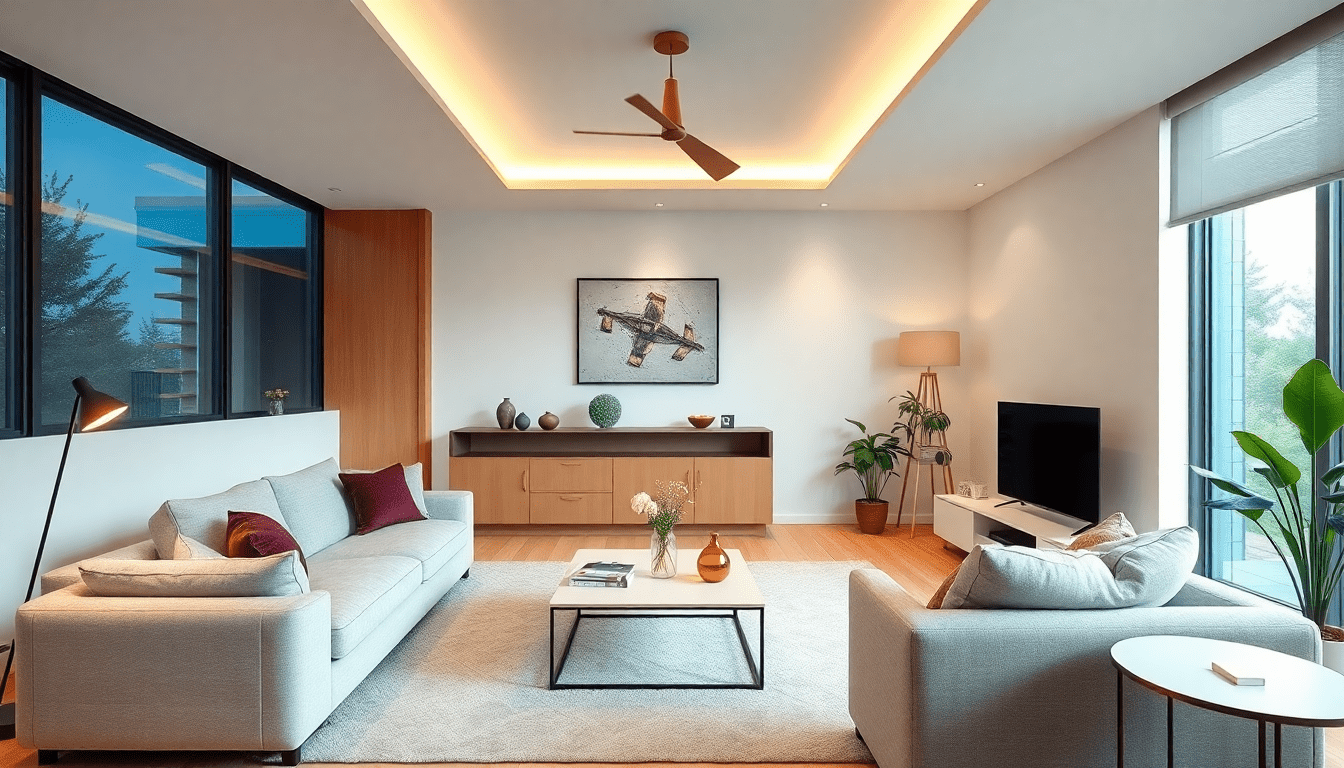
Introduction: Transforming Home Interiors with Ambient Lighting in 2026
In 2026, the landscape of home interior design is more innovative and sustainable than ever before. Ambient lighting, once a simple tool for illumination, has evolved into a sophisticated element that enhances aesthetics, improves functionality, and promotes eco-conscious living. As smart technology becomes seamlessly integrated into daily life, and eco-friendly design principles shift from trend to necessity, homeowners are discovering new ways to illuminate their spaces that are striking, energy-efficient, and environmentally responsible.
This comprehensive guide explores how advances in smart lighting technology and sustainable design are shaping the future of modern home interiors. From innovative lighting fixtures to seasonal and circadian lighting trends, learn how to harness these developments to create a space that is functional, beautiful, and aligned with future-forward living.
The Rise of Smart Lighting Technology
Smart Lighting Features Transforming Home Environments
Smart lighting systems are no longer just about remote controls; they encompass a broad range of functionalities, integrating seamlessly with the connected home ecosystem. The latest innovations include:
- Voice-Activated Controls: Voice command integrations with devices like Amazon Alexa, Google Assistant, and Apple HomeKit allow effortless control of lighting ambiance, scene setting, and adjustments without lifting a finger.
- Customized Presets and Scenes: Save your preferred lighting moments—whether it's a cozy night-in, a lively dinner, or a focused work environment—and activate them instantly via apps or voice commands.
- Advanced Automation & Sensors: Sensors detect occupancy, natural light levels, and even your mood to adjust lighting automatically, ensuring optimal ambiance while conserving energy.
- Color-Tuning & Dynamic Light Scenes: Transition smoothly between warm and cool tones, set color schemes for events, or simulate natural daylight to improve mood and productivity.
- Remote Monitoring and Control: Manage lighting from anywhere worldwide, gaining insights into energy consumption and making data-driven choices to reduce costs.
The Benefits of Smart Lighting
- Enhanced convenience and customization
- Significant energy savings and lower utility bills
- Improved home security through automated exterior and interior lighting
- Enriched aesthetic appeal with dynamic and immersive lighting designs
Eco-Friendly Design Principles in Ambient Lighting
Sustainable Choices Powering Modern Interiors
Environmental responsibility continues to influence interior lighting choices, leading to a wave of eco-friendly innovations. Key principles include:
- Energy-Efficient LEDs and OLEDs: Modern lighting fixtures primarily utilize LED technology, which consumes less power and has a longer lifespan, significantly reducing waste and energy consumption.
- Use of Recycled and Sustainable Materials: From fixtures made of recycled metals and plastics to environmentally friendly packaging, sustainable materials are becoming standard in lighting manufacturing.
- Natural Light Optimization: Architects and designers incorporate large windows, skylights, and reflective surfaces to maximize daylight, reducing reliance on artificial lighting during daytime hours.
- Smart Dimming & Adaptive Lighting: Systems automatically adjust brightness levels based on natural light availability and usage patterns, reducing unnecessary energy expenditure.
- Green Certifications and Eco Labels: Selecting fixtures that meet eco-friendly standards ensures compliance with sustainability goals and industry best practices.
Design Trends Shaping Modern Home Interiors in 2026
Innovative and Aesthetic Trends in Interior Lighting
As design evolves, several trends synergize with ambient lighting innovations to redefine modern aesthetics:
- Minimalist and Clean Design: Sleek, unobtrusive fixtures that blend into decor, emphasizing form and function without clutter.
- Multifunctional Lighting Elements: Fixtures that serve dual purposes—such as integrated shelves, mirrors, or artwork—enhancing space utility and style.
- Biophilic Elements and Natural Light Emulation: Lighting designs that mimic daylight patterns, creating a connection between indoors and nature.
- Color-Changing and Circadian Lighting: Dynamic lighting that shifts throughout the day to support health, energy, and well-being, aligning with circadian rhythms.
- Seasonal and Mood-Based Settings: Lighting configurations that adapt to seasons or specific moods, creating immersive environments.
- Integration with Smart Home Ecosystems: Lighting that synchronizes with music, climate controls, and security for a fully automated home.
How to Incorporate Ambient Lighting into Your Home
Practical Tips for a Modern, Eco-Friendly Lighting Design
- Layered Lighting Strategy: Combine ambient, task, and accent lighting to create depth and flexibility. For example, use overhead fixtures with floor and table lamps for a balanced environment.
- Maximize Natural Light: Use window treatments like sheer curtains and mirrors to reflect light and make spaces look larger and brighter.
- Leverage Smart Controls: Install automated systems that adapt lighting based on time of day, occupancy, and natural light availability.
- Choose Sustainable Fixtures: Opt for fixtures made from recycled or eco-friendly materials, with energy-efficient bulbs and smart features.
- Focus on Color Temperature & Brightness: Use adjustable lighting to set the mood, whether warm and cozy or bright and energizing.
Future Outlook: The Intersection of Technology, Sustainability, and Design
Looking ahead, ambient lighting in 2026 will continue to evolve at the intersection of technological innovation and sustainability. The rise of AI-powered lighting that learns your preferences, combined with advanced materials and ecological manufacturing practices, will lead to even more sophisticated, environmentally responsible solutions. Additionally, the emphasis on health and well-being will inspire designs that support circadian health, mood regulation, and outdoor connection through advanced lighting schemes.
Conclusion: Creating Future-Ready Living Spaces
The future of ambient lighting is bright—literally and figuratively. By combining cutting-edge smart technology with eco-friendly principles, homeowners can craft living environments that are not only stunning but also sustainable and health-promoting. Whether you’re redesigning a single room or planning a complete home makeover, embracing these innovations will ensure your space remains relevant and inspiring for years to come.
Stay ahead of the curve by exploring the latest lighting solutions and design ideas. Create rooms that harmonize technology, sustainability, and aesthetics to enjoy a truly modern home experience.
Visit XENTAR for more lighting, decor & furniture curated for modern homes and creative spaces.
Share:
Harness the Power of Smart Lighting to Create Sustainable, Aesthetic, and Adaptive Interiors in 2026
Revolutionizing Home Interiors with Adaptive Smart Lighting and Eco-Friendly Design Innovations in 2026