

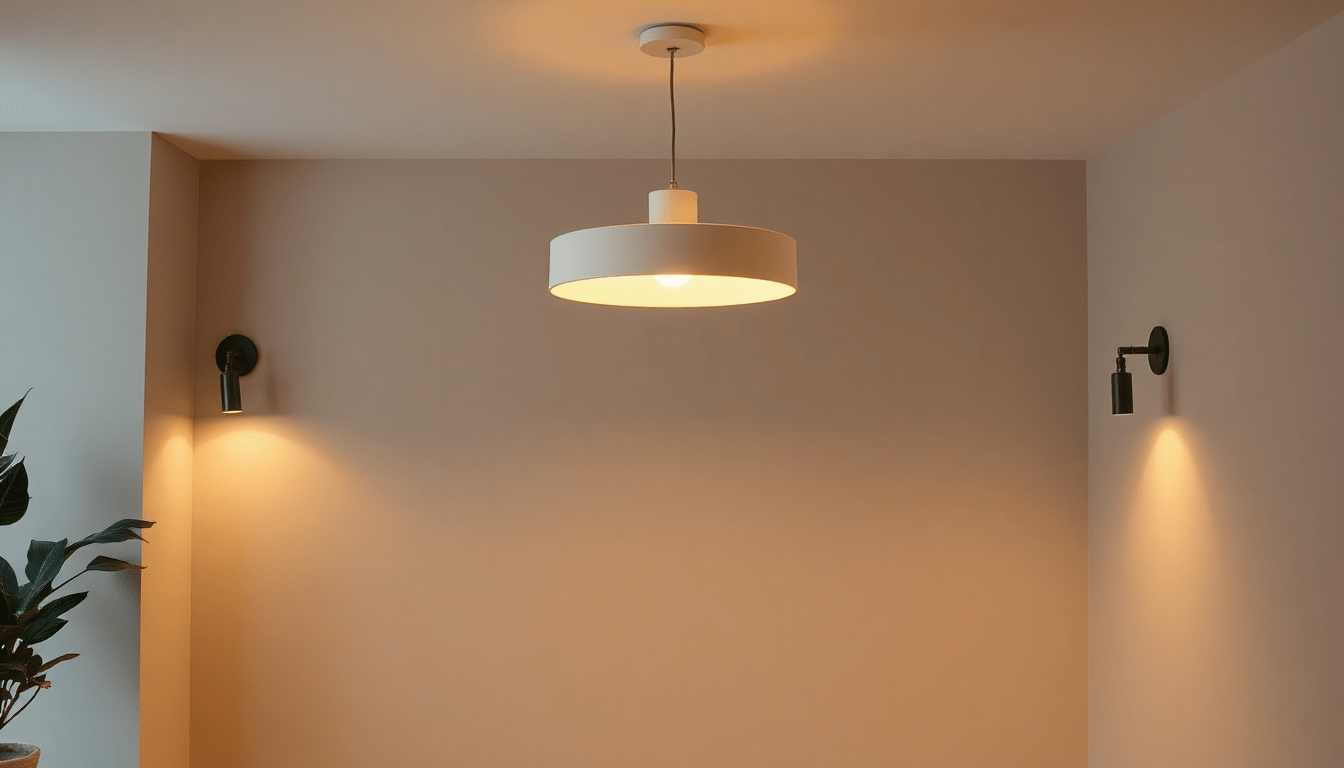
Introduction: Transform Your Home with Smart Lighting in 2026
As we move further into 2026, smart lighting has become more than just a convenience; it’s a pivotal element in modern interior design. Combining sustainability, aesthetics, and adaptability, smart lighting systems are reshaping how we illuminate our living spaces. By integrating intelligent lighting solutions, homeowners can not only elevate their interior decor but also contribute to a greener planet while enjoying personalized, mood-enhancing environments. This comprehensive guide explores the latest innovations in smart lighting technology, design tips, trends, and future outlooks to help you create the perfect sustainable, aesthetic, and adaptive interiors.
Why Smart Lighting Is a Game-Changer for Modern Homes
- Energy Efficiency: Smart lighting systems utilize advanced LEDs, sensors, and automation to significantly reduce energy consumption. This shift toward eco-friendly options aligns with global efforts to combat climate change and lower utility costs.
- Enhanced Aesthetics: Flexible color-changing capabilities and dynamic scene settings empower homeowners to craft visually stunning environments tailored to any occasion or mood.
- Customization & Adaptability: Lighting can be easily adjusted via smartphones, voice commands, or automated routines, making it effortless to create the perfect ambiance for work, relaxation, or social gatherings.
- Seamless Integration with Smart Ecosystems: Smart lighting seamlessly interfaces with other connected devices like thermostats, security systems, and voice assistants, fostering a cohesive and intuitive smart home experience.
- Improved Well-Being: Mimicking natural circadian rhythms through circadian lighting helps regulate sleep patterns, boost mood, and enhance overall wellness.
Innovations in Smart Lighting Technology in 2026
-
Adaptive Brightness & Color Tuning: Cutting-edge systems now offer millions of color options and programmable brightness levels, allowing users to personalize lighting for different activities and times of day.
- For example, warm tones for cozy evenings, bright white for workspaces, and energizing hues for workouts.
-
Sensor-Driven Automation: Motion, ambient light, occupancy, and even sound sensors enable lights to respond automatically, reducing waste and enhancing convenience.
- Imagine entering a room where lights turn on subtly as you walk in and dim down when you leave.
-
AI-Powered Personalization: Artificial intelligence learns your routines and preferences, adjusting lighting settings automatically for a truly customized experience.
- This can include adjusting color temperature throughout the day to support your circadian rhythm or setting scene preferences based on your activities.
-
Eco-Friendly and Sustainable Materials: The latest smart bulbs and fixtures incorporate sustainable materials, recycled components, and energy-efficient design to minimize environmental impact.
- Seeing eco-conscious design become a standard in smart lighting is a major step toward sustainable living.
Design Tips for Creating Sustainable and Aesthetic Interiors with Smart Lighting
- Strategic Fixture Selection: Opt for fixtures made with sustainable materials like recycled plastics or biodegradable components. Focus on minimalist designs that complement your décor while maximizing functionality.
-
Layered Lighting Approaches: Combine ambient, task, and accent lighting to create depth and ambiance in any room. Use smart systems to switch between layers effortlessly.
- For instance, combine downlights with warm-colored LED strips and focused task lighting to enhance versatility.
-
Color Psychology and Dynamic Scenes: Leverage color settings to trigger specific moods or activities. Use pre-programmed scenes for reading, relaxing, or entertaining.
- Example: A vibrant, colorful scene for parties and a soft warm glow for unwinding after a long day.
-
Automation and Scheduling: Set up automations for daily routines, such as gradually brightening lights in the morning or dimming them at night to promote better sleep.
- Smart schedules reduce unnecessary energy use and maintain a consistent ambiance.
-
Maximize Natural Light: Integrate smart window shades with lighting controls to optimize natural daylight, reducing reliance on artificial light and enhancing sustainability.
- This approach not only conserves energy but also creates a healthier, more natural environment indoors.
Future Trends: The Intersection of Smart Lighting and Sustainable Home Design
-
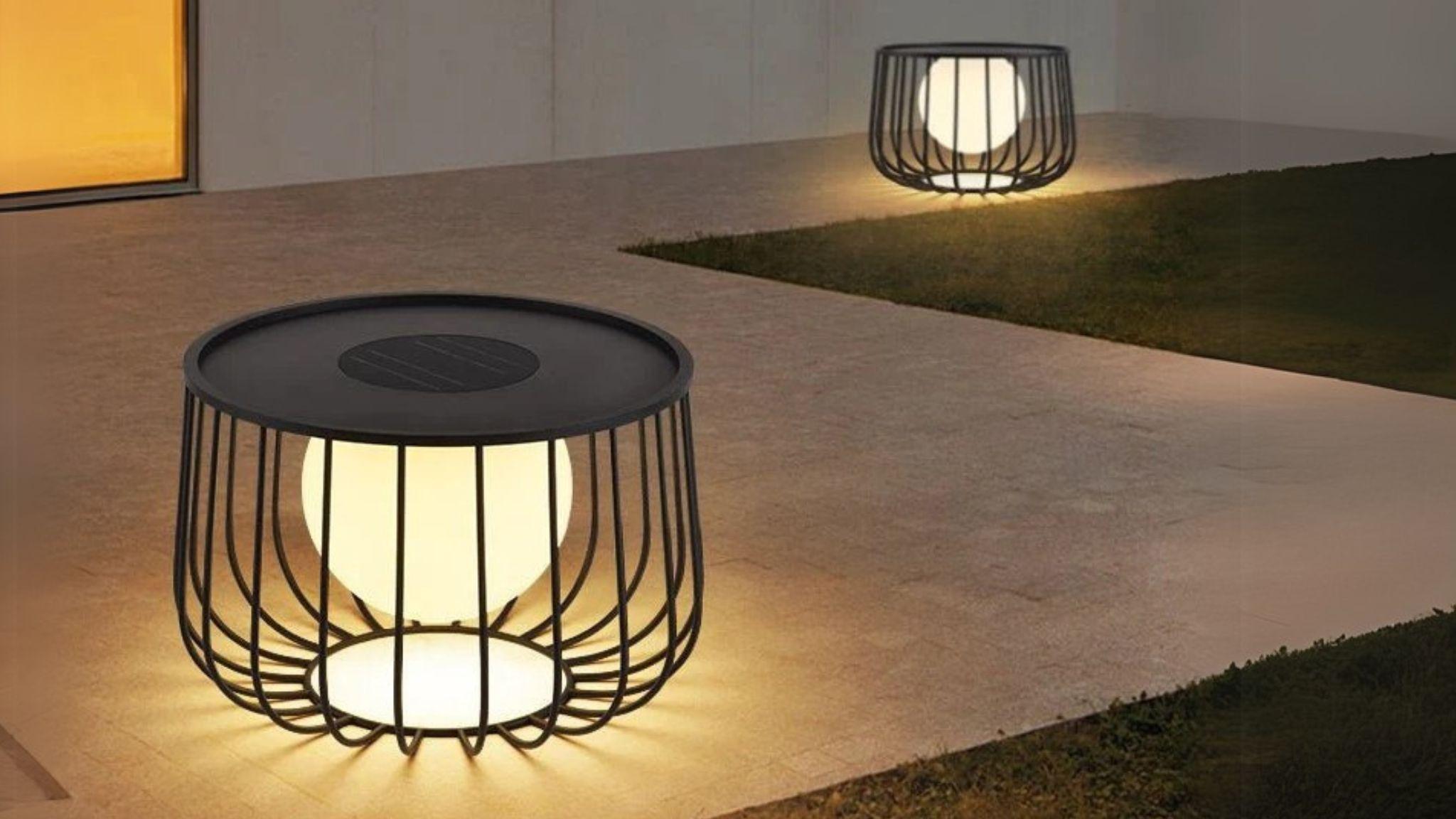
Integration with Renewable Energy Sources: Solar-powered smart lighting systems are becoming more prevalent, enabling homes to generate and store their own energy.
- This synergy accelerates the reduction of carbon footprints.
-
Enhanced User Experience through Voice and Gesture Controls: Future systems will offer more intuitive controls, including gesture-based commands and AI-driven voice assistants.
- Creating a fully hands-free, effortless lighting experience.
-
Biophilic and Circadian Lighting: Mimicking natural light cycles using advanced circadian lighting promotes well-being and health.
- This trend blends habitat design with wellness, emphasizing the importance of natural light exposure indoors.
- Eco-Conscious Consumer Preferences: Consumers are increasingly prioritizing eco-friendly products, driving innovation in sustainable lighting design and materials.
Implementing Smart Lighting for a Complete Home Makeover
Transforming your residence into a smart, sustainable, and aesthetic haven involves strategic planning. Here are essential steps to consider:
- Assessment: Identify areas that could benefit from smart lighting—living rooms, bedrooms, kitchens, and outdoor spaces.
- Choice of Technology: Select systems compatible with your existing smart home ecosystem and aligned with your sustainability goals.
- Design & Decor Integration: Match fixtures and lights with your interior themes, whether minimalistic, industrial, or biophilic.
- Professional Installation & Configuration: Partner with certified installers to ensure optimal placement, setup, and integration.
- Ongoing Management: Use mobile apps and automation routines to maintain and adapt your lighting setup as your needs evolve.
Conclusion: Embrace the Future of Interior Lighting in 2026
Smart lighting stands at the forefront of sustainable and aesthetic home design. By embracing innovative technologies, thoughtful placement, and automation, you can craft spaces that are not only visually stunning but also environmentally responsible and highly functional. As you implement these strategies, your home will become a reflection of modern, eco-conscious living that adapts dynamically to your lifestyle and wellness needs.
Visit XENTAR for more lighting, decor & furniture curated for modern homes and creative spaces.
Share:
Innovative Smart Lighting and Eco-Conscious Design Trends Reshaping Modern Interior Aesthetics in 2026
The Future of Ambient Lighting: How Smart Technology and Eco-Friendly Design Are Redefining Modern Home Interiors in 2026