

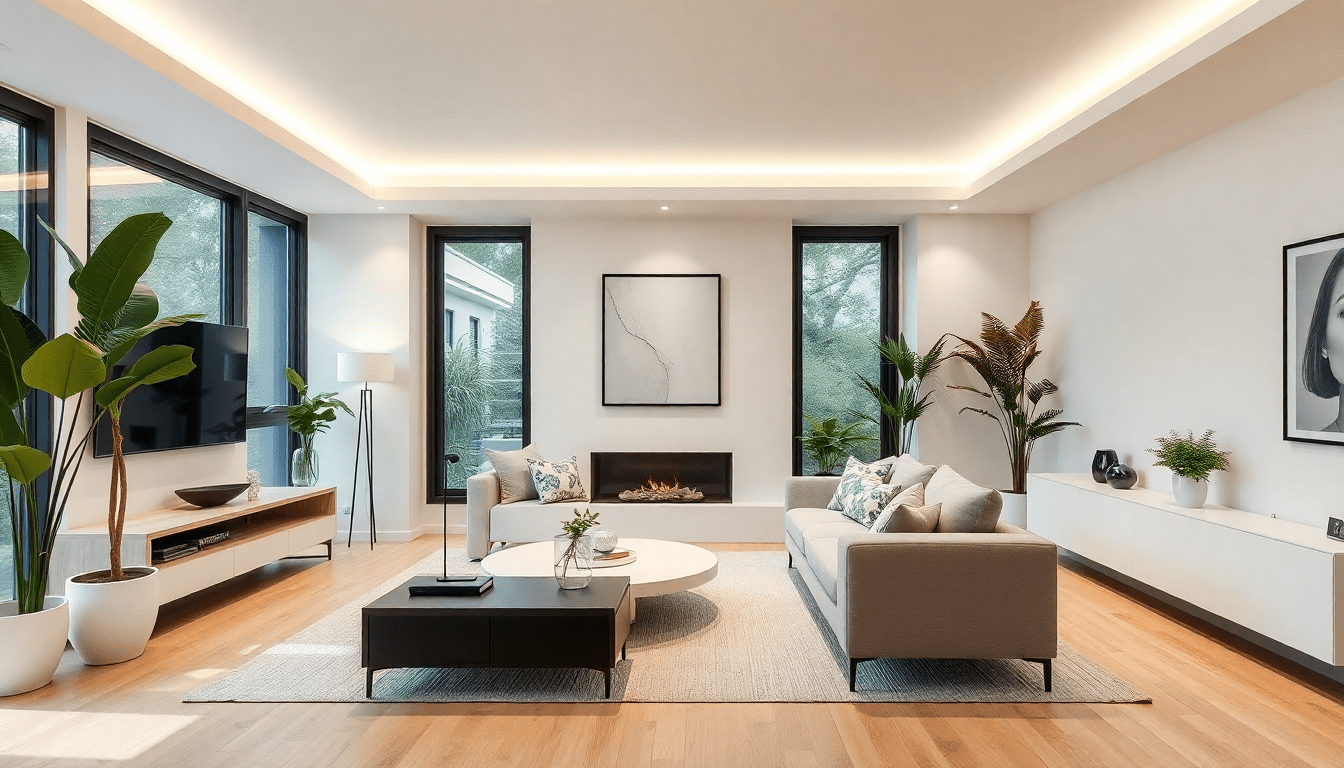
Introduction: A New Era of Home Design in 2026
As we step further into 2026, the landscape of interior design is rapidly evolving. The fusion of advanced adaptive smart lighting technologies and eco-friendly innovations is redefining how homeowners experience and customize their living spaces. These breakthroughs not only create stunning aesthetics but also promote sustainability and energy efficiency—making modern homes smarter, greener, and more personalized than ever before.
Understanding Adaptive Smart Lighting: The Heart of Future Homes
Adaptive smart lighting has emerged as a cornerstone of contemporary home design. Unlike traditional lighting systems, these systems adjust automatically based on environmental conditions, user preferences, and daily routines, transforming spaces at the touch of a button or through voice commands.
- Automatic Dimming and Brightening: Sensors detect natural daylight levels, adjusting indoor lighting to optimize ambiance and conserve energy throughout the day.
- Color Tuning Capabilities: Customizable color temperatures that shift from warm tones for relaxation to cooler shades for productivity, conforming to circadian rhythms.
- Scene Setting and Automation: Pre-programmed scenes for different activities, such as reading, entertaining, or winding down, accessible via smart devices.
- Voice-Activated Control: Integration with virtual assistants like Alexa, Google Home, or Apple Siri allows for effortless control and personalization.
The Benefits of Adaptive Smart Lighting
Implementing smart lighting offers numerous advantages beyond style and convenience:
- Enhanced Energy Efficiency: Reduce electricity consumption by dimming or turning off lights automatically when not needed.
- Improved Wellbeing: Lighting that adapts to natural rhythms can improve sleep quality, mood, and alertness.
- Increased Property Value: Smart homes appeal to modern buyers who prioritize technology and sustainability, boosting resale potential.
- Customizable Atmospheres: Create perfect moods for any occasion—romantic dinners, cozy nights, or energetic mornings.
Innovations in Eco-Friendly Home Design in 2026
The shift toward sustainability continues to accelerate, with innovations that prioritize environmental responsibility without sacrificing style or comfort. These include a wide array of materials, technologies, and design principles focused on reducing ecological footprints.
- Reclaimed and Recycled Materials: Use of reclaimed wood, recycled metals, and plastics in furniture, flooring, and decor items reduces waste and minimizes demand for virgin resources.
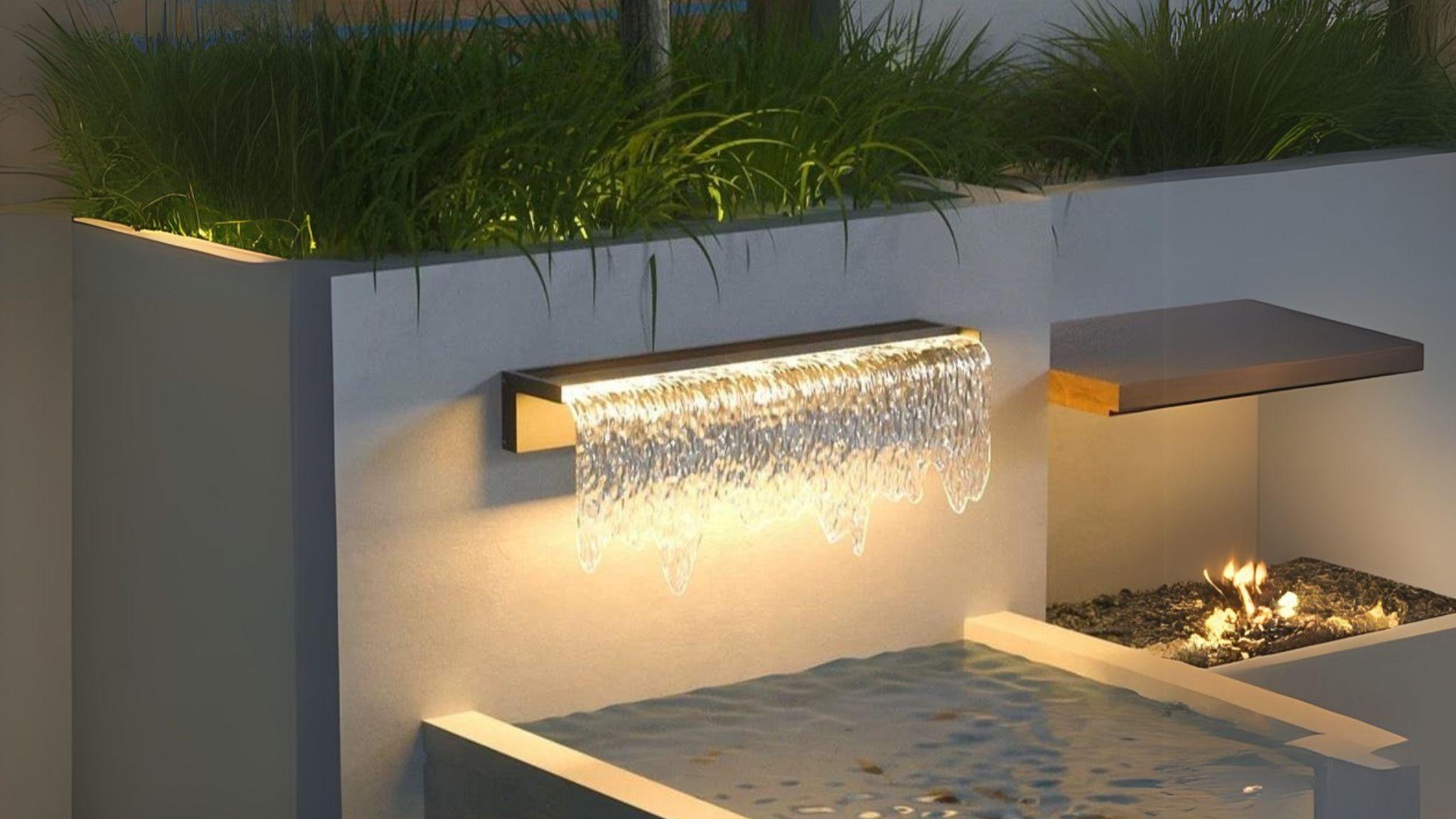
- Biophilic Design Elements: Integrating natural elements such as indoor gardens, green walls, and water features enhances mental health and air quality.
- Energy Efficient Technologies: Smart thermostats, high-efficiency HVAC systems, and solar-powered solutions help households reduce their carbon footprint.
- Eco-Conscious Building Materials: Low-VOC paints, non-toxic adhesives, and biodegradable textiles promote healthier indoor environments.
Smart and Eco-Friendly Materials Shaping 2026 Interiors
The use of innovative, sustainable materials is crucial for eco-smart living. Some of the trending materials include:
- Bamboo and Cork: Rapidly renewable resources that are durable and stylish for flooring, furniture, and accents.
- Recycled Glass and Metals: Used in countertops, lighting fixtures, and decorative pieces, blending sustainability with elegance.
- Bioplastics and Biodegradable Fabrics: For upholstery, curtains, and carpets, reducing plastic waste and chemical emissions.
- Low-Impact Paints and Finishes: VOC-free and eco-friendly options for a healthier indoor environment.
Designing for Sustainability: Tips and Trends
To create eco-smart interiors, consider the following tips that harmonize aesthetics with environmental responsibility:
- Embrace Natural Light: Maximize window placement and use reflective surfaces to reduce dependence on artificial lighting.
- Choose Multi-Functional Furniture: Pieces that serve dual purposes, made from sustainable materials, optimize space and reduce clutter.
- Incorporate Indoor Plants: Enhance air quality and add aesthetic appeal with low-maintenance greenery.
- Opt for Energy-Efficient Appliances: Prioritize appliances with high Energy Star ratings for refrigerators, washers, and heating systems.
- Use Neutral and Earth Tones: Color palettes inspired by nature foster a calming, organic ambiance.
Integrating Technology and Sustainability for Future-Ready Homes
The future of home interiors in 2026 is characterized by seamless integration of smart technology and sustainability. Anticipate features such as:
- AI-Powered Home Systems: Intelligent systems that learn homeowner preferences and optimize lighting, climate, and security.
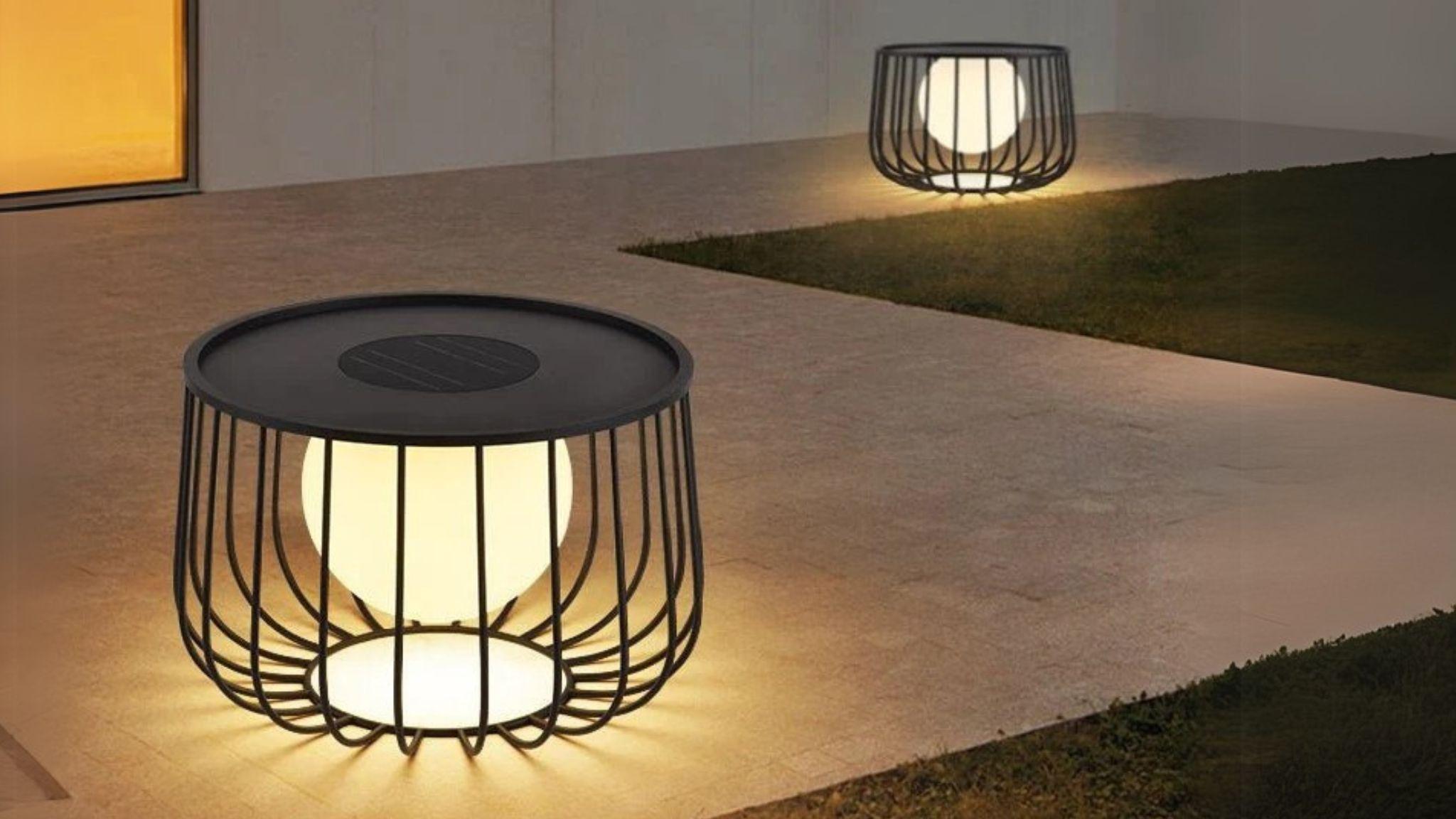
- Solar and Renewable Energy Installations: Solar panels, solar water heaters, and wind turbines integrated into home design.
- Water Conservation Technologies: Smart irrigation, greywater recycling, and low-flow fixtures.
- Connected Ecosystems: IoT-enabled devices that communicate to enhance efficiency and comfort while reducing energy waste.
Conclusion: Embrace the Future of Interior Design
2026 marks a pivotal point in home interior evolution, where adaptive smart lighting and eco-friendly innovations converge to create intelligent, sustainable, and beautiful living environments. Homeowners and designers alike are inspired to build spaces that are not only stylish and functional but also responsible and future-proof.
Stay at the forefront of these trends by combining the latest technologies with eco-conscious choices, fostering environments that support your lifestyle and the planet.
Visit XENTAR for more lighting, decor & furniture curated for modern homes and creative spaces.
Share:
The Future of Ambient Lighting: How Smart Technology and Eco-Friendly Design Are Redefining Modern Home Interiors in 2026
Integrating Smart Lighting and Sustainable Design for Stylish Modern Interiors in 2026