

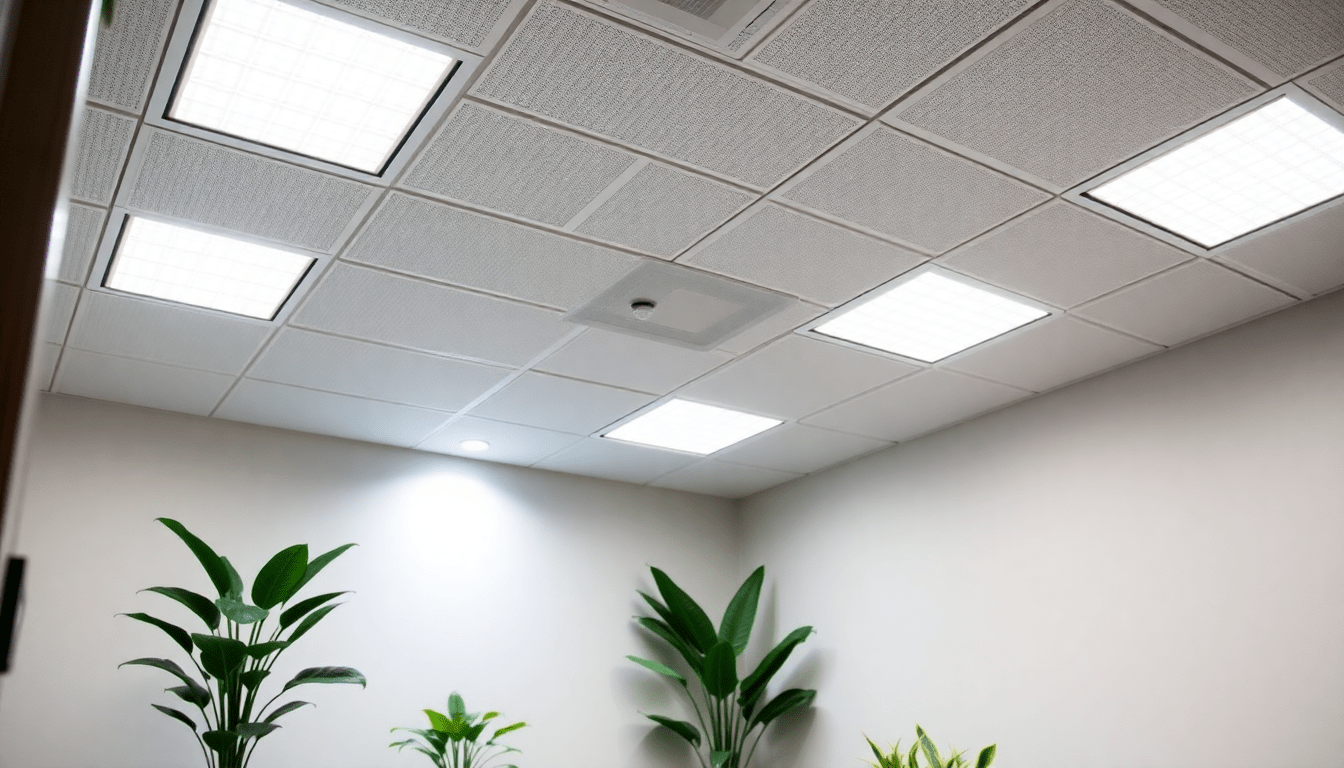
Discover scalable biophilic lighting grids for small spaces, powered by AI and circadian tuning to enhance mood, focus, and energy efficiency.
What Are Smart Biophilic Lighting Grids?
Smart biophilic lighting grids are modular arrays of LEDs that mimic natural light patterns while preserving ceiling height and visual clarity in compact rooms. These grids deliver ambient glow, task-appropriate brightness, and plant-friendly warmth without clutter, creating an immersive environment that feels larger and more connected to the outdoors.
- Modular LED cells that scale to 2x2, 3x3, or linear configurations
- Biophilic cues: spectrum, diffusion, and timing aligned with nature
- High CRI (Color Rendering Index) and tuned CCT (Correlated Color Temperature) for accurate color and mood
- Efficient dimming, occupancy sensing, and daylight harvesting
AI-Optimized LEDs and Circadian Zonal Modulation
AI analyzes occupancy, daylight contribution, and personal routines to steer illumination per zone. Circadian zonal modulation means certain zones mengikuti warm, gentle illumination in the morning while others ramp to crisp, cooler light for focus, then gradually shift toward warmth again for winding down.
- Occupancy-based zoning to minimize waste
- Daylight-aware scheduling that echoes natural light cycles
- Adaptive color temperature, intensity, and full-spectrum tuning
- Privacy-conscious processing with local computations when possible
Design Principles for Petite Spaces
In compact rooms, the art is in even coverage, glare control, and seamless integration with existing architecture. Prioritize low-profile fixtures, strategic placement near windows, and thoughtful light layering to avoid hotspots and shadows.
- Grid density options: compact (2x2), extended (3x3), or linear strips
- Recessed or surface-mounted modules to preserve ceiling height
- Three-layer lighting: ambient base, task accents, and plant-friendly glow
- Quiet, reliable drivers and simple calibration workflows
Technical Architecture and System Components
Successfully deploying AI-driven circadian grids relies on a clean architectural stack: smart luminaires, sensor fusion, edge AI, and a robust control hub that communicates with your smart home ecosystem.
- LED modules with consistent color rendering and dimming range
- Ambient sensors (light, motion, temperature) and optional plant sensors
- Edge AI processor for real-time zoning and scene management
- Secure communication protocol and local data processing when possible
- Smart home integration with voice assistants and hubs
Implementation Guide: From Concept to Cozy
- Space assessment: map zones by function (relaxation, work, circulation) and daylight exposure.
- Choose a grid pattern that fits ceiling geometry and electrical footprint.
- Define circadian schedules: warm sunrise, bright midday, warm sunset; adjust for seasons.
- Install and calibrate: set baseline lux targets, test color rendering, and train AI with routine patterns.
- Fine-tune ambiance: create micro-scenes for reading, meditation, and entertaining.
- Iterate with occupants: gather feedback to optimize comfort and productivity.
Use Case Scenarios: From Studio to Nook
Petite spaces span studios, micro-apartments, and dedicated home offices. Here are practical layouts:
a 2x2 grid centered over the work area provides adjustable task lighting and ambient glow without visual clutter. zoning for focus (cool, bright) and breaks (warmer, softer) improves efficiency and reduces fatigue. a 1x3 linear strip near windows for gentle, adjustable warmth that complements natural light.
Energy, Health, and Productivity Benefits
Biophilic, circadian-aware grids support well-being, reduce eye strain, and boost productivity while conserving energy through intelligent controls and daylight harvesting.
- Improved sleep-wake cycles and circadian alignment
- Reduced glare and better visual comfort for screens and reading
- Lower energy usage via occupancy-aware operation and daylight integration
- Enhanced plant health in real living environments
Integration with Smart Home Ecosystems
Designed to play well with popular ecosystems, these grids can synchronize with smart speakers, assistants, and automations to deliver consistent scenes across devices.
- Scenes that align with daily routines (wake, work, unwind, sleep)
- Voice control for quick adjustments without disrupting workflow
- Energy dashboards and reporting for ongoing optimization
- Privacy-first design with data processing on the edge when feasible
Trends, Tips and Real-World Applications
Keep content fresh by tying into current home design trends—ambient lighting ideas, decor styling, and smart-home integration. Pair grids with multifunctional furniture and seasonal decor to maximize impact without crowding the space.
- Ambient lighting ideas for tiny studios, bedrooms, and entryways
- Decor styling tips that pair light with natural materials (wood, stone, textiles)
- Seasonal design trends: brighter daylight tones in winter and cooler daylight tones in summer
- Biophilic storytelling through plants and light accents for aesthetic room makeovers
Materials, Aesthetics, and Biophilic Storytelling
Material choices influence how light reads in a room. Opt for diffusers that soften glare, housings that blend with ceilings, and finishes that complement architectural details.
- Diffusion and glare control for comfort
- Finish and color to harmonize with furniture and walls
- Natural textures to reinforce biophilic themes
- Plant-friendly spectrum that supports growth and ambience
Maintenance, Longevity, and Privacy
Long-term success depends on easy maintenance, reliable components, and responsible data handling. Plan for periodic firmware updates, filter checks (if used), and straightforward calibration re-runs.
- Regular driver checks and firmware updates
- Accessible access for cleaning and replacement
- Clear data policies and local processing options
- Backups and fail-safes for smooth operation during outages
Conclusion: Future-Proof Lighting for Petite Spaces
Smart biophilic lighting grids with AI-optimized LEDs and circadian zonal modulation offer a scalable, energy-efficient path to brighter, healthier, and more adaptable interiors. By focusing on light layering, modular design, and intelligent controls, designers can transform tiny rooms into experiences that feel generous in space and rich in mood.
Visit XENTAR for more lighting, decor & furniture curated for modern homes and creative spaces.
Share:
Micro-Unit Biophilic Lighting: AI-Driven Layered LEDs with Circadian Zonal Control for Wellness and Space-Saving Design
Ambient Biophilic Grids for Micro-Interiors: AI-Powered Layered Lighting with Personal Circadian Zonal Modes.