

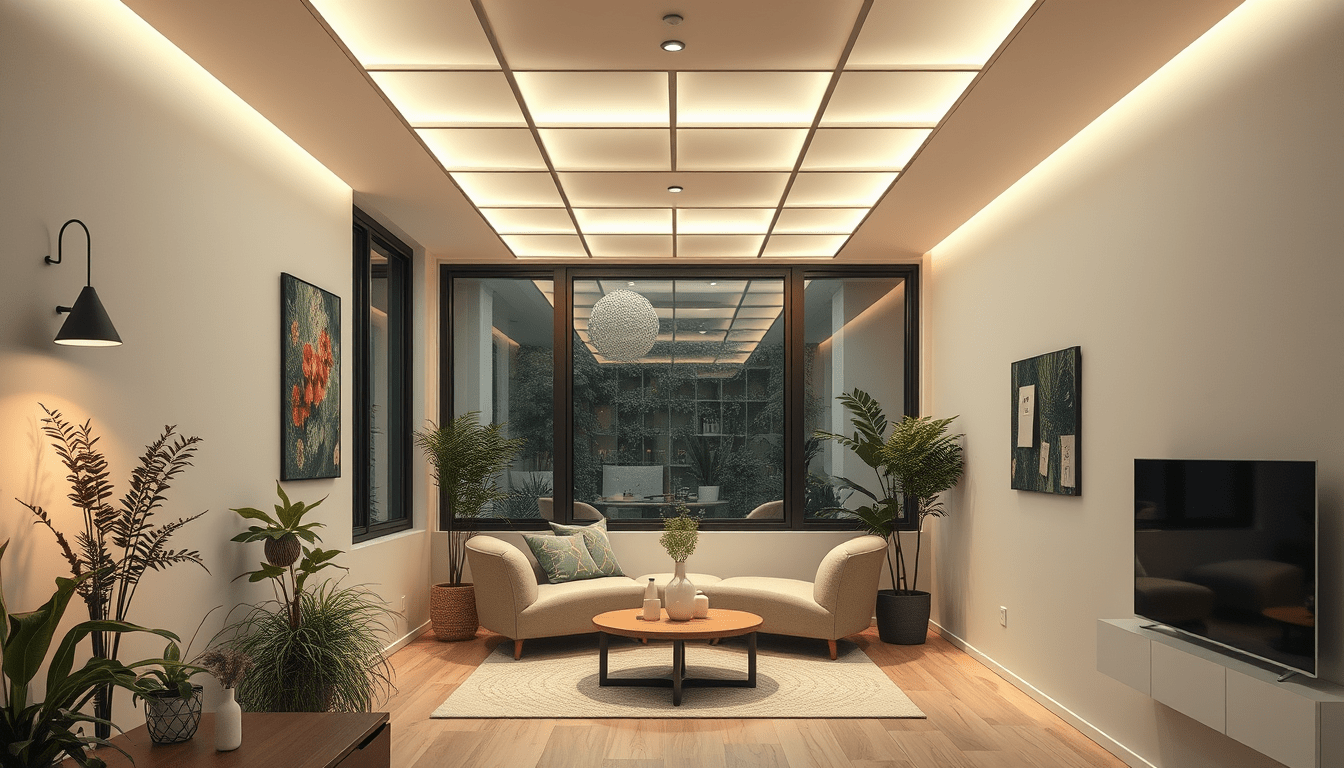
Ambient Biophilic Grids merge nature-inspired design with AI-driven lighting to optimize micro-interiors for wellbeing, focus, and mood across compact spaces.
Introduction
In modern urban living, interior lighting is a strategic design layer—not just illumination but a programmable ambiance that can adapt to how we live, work, and rest. This article expands on how biophilic grids, powered by AI, deliver layered lighting that responds to circadian rhythms and personal preferences, even in windowless or limited-window environments.
Why Biophilic Grids Matter in Micro-Interiors
Micro-interiors face unique challenges: limited square footage, multi-functional zones, and a need for daylight cues. Biophilic grids address these by weaving natural textures, warm color temperatures, and dynamic light patterns into one cohesive system. The result is a space that feels larger, healthier, and more adaptable to daily rhythms.
- Perceived space expands through layered lighting and shadows.
- Biophilic cues foster calm, focus, and restorative downtime.
- Smart zoning supports different activities without clutter.
Core Components of Ambient Biophilic Grids
Three foundational elements enable the magic: modular grids, biophilic cues, and AI-driven zoning. Each plays a distinct role in shaping space and mood.
- Modular grids: Flexible configurations that align with walls, ceilings, furniture, and architectural nichos.
- Biophilic cues: Wood tones, leaf motifs, water-inspired textures, and soft shadow play.
- AI-driven zoning: Per-zone intelligence that choreographs light layers for different tasks and times of day.
AI-Powered Layered Lighting: Ambient, Task, and Accent
The layered lighting model combines three tiers to create a living lighting environment. Each layer can be controlled independently yet synchronized for a cohesive scene.
- Ambient layer: Broad, soft illumination that defines the space and sets the mood.
- Task layer: Focused light for reading, cooking, crafting, or computer work.
- Accent layer: Subtle highlights that emphasize textures, art, or architectural features.
Personal Circadian Zonal Modes (PCZM)
PCZM personalizes light by aligning with circadian biology in different zones of the home. Zones are tuned to support specific activities while respecting natural rhythms.
- Morning energize: cool-white light with higher blue content to wake the body.
- Midday focus: balanced neutral white for productivity and clarity.
- Evening wind-down: warm amber tones to ease transition to rest.
- Custom profiles: per-user presets for different rooms or days of the week.
Design Principles for Micro-Interiors
- Biophilic textures: incorporate natural materials and patterns into fixtures and surroundings.
- Scalable grids: design for evolving layouts and changing furniture footprints.
- Seamless integration: hidden drivers, cables, and hubs create a clean aesthetic.
- Color psychology: warm white balance supports relaxation; cooler temps boost alertness for tasks.
- Energy-first mindset: intelligent dimming, occupancy sensing, and daylight-aware control.
Practical Implementation Guide
- Space assessment: map zones, daylight access, and primary activities.
- Fixture selection: opt for modular linear, panel, and pendant options that can scale with your space.
- AI routines: establish wake, work, and relax schedules, with room for flexibility.
- Circadian calibration: set color temperature curves by time of day and zone.
- Edge case planning: account for windows, reflectivity, and furniture placement.
- Testing and iteration: refine zone boundaries, brightness, and scene transitions.
Hardware, Tech, and System Architecture
Effective grids rely on a thoughtful mix of hardware and software components. The goal is reliability, ease of use, and compatibility with existing ecosystems.
- Modular luminaires: linear bars, panel modules, and decorative pendants that can reconfigure.
- Smart sensors: occupancy, ambient light, and motion sensors feed the AI engine.
- Control hubs: a central or distributed hub architecture for secure, fast orchestration.
- Lumen and CRI targets: plan for adequate brightness with high color rendering for accurate perception of color and texture.
- Wiring and cabling: concealed pathways that preserve aesthetics while enabling easy maintenance.
Case Studies: Small Space, Big Impact
Case Study 1 — A compact studio that blends living, working, and sleeping zones. Ambient grids generate daylight-like ambience in the main area while a focused task layer assists late-night reading.
- Zone 1: Kitchenette and desk with cool task lighting for daytime use.
- Zone 2: Living alcove with diffuse warm glow for evenings.
Case Study 2 — A tiny apartment with high reflectivity. A layered approach creates depth and warmth, countering the claustrophobic feel of small windows and reflective surfaces.
- Zonal transitions: gentle shifts between ambient and task layers as you move through space.
- Biophilic accents: subtle wood grain and plant palettes echoed in fixtures.
Maintenance, Longevity, and Reliability
Long-term performance depends on firmware updates, component quality, and routine maintenance. Plan for periodic checks of sensors, drivers, and color consistency to maintain the intended look and feel over years.
Accessibility and Inclusive Design
Design for all users by incorporating tactile feedback, high-contrast control interfaces, voice and app accessibility, and adjustable mounting heights. AI routines should be transparent and adjustable to accommodate diverse needs.
Sustainability and Energy Efficiency
Ambient Biophilic Grids optimize energy use by leveraging occupancy sensing, daylight harvesting, and intelligent scheduling. Materials selection prioritizes durability and low environmental impact, with emphasis on long life cycles and modular replacement rather than full‑system overhauls.
Future Trends and Emerging Technologies
Expect deeper biophilic integrations, higher fidelity circadian algorithms, and the fusion of wearables and mood sensing to personalize lighting in real time. As AI evolves, systems will anticipate user needs with even finer zoning and adaptive acoustics that harmonize light and sound for holistic environments.
Common Challenges and Troubleshooting
- Calibration drift: re-sync color temperature and brightness across zones after seasonal changes.
- Lighting comfort: balance ambient brightness to avoid glare on screens or in tasks.
- System latency: ensure hubs and sensors have robust network connectivity to minimize lag in scene changes.
- Accessibility gaps: verify that manual overrides are intuitive and visible in all lighting scenes.
FAQ
Q: Can these grids work with existing smart home ecosystems?
A: Yes, many systems are designed for compatibility with major platforms via standard protocols and open APIs.
Q: How long do fixtures typically last?
A: High-quality modular fixtures can last 50,000+ hours, with drivers and sensors rated for long service lives and periodic firmware updates extending longevity.
Q: Is this approach suitable for renters?
A: Yes, modular grids that are non-permanent, with plug-and-play controllers, can be removed with minimal wall impact while preserving the aesthetic for future spaces.
Conclusion
Ambient Biophilic Grids empower micro-interiors to breathe with nature and intelligence, delivering comfort, efficiency, and aesthetic cohesion. By combining modular layouts, biophilic cues, and AI-driven circadian zoning, small spaces become adaptable environments that support well-being and productivity throughout the day.
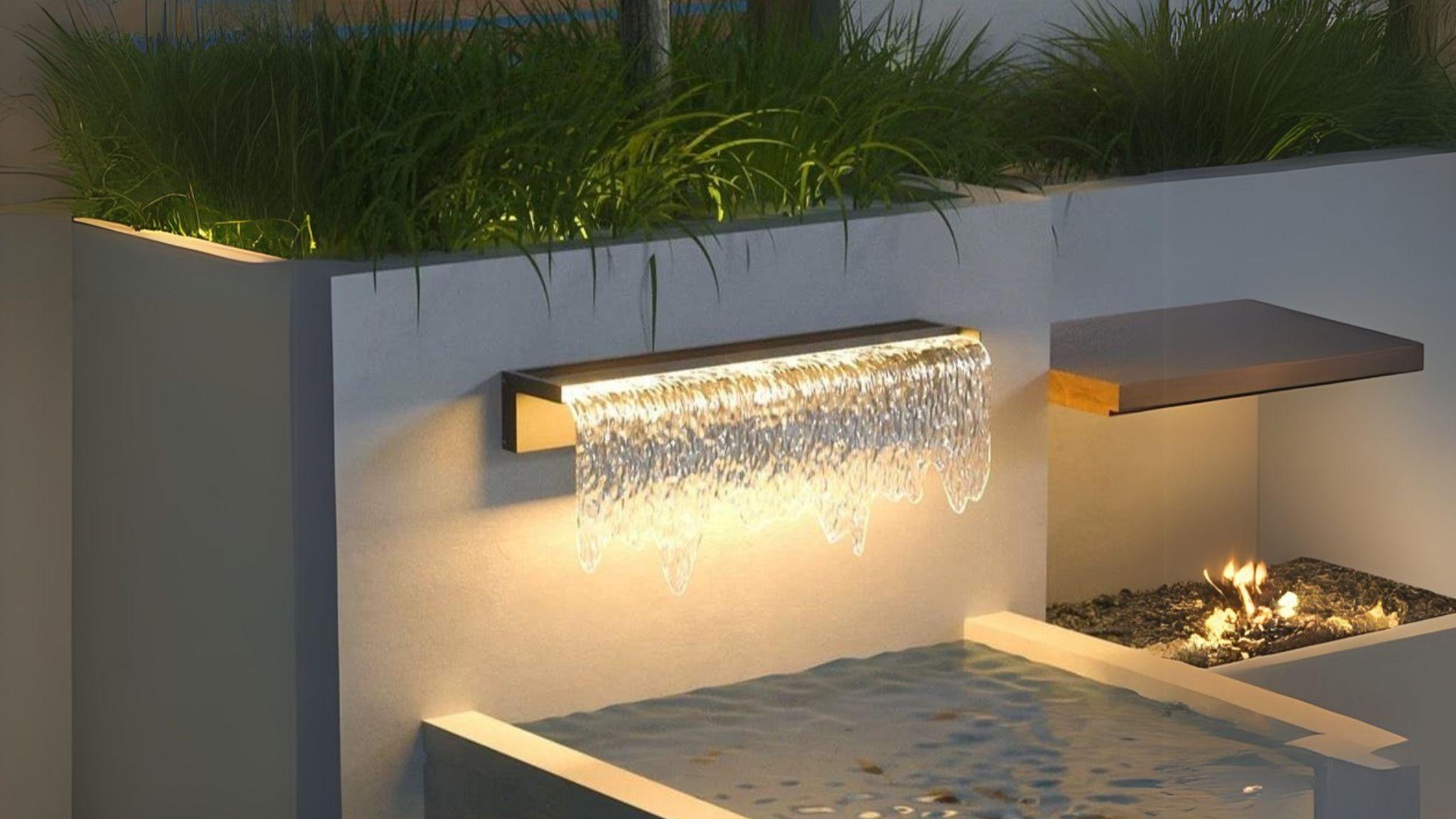
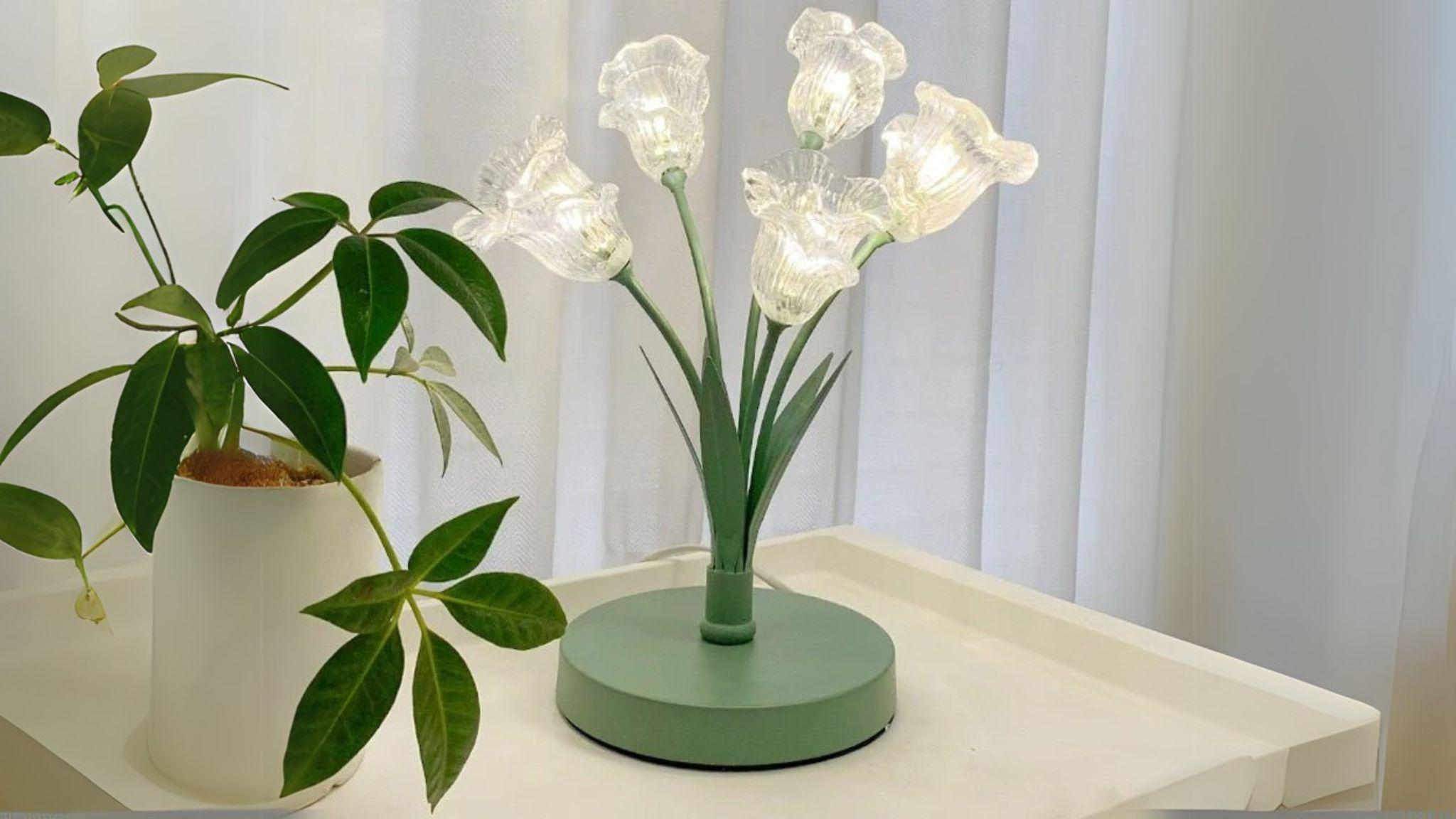
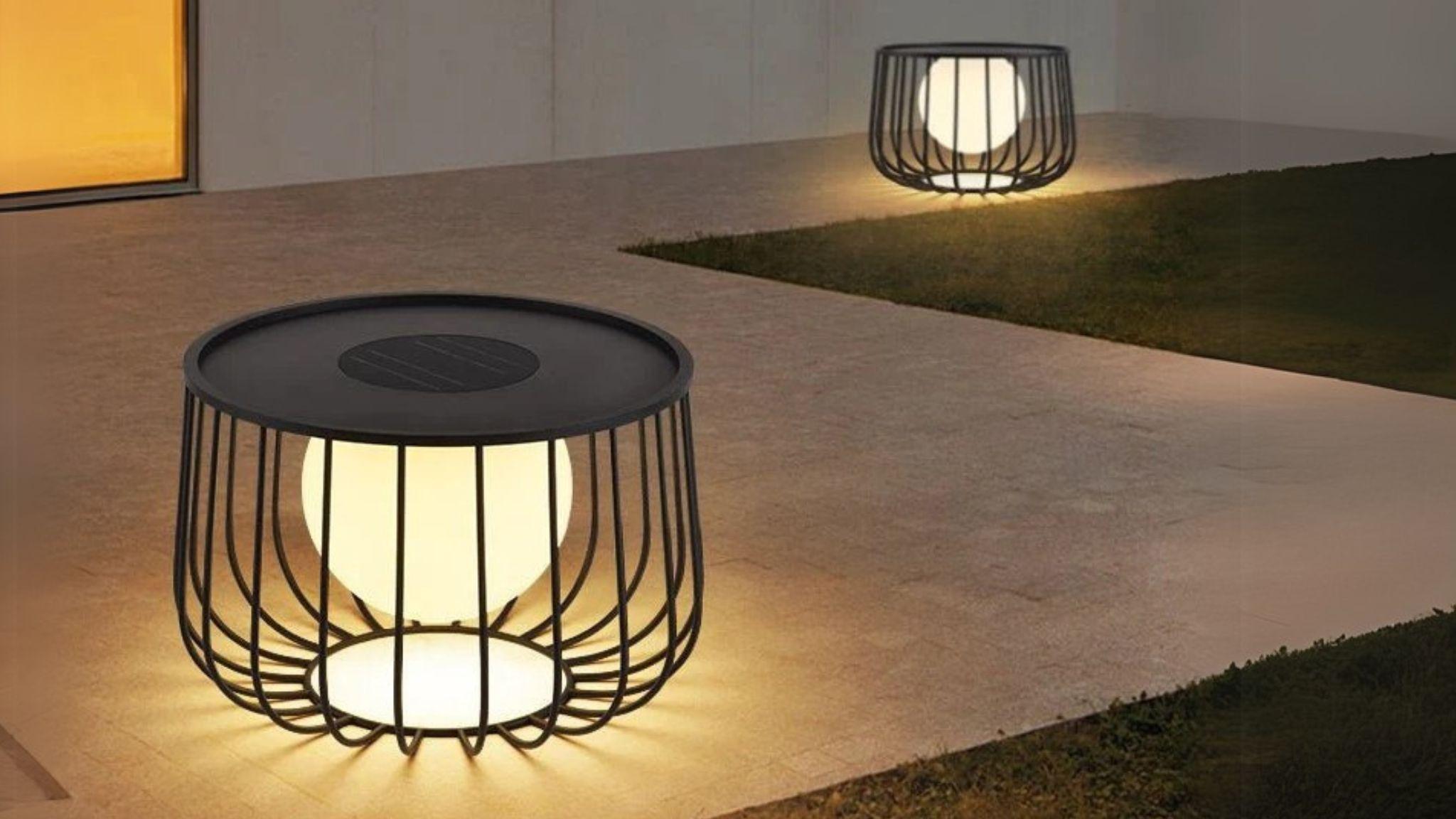
Visit XENTAR for more lighting, decor & furniture curated for modern homes and creative spaces.
Share:
Smart Biophilic Lighting Grids for Petite Spaces: AI-Optimized LEDs with Circadian Zonal Modulation
AI-Driven Biophilic Layering for Micro-Interiors: Circadian Zonal Lighting to Maximize Wellness and Space in Tiny Homes — Visit XENTAR for more lighting, decor & furniture curated for modern homes and creative spaces..