

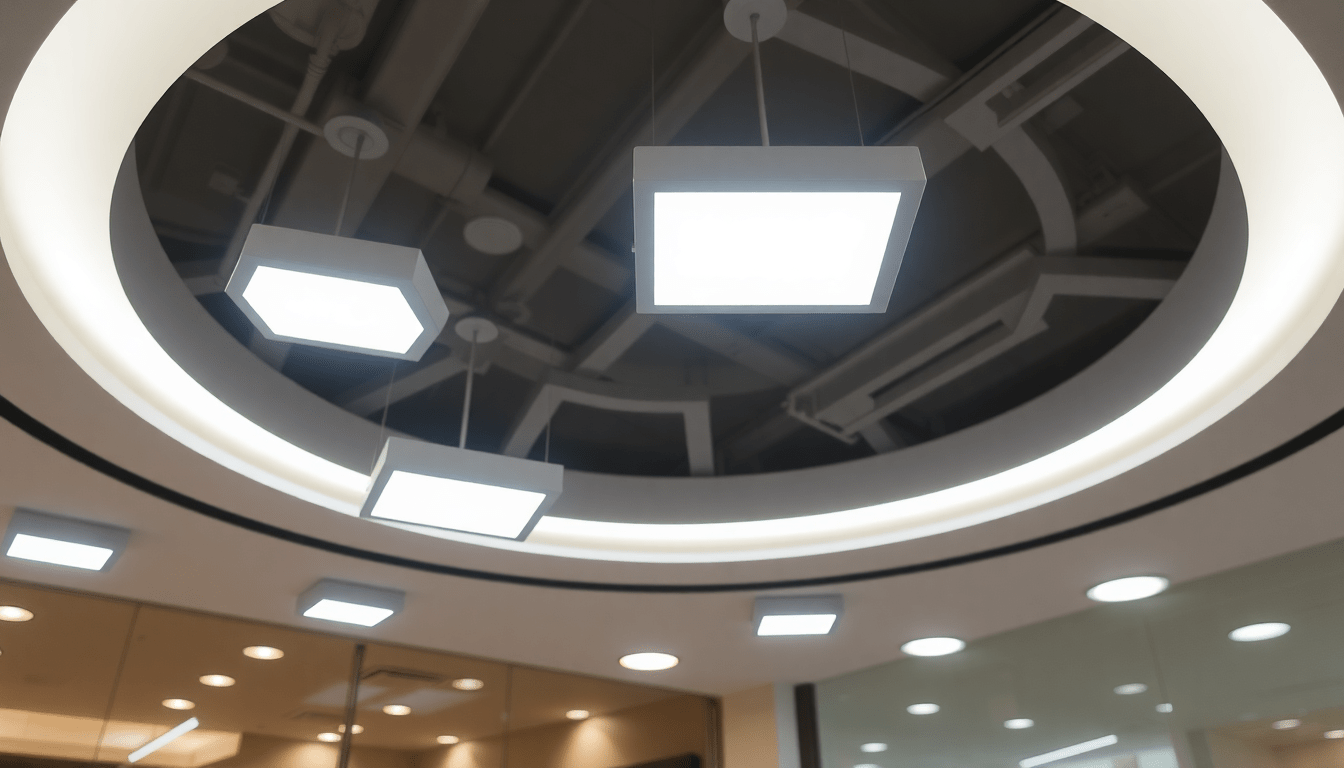
Compact AI layered LEDs deliver circadian wellness benefits and space-saving elegance for modern interiors.
Introduction: Why Micro-Unit Biophilic Lighting Matters in 2026
As urban living spaces shrink and wellness remains a top priority, micro-unit biophilic lighting offers a scalable solution. By combining AI driven layered LEDs with circadian zonal control, designers can create adaptive environments that boost mood, focus, and restorative sleep while preserving floor space and reducing clutter. This guide explores how to plan, spec, and install these systems for maximum impact.
AI-Driven Layered LEDs: Architecture, Capabilities, and Value
Layered LEDs bring multiple light channels into a single fixture or compact cluster. Each channel can serve a distinct purpose, enabling dynamic scenes that respond to time, occupancy, and user preferences. Core components include:
- Ambient channel for general illumination and mood
- Task channel with higher luminance for reading, cooking, or detailed work
- Accent channels that mimic daylight, biophilic textures, or color pops
- Circadian channel that shifts color temperature and intensity across the day
- Sensor suite and AI controller to orchestrate the layers
AI algorithms learn from occupancy patterns, natural daylight conditions, and user feedback to optimize energy use while maintaining visual comfort and wellness benefits. This approach reduces the need for bulky fixtures and enables flexible layouts in small rooms or adaptable spaces.
Circadian Zonal Control: Wellness by Schedule and Space
Circadian zoning divides a space into functional zones such as sleeping, working, and relaxing. Each zone receives tailored light profiles that align with human biology, supporting sleep quality, mood, and cognitive performance. Typical patterns include:
- Morning wake: cooler, brighter light with higher melanopic content to stimulate alertness
- Midday focus: balanced white with a touch of cool tint for clarity
- Evening winding down: warmer, dimmer light to cue relaxation
- Nighttime safety: low-level illumination with minimal blue content
Because the system is zone aware, you can keep a living room bright for gatherings while a bedroom zone gradually softens for sleep. This targeted approach improves circadian alignment without sacrificing flexibility.
Space-Saving Design: How Micro-Units Reclaim Floor Area
Modular, compact fixtures let designers build layered lighting without commanding ceiling height or floor space. Techniques to maximize space include:
- Recessed or ceiling-surface modules that disappear into architectural planes
- Suspended micro-lights arranged in grids for scalable depth and texture
- Hidden channels for clean cable management and minimal visual clutter
- Compatibility with living walls or biophilic inserts that integrate greenery with light
In practice, micro units enable flexible room configurations, multi-use furniture, and smarter storage solutions. The result is a calmer, more functional space that still feels expansive.
Biophilic Design: Merging Greenery, Texture, and Light
Biophilic lighting draws inspiration from nature, using color palettes, textures, and plant-inspired accents that resonate with human physiology. Design strategies include:
- Warm earth tones and daylight-like blues to mimic outdoor conditions
- Wall-mounted greenery or preserved moss to reflect nature in small spaces
- Natural materials for luminaires, such as wood veneers, stone-like finishes, or matte metals
- Light diffusion that recreates dappled shade or skylight patterns
When combined with circadian lighting, biophilic elements reinforce well-being, reduce stress, and create a more immersive living environment.
Key Design Parameters: Color Temperature, CRI, and Visual Comfort
Choosing the right metrics is essential for health and aesthetics. Consider:
- Color temperature range: 2700K to 6500K to cover warm evenings to daylight simulations
- Cri: high color rendering index (>90) for accurate color perception in artwork and textiles
- Dimming range: smooth, flicker-free dimming to preserve comfort during quiet hours
- Gamut and spectral power distribution that supports circadian cues
Layering channels should preserve depth and contrast while ensuring no single layer overwhelms the others, preserving a natural look and feel.
Smart Home Integration and Data Considerations
AI driven lighting often sits at the intersection of comfort and connectivity. Design considerations include:
- Compatibility with common platforms (Matter, Zigbee, Wi-Fi) for seamless control
- Data privacy and local processing options to minimize cloud reliance
- Voice and app interfaces that simplify scene creation and scheduling
- OTA updates to keep features current while maintaining security
Smart lighting should enhance daily life without introducing friction or privacy concerns, particularly in compact urban homes where space is at a premium.
Implementation Roadmap: From Concept to Commissioning
- Assess space and create a zoning plan that aligns with daily routines
- Choose modular fixtures capable of layering and circadian control
- Plan power distribution, cabling, and mounting to minimize visible infrastructure
- Program circadian schedules, occupancy triggers, and scene presets
- Test with occupants, gather feedback, and refine calibration
Materiality, Finishes, and Aesthetic Pairings
Material choices influence both performance and mood. Practical tips include:
- Use matte finishes to reduce glare and reflections in active work zones
- Pair warm metallics with natural wood for a grounded biophilic look
- Choose diffusers that deliver gentle, even light without hot spots
- Incorporate fabric or fiber textures for acoustic comfort alongside lighting
Finish and texture choices can dramatically affect perceived room size, warmth, and inviting atmosphere.
Case Studies: Real-World Scenarios in Small Apartments
Case study A: A 350 sq ft studio converted from a single ceiling fixture to a micro-unit biophilic system. The layered approach creates distinct zones for sleeping, working, and leisure, with circadian schedules that align with morning routines and evening wind-down. Result: improved sleep quality, daytime alertness, and a perception of greater space.
Case study B: A 500 sq ft duplex living area uses modular lighting to separate living and dining tasks while preserving an open feel. AI learns daily patterns to dim lights automatically during the late afternoon and brings up warmer tones at dusk, enhancing ambiance without manual input.
Shopping Guide: What to Look For When Buying a Micro-Unit System
- Clear indication of AI learning capacity and scene automation
- Circadian profiles and the ability to customize them for individual users
- Modularity and ease of installation, especially in retrofit scenarios
- Smart home compatibility, security features, and local processing options
- Quality of optics, diffusion, and color accuracy (CRI LM-80/LM-79 data)
- Warranty, serviceability, and availability of replacement parts
Trends Shaping 2026: Biophilic Lighting, AI, and Modular Systems
Industry movements emphasize wellness-forward lighting designs that adapt to human rhythms and living patterns. Notable trends include:
- Increased emphasis on circadian health and daylight simulation in urban homes
- More compact, scalable fixtures that suit micro-apartments and flexible spaces
- Greater integration of greenery with lighting and smart controls
- Enhanced data privacy controls and offline processing options
FAQ: Common Questions About Micro-Unit Biophilic Lighting
- What is circadian lighting and how does it impact wellbeing?
- Can these systems be retrofitted into existing rooms?
- Do AI features save energy without sacrificing comfort?
- What maintenance is required for modular lighting systems?
Conclusion: Toward a Healthier, Less Cluttered Home
Micro-unit biophilic lighting represents a practical, scalable approach to wellness in compact spaces. By weaving AI driven layered LEDs with circadian zoning, designers can deliver adaptable ambiance, improved well-being, and simpler installation without compromising style.
Visit XENTAR for more lighting, decor & furniture curated for modern homes and creative spaces.
Share:
Micro-Home Biophilic Lighting Redefined: AI-Powered Layered LEDs with Circadian Zonal Control for Small Spaces
Smart Biophilic Lighting Grids for Petite Spaces: AI-Optimized LEDs with Circadian Zonal Modulation