

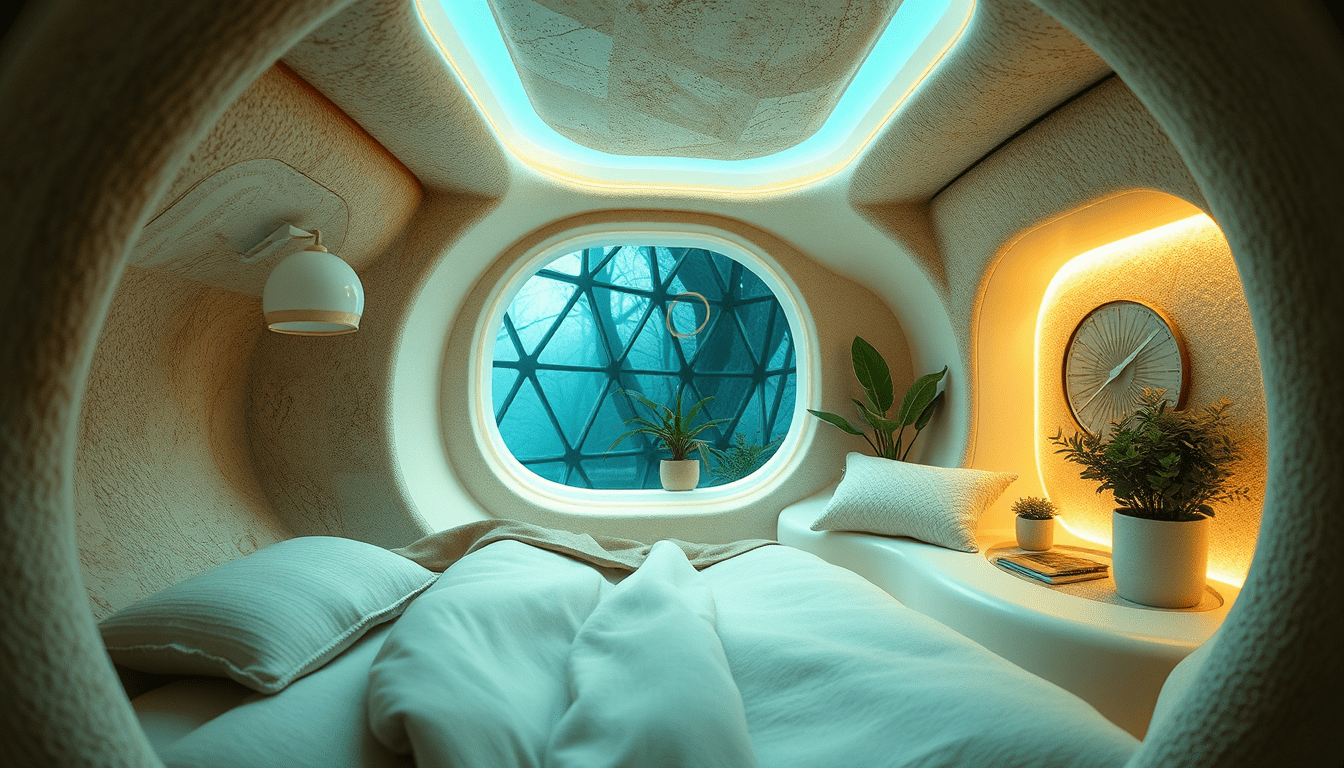
Small spaces deserve big ambiance with smart ambient lighting, biophilic textures, and AI mood scenes tailored for micro-interiors.
Introduction: Small Rooms, Big Impact
Petite spaces present a unique design challenge: how to maximize perceived size, functionality, and mood without clutter. The answer increasingly lies in intelligent lighting that feels invisible, yet transformative. By blending biophilic textures with AI-driven mood scenes, you can craft micro-interiors that are serene, adaptable, and visually expansive. This guide explores practical strategies, from the three-tier lighting system to texture play, color palettes, and smart tech that scales with your space.
Maximizing Petite Spaces with Intelligent Lighting
In micro-interiors, layering light is essential. Use a disciplined four-axis approach: ambient base light, task illumination, accent highlights, and decorative glow. When each layer knows its job, you create depth without adding bulk.
- Layered lighting: ambient, task, accent, and decorative glow to carve depth without ceiling clutter
- Quiet, slim-profile fixtures that vanish into walls, shelves, or coves
- Tunable white and smart color scenes that shift mood with the time of day
- Precise dimming ranges to maintain glare-free zones for reading or computing
Biophilic Textures: Bringing Nature Into Micro-Interiors
Biophilic design thrives on texture, pattern, and natural colors that calm the nervous system and visually expand space. Use lighting to amplify these textures, not compete with them. The goal is tactile light that reveals grain, weave, and organic form.
- Natural wood grain veneers on cabinetry or wall panels to warm reflections
- Vertical greenery, moss panels, or botanical wallpaper as focal accents that catch the eye
- Textured ceramics, stone-inspired surfaces, and woven fabrics that create tactile contrast
- Soft, diffuse finishes on fixtures to avoid harsh hotspots while highlighting texture
AI Mood Scenes: Personalize Ambience On Demand
AI-powered scenes adapt lighting to daily rhythms and activities. When paired with a smart home platform, they reduce decision fatigue and help maintain consistency in small spaces where every choice matters.
- Preset moods: Morning Energize, Daytime Focus, Evening Unwind, Entertaining
- Auto-dimming and color-temperature shifts to support circadian rhythms and eye comfort
- Context-aware automation: lights respond to occupancy, ambient light levels, and user activity
Smart, Scalable Lighting Solutions for Small Rooms
Choose fixtures that scale with your space and integrate into a cohesive system. Prioritize compatibility with Matter or Zigbee, robust dimming, and stable connectivity to avoid gaps in coverage in tight layouts.
- Slim recessed linear lights or wall-wash strips to keep ceilings feeling airy
- Modular lamps and plug-in options that upgrade without rewiring
- Low-profile hubs and edge devices to minimize network load and latency
- Quiet mounting hardware that preserves floor space and avoids visual clutter
Color, Texture, and Material Palettes for Small Spaces
Light-reflective surfaces and restrained color palettes help micro-interiors feel larger and calmer. Use light to sculpt texture rather than saturate color.
- Glassy or satin finishes to bounce light and soften shadows
- Soft whites, warm beiges, and cool grays with expansive undertones
- Texture contrasts: matte walls with glossy fixtures and metallic accents
Practical Setups: 5 Micro-Interior Configurations You Can Copy
- The Window Nook Glow: a slim line lamp and daylight-balanced overhead fixture to maximize natural light while preserving privacy.
- The Wall Gallery Glow: a vertical light wall with biophilic panels and a tunable LED strip to echo art and reduce glare.
- The Floating Surface Scene: a modular shelf with under-shelf LED strips and a compact task lamp for reading and display.
- The Corner Retreat: a corner floor lamp paired with a cove light to soften angles and extend sightlines.
- The Mirror-Light Duo: a mirror with integrated backlight to amplify daylight and create visual depth.
Managing Natural Light & Room Geometry
Design around windows and architectural nooks to reduce glare and maximize daylight. Use translucent fabrics, mirrors, and reflective surfaces to extend the sense of space without adding furniture.
- Position fixtures opposite windows to bounce sunlight deeper into the room
- Place task lighting near work zones to minimize shadows on screens and tablets
- Prefer wall-mounted or ceiling-surface fixtures to preserve floor space and keep sightlines clean
Maintenance, Privacy, and Security for Smart Lighting
Future-proof your system with regular updates and secure practices. In small environments, local control and minimal cloud exposure protect privacy while preserving performance.
- Use strong, unique passwords and enable two-factor authentication where available
- Schedule firmware updates during off-peak hours to avoid disruption
- Favor local control or edge devices to reduce reliance on cloud access
Design Workflows: From Concept to Reality
Turn theory into practice with a simple workflow that suits petite spaces:
- Audit daylight: observe how light moves across the room at different times of day
- Define zones: identify tasks, storage, and display areas that require dedicated lighting
- Choose a core system: pick a smart platform with broad device compatibility
- Prototype quickly: start with a single wall-wash and a couple of modular lamps, then scale
- Refine based on use: adjust color temperatures, dimming curves, and presets after a week of living with the setup
Case Studies: Tiny Rooms Made Spacious by Lighting Design
Explore real-world micro-interiors where ambient lighting and texture choices changed the feel of the space. In each case, the emphasis is on lightweight, scalable solutions that do not overwhelm the footprint.
- Case A: 75-square-foot studio uses a slim cove light, under-shelf LEDs, and a biophilic wall to visually expand the room
- Case B: 120-square-foot corner apartment leverages a vertical light wall and reflective surfaces to double perceived space
- Case C: Narrow hallway living zone integrates a modular lamp system with soft white and warm accents for a seamless transition between zones
Technologies Driving the Future of Petite Interiors
Technology that respects space tends to be modular, wireless, and adaptive. The most effective systems for micro-interiors focus on reliability, ease of use, and the ability to scale as space or needs grow.
- Matter and Zigbee compatibility ensure a broad device ecosystem
- Edge-based processing reduces cloud latency and preserves privacy
- Smart dimmers with tunable white and color options provide dynamic mood control
- Voice and app triggers enable hands-free adjustments without visual clutter
Color Theory and Light: Crafting Calm in Small Rooms
Light not only reveals color; it sets the emotional tone of a space. Choose color strategies that enhance perceived size and comfort:
- Warm neutrals paired with gentle cool accents to create a balanced, expansive feel
- Mid-tone woods and natural textures to ground the room while reflecting light
- Monochrome palettes with subtle pops of color for focal points without chaos
The Mindful Use of AI: Comfort, Focus, and Social Spaces
AI mood scenes should support daily life without turning lighting into a complexity burden. The best systems learn from routine and adapt over time, providing a consistent ambient baseline while allowing occasional creative experiments.
- Learning routines that finalize lighting scenes after a week of use
- Energy-efficient presets that reduce electricity use while maintaining comfort
- Interoperability with existing devices so you don't need a complete overhaul
Implementation Checklist for Petite Interiors
Before you buy, walk through this concise checklist to ensure the system meets your space and lifestyle needs:
- Measure rooms and plan lighting zones with a lightweight grid
- Choose a primary lighting controller and ensure everything else is compatible
- Test daylight behavior at different times of day and seasons
- Decide on a color temperature strategy: warmer for relaxation, cooler for focus
- Plan for future upgrades with modular, reversible components
Conclusion: Design Confidence for Petite Interiors
Smart ambient lighting, when paired with biophilic textures and AI mood scenes, empowers micro-interiors to feel airy, adaptable, and inviting. Start with a small, well-planned setup, iterate quickly, and let the lighting recede into the background while mood and function take center stage.
Visit XENTAR for more lighting, decor & furniture curated for modern homes and creative spaces.
Share:
Biophilic Circadian Lighting for Tiny Homes: AI-Driven Layered LEDs for Wellness in Micro-Interiors — Visit XENTAR for more lighting, decor & furniture curated for modern homes and creative spaces.
Adaptive Biophilic Ambient Lighting for Urban Micro-Homes: AI-Driven Layered LEDs with Circadian Zonal Control — Visit XENTAR for more lighting, decor & furniture curated for modern homes and creative spaces..