

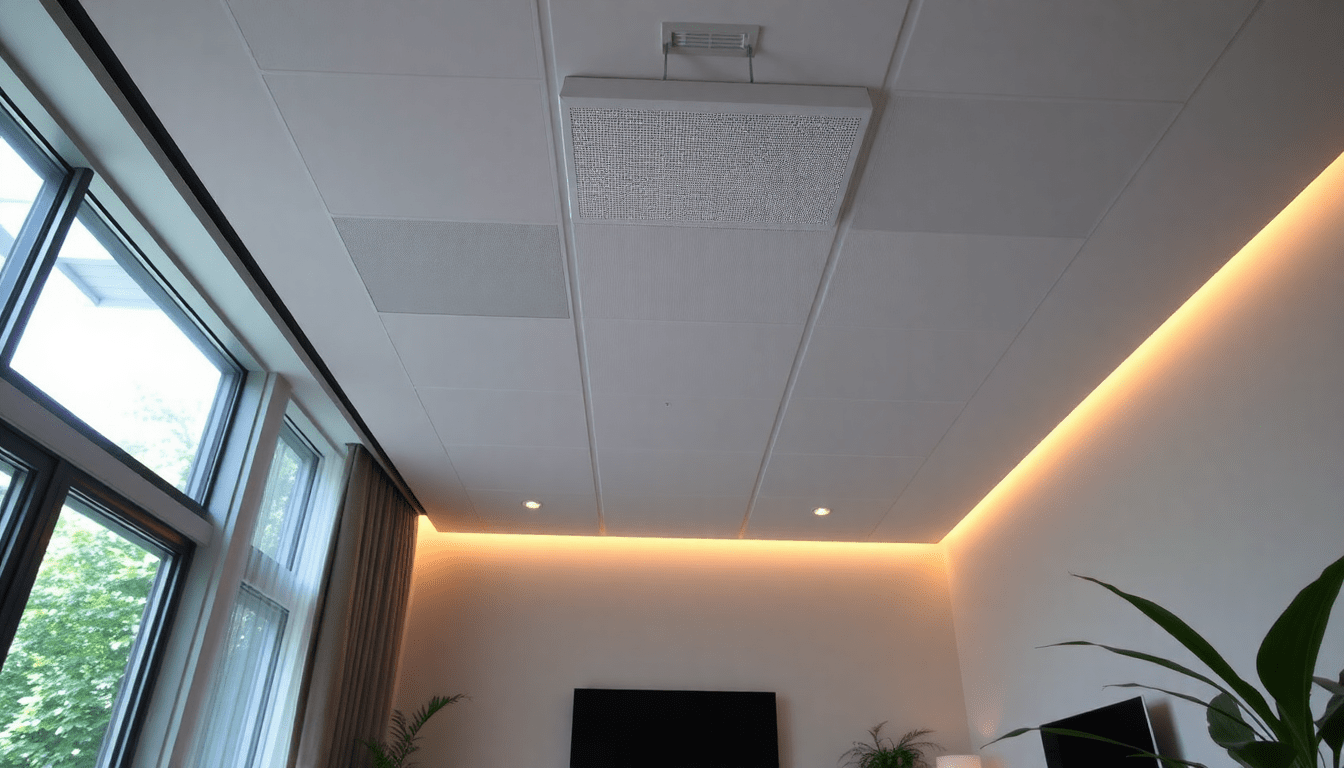
In compact homes, light should adapt to daily life, not dominate space. A modular ambient lighting approach—rooted in biophilic layering and powered by adaptive smart controls—delivers calm, flexibility, and energy efficiency without clutter.
Key benefits of modular ambient lighting in small spaces
Modular systems offer scalability, quick upgrades, and resilient performance in tight footprints. They enable you to reconfigure zones as living patterns change, maintain ceiling height perception, and reduce visual noise while maintaining a warm, inviting atmosphere.
- Scalable layouts that grow with your needs
- Low-profile, plug-and-play fixtures that minimize visual clutter
- Consistent aesthetic through cohesive color temperature and drivers
- Simple maintenance and future upgrades without rewiring
Biophilic layering: bringing nature indoors through light
Biophilic lighting goes beyond bright walls—it's about how light interacts with texture, color, and living elements. Layering ambient, task, and accent lighting creates a dynamic, nature-inspired atmosphere that reduces stress and supports wellbeing in small homes.
- Warm ambient light that mimics daylight progression
- Soft shadows to reveal architectural details and plant textures
- Plant-friendly lighting cues: spectrum, intensity, and direction that support growth and mood
Adaptive smart controls: circadian rhythms, occupancy, and daylight harvesting
Adaptive controls tailor illumination to people, time, and activity. A single modular circuit can host multiple scenes that shift with circadian rhythms, occupancy, and natural daylight, lowering energy use while maintaining a soothing interior.
- Circa-friendly color temperatures (2700K–4000K) with smooth dimming
- Occupancy sensing and daylight harvesting to reduce waste
- Scenes for work, relaxation, and nighttime routines synchronized with smart ecosystems
Design playbook for compact spaces
Practical layouts maximize impact without clutter. Focus on modular units that work in tracks, grids, or wall-mounted clusters to keep floors clear and space flexible for furniture rearrangements.
- Ceiling and wall-mounted modules to preserve floor area
- Linear profiles and recessed channels for seamless integration with ceilings and walls
- Zoned control so every area can be independently lit or dimmed
Color temperature, brightness, and ambience
Color temperature influences how spaces feel. For calm interiors, blend warm ambient light (2700–3000K) with cooler task light (3500–4000K) in distinct zones. High CRI values (≥90) ensure true color rendering, which enhances perceived space and material depth.
- Ambient: 2700K–3000K, dimmable
- Task: 3500K–4000K for clarity on work surfaces
- Accent: subtle color accents at low intensity to enrich texture
Layered lighting plan: ambient, task, and accent in harmony
Rather than a single overpowering light, a layered approach distributes glow and task focus. In compact homes, the aim is to create soft general illumination with precise task light where needed and thoughtful accents to guide the eye.
- Ambient: diffuse ceiling or cove lighting to fill the room
- Task: desk lamps, under-cabinet strips, or adjustable wall sconces
- Accent: plant uplights, artwork halos, or architectural highlights
Installation guidelines and best practices
Implementing modular ambient lighting in a compact home involves careful planning and execution. Start with a zoning map, then choose dimmable, flicker-free LED modules with compatible drivers and a central controller.
- Map zones by function: living, kitchen, bedroom, and work nooks
- Choose modular, flicker-free LEDs with reliable drivers
- Plan a central hub or app for synchronized scenes
- Calibrate color temperature and brightness per zone
- Organize cables and access points for future upgrades
Case study: a compact urban studio layout
Consider a 350–400 square-foot urban studio with a defined living area, kitchenette, and sleeping niche. A modular ceiling track guides light to task surfaces, plants, and artwork. A wall-washed ambient module provides gentle general light, while a corner uplight adds perceived height. In the sleeping area, a warm, dimmable lamp supports circadian-friendly routines.
- Living area: indirect cove lighting plus a reading lamp
- Kitchen: under-cabinet strips and a central overhead glow
- Bedroom: warm ambient with a separate dimmable night light
Smart tech, energy savings, and future-proofing
Smart lighting platforms unlock automation, voice control, and interoperability with other devices. LEDs offer longevity and efficiency, especially when combined with daylight harvesting and occupancy sensing. Expect seamless updates as technology evolves.
- Energy-efficient LEDs with long lifespans
- Timed scenes and occupancy-based dimming reduce energy waste
- Modular components support affordable upgrades and upgrades
Maintenance, durability, and aesthetics
Prioritize longevity with high-quality drivers, replaceable modules, and anti-glare lenses. A restrained color palette and modular fixtures maintain a calm, cohesive look over time.
- Interchangeable modules to accommodate future tech
- Dust-resistant housings and easy-to-clean surfaces
- Simple mounting options for quick refreshes
Seasonal design considerations and energy planning
Seasonality affects daylight availability and daily routines. Adapt your scenes to shorter days in winter and longer daylight in summer by adjusting brightness ramps, color temperature shifts, and occupancy schedules to sustain comfort and energy savings.
- Winter: warmer temperatures and higher brightness in mornings
- Summer: cooler daylight tones that align with longer daylight hours
- Seasonal sensors to automatically adjust scenes
Economic and sustainability considerations
While modular systems can have higher upfront costs, long-term ROI comes from reduced energy use, extended lamp life, and easier maintenance. Sustainable choices include high-CRI LEDs, recyclable materials, and components designed for easy disposal or upgrades.
- Initial investment vs. long-term energy savings
- Quality drivers and modular components extend life
- Materials and finishes chosen for longevity and ease of cleaning
Accessibility and inclusive design
Lighting should be usable by everyone. Consider glare control, uniform distribution, and tactile or app-based controls to support accessibility needs without compromising aesthetics.
- Glare mitigation through diffusers and appropriate lensing
- Uniform illuminance in work zones
- Voice and app control for ease of use
Future-proofing your lighting system
Plan for upgrades by choosing standardized drivers and modular fixtures that can be replaced or expanded without rewiring. A future-ready system accommodates new sensors, AI-driven scene optimization, and evolving smart-home standards.
- Standardized communication protocols
- Firmware update paths and modular hardware
- Open APIs for third-party integrations
Implementation roadmap: from assessment to installation
Use a phased approach to minimize disruption and ensure a cohesive result. Start with a cart of essential components, then expand as needs emerge. Document zone testing and calibration for reproducible results.
- Audit spaces and list lighting tasks per zone
- Choose modular fixtures and a central controller
- Install tracks, mounts, and drivers with cable management in mind
- Calibrate color temperature, brightness, and scene timings
- Test comfort, energy use, and ease of use; iterate
Real-world tips for designers and homeowners
Small-space lighting benefits from minimalism paired with thoughtful layering. Keep fixtures coherent in scale, surface finishes, and color temperature while embracing organic textures and natural materials to reinforce biophilic connections.
- Choose fixtures with slim profiles and matte finishes to reduce glare
- Use warm, natural materials like wood, stone, or linen to soften light diffusion
- Incorporate plant lighting that supports greenery without overheating
Conclusion: evolving with life in a compact home
The fusion of modular ambient lighting, biophilic layering, and adaptive smart controls offers a scalable path to calm, energy-efficient interiors. As your small space evolves—whether a solo urban apartment or a compact family home—the lighting system should flex with it, supporting daily rituals and seasonal changes alike.
Visit XENTAR for more lighting, decor & furniture curated for modern homes and creative spaces.
Share:
Three-Dimensional Ambient Lighting for Tiny Homes: Layered Modular Systems with Biophilic Accents and Personalizable Smart Controls
Smart, Space-Saving Lighting for Tiny Homes: Modular Ambient Layers, Daylight-Reproducing LEDs, and Adaptive Controls