

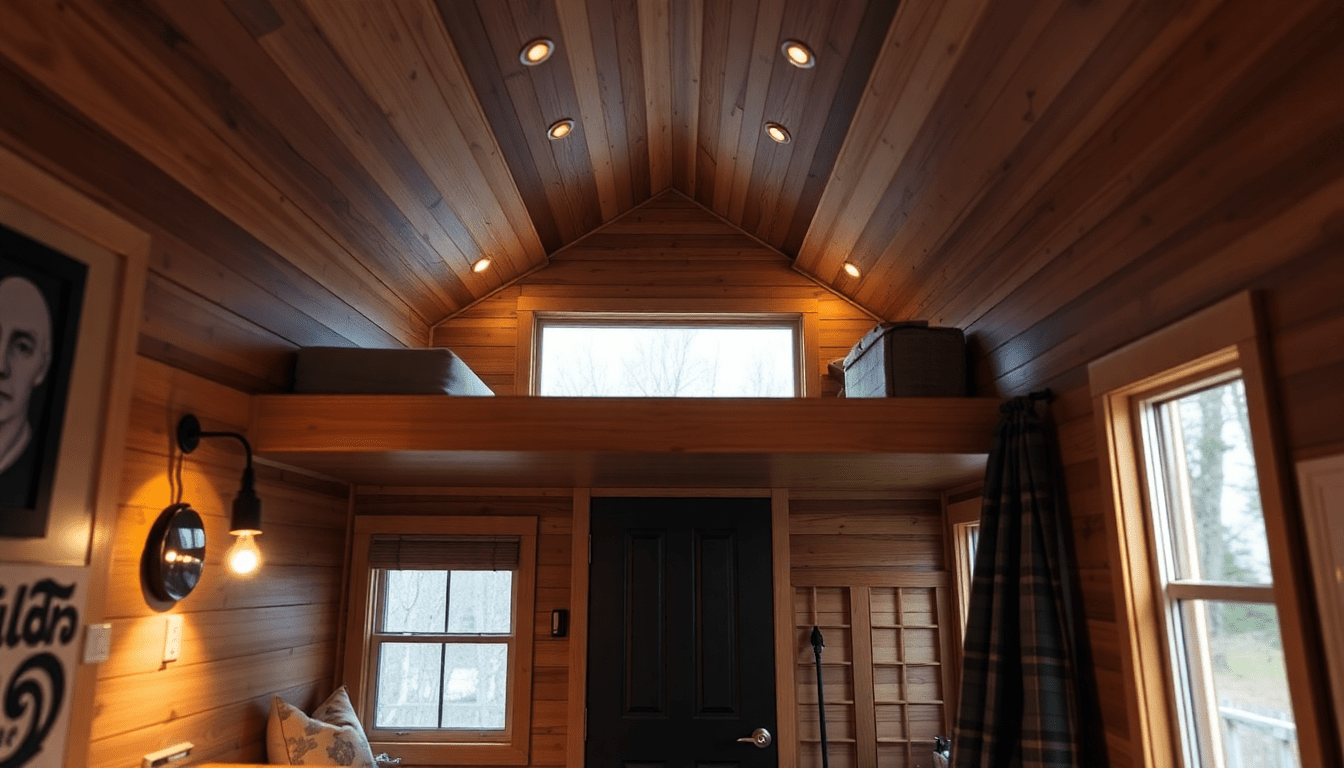
Discover modular, daylight-mimicking lighting that saves space and adapts to daily living in tiny homes.
Why Tiny Homes Demand Smart Lighting
In compact spaces, lighting does more than illuminate — it shapes how you move, feel, and operate. Smart lighting helps tiny homes feel larger, more comfortable, and energy efficient by reducing glare, defining zones, and adapting to daily rhythms. When designed with intention, lighting becomes architectural material that breathes with the occupants.
- Maximize perceived space with evenly distributed ambient light that softens shadows and creates depth.
- Reduce clutter by choosing fixtures that hide in plain sight or double as architectural details.
- Create distinct zones (living, sleeping, kitchen) without walls using layered lighting and smart controls.
- Conserve energy with LEDs and adaptive schedules that respond to occupancy and daylight.
- Support seasonal design shifts with tunable color temperature and dynamic scenes.
Modular Ambient Layers: Flexible, Space-Saving Lighting
Modular ambient layers let you assemble lighting in ways that adapt to evolving layouts. Think of light as a modular system you can rearrange, conceal, and refresh without moving walls.
- Ambient layer: slim coves, wall-washes, or ceiling panels to softly bathe the room and reduce contrast.
- Task layer: fold-out pendants, under-cabinet strips, or magnetic track modules for cooking prep, reading, and craft work.
- Accent layer: targeted highlights for art, plants, or architectural features to add depth and personality.
- Modularity: components snap, stack, or magnetically attach for effortless reconfiguration as needs shift.
- Concealment options: hidden channels and retractable fixtures that preserve sightlines and plinth space.
Daylight-Reproducing LEDs: Mimicking Natural Light
Daylight-reproducing LEDs emulate natural daylight to boost mood, color fidelity, and task accuracy. In tiny spaces, this means brighter mornings and calmer evenings without glare or eye strain.
- Color temperature: tunable white from 2700K to 6500K to reflect time of day and season.
- High CRI (90+) ensures fabrics, cabinetry, paintings, and decor look true to life.
- Dimmable and flicker-free for comfort, with smooth transitions between scenes.
- Strategic placement: place daylight layers near windows, work surfaces, and seating zones for balanced illumination.
- Circadian-friendly options: cycle warm cues at night to support sleep, and cooler cues in the morning for alertness.
Adaptive Controls: From Manual to Smart, Scalable
Adaptive controls redefine how you manage light. Scheduling, scenes, and remote access let tiny homes feel larger by coordinating light with daily routines and external conditions.
- Occupancy sensors to turn lights off when spaces are empty, cutting energy use.
- Daylight sensors to trim artificial output when natural light suffices.
- Zoned control to create distinct scenes for living, cooking, and sleeping without extra switches.
- Smart home compatibility with voice assistants and mobile apps for routines and automation.
- Scalability: begin with a core setup and expand as needs evolve, without reworking walls or furniture.
Design Strategies for Tiny Homes
In tiny homes, color, reflectivity, and line work interact with light to amplify space. Use mirrors, glass, and high-reflectance finishes to bounce light, while keeping fixtures slim and low-profile to preserve headroom and sightlines.
- Choose light-colored walls and glossy or satin finishes to reflect more ambient light.
- Prefer recessed, surface-mounted, or thin-profile fixtures to maintain floor area and airflow.
- Incorporate lighting within furniture or shelving to free wall space and reduce surface clutter.
- Layer lighting: ambient + task + accent to create flexible moods and zones without additional walls.
Practical Installation and Maintenance Considerations
Plan for accessible wiring, minimal drilling, and safe routing in compact builds. Prioritize components with long life, simple replacements, and robust warranties.
- Develop a lighting plan mapping zones, modules, and control points before installing fixtures.
- Place fixtures where maintenance is easy, even if LEDs rarely require bulb changes.
- Use energy-efficient drivers and dimmers compatible with your control system.
- Account for weight, cable management, and heat dissipation in ceiling channels and shelves.
Case Study: Tiny Home Lighting Plan
Consider a 280–320 sq ft tiny home. A practical plan might include a slim ceiling cove for ambient light, two modular tracks for living and kitchen areas, daylight-reproducing LEDs near work surfaces, and motion-detecting lighting in entry and hallway. Layered controls enable a bright “Day” scene for tasks and a warm “Cozy” scene for evenings.
- Ambient: 2–3 low-profile recessed fixtures or coves
- Task: 2 under-cabinet strips and a fold-down pendant
- Accent: 1 wall-wash or shelf light
- Controls: 1 entry motion sensor, 1 daylight sensor by windows, 1 smart hub for scenes
Budgeting and ROI for Tiny Home Lighting
Investing in modular ambient layers and daylight-reproducing LEDs pays off through reduced energy use, lower replacement costs, and improved daily usability. Plan for total installed cost, long-term energy savings, and potential rebates or utility incentives for LED retrofits.
- Estimated costs: modular modules and drivers can range depending on brand and complexity; expect higher upfront costs with scalable systems.
- Energy savings: LEDs reduce wattage while increasing perceived brightness, especially with daylight-tuned layers.
- ROI: typically realized within a few years through lower electricity bills and longer fixture lifespans.
Smart Home Integration: Routines, Security, and Convenience
Integrating lighting with smart home ecosystems adds convenience and security. Routines that simulate occupancy during travel, automatic dimming at night, and daylight-based lighting adjustments all contribute to a more comfortable, energy-efficient home.
- Scenes: create “Morning,” “Work,” “Relax,” and “Sleep” presets that adjust multiple zones at once.
- Voice and app control: adjust lighting from anywhere, set schedules, or trigger scenes with sensors.
- Security considerations: keep communications encrypted and use local control options where possible for privacy.
Seasonal Design Trends for 2026
Seasonal shifts influence color temperature, brightness preferences, and fixture finishes. Expect a rise in eco-friendly materials, matte black or warm metallic accents, and adaptable fixtures designed for small, multi-use spaces.
- Color trends: warm neutrals with cool accents to balance daylight layers.
- Finish consistency: match hardware across fixtures for a cohesive look.
- Adaptive finishes: fixtures designed to blend into ceilings and shelves while remaining accessible for maintenance.
Aesthetics, Materials, and Finishes
Choose materials and finishes that complement tiny home interiors while maximizing light performance. Reflective, lightly textured surfaces help spread light more evenly, while slim-profile enclosures keep sightlines clean.
- Materials: aluminum, painted metal, frosted acrylic, and glass elements with low glare.
- Finishes: white, soft gray, or warm metallics that coordinate with cabinetry and walls.
- Optics: lenses and diffusers that soften output without washing out color fidelity.
Common Pitfalls and How to Avoid Them
Avoid common mistakes that hinder tiny-home lighting: overcomplication, misaligned color temperatures, and poor heat management. Plan for a few modular layers first, then expand as needed.
- Don’t overspec: start with essential ambient, task, and a single accent layer.
- Match color temperature across zones to prevent jarring transitions.
- Ensure adequate heat dissipation and proper wiring to prevent reliability issues.
Maintenance, Replacement, and Longevity
With LEDs and modular systems, maintenance is typically straightforward. Keep a simple spare parts kit, ensure quick-connect harnesses, and store replacement modules for future refreshes.
- Routine checks: verify seals, mounting stability, and sensor alignment.
- Spare parts: maintain a small inventory of drivers and modules that are most likely to fail.
- Cleaning: use non-abrasive cleaners to avoid clouding diffusers or insulting reflective surfaces.
Conclusion: A New Paradigm for Tiny Living
Smart, space-saving lighting with modular ambient layers, daylight-reproducing LEDs, and adaptive controls offers a richer, more flexible, and energy-efficient way to light tiny homes. It makes small spaces feel larger, more functional, and incredibly comfortable to live in—today and as your needs evolve.
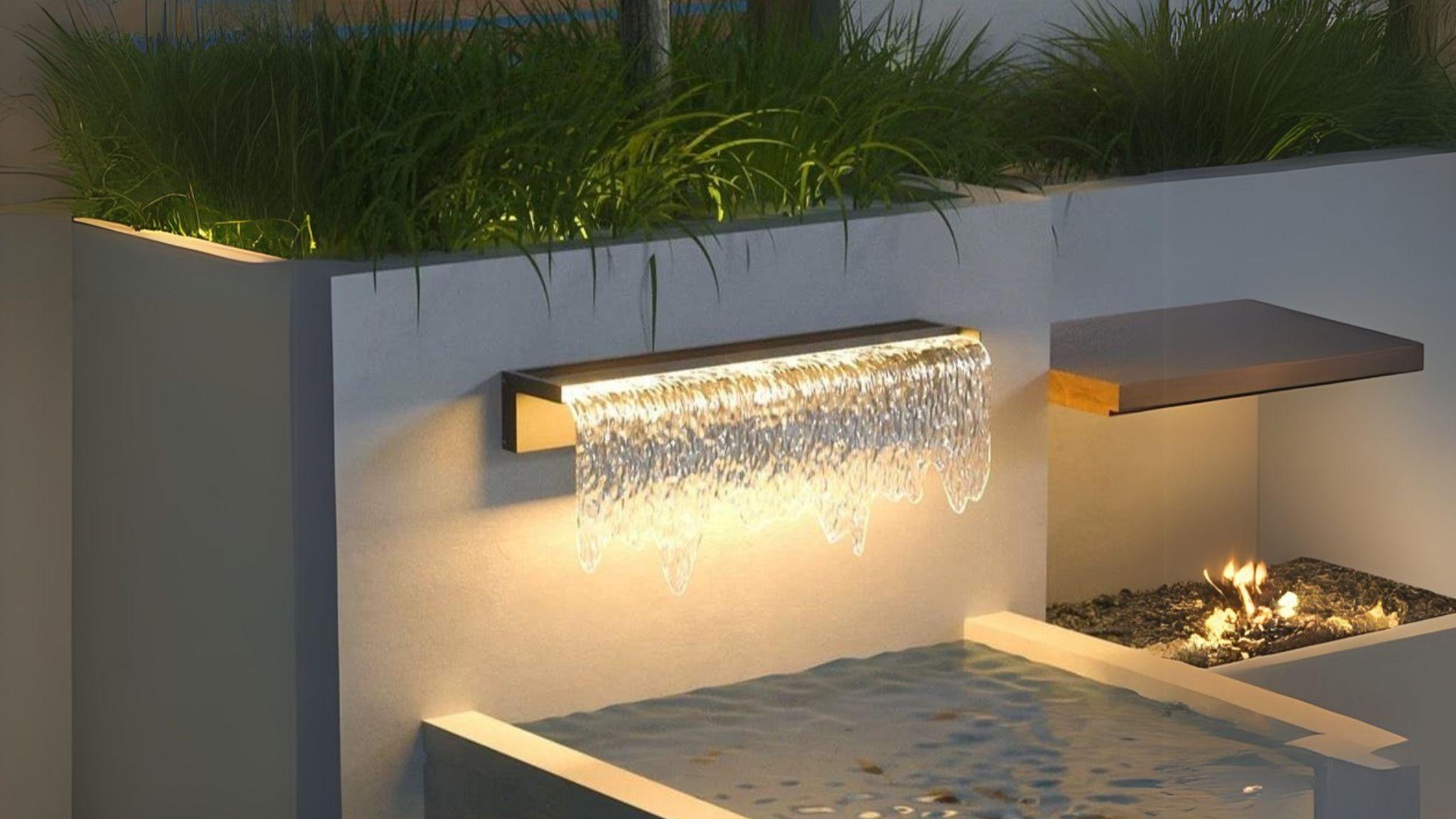
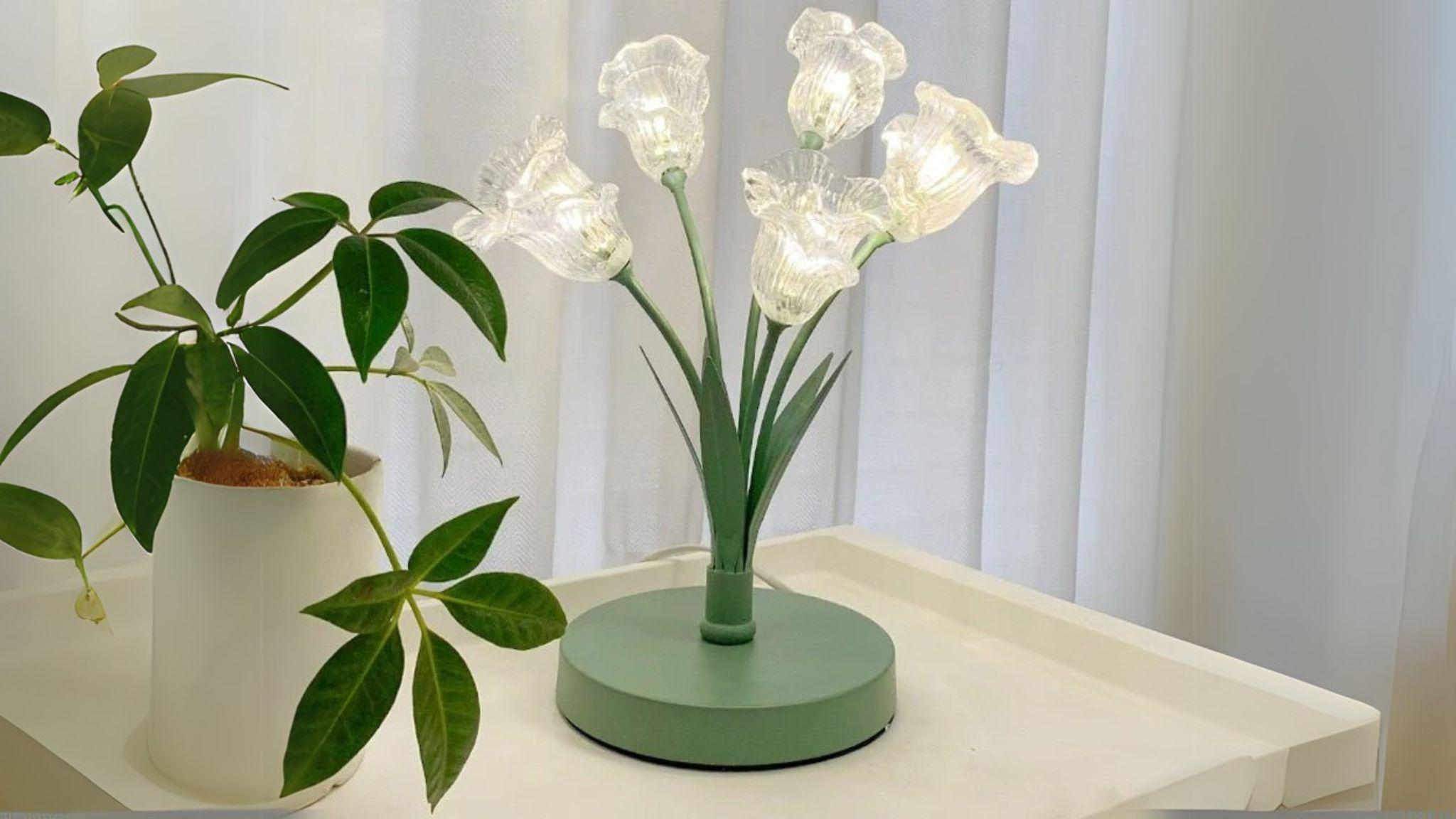
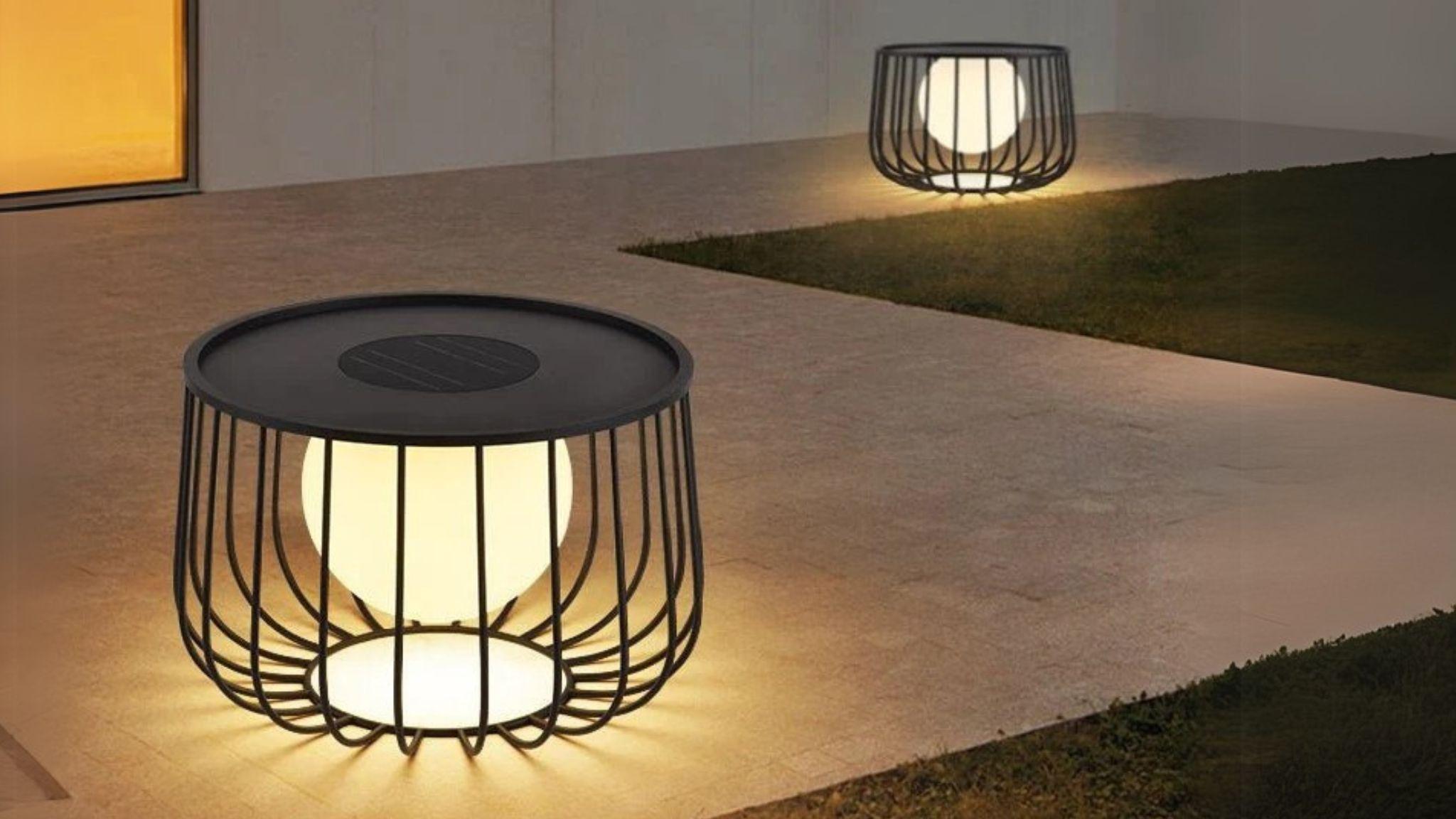
Visit XENTAR for more lighting, decor & furniture curated for modern homes and creative spaces.
Share:
Modular Ambient Lighting for Compact Homes: Biophilic Layering with Adaptive Smart Controls for a Calm, Energy-Efficient Interior
Biophilic Ambient Lighting for Compact Living: Modular Zonal Systems with Daylight-Mimicking LEDs and AI-Powered Smart Controls