

Introduction
In 2026, ambient lighting has evolved far beyond mere illumination—it's a fundamental design element that shapes mood, accentuates architectural features, and reflects personal style. With the rapid development of smart technology and an increased focus on sustainability, modern interior lighting now requires a blend of innovation, energy efficiency, and aesthetic appeal. This comprehensive guide explores forward-thinking ambient lighting strategies that incorporate cutting-edge innovations, eco-conscious choices, and stylish decor techniques—empowering homeowners and designers to create stunning, functional, and sustainable living spaces.
Why Ambient Lighting Is Crucial in Modern Interior Design
Ambient lighting sets the tone for a room, influencing how spaces are perceived and experienced. In 2026, the importance of well-designed ambient lighting includes:
- Enhancing spatial perception and depth
- Creating an inviting, cozy, or energetic atmosphere
- Highlighting architectural details and artwork
- Improving overall functionality and safety
As a cornerstone of contemporary design, ambient lighting now integrates seamlessly with smart home ecosystems and eco-focused principles, making it more versatile and impactful than ever before.
Emerging Trends in Modern Ambient Lighting in 2026
Staying ahead of lighting trends involves understanding how innovation and sustainability intersect. The key trends shaping 2026 include:
- Smart, programmable fixtures: Allowing customization and seamless control
- Eco-friendly LED technology: Reducing energy consumption and carbon footprint
- Color-changing and tunable lights: Offering personalized moods and seasonal decor options
- Integration with AI and automation: Delivering adaptive lighting based on user preferences, time of day, or occupancy patterns
Harnessing Smart Technology for Ambient Lighting
The integration of smart tech enhances both convenience and design flexibility. Here are prominent ways to incorporate smart lighting in your home:
- Voice-Activated Controls: Use voice assistants like Amazon Alexa, Google Assistant, or Apple's Siri to control lighting with simple commands, making adjustments effortless and accessible for all users.
- Customizable Mobile Apps: From setting predefined lighting scenes to scheduling routines, apps enable granular control over lighting environments at your fingertips.
- Automated Scenes and Zones: Create different lighting zones tailored for activities such as reading, entertaining, or relaxing—with scenes that can be activated with a tap or automatically based on the time or occupancy.
- Sensor-Driven Adjustments: Incorporate motion and daylight sensors that enable lights to respond dynamically, conserving energy while maintaining optimal ambiance.
Sustainable and Eco-Conscious Lighting Choices
As green living becomes a standard in interior design, lighting choices also reflect eco-conscious values:
- Energy-Efficient LEDs: Transitioning to LED fixtures dramatically reduces electricity use and heat output while offering a wide array of color options and brightness levels.
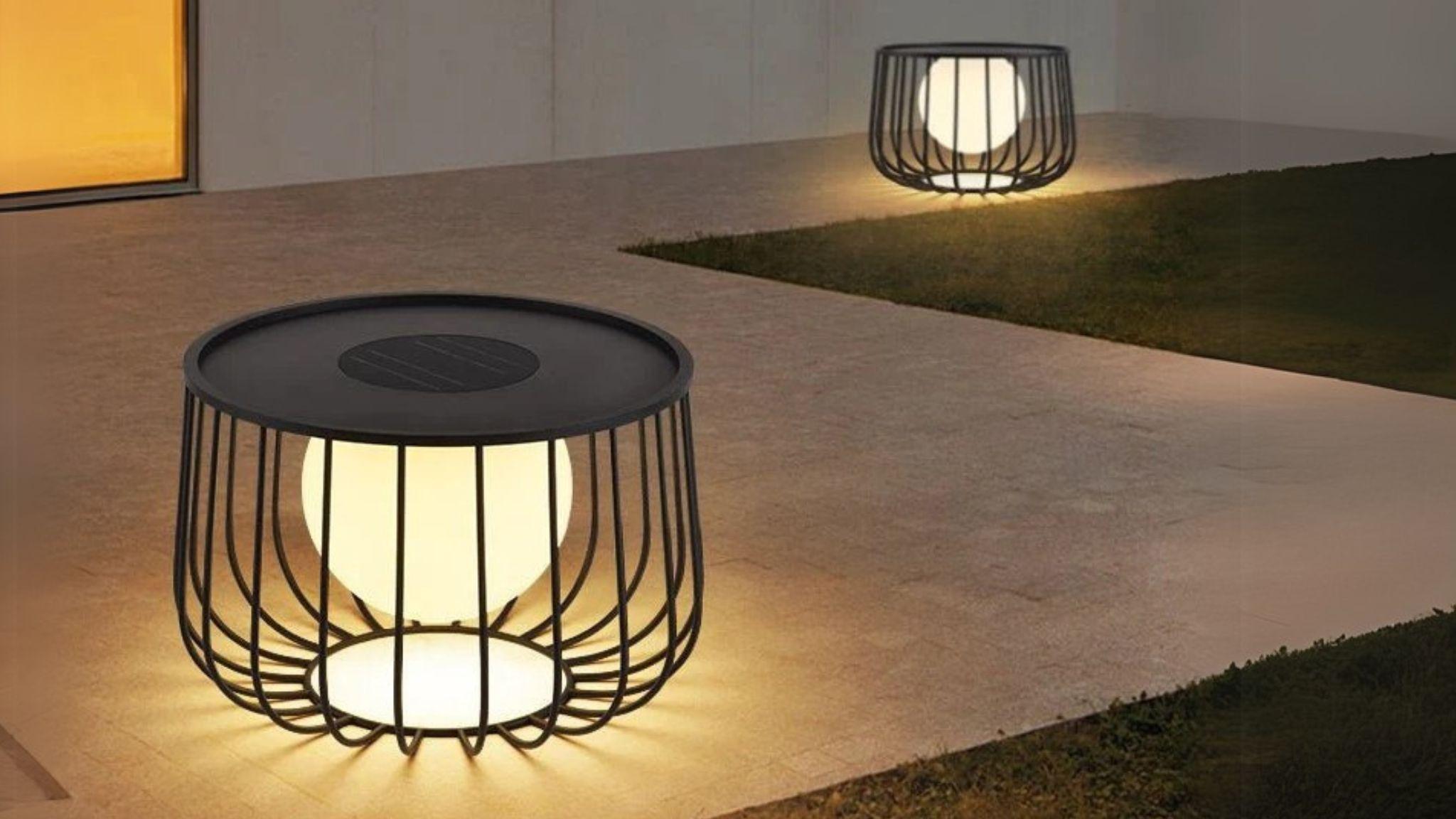
- Solar-Powered Outdoor Lighting: Solar garden and pathway lights provide sustainable solutions for outdoor ambiance without increasing your energy bill.
- Recyclable and Reclaimed Materials: Choosing fixtures made from recycled metals, glass, or bamboo supports circular economy principles and reduces environmental impact.
- Minimalist and Multi-Functional Fixtures: Streamlining lighting design reduces waste and simplifies aesthetics, promoting an eco-friendly lifestyle.
Creative Ambient Lighting Strategies for Different Rooms
Living Rooms and Lounges
For versatile social and relaxation spaces:
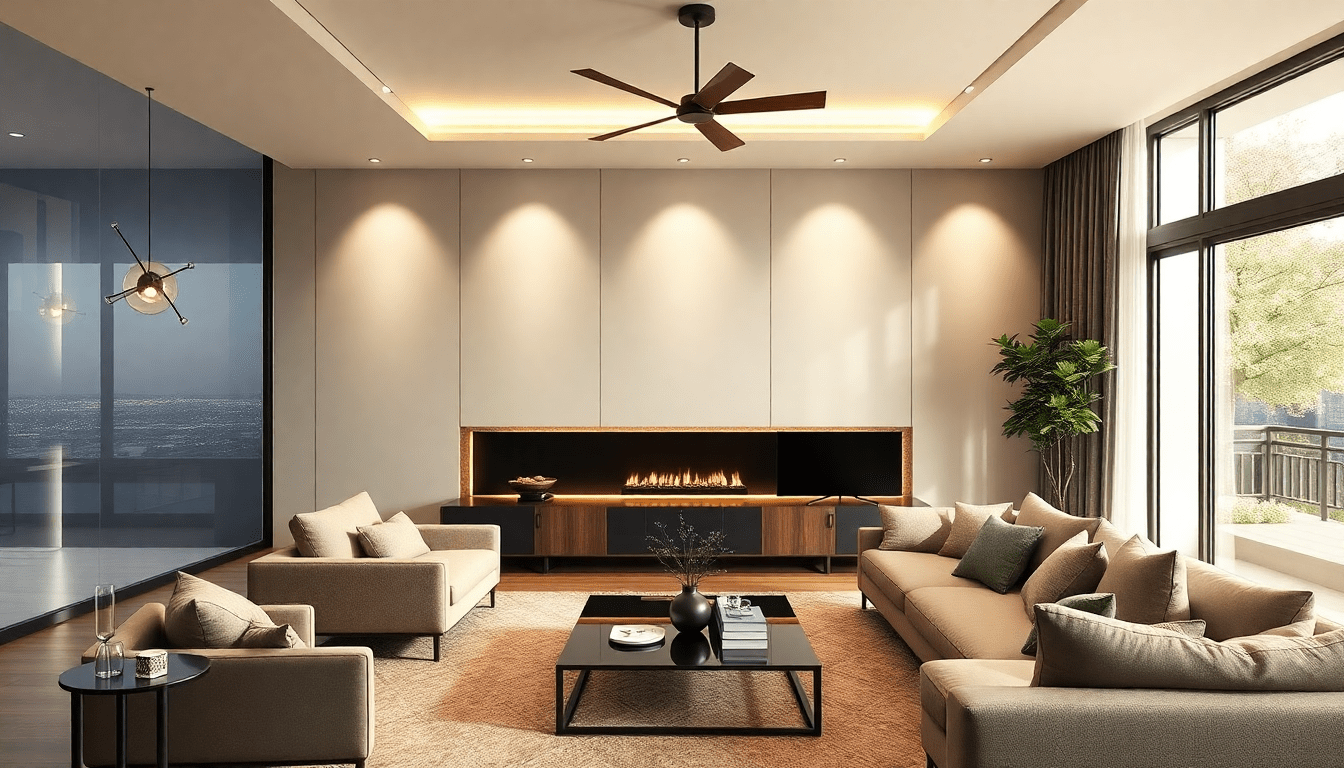
- Layered lighting combining recessed ceiling lights, sconces, and flexible LED strip lights creates depth and interest.
- Color-tunable lighting systems allow seamless adjustments from vibrant home theater atmospheres to soft, intimate glows.
Bedrooms
Prioritize comfort and calming effects with lighting strategies such as:
- Warm white tones to promote relaxation before sleep
- Smart bedside lamps with sunrise simulation features that gradually brighten the room in the morning
- Dimmable fixtures for night-time reading or wind-down routines
Workspaces and Home Offices
Optimized lighting improves productivity and reduces eye strain:
- Adjustable task lighting combined with calming ambient light for focus
- Use of daylight-mimicking circadian lighting systems that adapt through the day
Outdoor and Garden Spaces
Outdoor ambient lighting enhances aesthetics and safety:
- Solar-powered string lights and lanterns for ambient glow
- Smart, weatherproof fixtures that can be controlled remotely for convenience
Blending Aesthetics with Functionality
Effective ambient lighting must marry form with function. Consider these design principles:
- Choose fixtures that complement your interior style—be it minimalist, industrial, boho, or contemporary.
- Incorporate statement lighting pieces, such as sculptural pendant lights or geometric wall sconces, as focal points.
- Use adjustable color-tuning and dimming features to seamlessly shift decor themes across seasons and occasions.
Step-by-Step Guide to Implementing Innovative Ambient Lighting
Strategic planning ensures a cohesive, effective lighting setup:
- Assess your space and needs: Identify zones needing ambient, task, and accent lighting.
- Choose smart, sustainable fixtures: Prioritize energy efficiency and compatibility with your smart home system.
- Design lighting layers: Incorporate multiple sources for flexibility and ambiance.
- Control and automate: Set scenes, schedules, and responsive controls for convenience and efficiency.
- Decorate thoughtfully: Select fixtures that enhance your interior style and highlight architectural features.
Looking Ahead: Future of Ambient Lighting in 2026 and Beyond
The evolution of ambient lighting is heavily influenced by technological innovations like AI, IoT, and sustainable materials. Future developments may include:
- More advanced AI systems that predict preferred lighting conditions based on daily routines
- Greater integration of biophilic principles to mimic natural light cycles more accurately
- Revolutionary eco-friendly materials offering both durability and aesthetic appeal
- Enhanced customization options through augmented reality (AR) and virtual controls
Conclusion
In 2026, lighting has become a vital element of interior design that merges smart technology with sustainable principles. By adopting innovative ambient lighting strategies, you can create dynamic, energy-efficient, and aesthetically stunning environments tailored to your lifestyle and values. Embrace the capabilities of modern lighting to transform your home into a personalized sanctuary that responds to your needs and reflects your commitment to eco-conscious living.
Visit XENTAR for more lighting, decor & furniture curated for modern homes and creative spaces.
Share:
Innovative Smart Lighting Integration for Sustainable and Stylish Modern Interior Makeovers in 2026
Harnessing Smart Ambient Lighting Trends to Enhance Energy Efficiency and Aesthetic Appeal in Modern Home Interiors in 2026