

Introduction
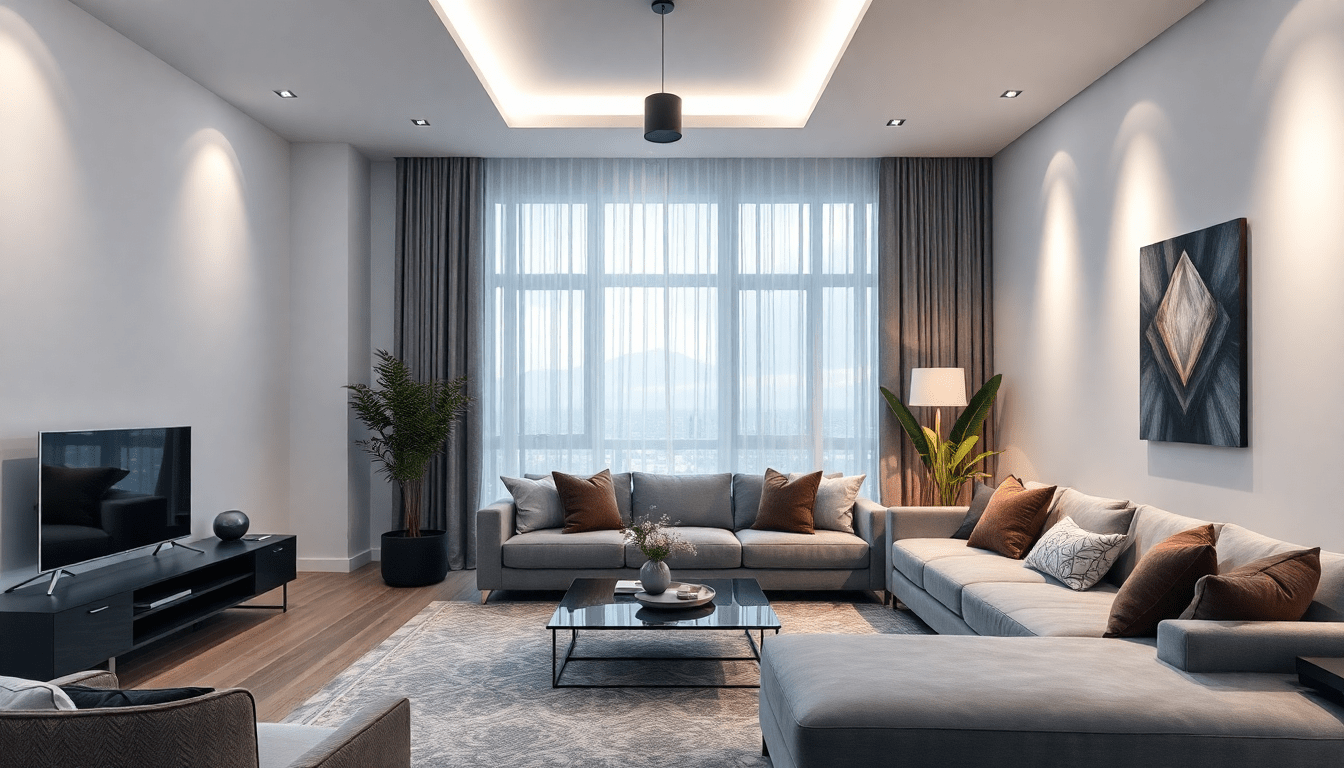
In 2026, the intersection of technology and interior design has reached new heights with smart ambient lighting taking center stage. This innovative approach not only transforms home aesthetics but also plays a crucial role in promoting energy efficiency. Smart lighting solutions are becoming more accessible, intelligent, and customizable, enabling homeowners to craft spaces that are both beautiful and sustainable. As the demand for modern, eco-conscious living spaces grows, understanding and leveraging these trends is essential for modern homeowners and interior designers alike.
The Evolution of Ambient Lighting and Its Significance in 2026
Ambient lighting has traditionally been used to create a warm, inviting atmosphere, but today’s smart technologies have redefined its role. In 2026, intelligent lighting systems adapt to users' preferences, environmental conditions, and specific needs, offering unparalleled control. They help eliminate excess energy use, enhance the aesthetic appeal of your interiors, and foster a relaxing, functional environment. The integration of AI, IoT connectivity, and advanced LED technology has revolutionized how people illuminate their homes, making ambiance and efficiency inseparable goals.
Emerging Trends in Smart Ambient Lighting in 2026
Staying ahead in home design means embracing cutting-edge lighting trends that combine style, technology, and sustainability. Here are the most influential trends dominating 2026:
- AI-Powered Lighting Personalization: Using artificial intelligence to learn your habits and preferences ensures lighting automatically adjusts for optimal comfort.
- Voice Control and Integration: Integration with smart home voice assistants provides hands-free control, making adjustments simple and intuitive.
- Color Spectrum Expansion: High-quality RGBW LED systems offer vibrant, customizable color palettes to match mood, decor, or season.
- Dynamic Scene Creation: Pre-programmed scenes tailored for activities like reading, relaxing, or entertaining optimize ambiance effortlessly.
- Energy Monitoring and Savings: Smart systems track energy consumption, provide insights, and automatically reduce power during non-essential times.
- Adaptive Dimming and Brightness: Sensors enable lights to dim or brighten based on natural light and occupancy, enhancing both ambiance and energy conservation.
- Connectivity and Interoperability: Cross-platform compatibility ensures that lighting works seamlessly with other smart devices, such as thermostats, security systems, and window shades.
Design Principles for Integrating Smart Ambient Lighting
Successfully incorporating smart ambient lighting into modern interiors involves strategic planning and a good understanding of design principles. Here are some key considerations:
- Layered Lighting Approach: Combine ambient, task, and accent lighting layers to create a versatile, inviting environment with flexibility for different activities.
- Choosing Minimalist Fixtures: Opt for sleek, unobtrusive fixtures that blend seamlessly with contemporary decor and do not detract from the room’s aesthetic.
- Color Harmony and Temperature: Select color temperatures and hues that complement your color scheme—warm whites for cozy atmospheres, cool tones for modern, crisp looks.
- Zoned and Automated Lighting: Design distinct zones within open-plan spaces with dedicated controls for each zone, allowing personalized lighting for various activities and times of day.
- Integration with Architectural Elements: Use indirect lighting techniques such as cove or wall-wash lighting to highlight architectural features discreetly.
Innovative Applications of Smart Ambient Lighting
The creative use of smart lighting in various home environments enhances both aesthetic appeal and functional convenience:
- Seasonal and Holiday Themes: Automate light color schemes to celebrate holidays or seasons — warm reds and greens in winter, bright pastels in spring.
- Accentuation of Art and Decor: Use color-changing and focused lighting to highlight artwork, textured walls, or decorative furniture pieces.
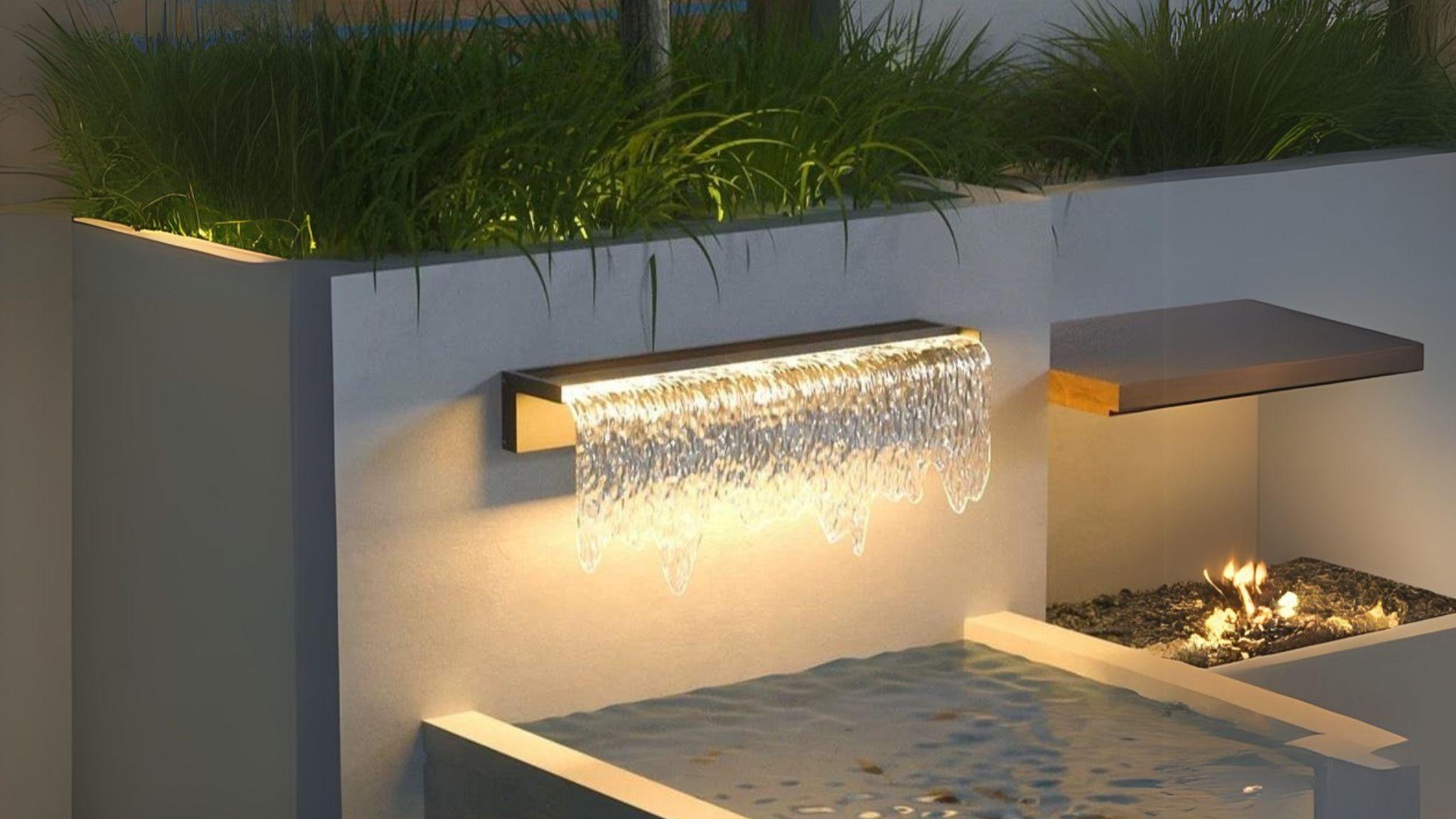
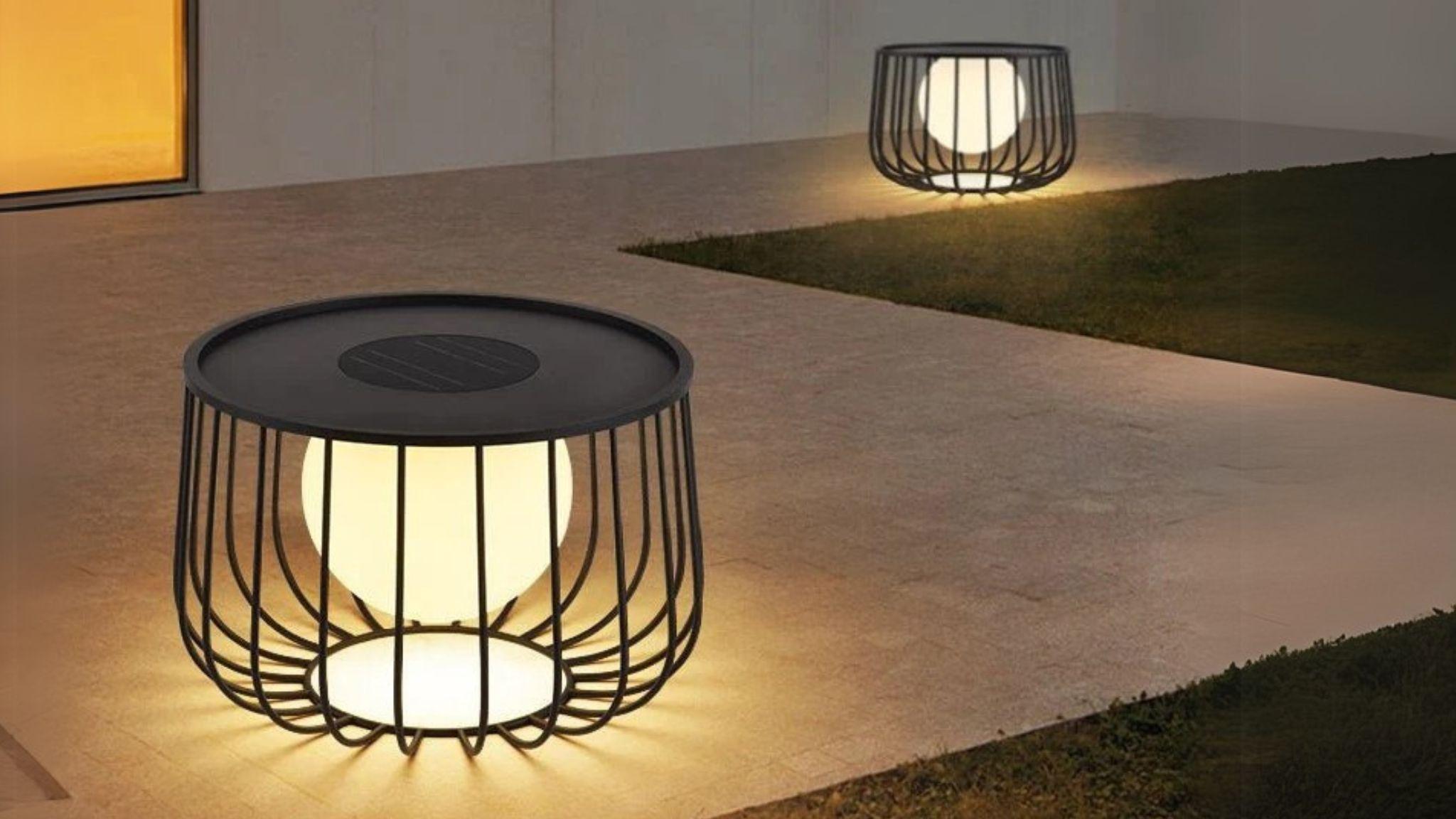
- Enhancing Outdoor Spaces: Extend smart ambient lighting to patios, gardens, and pathways for seamless indoor-outdoor flow and evening ambiance.
- Home Office Optimization: Opt for adjustable lighting schemes that reduce eye strain and promote productivity in workspaces.
- Relaxation and Wellness Zones: Create calming environments with dimmed, warm-toned light settings for bedrooms, spas, or meditation rooms.
Future Technologies Shaping Smart Ambient Lighting in 2026 and Beyond
The future of smart lighting is promising with advancements aimed at further improving user experiences and sustainability:
- AI-Driven Adaptive Lighting: Lights will analyze real-time data on weather, time, and user behavior to refine ambiance dynamically.
- Enhanced Interoperability: Greater compatibility among different brands and platforms will provide more seamless integration and expansive ecosystem control.
- Green LED Innovations: Eco-friendly, energy-efficient LED technology will further reduce carbon footprints while delivering superior illumination quality.
- Augmented Reality (AR) Integration: AR interfaces may allow users to visualize lighting changes in real-time before implementation, facilitating better design decisions.
- Sustainable Power Solutions: Solar-powered smart lighting options and low-power consumption modes will support sustainable living.
Implementation Tips for Homeowners
To effectively incorporate smart ambient lighting into your home, consider the following practical tips:
- Start Small: Begin with key areas like the living room, bedroom, or kitchen, then expand as you become familiar with features.
- Consult Professionals: Work with lighting designers or smart home specialists to develop tailored solutions aligned with your aesthetic and functional goals.
- Prioritize Compatibility: Choose systems that are compatible with your existing smart home ecosystem for seamless control.
- Plan Your Control Interface: Use apps, wall panels, or voice commands based on your preferences for easy operational control.
- Focus on Sustainability: Opt for energy-efficient fixtures and leverage automation to minimize waste and reduce your carbon footprint.
Conclusion
Harnessing smart ambient lighting trends in 2026 means creating homes that are visually stunning, energy-efficient, and highly adaptable to your lifestyle. By integrating intelligent control systems, innovative design principles, and sustainable technologies, homeowners can elevate their living spaces to new levels of comfort and elegance. The future of home ambiance lies in smart lighting innovations that are tailored to individual preferences while promoting environmental responsibility.
Visit XENTAR for more lighting, decor & furniture curated for modern homes and creative spaces.
Share:
Innovative Ambient Lighting Strategies to Elevate Modern Interiors with Smart Tech and Sustainable Design in 2026
Revolutionize Interior Ambience with Innovative Smart Lighting Systems and Sustainable Design Trends in 2026