

Introduction
In 2026, smart lighting technology is revolutionizing how we approach modern interior design. By blending sustainability with aesthetic innovation, homeowners and designers are transforming living spaces into eco-friendly, functional, and stylish environments. This comprehensive guide explores the latest trends, technological advancements, and practical tips for integrating smart lighting seamlessly into your home makeover projects — ensuring your space is both sustainable and visually stunning.
The Rising Importance of Smart Lighting in Modern Interiors
Smart lighting is no longer a luxury but a necessity for modern homes aiming for energy efficiency, convenience, and cutting-edge design. As environmental concerns intensify and technology becomes more accessible, smart lighting systems are increasingly becoming integral to interior decor. Embracing this trend can significantly elevate your space and contribute positively to the environment.
Why Smart Lighting Is Essential for 2026
- Energy Conservation: Advanced LED technologies paired with intelligent controls dramatically reduce electricity use, supporting sustainability goals.
- Customization & Mood Setting: Personalize ambiance with adjustable colors, brightness, and scene modes to reflect your mood or seasonal themes.
- Automation & Convenience: Automate lighting based on occupancy, time of day, or natural light levels for effortless living.
- Integration with Smart Ecosystems: Seamlessly connect lighting with other smart devices like thermostats, security systems, and voice assistants for a unified home experience.
- Future-Proof Design: Opt for systems that are adaptable and upgradeable as new technologies emerge, ensuring longevity and relevance.
Cutting-Edge Innovations in Smart Lighting for 2026
The landscape of smart lighting is rapidly advancing, offering new features and more sustainable options for modern interiors. Key innovations include:
- AI-Powered Adaptive Lighting: Artificial intelligence algorithms analyze your habits and preferences to automatically optimize lighting scenarios, enhancing comfort and energy savings.
- Eco-Friendly Materials & Designs: Fixtures made from recycled plastics, biodegradable composites, and sustainably sourced materials reduce environmental impact without sacrificing style.
- Human-Centric Lighting: Lighting that adjusts to circadian rhythms, promoting better sleep, alertness, and overall well-being through tailored light spectrums.
- Wireless and Battenless Installations: Simplified installation with wireless fixtures and minimalist designs that blend seamlessly into any decor style.
- Enhanced Connectivity & Control: Use of 5G networks and Zigbee protocols ensures faster, more reliable control across multiple devices and locations.
Design Strategies for a Sustainable & Stylish Interior Makeover
Modern design principles emphasize not only aesthetics but also functionality and sustainability. Implementing these strategies will help you achieve an innovative, eco-friendly interior:
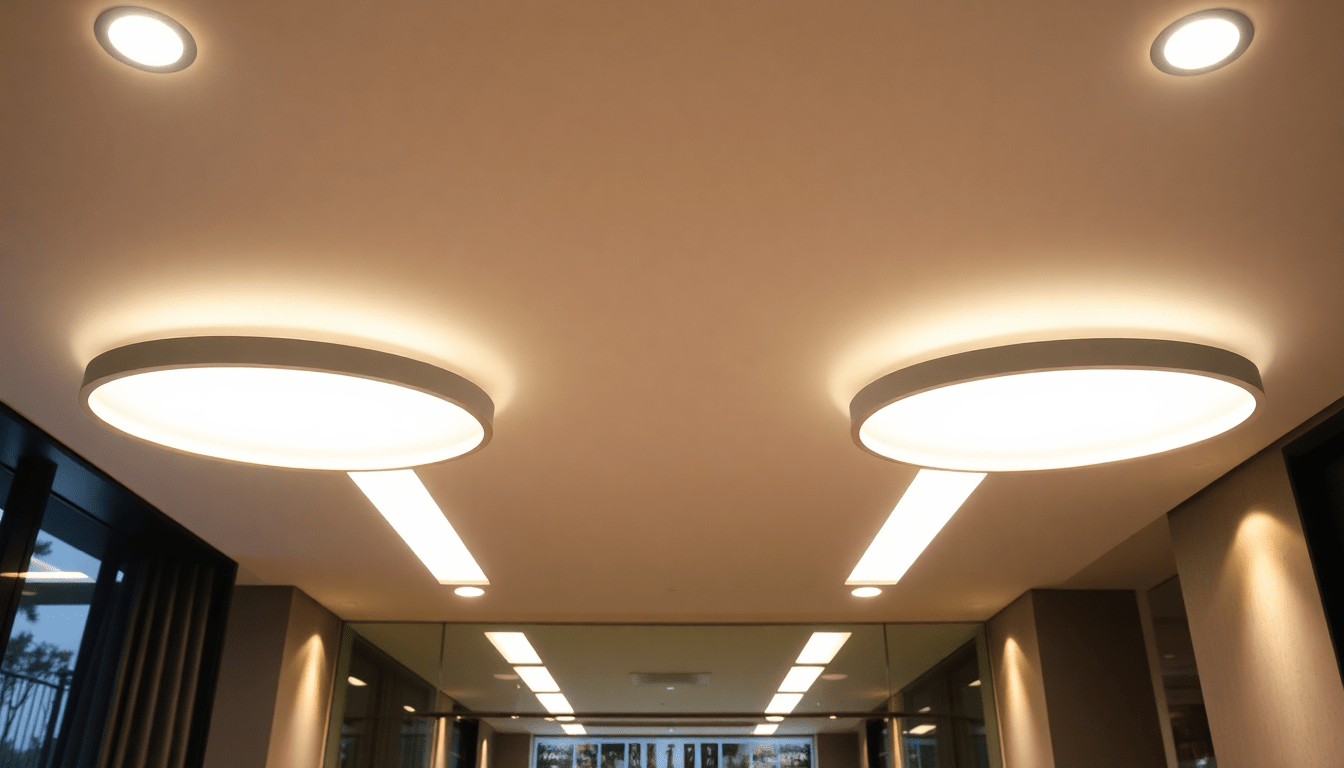
- Layered Lighting: Combine ambient, task, and accent lighting using smart fixtures to create depth, flexibility, and mood versatility.
- Highlight Architectural Features: Use adjustable smart spotlights and directional lights to emphasize unique design elements like crown moldings, artwork, or textured walls.
- Color Temperature Control: Match your lighting to seasonal changes or specific activities—warm tones for relaxing, cooler hues for productive work.
- Integrate Nature-Inspired Elements: Use smart lighting to mimic natural light cycles, creating a calming environment that aligns with nature-based decor themes.
- Multifunctional Fixtures: Choose fixtures that serve dual purposes, such as illuminated shelving or mirrors with integrated LED lighting, for a sleek look and increased functionality.
Practical Tips for Implementing Smart Lighting in Your Home
- Start Small: Begin with key areas like the living room, kitchen, or bedroom to test and refine your lighting system.
- Plan Your Layout: Consider natural light sources and how artificial lighting can complement or enhance these elements for a balanced look.
- Prioritize Durability & Sustainability: Select fixtures with high energy efficiency ratings and sustainable materials to maximize eco-benefits.
- Ensure Compatibility: Opt for systems compatible with common voice assistants like Alexa, Google Assistant, or Apple HomeKit for easy control.
- Use Smart Dimmers & Sensors: Incorporate dimmers and motion sensors to conserve energy and automate lighting based on occupancy.
Real-World Examples & Success Stories
Many modern homeowners and interior designers are already reaping the benefits of innovative smart lighting integration:
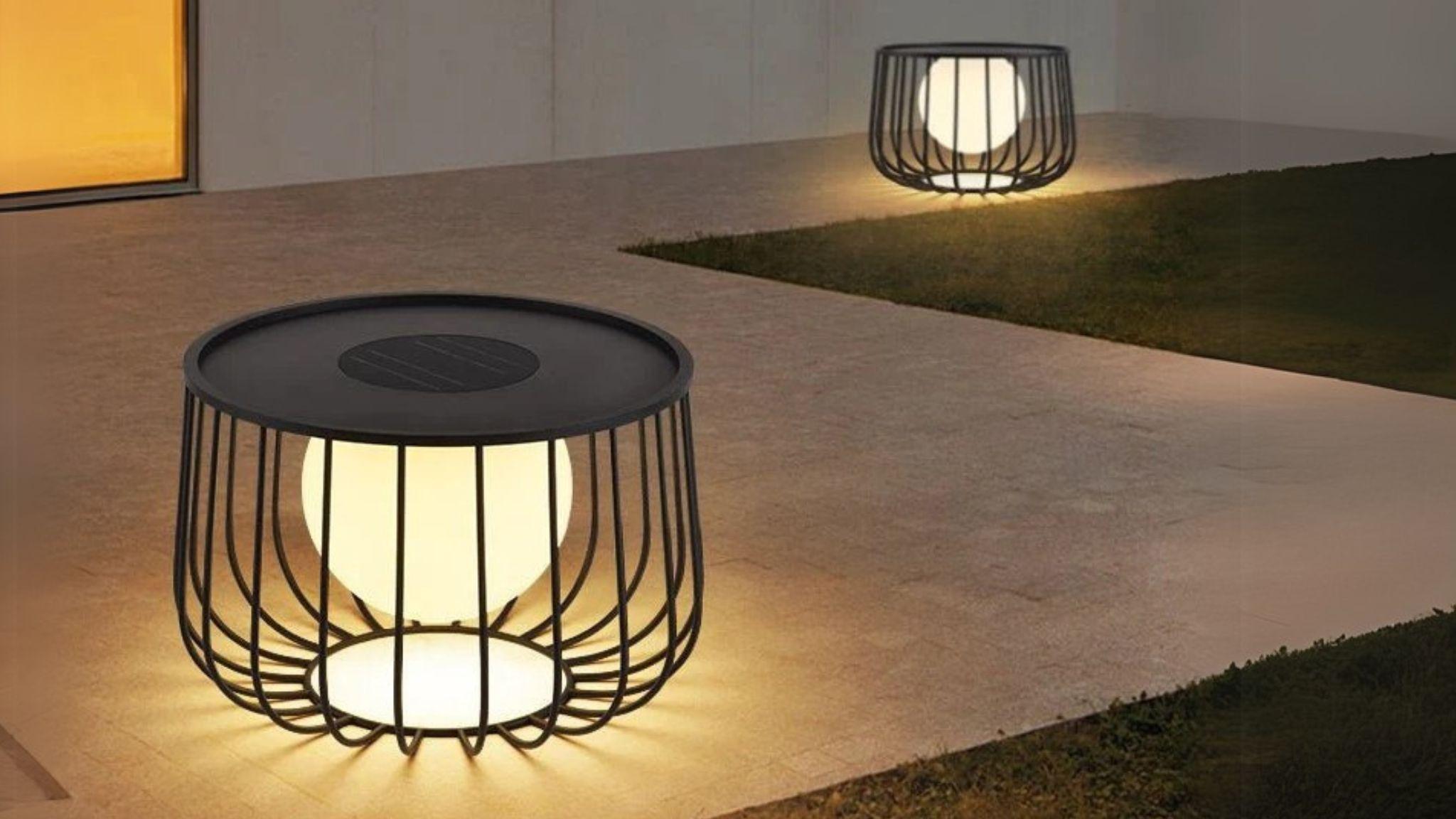
- Eco-Friendly Urban Apartments: Utilizing solar-powered fixtures and AI-controlled lighting to reduce energy bills and carbon footprint.
- Luxury Eco-Resorts: Incorporating human-centric circadian lighting to promote restful stays while emphasizing sustainability.
- Minimalist Homes: Installing wireless, minimalist fixtures that provide customizable lighting options while maintaining a clean aesthetic.
Conclusion
In 2026, the future of interior design lies at the intersection of innovation, sustainability, and style. Smart lighting systems offer unparalleled opportunities to create personalized, eco-conscious, and visually stunning environments. By embracing these advanced technologies and design strategies, you can elevate your home’s ambiance, reduce energy consumption, and showcase a commitment to sustainable living.
Remember, the possibilities are limitless with modern smart lighting—optimize your space today for a brighter, greener tomorrow.
Visit XENTAR for more lighting, decor & furniture curated for modern homes and creative spaces.
Share:
Innovative Hidden Lighting Techniques to Elevate Modern Interior Aesthetics and Create Seamless Ambiance in 2026
Innovative Ambient Lighting Strategies to Elevate Modern Interiors with Smart Tech and Sustainable Design in 2026