

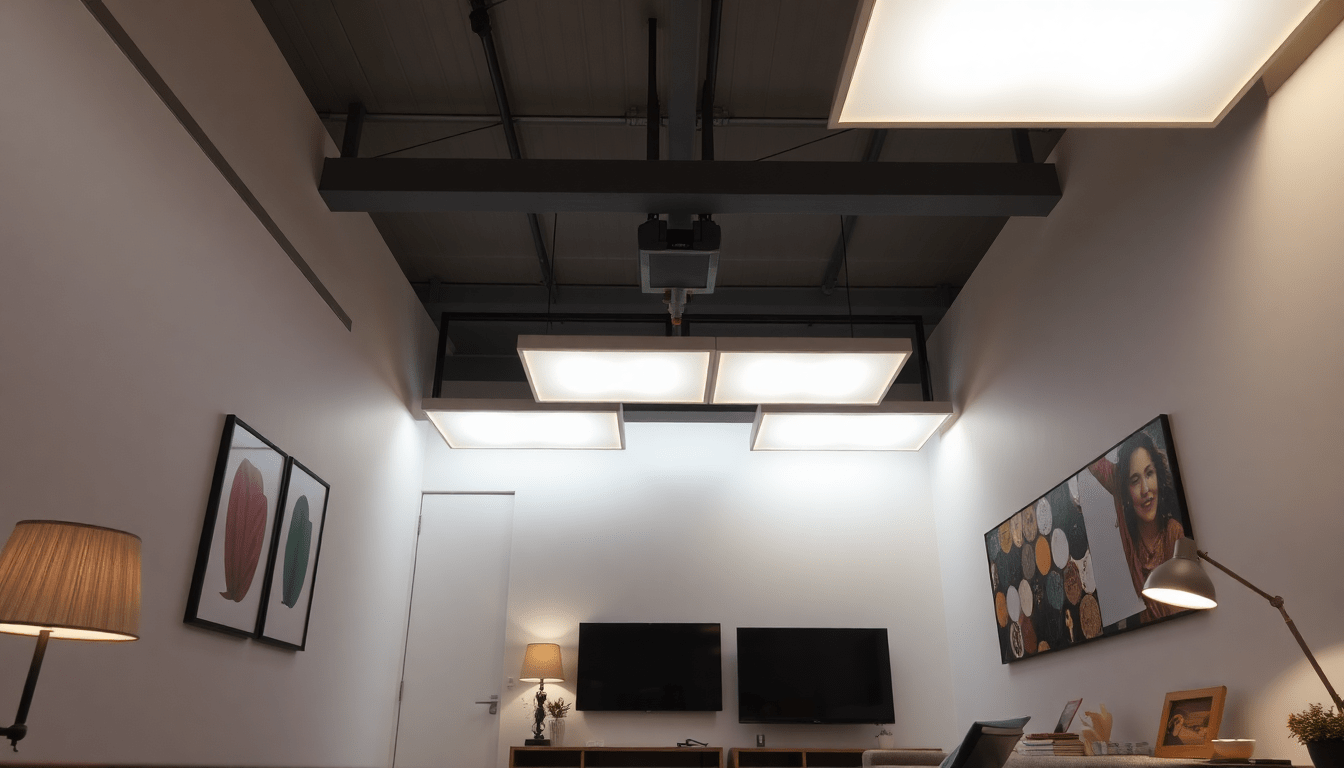
In the era of tiny homes and urban apartments, lighting design has moved from a nice-to-have feature to a core element of daily living. This comprehensive guide explores how eco-conscious modular ambient lighting can transform compact interiors through AI-enhanced zonal systems and biophilic LED layers. The goal is to deliver mood-enhancing, energy-efficient light that adapts to changing needs while supporting wellness, productivity, and sustainable living.
Overview: Compact, Conscious Lighting for Small Spaces
Small spaces require lighting that feels larger and more flexible than a fixed ceiling fixture can offer. By combining modular fixtures, intelligent zoning, and nature-inspired LEDs, you can craft layers of light that respond to occupancy, time of day, and activity. The result is ambient depth, task-focused brightness where needed, and a calm nighttime glow that supports circadian health.
Why Modularity Matters for Tiny Footprints
Modular lighting systems use interoperable components—tracks, panels, and modules—that can be reconfigured as your space evolves. Key benefits include:
- Scalability: add or remove modules as rooms reconfigure or furniture changes occur
- Minimal disruption: plug-and-play installation minimizes wall disruption and rewiring
- Preserved aesthetics: hidden drivers and clean sightlines maintain architectural clarity
- Future-proofing: upgrade controllers and LEDs without replacing the entire system
AI-Enhanced Zonal Systems: The Brain of Your Lighting
AI zoning optimizes how light is distributed across zones, accounts for occupancy, daylight availability, and user preferences. Core capabilities include:
- Adaptive zoning: light in response to which zones are occupied or in use
- Daylight harvesting: reduces artificial load when windows admit natural light
- Scene-based controls: one tap creates a layered, mood-appropriate environment
- Platform interoperability: works with popular smart home ecosystems and voice assistants
With AI at the core, you get a personalized lighting narrative that changes with your routines rather than forcing you to adapt to static presets.
Biophilic LED Layers: Nature-Inspired Light Quality
Biophilic lighting draws from natural daylight and plant-inspired textures to create a breathable, healthier atmosphere. Benefits include circadian alignment, color fidelity, and reduced glare. Design principles include:
- Circadian-friendly color temperatures that shift with the day
- High CRI and R9 values to accurately render colors, textiles, and natural materials
- Layered spectra that mimic sun, shade, and ambient glow
- Soft uplighting and wall washing to create depth without harsh shadows
Biophilic LEDs help interiors feel more connected to the outdoors, which can improve mood and reduce fatigue in dense urban environments.
Modular Design for Compact Homes: Configurations that Fit
Modular lighting works best when tailored to floor plans and furniture layouts. Common configurations include:
- Slim track systems with magnetic or snap-on fixtures that hide wiring
- Floating panel modules that attach to ceilings or high walls for ambient reach
- Under-cabinet and shelf-integrated lighting to maximize counter space utility
- Corner uplights that visually expand narrow rooms without intrusive fixtures
This approach preserves sightlines, keeps surfaces uncluttered, and supports easy seasonal redesigns without a full electrical retrofit.
Technical Architecture: Hardware, Software, and Data Flow
A robust system balances hardware reliability with data-driven intelligence. Key components:
- LED modules with tunable white and RGBa options for rich color control
- Smart drivers and distributed controllers that minimize centralized wiring
- Sensors for occupancy, ambient light, and temperature to inform AI decisions
- Communication protocols such as Zigbee, Wi‑Fi, or Thread for reliability and security
The software layer runs AI routines that run locally on edge devices or in the cloud, depending on privacy considerations and latency requirements. Modern designs emphasize edge processing to reduce data exposure and ensure fast response times.
AI Engine and Data Privacy: What Happens Behind the Scenes
Privacy-conscious designers prioritize edge processing and transparent data handling. Consider these practices:
- On-device processing for occupancy and daylight sensing to minimize data leaving the home
- Local storage of usage patterns with configurable retention periods
- Clear user controls for data sharing, with opt-outs for analytics
- Audit trails and firmware update logs to ensure accountability
Balancing convenience with privacy ensures homeowners can enjoy adaptive lighting without sacrificing security.
Planning the Zones: A Practical Method
Begin by mapping daily activities and defining zones such as entry, living, kitchen, study, and relaxation corners. For each zone, assign lighting layers (ambient, task, accent) and target color temperatures. Example zone templates:
- Entry: warm ambient with low glare lights to ease transitions
- Living: layered ambient, warm to neutral white for readability and comfort
- Work/Study: cooler ambient with vertical task lighting for focused tasks
- Relax: dimmed, warm hues with gentle uplight
Use a single app or voice commands to switch between scenes, or rely on AI to automate transitions based on time, occupancy, and daylight.
Seasonal Design Strategies with Biophilic Layers
Seasonal shifts can be reflected in color temperature, brightness, and scene palettes. Suggestions include:
- Spring: brighter, cooler daylight tones to energize spaces
- Summer: balanced white with subtle warmth for evenings
- Autumn: deeper ambers and soft uplight for coziness
- Winter: cool mornings with gentle warm glow in evenings to support melatonin cues
Seasonality should be guided by human circadian rhythms as well as interior aesthetics, ensuring the space feels current without requiring a full remodel.
Energy Efficiency: Measuring Impact and Savings
Smart lighting pays for itself over time through measurable energy reductions. Metrics to track include:
- Lighting Power Density (LPD) per zone and per room
- Smart scheduling adherence and daylight harvesting effectiveness
- Average color temperature shifts and transition smoothness
- Occupancy-driven dimming performance and avoidance of over-illumination
Periodic energy audits and calibration checks ensure the system delivers sustained savings and comfort.
Case Studies: Real-World Scenarios
Three extended profiles illustrate how these systems perform in diverse compact settings:
- Case C — 26 m² micro-studio: A modular grid provides a flexible living and sleeping area with zones that auto-adjust at night. Biophilic layers softly mimic dawn, easing transition to wakefulness.
- Case D — 18 m² compact kitchen-living combo: Task-focused cool light above prep areas paired with warm ambient walls creates functional, cozy atmospheres. AI optimizes scenes for entertaining guests in small spaces.
- Case E — 40 m² duplex loft: A layered approach controls upstairs/downstairs lighting with independent zoning, while daylight harvesting from large windows reduces daytime dependency on electric light.
Product Selection Guide: What to Look For
When shopping for modular, AI-enabled lighting, prioritize:
- Interoperability with smart home ecosystems and voice assistants
- Biophilic LED layers with high CRI and tunable spectra
- Modular, scalable hardware that supports easy reconfiguration
- Quiet drivers and smooth dimming curves with minimal flicker
- Secure wireless connectivity and robust app ecosystems
Consider a phased purchase plan: start with essential zones, then add modules as needs evolve. This approach reduces upfront costs while enabling continuous optimization.
Installation Best Practices: From Concept to Glow
To maximize performance and aesthetics, follow these guidelines:
- Plan sightlines to minimize visible wiring and maintain clean ceilings
- Use mounting methods compatible with walls, ceilings, and non-traditional surfaces
- Place ambient layers to avoid glare on screens and work surfaces
- Calibrate color temperature and brightness for each zone to ensure cohesive scenes
A professional installation can ensure code compliance and long-term reliability, especially in multi-family buildings with shared walls or complex electrical layouts.
Maintenance and Upgrades: Longevity with Minimal Fuss
Modular systems are designed for longevity and easy upgrades. Best practices include:
- Replace individual LED modules rather than entire panels when possible
- Schedule firmware updates to benefit from new AI features and security patches
- Keep a spare kit of modules for quick replacements
- Regularly inspect seals, drivers, and power connections to prevent downtime
Proactive maintenance keeps energy efficiency high and minimizes the risk of disruption in daily life.
Accessibility and Inclusive Design
Good lighting supports safe movement, reading, and daily tasks for people of all ages and abilities. Design considerations include:
- High-contrast zones that guide movement in low-light conditions
- Accessible controls and simple scene selection via app or voice
- Glare-free lighting and minimal flicker to reduce eye strain
- Color rendering that accurately represents fabrics and surfaces important for accessibility needs
Inclusive lighting design ensures the space remains welcoming and usable for everyone in the household.
Sustainability and Lifecycle: A Circular Approach
Eco-conscious lighting emphasizes materials, waste reduction, and lifetime value:
- Modular components that can be upgraded rather than replaced
- Low-waste packaging and recyclable or reusable materials
- End-of-life recycling instructions and take-back programs where available
- Energy-efficient LEDs with long lifespans to extend product life
Design for sustainability aligns with broader climate goals and consumer demand for responsible choices in home decor.
Integration with Other Smart Home Technologies
Ambient lighting does not exist in isolation. Seamless integration with other smart devices enhances convenience and efficiency:
- Smart thermostats, window shades, and daylight sensors for cohesive environmental control
- Security and presence sensors to adjust lighting when occupants arrive or depart
- Voice assistants and routines that coordinate lighting with music, climate, and scenes
- Home energy dashboards to visualize savings and usage patterns
Integrating lighting into a broader smart home strategy can amplify comfort and reduce energy consumption across devices.
Future Trends and Innovations
What’s next for eco-conscious modular lighting in compact homes?
- Advanced biophilic spectra that more accurately replicate seasonal daylight
- Adaptive materials and coatings to improve diffusion and reduce glare
- Deeper AI personalization with privacy-preserving federated learning
- Greater emphasis on sound-dampening integration where ceiling fixtures contribute to acoustic comfort
As technology and materials science advance, modular ambient lighting will become even more capable of shaping mood, health, and energy outcomes in small spaces.
Common Pitfalls and How to Avoid Them
Even well-planned systems can miss the mark if not designed thoughtfully. Avoid these mistakes:
- Over-saturating with too many zones that complicate control and increase costs
- Ignoring daylight patterns, resulting in mismatched color temperatures across zones
- Underestimating maintenance needs, leading to premature module failure
- Compromising privacy by enabling cloud-only analytics without local processing options
Strategic planning, phased implementation, and ongoing calibration help prevent these issues and ensure long-term satisfaction.
Conclusion: The Path to Brighter, Smarter, Greener Homes
Eco-conscious modular ambient lighting powered by AI-enhanced zonal systems and biophilic LED layers offers a scalable, future-ready approach to lighting compact homes. By focusing on modularity, intelligent controls, nature-inspired light quality, and sustainable materials, designers and homeowners can create interiors that feel larger, support well-being, and reduce environmental impact.
Visit XENTAR for more lighting, decor & furniture curated for modern homes and creative spaces.
Share:
Biophilic Circadian Modular Lighting for Tiny Homes: AI-Enhanced Zonal Layers for Mood and Efficiency.
Transform Small Spaces with AI-Driven Ambient Lighting: Modular, Energy-Efficient LEDs for Modern Tiny Homes