

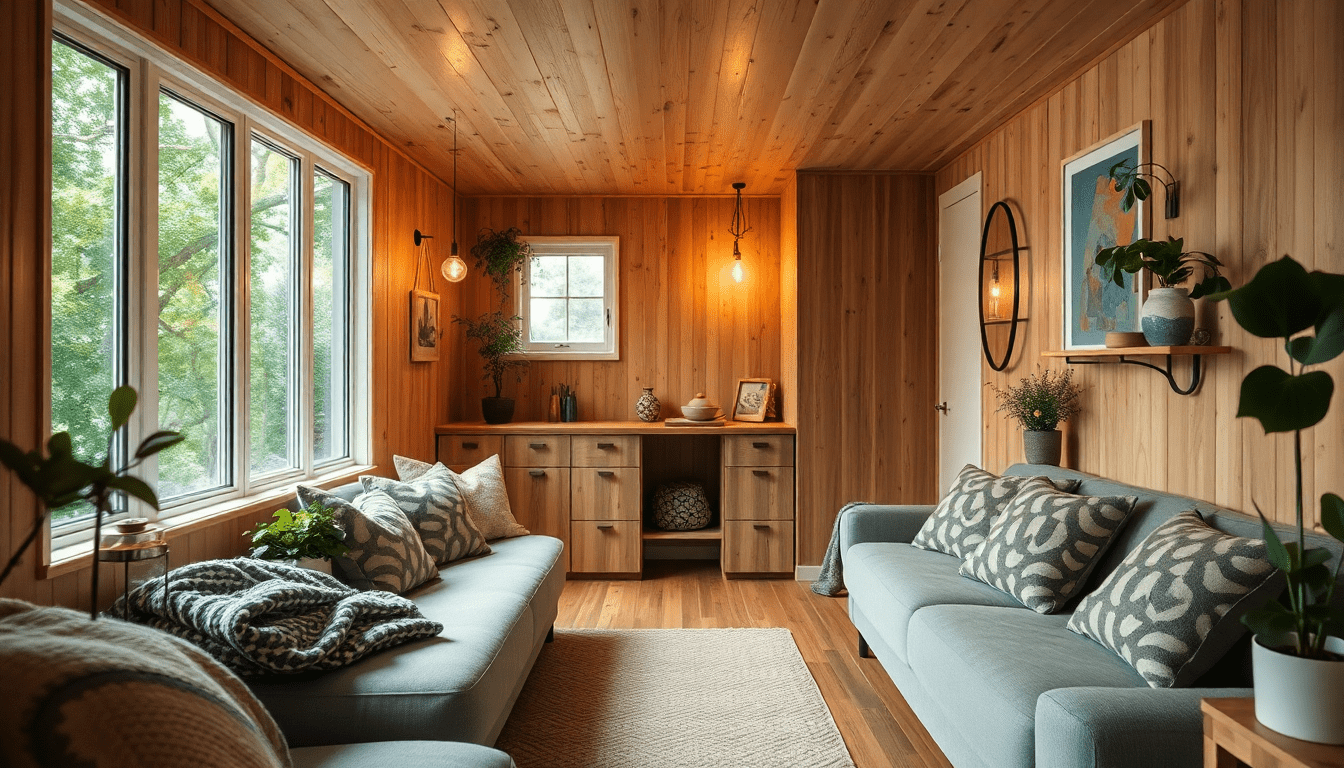
Discover biophilic circadian modular lighting for tiny homes—AI-powered zonal layers that boost mood, focus, and energy efficiency.
Overview: Biophilic Circadian Modularity in Tiny Homes
Biophilic lighting blends nature-inspired cues with circadian science, delivering daylight-mimicking cycles and adaptive ambience in compact living spaces. In tiny homes, modular lighting can be reconfigured to suit changing activities, making every square foot feel calmer, brighter, and more purposeful while reducing energy use.
AI-Enhanced Zonal Layers: How It Works
In a compact footprint, you can create distinct zones that support daylight perception, focused work, and restorative evenings. An AI engine analyzes occupancy, ambient light, weather, and user preferences to tune color temperature, brightness, and timing across zones.
- Daylight Zone: High color temperature with glare control to refresh mood and circadian cues during the day.
- Focus Zone: Neutral-to-cool white for cognitive tasks; subtle brightness boosts when needed.
- Rest Zone: Warm, low-intensity light that nudges the body toward winding down.
Why Tiny Homes Benefit from Circadian Lighting
Small spaces demand precise, scalable lighting that supports routines, reduces sleep disruption, and visually expands rooms. Circadian-aware systems help occupants wake more naturally and wind down efficiently, while modular design avoids clutter and glare in tight layouts.
Design Principles for Mood and Efficiency
- Biophilic cues: wood-look finishes, plant textures, and indirect daylight-inspired patterns embedded in lighting simulations.
- Dynamic color temperature: choreography from about 2700K in the evening to 6500K at peak daylight to align mood with activity.
- Layered zoning: multiple layers of lighting with dimming, diffusion, and selective intensity to prevent harsh contrasts.
- Natural connection: lighting that suggests outdoor views and scales with small windows.
- Energy-smart operation: occupancy-aware adjustments and daylight-responsive scheduling to cut consumption.
Practical Zonal Layouts for Tiny Footprints
Even a 200–400 sq ft footprint can host thoughtful lighting zones that feel expansive and cohesive:
- Living/Entry Zone: soft uplights, a central ambient fixture, and a wall-wash to create a sense of openness.
- Work/Study Nook: task light with tunable white and adjustable brightness for reading or screens.
- Sleeping Nook: circadian-friendly night light and warm ambience to ease sleep onset.
- Flexible Multi-use Zone: modular pendants or a compact track system that can re-task per activity.
Technology Stack: Sensors, AI, and Smart Controls
- Environment sensors: ambient light, occupancy, temperature, and humidity to inform real-time adjustments.
- AI engine: learns routines, preferences, and seasonal shifts; optimizes schedules and zone intensities.
- Smart controls: wireless dimmers, tunable LEDs, and programmable scenes compatible with common hubs.
- System integration: synchronizes with blinds, HVAC, and audio-visual devices for cohesive living environments.
Implementation Guide: From Concept to Installation
- Define zones and targets: list activities and desired color temperatures for each area.
- Map the workspace: design a lighting plan that minimizes glare and leverages natural light.
- Choose modular fixtures: select compact, tunable LEDs suitable for small rooms.
- Install sensors and controls: place occupancy and daylight sensors where they inform the AI accurately.
- Train the AI: input routines, wake/sleep times, and seasonal adjustments.
- Fine-tune scenes: create morning, daytime, focus, and evening scripts with gradual transitions.
- Test and refine: observe usage patterns and adjust zone boundaries as needed.
Maintenance, Accessibility, and Sustainability
- Regular firmware updates maintain performance and security.
- Accessible design: low-profile fixtures and intuitive controls for aging-in-place users.
- Modular upgrades: easily refresh LEDs and drivers without rewiring, extending system life.
- Energy accountability: track consumption by zone to optimize efficiency and costs.
- Low-waste philosophy: prioritize components with long lifespans and recyclable materials.
Case Studies: Tiny Homes in Action
Case Study A — Urban Micro-Loft
A 280 sq ft micro-loft integrates a daylight-mimicking ceiling layer, a dedicated study nook with tunable white at 4000K for productivity, and a warm, dimming night light for evenings. AI schedules align lighting with sunrise and sunset, while occupancy sensors avoid energy waste during occupancy gaps.
- Outcome: noticeable mood uplift, improved sleep onset, and a 18–25% reduction in lighting energy use.
- Key feature: modular track lighting that reconfigures for social vs. work modes.
Case Study B — Mountain Cabin Tiny Home
In a compact cabin, layered schemes simulate outdoor light progression through the day. A rest zone near the sleeping loft uses amber-tinted lighting at night to support melatonin production.
- Outcome: enhanced circadian alignment even with variable weather.
- Key feature: weather-responsive dimming linked to daylight sensors.
Case Study C — Convertible Studio with Flex Walls
This adaptable studio uses modular fixtures that shift emphasis from bright task lighting to soft ambience when walls are reconfigured for lounging or dining.
- Outcome: flexible ambience that scales with space reconfiguration.
- Key feature: compact pendants and wall washers placed for maximum glare control.
Future Trends in 2026: AI, Biophilia, and Modular Systems
By 2026, expect more advanced circadian algorithms, tighter integration with natural light cycles, and increasingly compact, plug-and-play modular fixtures designed for tiny homes. AI will anticipate daily rhythms, adjust for weather variability, and learn occupant habits to minimize manual tweaks while improving mood and productivity.
Budgeting, ROI, and Value Proposition
Investment in circadian modular lighting pays off through energy savings, improved well-being, and space-perception gains. A typical retrofit in a tiny home can yield a 15–40% reduction in lighting energy use, with payback periods ranging from 2 to 5 years depending on local energy costs and existing fixtures.
- Costs to consider: fixtures, sensors, hubs, installation, and ongoing maintenance.
- Strategies: start with core zones (living, work, sleep) and expand modular fixtures as needed.
Integration with Smart Home Ecosystems
Seamless interoperability with popular hubs (e.g., voice assistants, smart bridges) allows quick scene triggering, routine automation, and remote monitoring—without complexity in a small footprint.
Common Mistakes to Avoid
- Overloading spaces with too many fixtures in a tight footprint, which creates glare and clutter.
- Neglecting warm-up and cool-down transitions, leading to abrupt color changes that disrupt circadian alignment.
- Underutilizing sensors or ignoring maintenance, which degrades AI performance over time.
- Failing to plan for accessibility; ensure controls are usable from a seated position and are clearly labeled.
Seasonal Design Trends and Biophilic Practices
Seasonal shifts affect daylight availability and human rhythms. Designers can tune color temperature and brightness to reflect longer days in spring and cooler, softer evenings in autumn, maintaining a consistent sense of well-being year-round.
FAQ: Quick Answers for Tiny Home Lighting
- Q: Can circadian lighting really reduce energy use in small homes? A: Yes, by aligning artificial light with natural rhythms and occupancy, energy is saved without compromising comfort.
- Q: Is AI-based zoning worth it for a tiny space? A: For compact layouts, AI simplifies control, reduces manual tweaks, and enhances mood and productivity.
- Q: How do I start the project? A: Define zones first, then select tunable LEDs and sensor hardware suited to your space.
Conclusion: Creating Harmonious Tiny Spaces
Biophilic circadian modular lighting provides a scalable blueprint for tiny homes that feel larger, calmer, and more efficient. By pairing AI-enhanced zonal control with sustainable materials and thoughtful design, small spaces can deliver big gains for well-being and performance.
Visit XENTAR for more lighting, decor & furniture curated for modern homes and creative spaces.
Share:
Biophilic Ambient Lighting for Compact Living: Modular Zonal Systems with Daylight-Mimicking LEDs and AI-Powered Smart Controls
Eco-Conscious Modular Ambient Lighting for Compact Homes: AI-Enhanced Zonal Systems with Biophilic LED Layers for Mood and Efficiency