

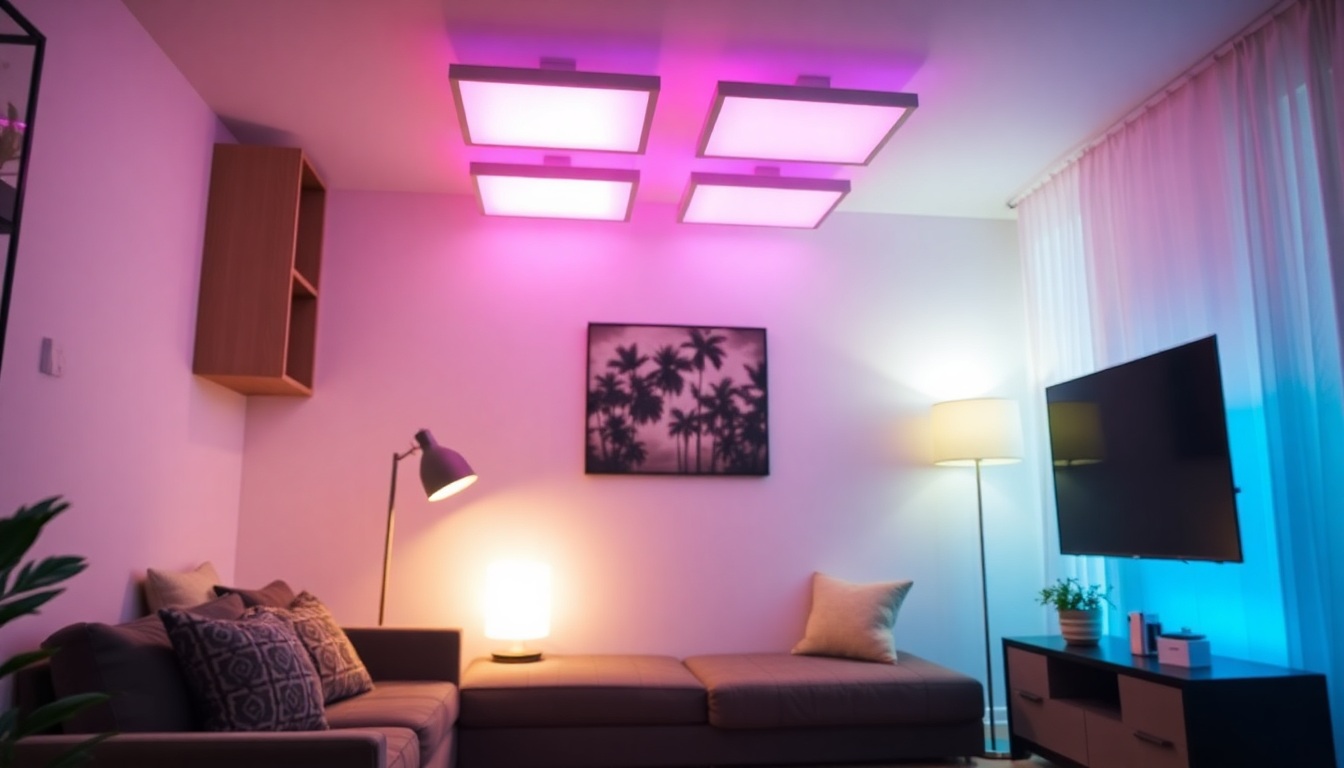
AI-powered ambient lighting that adapts to your space, wellness needs, and routines—modular LEDs with smart zoning for small rooms.
Why AI-Driven Ambient Lighting Matters in Small Spaces
Small spaces often become crowded with tasks, textures, and furnishings. The right lighting can make them feel larger, calmer, and more functional. AI-driven systems analyze patterns like occupancy, time of day, and preferred activities to deliver lighting that is not only bright enough for tasks but tuned for mood and health. The result is a room that breathes with you—supporting focus during work, relaxation after hours, and everything in between.
- Adaptive brightness and color temperature that respond to your routine
- Energy savings through predictive dimming and automation
- Consistent color rendering that enhances textures, paints, and decor
- Less visual clutter thanks to modular, wireless configurations
Modular LEDs: Design Flexibility for Compact Rooms
Modular LED modules are the backbone of adaptable small-space lighting. They enable scalable layouts, easy upgrades, and clean integration with smart controllers. Because they’re modular, you can reconfigure lighting as your space changes—without ripping out fixtures.
- Daisy-chain and plug-in options for ceilings, coves, under-cabinet options, and wall-washes
- Swappable modules to adjust brightness, color temperature, or RGB accents
- Low-profile fixtures that tuck into architectural details while delivering high-quality light
- Long-lasting LEDs with robust drivers to minimize maintenance in tight spaces
Wellness-First Design: Circadian Cues, Color Temperature, and Mood
Wellness-focused lighting extends beyond mere brightness. It aligns with circadian rhythms, supports productivity, and promotes relaxation. AI can adjust lighting to reflect the day’s cycle, seasonal changes, and even personal sleep patterns.
- Circadian-friendly color temperatures: cooler whites for mornings, warmer tones for evenings
- Dynamic brightness that mirrors natural daylight changes
- Non-flicker drivers and high CRI to reduce eye strain
- Biophilic cues with soft, organic lighting contrasts to reduce stress
Smart Zonal Control: Personalize Light by Activity and Time
Zone-based control lets you tailor lighting for each area without changing fixtures. AI orchestrates multiple modules to create distinct atmospheres within seconds, letting you switch from work-focused daylight to cozy evening ambience with a tap or voice command.
- Activity presets: Work, Relax, Read, Cook, Sleep
- App-based and voice control with intuitive scenes
- Sensors that adapt to occupancy, daylight, and weather to optimize ambience
- Room-wide and micro-zones that light only occupied areas to save energy
From Concept to Realistic Setup: A Practical Roadmap
Turning a concept into a living lighting system involves planning, hardware choices, and thoughtful programming. Here’s a realistic path for small spaces.
- Map zones by activity: task areas, ambient corners, and accent walls
- Choose modular LEDs with compatible drivers and tunable color temperature
- Pick an AI-enabled hub or bridge with strong automation and API access
- Route power and data cleanly to minimize visible wiring
- Program scenes, test, and refine over several weeks
System Architecture: Hardware, Software, and Open Ecosystems
An effective AI lighting system combines hardware modules, a central controller, and a software layer that supports automation and integration with other smart devices. Prioritize open APIs, reliable firmware updates, and compatibility with popular voice assistants.
- Modular LED modules with driver compatibility and dimming/color-tuning capabilities
- AI hub or bridge with adaptive learning and scene orchestration
- Open API and third-party sensor integrations for daylight or occupancy sensing
- Backup power options and robust cybersecurity practices
Space-Minded Design Principles: Layering Light and Color Fidelity
Effective small-space lighting uses layering: ambient, task, and accent layers working in harmony. Pay attention to color rendering index (CRI), color temperature range, and glare control to preserve comfort in tight rooms.
- Layer ambient, task, and accent lighting for depth without clutter
- Choose tunable whites (roughly 2700–6500K) for circadian alignment
- Seek high CRI (~90+) for faithful color rendition of artwork and finishes
- Deploy indirect or wall-wash lighting to reduce harsh shadows
Case Studies: Real-World Small-Space Transformations
Real installations show how AI lighting changes perception, comfort, and usability in compact environments.
- Case A — 120 sq ft studio: Modular ceiling modules provide distinct living, working, and sleeping zones. Tunable whites and smart scenes increased perceived room height by about 15% and improved daytime focus.
- Case B — 180 sq ft urban loft: Kitchen-living area with zoned lighting eliminated glare on glossy surfaces and improved color accuracy for cabinetry and wall art. Automated scenes switch from bright task light during cooking to warm, diffuse glow for evenings.
- Case C — 90 sq ft bedroom: Circadian lighting with a bedtime scene improved sleep onset by aligning artificial light with natural rhythms and reducing late-night blue-light exposure.
- Case D — 300 sq ft micro-loft: A flexible grid of modular panels allows rapid reconfiguration for guests, workouts, or film nights, with energy dashboards showing savings from intelligent dimming.
Design and Installation: Practical Tips for Homeowners
Implementing AI-driven ambient lighting in a small space benefits from careful planning and staged deployment. Here are practical tips to get you there efficiently.
- Start with zones based on daily routines: task zones (desk), living corners (sofa), and entryways (soft glow)
- Prioritize modular LEDs that can be swapped or expanded later
- Ensure drivers are compatible with dimming and color tuning requirements
- Choose a central hub with reliable software updates and strong API support
- Plan cable routes to minimize visible wires—think above crown mouldings or inside wall cavities
- Test scenes during different times of day to balance ambient and task lighting
Seasonal Trends and Design Inspirations for 2026
Lighting trends this year emphasize adaptability, sustainability, and wellness. Expect a rise in modular systems that blend with biophilic design, warm neutrals, and soft, luminous accents that adapt across daylight hours.
- Biophilic-inspired greens and earthy neutrals paired with warm-tinted whites
- Energy-efficient, low-profile modules with longer lifespans and easy maintenance
- Smart hubs that learn routines and coordinate with other smart devices for seasonal changes
- Calibrated color temperatures to mimic natural light across the day
Getting Started: Quick-Start Checklist for Your Small Space
- Assess zones: identify task, ambient, and focal areas
- Define your primary activities and preferred moods for each zone
- Choose modular LED modules with tunable whites and high CRI
- Select a smart hub with an open API and solid scene automation
- Plan a clean power and data routing strategy with minimal wiring
- Create initial scenes: Work, Relax, Read, Sleep
- Test, refine, and adapt as you live with the system
Maintenance, Upgrades, and Longevity
Modular LED systems offer long lifespans and flexibility for upgrades. Budget for occasional module replacements or driver updates, and choose components with solid warranties. Regular firmware checks and scene tuning keep the experience fresh and efficient.
- Look for 50,000+ hour rated LEDs with robust driver protection
- Prefer hubs with OTA (over-the-air) firmware updates and security patches
- Plan for potential future integrations with new sensors or smart-home devices
Conclusion: Transforming Small Spaces with Intelligent Light
AI-driven ambient lighting for small spaces blends modular flexibility, wellness-first design, and intelligent zonal control to redefine compact living. By selecting scalable LEDs, prioritizing circadian cues, and designing activity-based zones, you can craft a lighting system that enhances mood, productivity, and comfort while preserving precious square footage.
Visit XENTAR for more lighting, decor & furniture curated for modern homes and creative spaces.
Share:
Transform Small Spaces with AI-Driven Ambient Lighting: Modular, Energy-Efficient LEDs for Modern Tiny Homes
Adaptive Layered Ambient Lighting for Micro-Apartments: Modular Biophilic LEDs with Circadian Zonal Control