

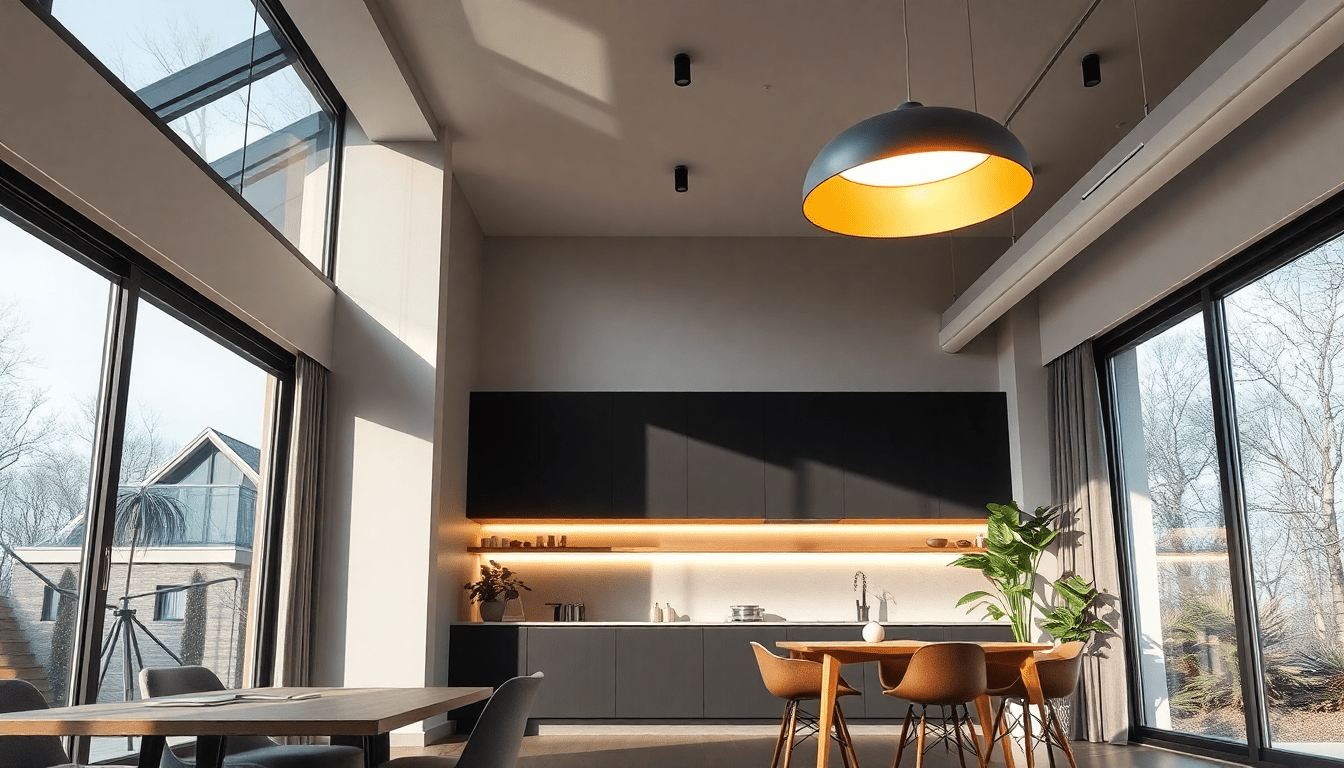
Introduction: Embracing Eco-Friendly Modern Interiors with Smart Lighting
In 2026, sustainable design is no longer just a trend—it's an essential component of modern living. With homes and commercial spaces increasingly prioritizing eco-friendliness, innovative smart lighting solutions play a pivotal role in creating energy-efficient, aesthetically pleasing environments. These advancements enable homeowners and designers to enhance ambiance, reduce energy consumption, and promote sustainability seamlessly. This comprehensive guide explores the latest innovations in sustainable smart lighting that are transforming interiors into eco-conscious havens.
Why Sustainable Smart Lighting Matters in Modern Interior Design
Smart lighting integrated with sustainable technology offers numerous benefits, making it a crucial aspect of contemporary interior design. Here’s why it matters:
- Energy Efficiency: Innovative lighting systems significantly cut down electricity usage, helping reduce carbon emissions and utility costs.
- Enhanced Aesthetics and Customization: Modern fixtures allow for dynamic lighting adjustments, creating personalized atmospheres that complement interior decor.
- Automation and Convenience: Smart controls and sensors enable effortless management of lighting, adjusting brightness, color, and schedules based on occupancy and time of day.
- Long-Term Savings and Sustainability: High-quality, eco-friendly materials combined with energy-efficient LED technology extend product lifespan and optimize resource use, ensuring cost-effectiveness over time.
Current Trends and Breakthroughs in Sustainable Smart Lighting (2026)
The lighting industry is witnessing rapid innovation, driven by technological advancements and a global focus on sustainability. Here are some of the most notable innovations shaping 2026:
1. Solar-Powered Smart Fixtures
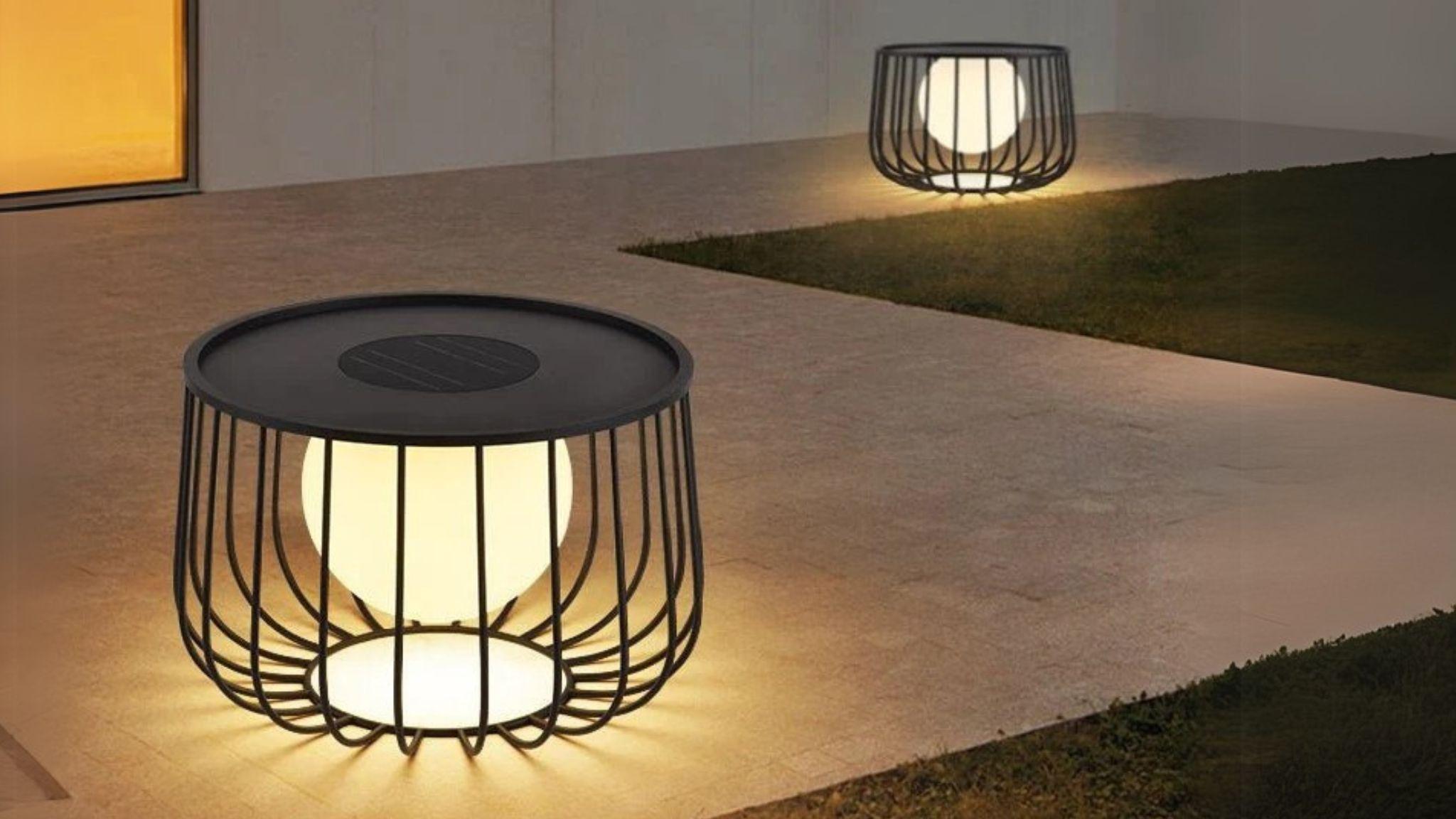
Integrating renewable energy sources, these fixtures convert sunlight into usable electricity, reducing reliance on fossil fuels. Advanced solar panels are now lightweight and highly efficient, allowing fixtures to operate independently or in tandem with grid power, with smart systems managing energy storage and usage.
2. Adaptive LED Solutions with Eco-Friendly Components
Modern LEDs are produced using environmentally friendly materials and are designed for minimal waste. They offer exceptional efficiency, color rendering, and longevity, making them ideal for sustainable homes. Smart LEDs can adjust brightness and color temperature automatically, conserving energy while enhancing ambiance.
3. AI-Driven Lighting Optimization
Artificial Intelligence algorithms analyze natural sunlight, occupancy patterns, and user preferences to optimize lighting conditions in real-time. This proactive approach ensures that spaces are lit appropriately at all times, minimizing waste and maximizing comfort.
4. Human-Centric Circadian and Tunable Lighting
Lighting that mimics natural circadian rhythms improves well-being and productivity. These systems adjust color temperature and light intensity throughout the day, using sustainable, flicker-free LED technology that consumes less power.
5. Eco-Conscious Materials and Packaging Innovations
Manufacturers are focusing on biodegradable, recycled, and low-impact materials for fixtures and packaging, drastically reducing environmental footprints. This shift reflects a holistic approach to sustainability beyond just energy savings.
Design Strategies for Sustainable Smart Lighting Integration
Effective incorporation of eco-friendly lighting solutions requires intentional design choices. Here are strategic tips for creating sustainable, smart-lit interiors:
- Maximize Natural Light: Use large windows, skylights, and reflective surfaces to reduce dependency on artificial lighting during daytime.
- Implement Zoning and Dimming Controls: Divide spaces into zones with individual lighting controls, allowing for targeted energy use based on activity and occupancy.
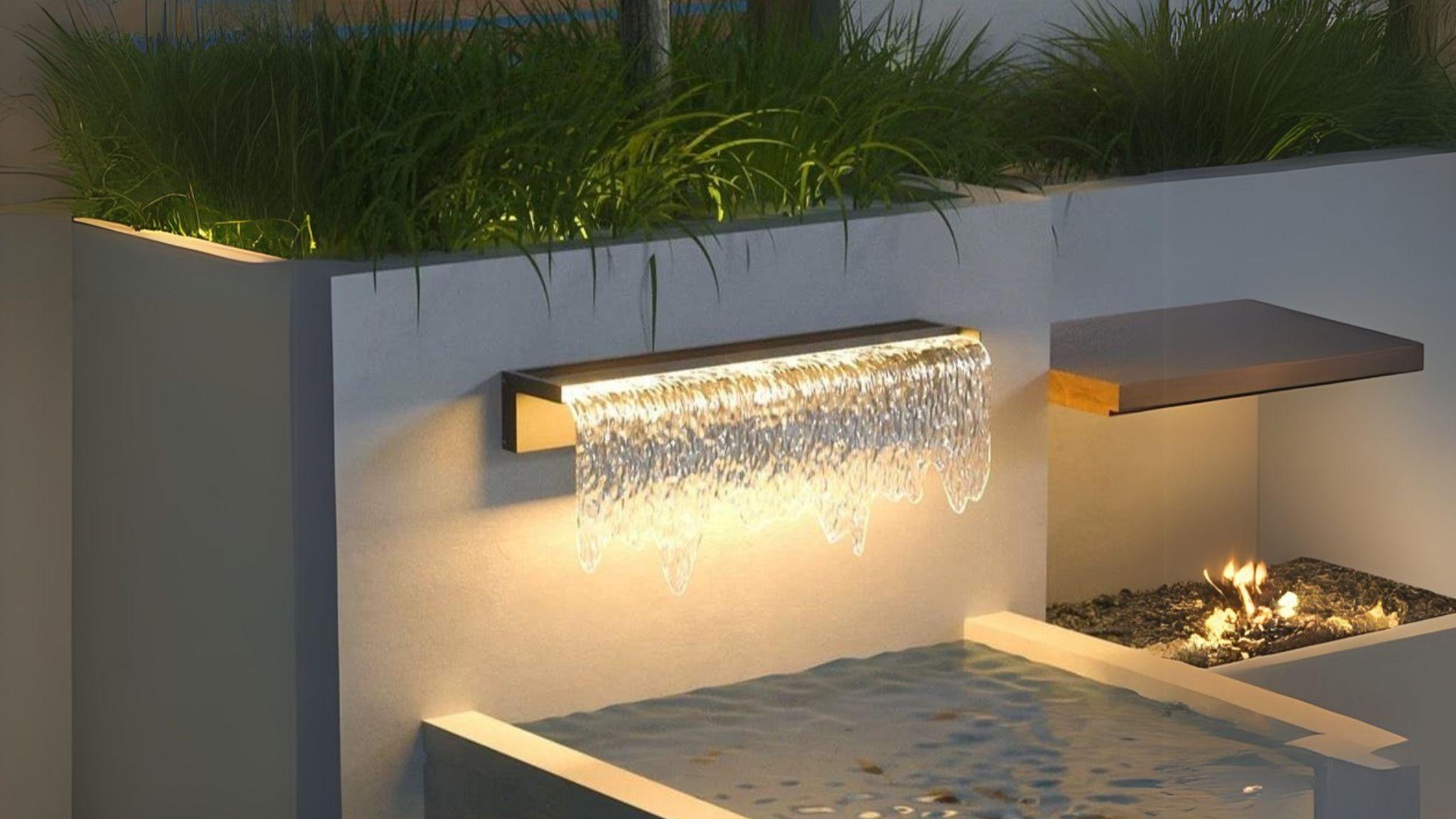
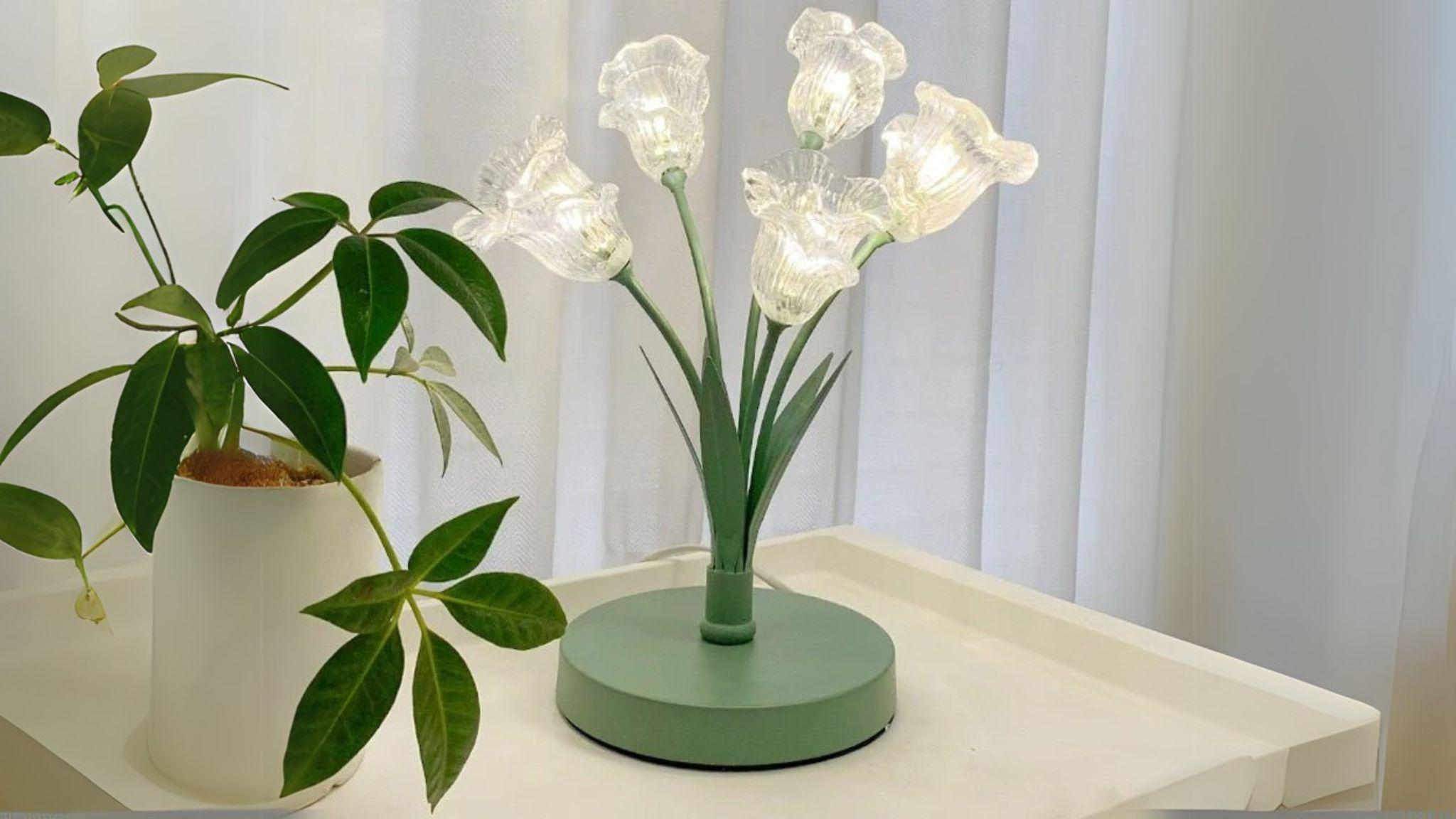
- Choose Aesthetic Fixtures That Support Sustainability: Select fixtures made from recycled or biodegradable materials that complement your interior style.
- Integrate Smart Automation Systems: Use smart platforms compatible with voice commands and mobile apps to manage lighting levels effortlessly and set schedules.
- Consider Human-Centric Lighting Design: Incorporate circadian lighting concepts to promote health and well-being while conserving energy.
Advanced Technologies Shaping the Future of Sustainable Smart Lighting
Looking ahead, several emerging technologies promise to further revolutionize eco-conscious lighting:
- IoT Ecosystem Integration: Devices communicate seamlessly, enabling centralized control of lighting, climate, and security systems for optimal efficiency.
- Biophilic Lighting Designs: Combining natural elements like plant life with lighting setups to create healthier, more relaxing environments.
- Wireless Power Transfer: Innovations enabling fixtures to be powered or recharged wirelessly, reducing wiring waste and improving flexibility.
- Augmented Reality (AR) Planning Tools: Virtual visualization of lighting effects in real spaces to assist designers and homeowners in making sustainable choices.
Case Studies: Successful Eco-Friendly Smart Lighting Installations
Real-world examples highlight how sustainable smart lighting is transforming interiors:
- Eco-Resort in Scandinavia: Utilized solar-powered smart fixtures combined with AI-driven controls to create an energy-neutral hospitality environment.
- Urban Loft in Tokyo: Integrated circadian lighting and sustainable materials, enhancing wellness and reducing energy bills.
- Modern Office Space in San Francisco: Adopted IoT connected smart lighting that adapts to natural daylight, reducing carbon footprint and improving employee productivity.
Conclusion: Light the Way to a Greener Future in 2026 and Beyond
As we continue into 2026, the importance of sustainable smart lighting in shaping eco-friendly interiors cannot be overstated. These innovations not only elevate interior aesthetics but also serve as vital tools in reducing environmental impact. By adopting these forward-thinking solutions, homeowners, designers, and businesses can create healthier, more sustainable environments that align with the global push toward responsible living.
Investing in sustainable lighting technology today paves the way for a better tomorrow—one illuminated by responsible choices and cutting-edge innovation.
Visit XENTAR for more lighting, decor & furniture curated for modern homes and creative spaces.
_
Share:
Revolutionizing Modern Interiors with Sustainable and Adaptive Smart Lighting Innovations for 2026
Eco-Conscious Lighting Innovations for Modern Interior Design: Enhancing Sustainability and Style in 2026