

Introduction
In 2026, the interior design landscape continues to evolve with a strong emphasis on sustainability and innovation. Eco-conscious lighting plays a pivotal role in creating stylish, energy-efficient, and environmentally friendly living spaces. This article explores the latest advancements in eco-friendly lighting, their integration into modern interior design, and how you can leverage these innovations to craft a home that is both beautiful and sustainable.
The Growing Importance of Eco-Conscious Lighting in 2026
As climate awareness intensifies, homeowners and designers alike are prioritizing sustainable choices that reduce carbon footprints and promote healthy living environments. Lighting, which accounts for a significant portion of residential energy consumption, presents substantial opportunities for improvement. Embracing eco-conscious lighting solutions aligns with broader goals of reducing greenhouse gas emissions, conserving resources, and fostering a more environmentally responsible way of living.
Furthermore, advances in technology have made sustainable lighting more accessible, affordable, and visually appealing. Modern consumers seek lighting that complements their interior aesthetics while supporting sustainability commitments. In 2026, the convergence of innovative technology, sustainable materials, and smart controls empowers homeowners to create interiors that are both stylish and environmentally responsible.
Innovations Transforming Eco-Friendly Lighting in 2026
1. Cutting-Edge LED Technology
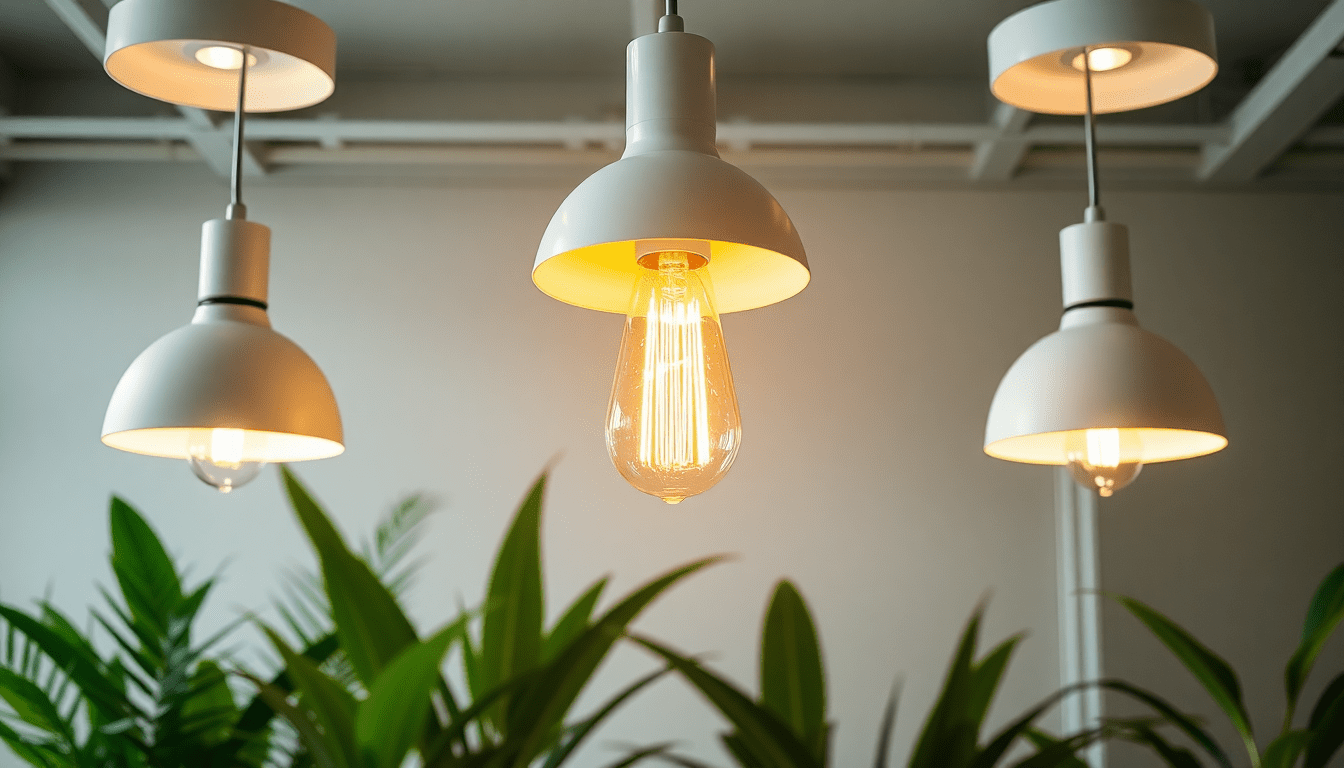
Leaders in lighting manufacturing have perfected LED (Light Emitting Diode) technology, making LEDs more energy-efficient, longer-lasting, and versatile. Newer models feature improved color rendering, higher luminance, and better dimming capabilities, which enable seamless integration into various design schemes. High-quality LEDs consume up to 85% less energy than traditional incandescent bulbs and last for over 25,000 hours, significantly reducing replacement waste and costs.
2. Smart Lighting Systems Promoting Efficiency
Smart lighting networks utilize IoT (Internet of Things) technology to connect fixtures, sensors, and control devices. These systems allow users to automate lighting based on occupancy, daylight availability, or schedules, drastically reducing unnecessary energy use. Features such as voice control, app-based adjustments, and learning algorithms ensure the lighting adapts to users' routines, optimizing both energy efficiency and comfort.
3. Sustainable & Recyclable Materials
The shift towards greener manufacturing extends to the materials used in lighting fixtures. Recycled metals, bioplastics, organic fibers, and biodegradable plastics are now common in fixture production. Brands focus on minimizing waste by designing fixtures that are fully recyclable at end-of-life, aligning with circular economy principles.
4. Solar-Powered and Off-Grid Solutions
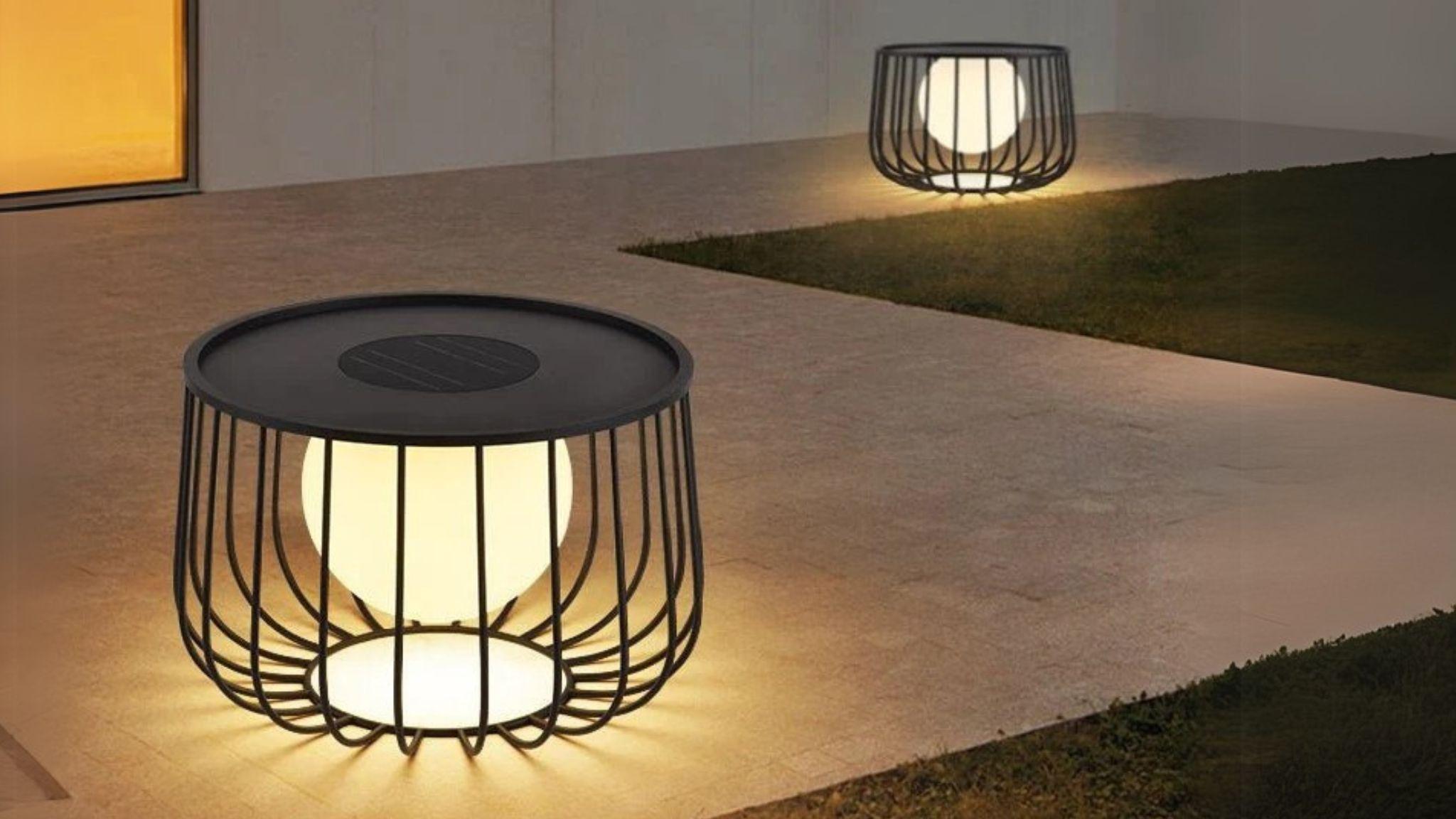
Solar-powered lighting fixtures, including pathway lights, garden lamps, and even indoor fixtures with integrated solar panels, harness renewable energy to operate. These solutions lower reliance on grid electricity, especially in outdoor settings, and are increasingly suitable for eco-conscious urban and rural homes. Advances in solar panel efficiency and backup battery technology have made these options more reliable and cost-effective.
5. Human-Centric and Circadian Lighting
Lighting that aligns with human circadian rhythms enhances health, productivity, and sleep quality. Devices that automatically adjust color temperature and intensity through the day promote well-being and reduce energy waste. Circadian lighting technology integrates seamlessly with smart home systems, offering personalized lighting experiences that mimic natural light patterns.
Designing with Eco-Conscious Lighting in Mind
Incorporating these innovations into your home requires a strategic approach that balances aesthetics, functionality, and sustainability. Here are practical tips and ideas to help you achieve that harmony:
Ambient Lighting Ideas
- Use energy-efficient LED ceiling fixtures with warm color temperatures to create inviting atmospheres.
- Install dimmable smart lighting panels that adapt to natural light and user preferences.
- Emphasize indirect lighting techniques to reduce glare and distribute light evenly.
Accent and Task Lighting
- Highlight architectural features or artwork with environmentally friendly spotlights made from recycled materials.
- In kitchens and workspaces, select adjustable, low-energy task lights to improve focus while conserving energy.
- Incorporate portable solar-powered lamps for outdoor entertainment or relaxing evening setups.
Integrating Technology and Design
- Smart switches and dimmers enable you to control lighting remotely, schedule operations, and optimize energy use.
- Choose fixtures that support circadian lighting modes for better health and mood regulation.
- Combine natural and artificial lighting for a balanced, eco-friendly ambiance.
Eco-Friendly Lighting Trends for 2026
The latest trends reflect a commitment to sustainability while maintaining high style and functionality:
- Minimalist and Eco-Aesthetic Fixtures: Clean lines, recycled metals, and eco-friendly finishes embody modern sophistication with an environmentally conscious twist.
- Biophilic Design Integration: Natural materials and organic shapes complemented by daylight-mimicking lighting reinforce the connection to nature, promoting wellness.
- Color-Tuning and Tunable White Lighting: Adjustable color temperature and smart controls allow personalization that supports circadian health and mood setting.
- Outdoor Eco-Lighting: Solar-powered pathway lights, lanterns, and landscape fixtures that blend sustainability with outdoor aesthetics.
Environmental and Economic Benefits
Adopting eco-conscious lighting delivers multiple advantages beyond aesthetics:
- Significant reduction in energy bills due to efficient LED and smart technology usage.
- Lower greenhouse gas emissions aligning with global climate goals.
- Decreased waste through the use of recyclable materials and long-lasting fixtures.
- Enhanced indoor air quality and health benefits when combining circadian lighting with natural daylight.
Conclusion
As 2026 progresses, the integration of eco-conscious lighting innovations in interior design becomes not just a trend but a necessity for sustainable living. Embracing these technologies and design principles allows you to craft spaces that are visually striking, environmentally responsible, and aligned with the future of home aesthetics.
By prioritizing energy efficiency, sustainable materials, and smart technology, you foster a healthier planet while elevating your home's interior appeal. It’s a win-win scenario that enhances your lifestyle and supports global sustainability efforts.
Visit XENTAR for more lighting, decor & furniture curated for modern homes and creative spaces.
Share:
Sustainable Smart Lighting Innovations for Eco-Friendly Modern Interiors in 2026
Transform Your Living Space with Eco-Friendly Smart Lighting Solutions and Contemporary Decor Trends in 2026