

Introduction: Brighten Your Home Sustainably in 2026
As the world shifts towards more eco-conscious lifestyles, sustainable interior lighting stands at the forefront of modern home decor. In 2026, integrating energy-efficient, environmentally friendly lighting solutions not only reduces your carbon footprint but also elevates your living space with innovative and stylish aesthetics. This comprehensive guide explores the latest trends, technological advancements, and design strategies to help you craft an eco-friendly, beautifully lit home that reflects both sophistication and sustainability.
Why Sustainable Interior Lighting Matters
Beyond mere aesthetics, sustainable lighting contributes significantly to environmental preservation, energy savings, and occupant well-being. Modern eco-friendly lighting solutions help minimize electricity consumption, reduce greenhouse gas emissions, and foster healthier living conditions by minimizing harmful emissions and promoting natural wellness. As homeowners seek to merge functionality with environmental responsibility, understanding the key benefits is essential:
- Reduced Energy Consumption: Lower utility bills and less strain on power grids.
- Environmental Impact: Lesser pollution and conservation of natural resources.
- Enhanced Aesthetic Appeal: Seamless integration of innovative technology and modern design.
- Improved Well-Being: Natural lighting's positive effects on mood and productivity.
Harnessing Smart Lighting Technology for Eco-Friendly Living
Smart lighting systems are transforming sustainable home illumination by offering customizable, adaptive, and energy-efficient solutions that can be controlled remotely. In 2026, smart lighting technology has become accessible and user-friendly, making it easier than ever to create an eco-conscious environment:
Innovative smart lighting features include:
- Adaptive Dimming Systems: Automatically adjust brightness based on occupancy or natural light levels, saving energy without sacrificing comfort.
- Wireless Control and Automation: Use smartphone apps or voice commands to manage multiple lighting zones, set schedules, or activate scenes for different times of day.
- Color Temperature Adjustment: Shift between warm and cool tones to match natural circadian rhythms, enhancing sleep and alertness.
- Energy Usage Monitoring: Track and analyze energy consumption patterns to optimize usage and further reduce environmental impact.
Choosing Eco-Friendly Fixtures and Materials
The foundation of sustainable lighting lies in eco-conscious fixtures crafted from sustainable, recycled, or biodegradable materials. Modern innovations have expanded the options available for environmentally responsible design:
- Material Selection: Look for fixtures made from bamboo, reclaimed wood, recycled metal, or biodegradable plastics, which significantly reduce environmental impact.
- LED Technology: LED bulbs remain the gold standard for sustainability due to their high energy efficiency, durability, and minimal heat emission.
- Low-Impact Coatings: Opt for eco-friendly, non-toxic finishes and paints that avoid VOCs (volatile organic compounds) and harmful chemicals.
- Design Sustainability: Favor minimalist, modular fixtures that can be easily repaired, repurposed, or upgraded, reducing waste and extending lifespan.
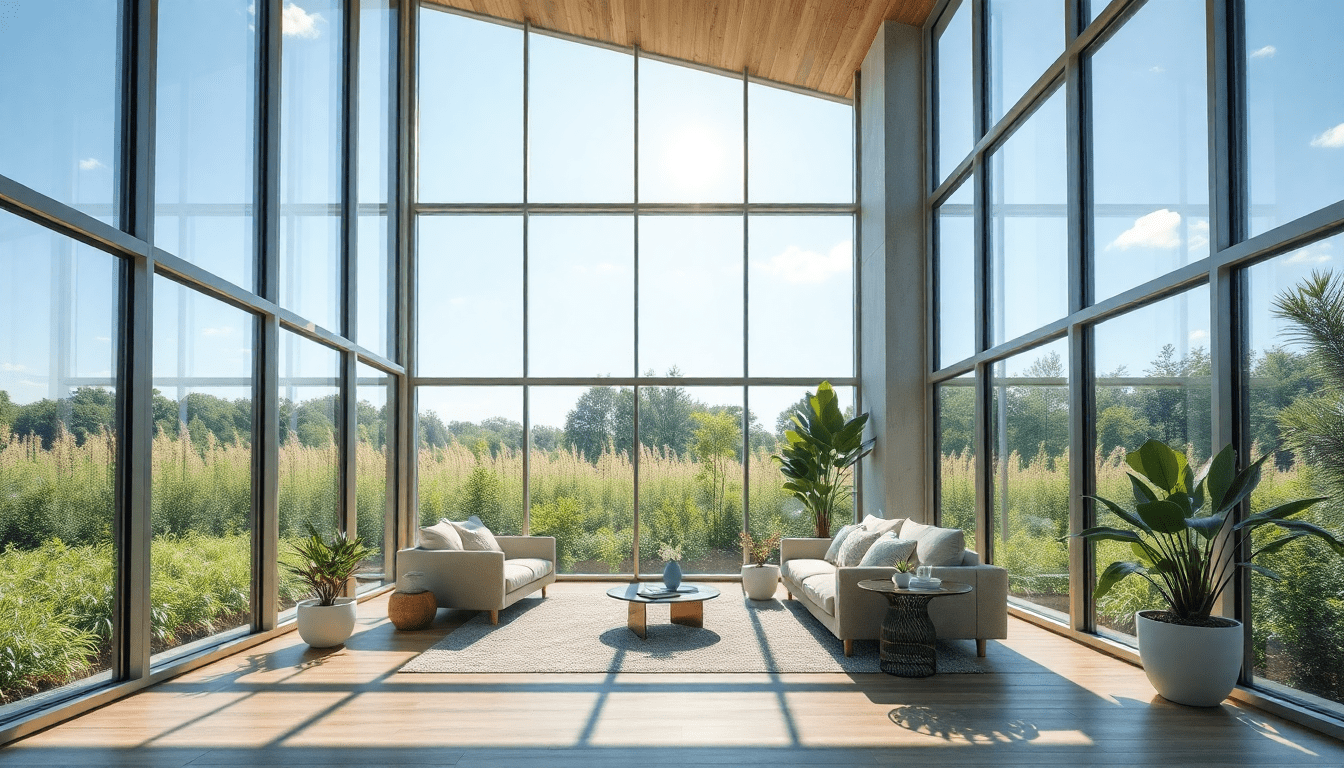
Maximize Natural Light: The Cornerstone of Eco-Friendly Interior Design
Natural lighting is a fundamental element of sustainable interior lighting, reducing dependence on artificial sources and boosting occupant health. In 2026, homes are increasingly designed to maximize daylight exposure through thoughtful architectural features:
Strategies include:
- Architectural Features: Large windows, skylights, and glass doors to invite natural light deep into interiors.
- Reflective Surfaces and Light Colors: Use of mirrors, white or light-colored walls, and reflective decor to disperse sunlight evenly throughout the space.
- Window Treatments: Use of solar shades, blinds, or curtains that can be adjusted to control light penetration while minimizing heat loss or heat gain.
- Outdoor Integration: Landscape design that directs sunlight into interiors or creates shaded areas to control natural lighting conditions effectively.
Designing with Eco-Friendly Lighting Solutions
Integrating sustainable lighting into interior decor requires thoughtful design choices that balance aesthetics, function, and environmental impact. Here are some innovative ideas for achieving this balance:
Layered and Contextual Lighting
- Ambient Lighting: Use energy-efficient ceiling lighting or wall-mounted fixtures to provide overall illumination.
- Task Lighting: Focused lighting such as LED desk lamps or under-cabinet lighting for work or reading areas.
- Accent Lighting: Highlight artwork or architectural features with small, low-energy spotlights.
Sustainable Outdoor Lighting Options
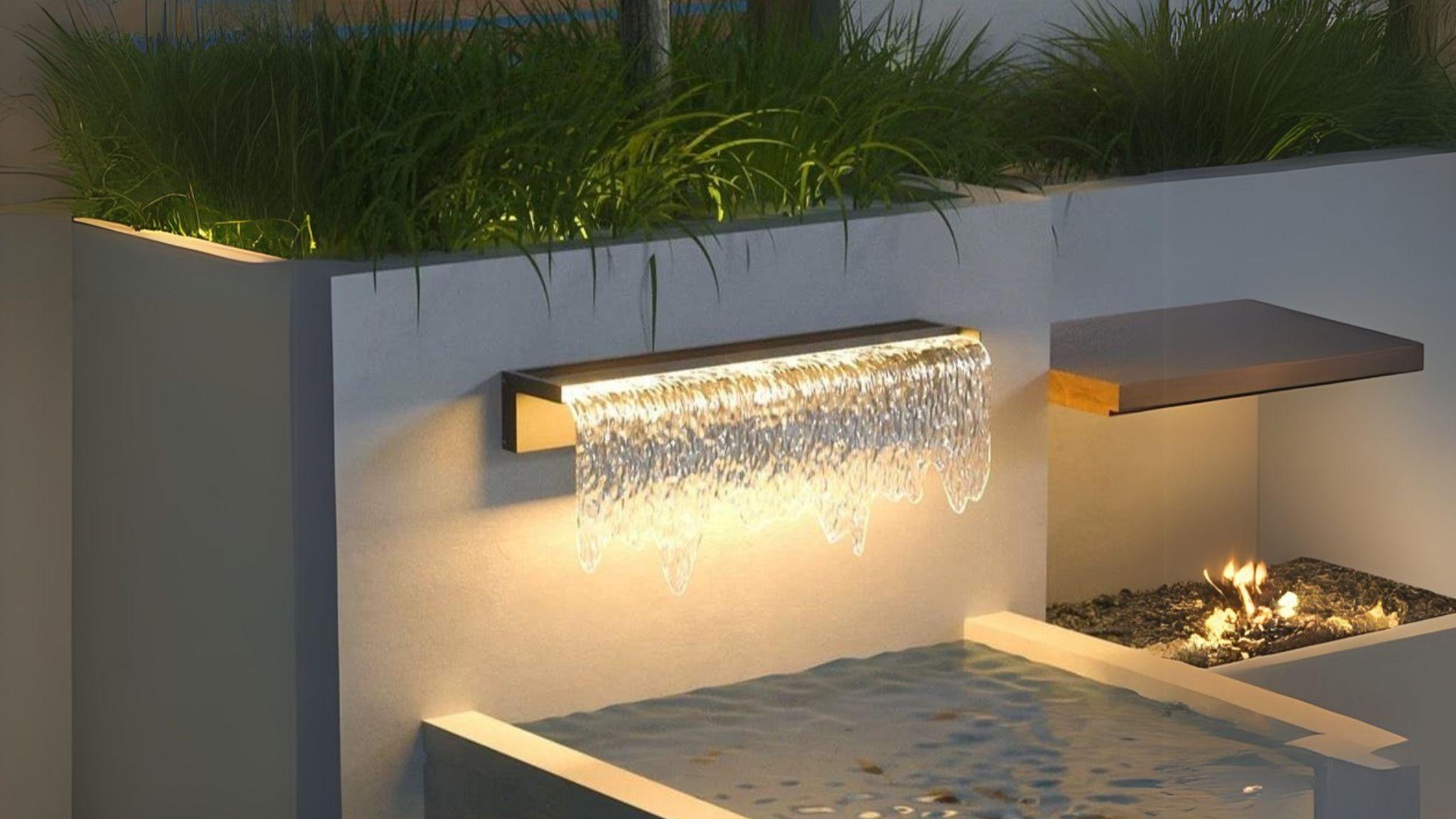
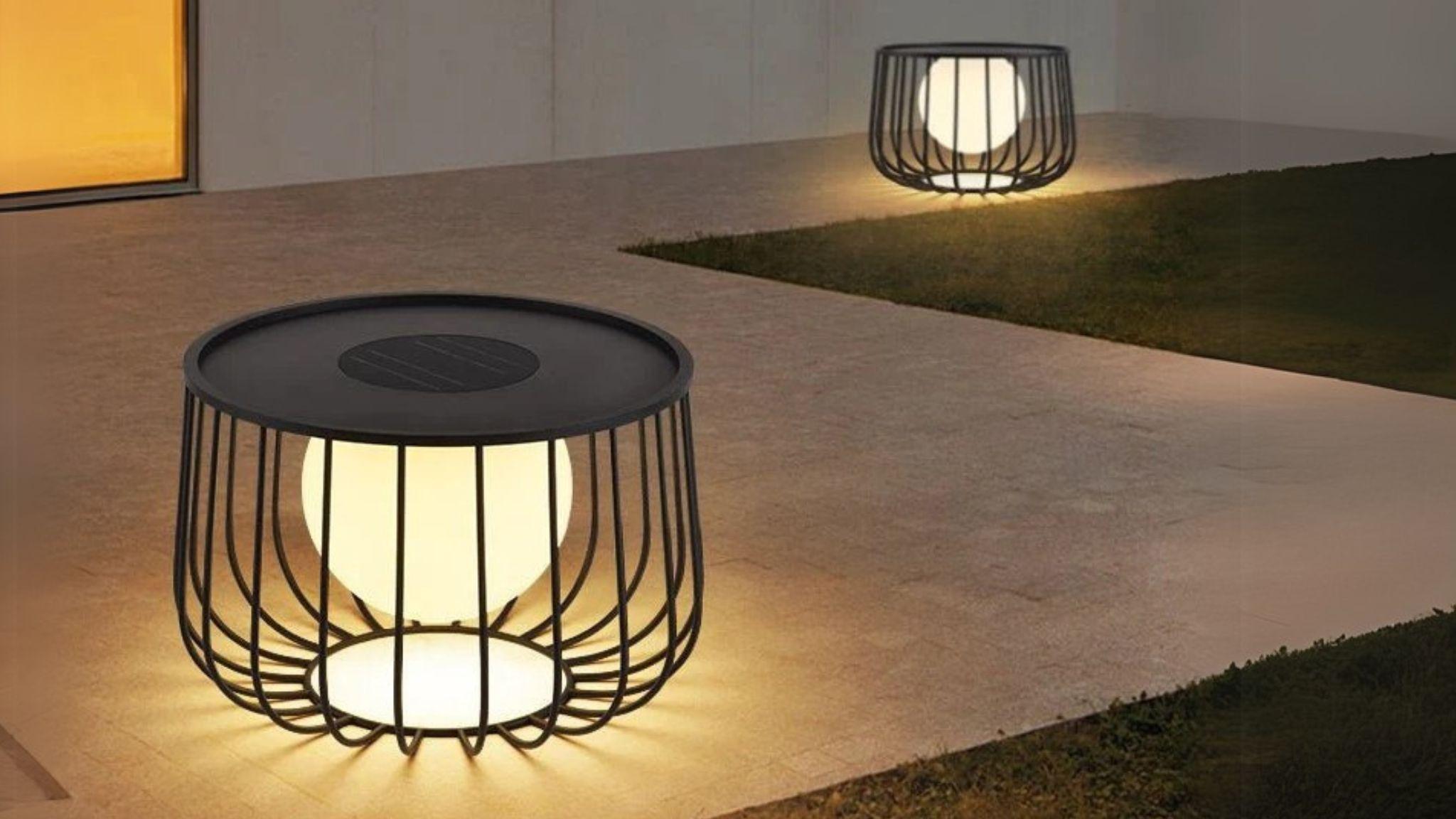
- Solar-powered pathway and garden lights that add charm without increasing your energy bill.
- Biodegradable lanterns or eco-friendly string lights for seasonal outdoor decor.
Future Trends in Eco-Friendly Home Lighting
Staying ahead of trends ensures your home remains stylish, functional, and sustainable. In 2026, expect the following innovations to influence eco-friendly lighting:
- integration with IoT (Internet of Things): Seamless automation and energy management via smart home systems.
- Human-Centric Lighting: Tailored lighting that adapts to circadian rhythms for health benefits.
- Biophilic Design Elements: Incorporation of natural motifs and organic materials to promote well-being and sustainability.
- Renewable Energy Integration: Combining solar panels with indoor lighting to create completely off-grid or self-sustaining systems.
Creating an Eco-Conscious Decor Style
Sustainable lighting is just one component of a broader eco-friendly interior. Consider these decor styling tips:
- Natural Textures and Materials: Use jute, hemp, linen, and cork in your furnishings and decor accents.
- Minimalism and Decluttering: Reduce excess and focus on quality, sustainable pieces.
- Color Palettes: Embrace earthy tones inspired by nature to create calming, environmentally-inspired interiors.
Conclusion: Illuminate Your Space Responsibly in 2026
Adopting sustainable modern interior lighting in 2026 means embracing technology, eco-friendly materials, and innovative design concepts. By thoughtfully integrating smart lighting, maximizing natural light, and choosing environmentally responsible fixtures, you can craft a home that is both beautiful and environmentally sustainable. This holistic approach not only enhances your living environment but also contributes to the global effort to protect our planet.
Remember, responsible lighting is an investment in your home’s future — combining style, efficiency, and ecological mindfulness.
Visit XENTAR for more lighting, decor & furniture curated for modern homes and creative spaces.
Share:
Innovative Techniques for Illuminating Modern Interiors with Smart, Eco-Friendly Lighting Solutions in 2026
Next-Generation Smart Lighting Innovations to Elevate Sustainable Modern Interiors in 2026