

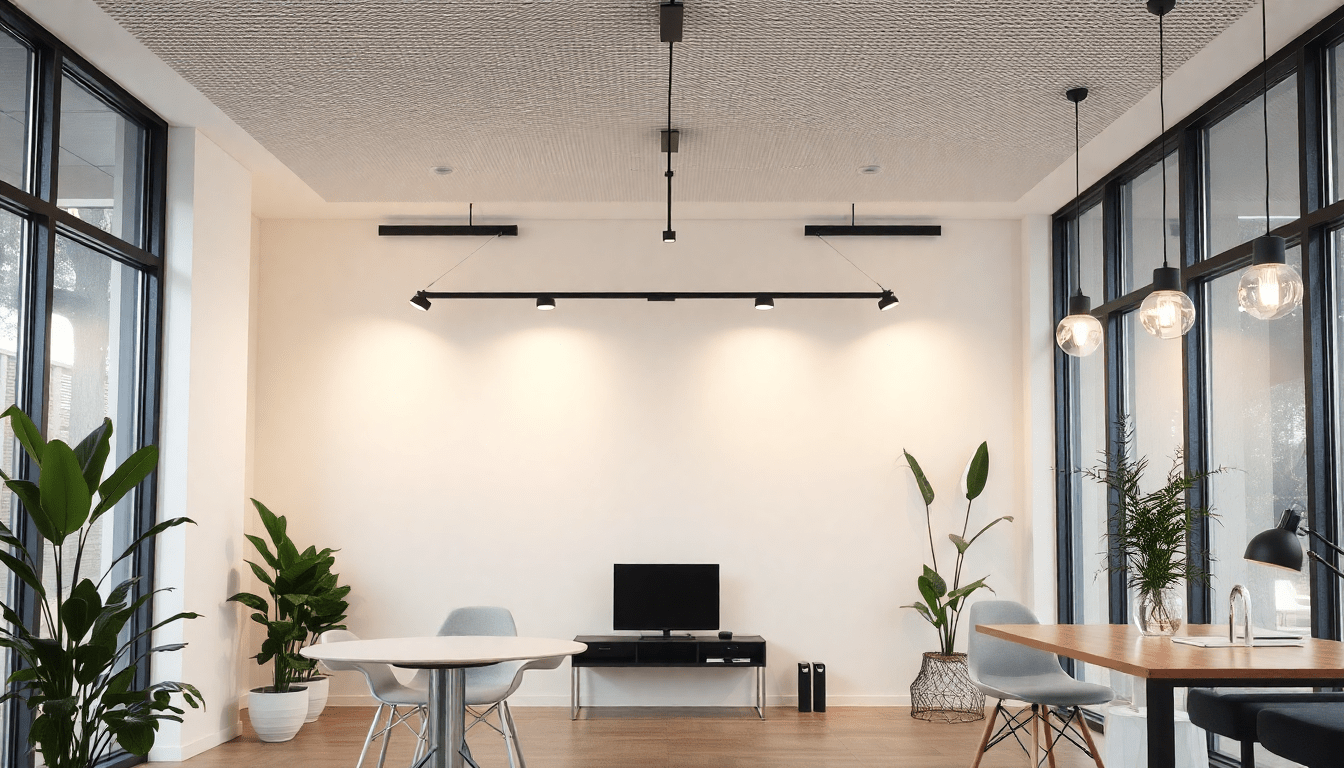
Introduction: Transform Your Space with Advanced Lighting Techniques in 2026
In 2026, the landscape of interior design is more dynamic and innovative than ever before. Lighting has transcended its traditional role to become a pivotal element that defines a space's ambiance, functionality, and aesthetic appeal. Modern homeowners, designers, and architects are now prioritizing smart, eco-friendly lighting solutions that are not only visually stunning but also sustainable and energy-efficient. This comprehensive guide explores the latest techniques and trends shaping the way we illuminate our interiors, offering insights into creating intelligent, environmentally responsible, and beautifully lit spaces.
Why Choose Smart and Eco-Friendly Lighting?
Embracing smart and eco-friendly lighting solutions offers numerous advantages, making them an excellent investment for modern homes. Here are some compelling reasons why these advanced lighting techniques should be a cornerstone of your interior design strategy:
- Sustainable Living: Reducing energy consumption aligns with global efforts for environmental conservation. Switching to LED-based, low-power lighting significantly cuts carbon emissions.
- Enhanced Convenience: Remote control, automation, and voice-activated features enable effortless management of your lighting settings, improving user experience.
- Cost Savings: Less energy usage translates into lower utility bills. Smart systems often come with programmable schedules that optimize performance and conserve energy.
- Personalized Ambiance: Dynamic lighting options allow for tailored moods and settings—perfect for entertaining, relaxing, or working.
- Future-Proof Design: Incorporating smart and eco-friendly technologies ensures your home stays relevant with evolving innovations and continues to add value.
Innovative Techniques for Illuminating Modern Interiors
1. Integration of Smart Lighting Systems
Smart lighting technology is revolutionizing how we illuminate our spaces, providing unprecedented control and flexibility. Modern systems include:
- Color-Changing LEDs: Create vibrant, mood-enhancing atmospheres that can be customized via apps or voice commands.
- Adaptive Dimming: Adjust lighting levels based on activity or time of day for energy efficiency and comfort.
- Automation & Schedules: Set routines that turn lights on/off or change hues automatically, enhancing convenience and security.
- Platform Compatibility: Seamlessly connect lighting with smart home ecosystems like Alexa, Google Assistant, or Apple HomeKit for integrated control.
2. Utilization of Human-Centric Lighting
This approach emphasizes aligning lighting conditions to mimic natural daylight dynamics, promoting well-being and productivity:
- Circadian Rhythm Optimization: Adjust light temperature and intensity throughout the day to support natural biological rhythms.
- Well-being Enhancement: Studies show that proper daylight simulation can improve mood, sleep quality, and overall health.
- Indoor Environments for Productivity: Offices and home workspaces benefit from tailored lighting that reduces eye strain and boosts focus.
3. Incorporating Eco-Friendly Materials and Fixtures
Designing with sustainability at the forefront involves selecting fixtures and materials that are environmentally responsible:
- Recycled and Reclaimed Materials: Use fixtures made from recycled metals, plastics, or sustainable woods like bamboo.
- Low-Impact Manufacturing: Choose products produced with eco-conscious processes that minimize waste and energy use.
- Durability & Longevity: Opt for high-quality fixtures that last longer, reducing the need for frequent replacements.
4. Layered Lighting for Depth and Texture
A layered lighting approach combines various types of illumination to create depth, interest, and flexibility:
- Ambient Lighting: Provides overall illumination for the room, achieved via ceiling mounts or recessed fixtures.
- Task Lighting: Focused lighting for specific activities such as reading, cooking, or workspace illumination.
- Accent Lighting: Highlights artwork, architectural features, or decorative elements, adding personality to your space.
5. Use of Invisible and Hidden Lighting
Concealed lighting techniques lend a sleek, modern feel to interiors by hiding fixtures and creating clean lines:
- LED Strip Lights: Installed behind moldings, under cabinets, or within furniture for subtle glow effects.
- Recessed Lighting: Fixtures installed flush with ceilings or walls for a minimalist aesthetic.
- Fiber Optic and Cove Lighting: Add a touch of elegance and highlight architectural details.
Applying Aesthetics with Technology
Blending aesthetics with technology is key to contemporary interior lighting design. Techniques include:
- Color Palette Coordination: Match lighting colors with interior decor to enhance thematic consistency.
- Smart Control Panels: Use centralized control panels or apps that enable intuitive adjustments.
- Voice-Activated Scenes: Create personalized lighting scenes that respond to verbal commands for different moods and activities.
Future Trends in Interior Lighting for 2026 and Beyond
- AI-Driven Lighting: Artificial intelligence learns user preferences, adjusting lighting automatically for optimal comfort and efficiency.
- Solar-Powered Fixtures: Increasing adoption of solar LEDs minimizes reliance on grid power and enhances off-grid living solutions.
- Gesture Control: Light activation and adjustments through simple gestures for a touchless experience.
- Integrated Smart Mirrors and Surfaces: Mirrors with embedded lighting and touch controls for beauty, health, and functionality.
Design Tips for Implementing These Techniques
- Assess Your Space: Identify areas that require ambient, task, and accent lighting.
- Prioritize Sustainability: Choose fixtures with low energy consumption and eco-friendly materials.
- Embrace Flexibility: Use programmable and adjustable systems to adapt lighting to different needs and moods.
- Invest in Quality: High-quality fixtures and systems ensure longevity, durability, and better lighting performance.
- Work with Professionals: Collaborate with lighting designers or interior specialists to optimize placement and technology integration.
Conclusion: Light Up Your Modern Home Innovatively
Incorporating these innovative lighting techniques will transform your living or working space into a futuristic, sustainable haven. The integration of smart, eco-friendly, and aesthetic lighting solutions empowers you to create versatile environments that promote well-being, reflect personal style, and respect our planet. The future of interior lighting is bright—embrace the possibilities and make your spaces shine in 2026 and beyond.
Visit XENTAR for more lighting, decor & furniture curated for modern homes and creative spaces.
Share:
Revolutionizing Modern Living Rooms with Adaptive Smart Lighting and Sustainable Decor Innovations in 2026
Sustainable Modern Interior Lighting Ideas: Ingenious Strategies to Enhance Eco-Friendly Home Decor in 2026