

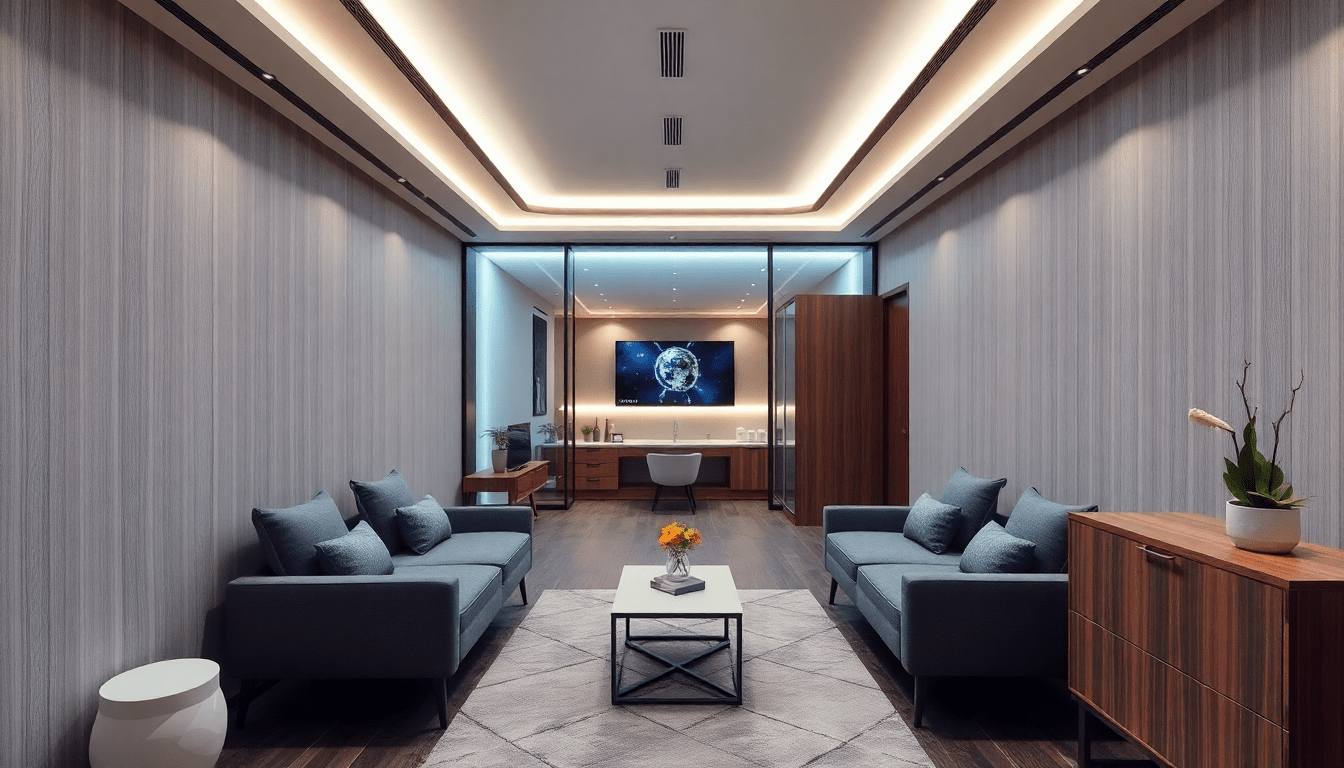
Introduction: Transforming Home Environments with Sustainable Smart Lighting
In 2026, the world of interior design is experiencing a revolution driven by innovative sustainable smart lighting solutions. This fusion of eco-friendly technology and cutting-edge design principles offers homeowners and interior designers unprecedented control over ambiance, energy efficiency, and aesthetic appeal. As sustainability becomes more than just a trend, it now shapes the very foundations of modern interior living spaces, making them smarter, greener, and more personalized than ever before.
The Rise of Sustainable Smart Lighting: A Paradigm Shift in Interior Design
Sustainable smart lighting represents a significant evolution in residential and commercial interiors. It moves beyond traditional lighting by incorporating intelligent control systems, eco-friendly materials, and adaptive features that respond to environmental and user-specific cues.
Why Sustainable Smart Lighting Is Essential in 2026
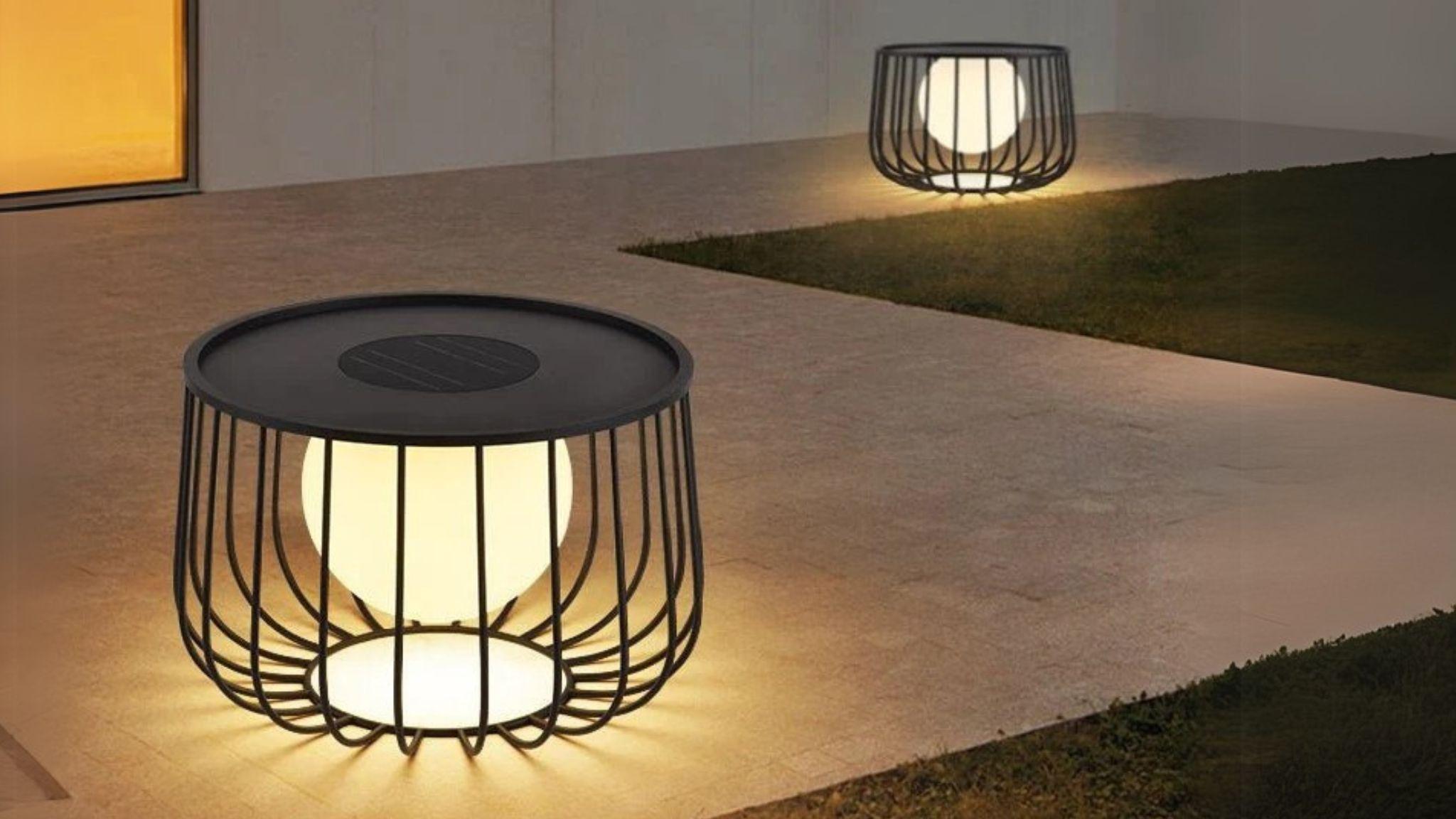
- Environmental Impact Reduction: Incorporates energy-efficient LED technology, solar integration, and recyclable materials, significantly lowering carbon footprints.
- Operational Cost Savings: Reduced energy consumption leads to lower utility bills and decreased maintenance costs, offering long-term financial benefits.
- Enhanced User Experience: Customizable, adaptive lighting that creates optimal visual comfort and supports mental and physical well-being.
- Design Flexibility: Wide range of styles and functionalities to suit diverse interior themes while maintaining eco-conscious standards.
The Advanced Features Powering 2026 Interior Lighting Innovation
1. Intelligent Automation & Connectivity
- Voice control compatibility with Alexa, Google Assistant, and other platforms.
- Smartphone app integration for remote control and scheduling.
- Automated adjustments based on occupancy sensors and daylight harvesting.
2. Mood & Scene Settings
- Pre-programmed lighting scenes for relaxation, work, entertainment, and sleep.
- Color-tunable LEDs that shift hues to influence mood and atmosphere dynamically.
3. Eco-conscious Material Usage
- Biodegradable components and recyclable packaging support circular design models.
- Low-impact manufacturing processes that minimize waste and pollution.
4. Integrative Ecosystems
- Interoperability with smart home ecosystems, including security, climate control, and entertainment systems.
- Standardized protocols like Zigbee, Z-Wave, and Matter ensuring seamless device connectivity.
Key Interior Lighting Trends in 2026
- Ambient & Layered Lighting: Creating immersive environments with layered lighting schemes combining ceiling-mounted fixtures, hidden LED strips, and accent lighting.
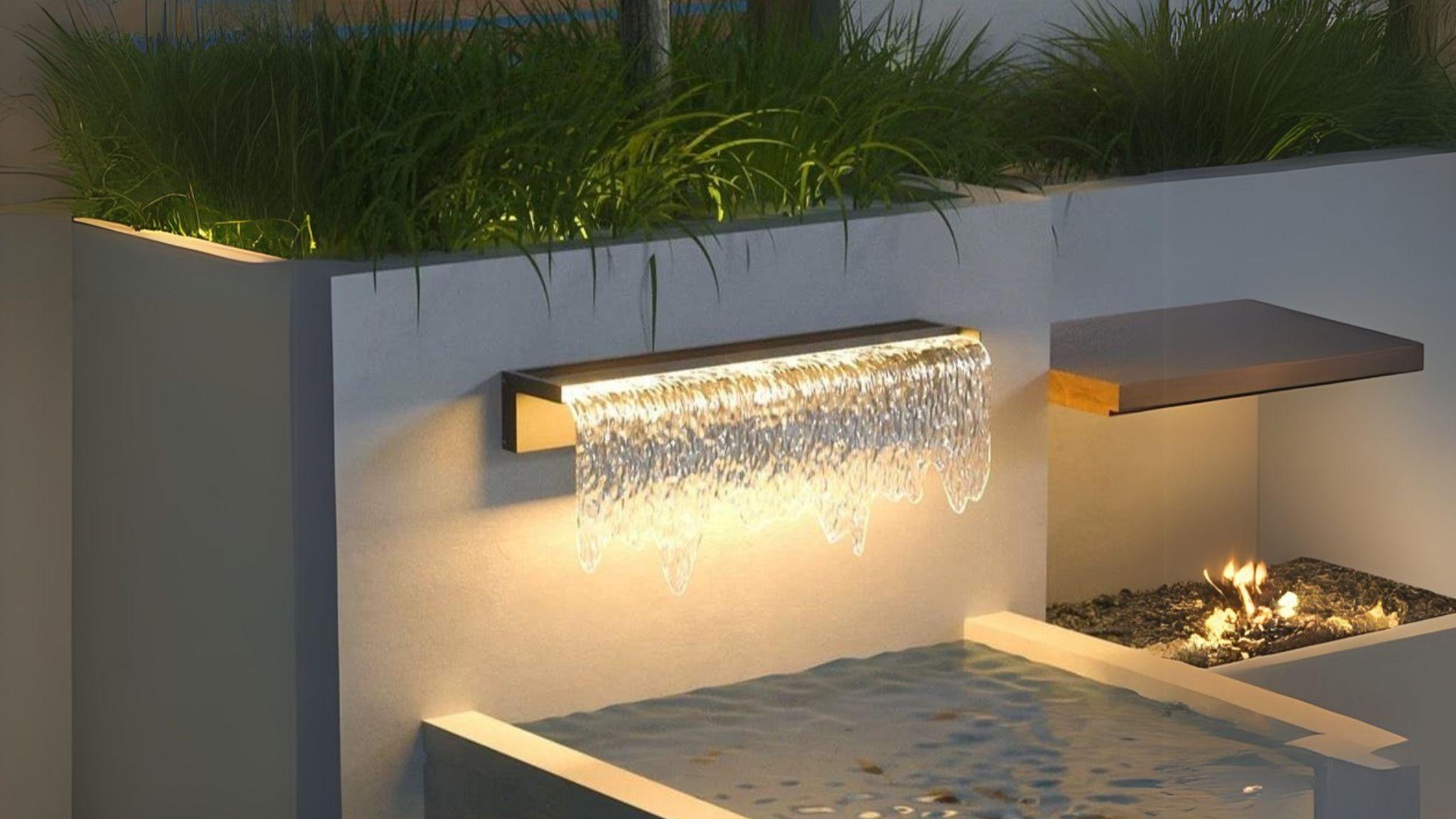
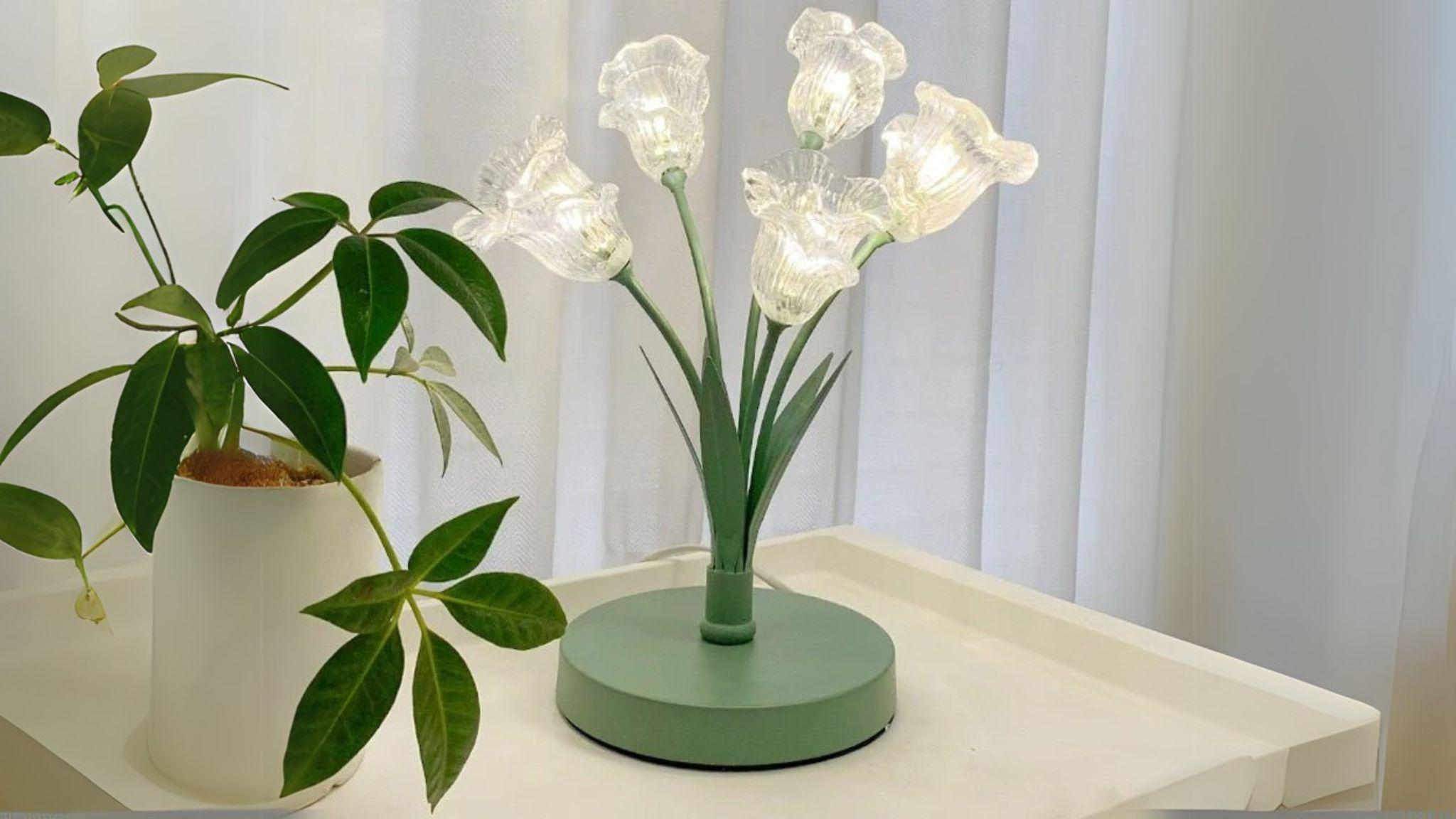
- Decorative & Artistic Fixtures: Incorporating artistic LED installations that serve as focal points, melding form with function.
- Futuristic & Minimalist Designs: Streamlined fixtures with clean lines, featuring integrated smart controls for a clutter-free aesthetic.
- Natural & Biophilic Lighting: Mimicking natural sunlight patterns to promote health, alertness, and overall well-being.
- Seasonal & Circadian Lighting: Dynamic lighting systems that adjust throughout the day and seasons to support circadian rhythms.
Design Tips for Integrating Sustainable Smart Lighting into Your Home
- Assess Natural Light: Conduct a light audit to understand how daylight interacts with your space and optimize artificial lighting accordingly.
- Layer Light Sources: Combine ambient, task, and accent lighting for both functionality and aesthetics.
- Opt for Adjustable & Tunable Fixtures: Select lighting that can change color temperature and brightness to suit different activities and moods.
- Prioritize Eco-friendly Materials: Use fixtures made from recyclable, biodegradable, or low-impact materials that align with your sustainability goals.
- Embrace Smart Controls: Automate your lighting with timers, motion sensors, and voice commands to enhance convenience and efficiency.
Case Studies: Inspirational Modern Interior Lighting Projects in 2026
Several innovative projects exemplify the transformative power of sustainable smart lighting:
- The Eco-Modern Living Room: Features integrated LED cove lighting with circadian adjustment capabilities, controlled via smart app, creating a calming environment that syncs with natural light cycles.
- Zen Home Office: Utilizes tunable white task lighting and artful accent fixtures, promoting focus and relaxation while minimizing energy use.
- Biophilic Kitchen: Incorporates natural-inspired lighting elements that mimic sunlight and plant-integrated fixtures, boosting mood and productivity.
Future Perspectives: Embracing Sustainability & Innovation in Interior Lighting
As technological advancements continue, expect to see even smarter, more sustainable lighting solutions integrated with other smart home functions like AI-driven automation, virtual reality, and advanced materials that actively improve indoor air quality and energy efficiency. The emphasis will increasingly be on holistic, environmentally responsible design that enriches daily living experiences.
Conclusion: Creating Smarter, Greener, and More Beautiful Living Spaces
In 2026, sustainable smart lighting isn’t just an optional upgrade; it's a vital aspect of modern interior design dedicated to aesthetics, health, and environmental responsibility. By adopting these innovative solutions, homeowners can craft captivating, energy-efficient spaces that are responsive to their needs while moving towards a more sustainable future.
Visit XENTAR for more lighting, decor & furniture curated for modern homes and creative spaces.
Share:
Innovative Strategies for Integrating Adaptive Smart Lighting to Enhance Modern Interior Ambiance in 2026
Innovative Ambient Lighting Strategies for Eco-Conscious Modern Interiors in 2026