

Meta Description
Discover cutting-edge strategies for integrating adaptive smart lighting into modern interiors in 2026. Elevate your space with innovative, customizable lighting solutions designed for today's smart homes.
Introduction
In the rapidly evolving world of interior design, smart lighting stands at the forefront of transforming living and working spaces into dynamic, functional, and visually stunning environments. By 2026, adaptive smart lighting has become not just a luxury but a necessity for homeowners and designers seeking innovative ways to elevate ambiance, improve well-being, and increase energy efficiency. This comprehensive guide explores advanced and practical strategies to seamlessly incorporate adaptive smart lighting into modern interiors, ensuring your space is both aesthetically compelling and technologically optimized.
Understanding Adaptive Smart Lighting: The Future of Interior Illumination
What Is Adaptive Smart Lighting?
Adaptive smart lighting refers to intelligent lighting systems that can automatically alter their parameters—such as brightness, color, and temperature—in response to environmental changes, user preferences, or scheduled routines. These systems rely on a combination of sensors, AI algorithms, and IoT connectivity to deliver a tailored lighting experience.
Why Is It Essential in 2026?
- The modern home is expected to be responsive and personalized.
- Enhanced focus on psychological and physiological benefits of lighting.
- Growing emphasis on energy conservation and sustainable design.
- The integration of multiple smart home devices for cohesive automation.
Core Benefits of Adaptive Smart Lighting
- Personalization: Tailor lighting scenarios to match individual preferences and activities.
- Energy Efficiency: Reduce wastage through intelligent scheduling and sensor-based adjustments.
- Enhanced Ambiance: Create mood-based lighting for different times, functions, or seasons.
- Health & Well-being: Support circadian rhythms and reduce eye strain with tunable lighting options.
- Ease of Control: Simplify interactions with voice commands, mobile apps, and automated routines.
Innovative Strategies for Integrating Adaptive Smart Lighting in 2026
1. Leveraging AI and Machine Learning for Personalized Lighting
Utilize AI-powered systems that learn user behavior over time, adjusting lighting scenes accordingly. For example, your smart system could gradually brighten the living room in the morning to mimic sunlight, then shift to warmer hues in the evening to promote relaxation. Incorporate voice-controlled assistants like Alexa, Google Home, or Siri for intuitive commands and scene activations. Developing bespoke routines tailored to individual lifestyles elevates both convenience and ambiance.
2. Creating Multi-Zone and Dynamic Lighting Environments
- Implement zoned lighting that can be independently controlled—ideal for open-concept living areas, home offices, or bedrooms.
- Use smart dimmers, color changers, and sensors to adapt specific zones for activities or moods, such as brighter zones for work and softer hues for relaxation.
- Incorporate dynamic lighting that responds to movement or occupancy, turning on or adjusting as you enter or leave a space.
3. Integrating Circadian Lighting for Better Mental and Physical Health
Design lighting that adjusts throughout the day to support your natural circadian rhythms. Simulate natural daylight with bright, cool whites during morning hours, then transition to warmer, dimmer tones in the evening to promote relaxation and melatonin production. Use tunable white LEDs and automated scheduling to achieve this cycle effortlessly, boosting sleep quality and mood.
4. Seamless Decor and Functional Integration
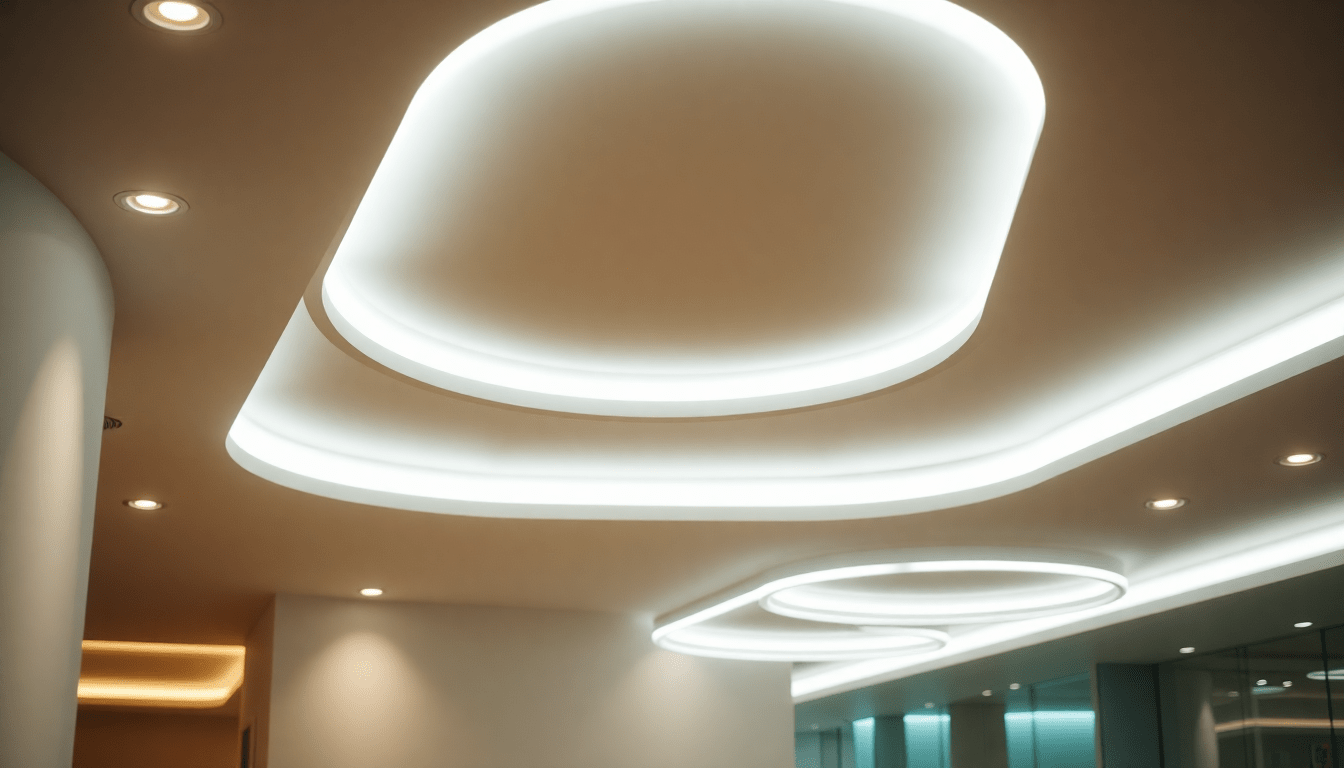
- Choose fixtures and furnishings that incorporate smart lighting to maintain aesthetic consistency. For instance, flush-mount panels or concealed LED strips that blend into architectural features.
- Use accent lighting to highlight artwork, sculptures, or textured walls, creating focal points without clutter.
- Combine smart lighting with modern furniture pieces like multifunctional consoles or floating shelves integrated with LED strips for a sleek look.
5. Eco-Friendly and Sustainable Lighting Solutions
- Select energy-efficient LEDs paired with motion detectors and daylight sensors to minimize electricity consumption.
- Schedule lighting to operate only when needed, avoiding unnecessary energy use.
- Opt for systems that support renewable energy integration or are compatible with home solar setups.
Emerging Trends to Watch in 2026
- RGB+White Tunability: Advanced color options that allow for endless customization, perfect for setting moods or matching decor themes.
- Augmented Reality (AR) Visualization: Use AR apps to preview lighting effects in real-time before installation, ensuring perfect matches to your interior vision.
- Adaptive and Self-Optimizing Systems: Highly autonomous lighting that monitors ambient conditions and automatically adjusts without user input, reducing maintenance.
- Voice and App Integration Enhancements: Deep integration with smart home ecosystems for effortless scene creation, scheduling, and control.
Practical Tips for a Successful Implementation
- Plan Your Lighting Zones: Evaluate your space to determine zones based on function, mood, and decor.
- Invest in Quality Hardware: Opt for durable, stylish fixtures with compatibility for future upgrades.
- Combine Functionality with Aesthetic: Match the lighting fixtures with your interior style, considering minimalist, industrial, or luxurious themes.
- Stay Updated on Software & Firmware: Regularly update your smart systems to benefit from new features and security improvements.
- Consult Lighting Professionals: Work with interior designers or smart home specialists to craft a cohesive, efficient system tailored to your needs.
Conclusion
As we move further into 2026, the integration of adaptive smart lighting is increasingly vital in defining modern, responsive, and health-conscious interiors. By leveraging advancements in AI, sensor technology, and sustainable design, homeowners and designers can craft environments that are customizable, energy-efficient, and visually stunning. This evolution in lighting is not only about illuminating spaces but also about enriching lives, supporting well-being, and expressing personal style.
Discover More
Visit XENTAR for more lighting, decor & furniture curated for modern homes and creative spaces.
Share:
Transform Your Interior Spaces with Next-Gen Smart Lighting and Sustainable Decor Trends in 2026
Revolutionizing Modern Interiors with Sustainable Smart Lighting Innovations in 2026