

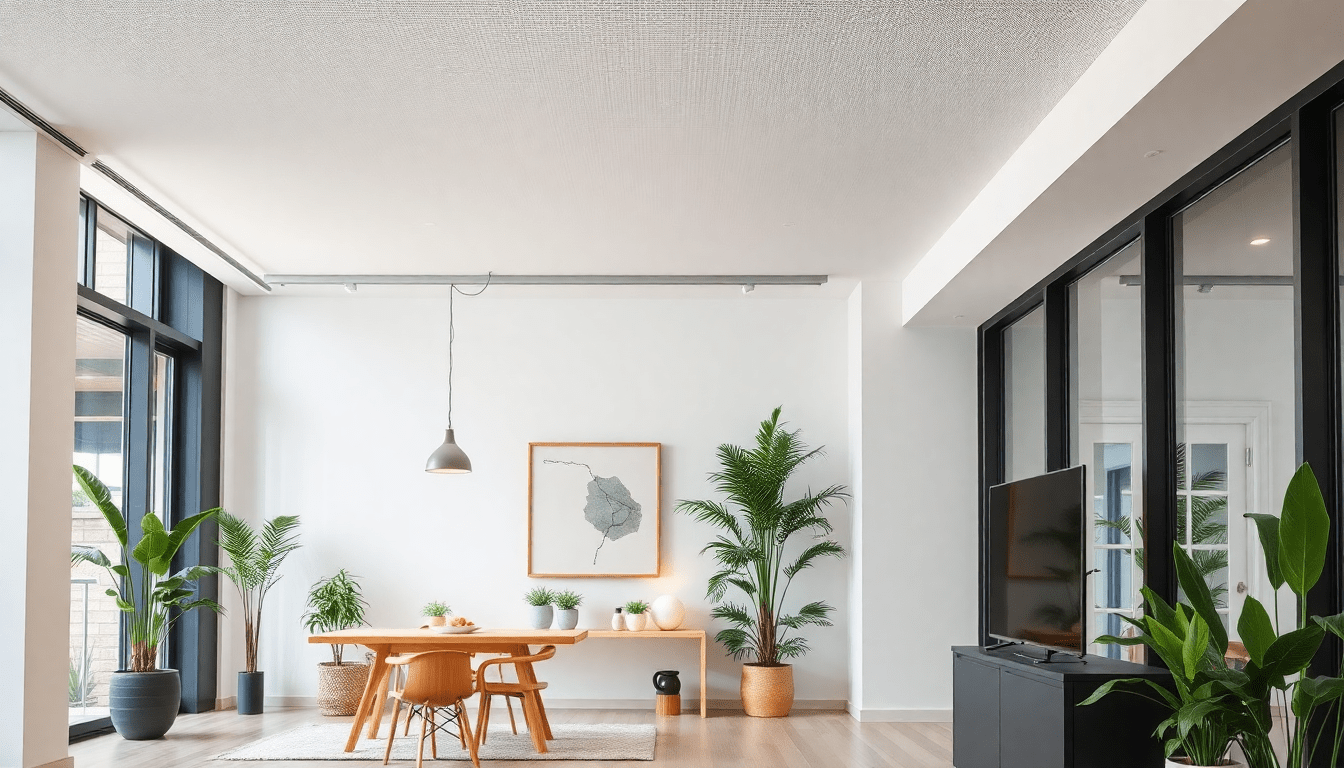
Introduction: Illuminating the Future of Interior Design
In 2026, interior lighting transcends traditional illumination, merging sustainability, smart technology, and aesthetic appeal to redefine modern living and working environments. As homeowners and designers seek eco-friendly yet stylish solutions, innovative smart lighting has become central to creating functional, energy-efficient, and visually inspiring spaces. This comprehensive guide explores how cutting-edge sustainable smart lighting solutions are transforming interiors this year, offering insights that will help you upgrade your spaces and stay ahead in the evolving home decor landscape.
The Evolution of Lighting: From Basics to Smarter, Sustainable Solutions
Over the past decade, lighting technology has experienced a dramatic evolution. Early lighting focused primarily on functionality and brightness, but now, the emphasis has shifted towards sustainability, health, and user experience. The integration of smart technology, eco-conscious materials, and adaptive lighting has revolutionized the way we illuminate our spaces, creating environments that are not only beautiful but also responsible and intuitive.
Why Sustainable Smart Lighting Is Essential in 2026
The growing concern for environmental impact and energy conservation has propelled sustainable smart lighting into the forefront of interior design. Key reasons include:
- Environmental Impact: Reducing carbon footprints by using energy-efficient LED fixtures and eco-friendly materials.
- Cost Savings: Lower energy bills through automated, adaptive lighting systems that mimic natural light patterns and adjust according to occupancy.
- Health Benefits: Supporting circadian rhythms with human-centric lighting to boost mood, productivity, and sleep quality.
- Future-Proofing: Investing in adaptable, smart systems that can be updated or expanded as technology advances.
Core Technologies Powering Sustainable Smart Lighting in 2026
Today's innovative lighting solutions rely on a set of advanced technologies that work together to deliver optimal performance:
- LED Technology: Highly efficient, long-lasting, and recyclable, LEDs form the backbone of sustainable lighting.
- Connectivity & IoT Integration: Enables seamless control through smartphones, voice assistants, and automation platforms.
- Sensor Technology: Motion, daylight, and occupancy sensors facilitate automatic lighting adjustments, conserving energy without sacrificing comfort.
- Color Tuning & Dynamic Light: Adjustable hues and intensities create customizable atmospheres while aligning with circadian health.
- Eco-Friendly Materials: Use of biodegradable plastics, recycled metals, and non-toxic paints ensures minimal environmental impact.
Designing with Sustainability and Innovation in Mind
Incorporating sustainable smart lighting into interior design requires a thoughtful approach. Here are key strategies to optimize your space:
- Layered Lighting: Combine ambient, task, and accent lighting to achieve versatile and balanced illumination.
- Focus on Architectural Highlights: Use dynamic lighting to emphasize unique features such as textured walls, artwork, or architectural details.
- Smart Zoning: Divide your space into zones with individually controlled lighting that can be customized for different activities and times of day.
- Natural Light Maximization: Design with large windows, skylights, and reflective surfaces to leverage sunlight while supplementing with smart lighting to balance mood and energy use.
- Material and Fixture Choice: Select fixtures made from eco-conscious materials that complement your style, whether modern minimalism or warm rustic.
Creative Applications of Smart Lighting for Modern Interiors
Think beyond basic illumination. Here are innovative ways to incorporate smart lighting to enhance your interior aesthetics:
- Color-Science Design: Use adjustable color temperatures to change moods—warm tones for relaxation, cool tones for energy and focus.
- Accent and Spotlighting: Highlight artwork, plants, or architectural features with targeted smart lighting to add depth and visual interest.
- Dynamic Scenes and Automation: Program lighting scenes for various times of day or activities, such as a cozy evening setting or invigorating morning light.
- Seasonal Interior Themes: Adjust lighting schemes to match seasonal decor, creating festive and inviting environments year-round.
Benefits of Integrating Smart Lighting in Your Home or Office
Adopting advanced lighting solutions offers numerous advantages:
- Energy Efficiency: Significant reduction in energy consumption, supporting sustainability goals.
- Enhanced Aesthetic Appeal: Create personalized, dynamic environments that adapt to your style and mood.
- Improved Well-Being: Lighting tailored to support circadian rhythms, reducing fatigue and improving overall health.
- Operational Convenience: Easily manage and automate lighting remotely, saving time and effort.
- Increased Property Value: Modern, eco-friendly lighting features can boost your property's appeal and market value.
Future Trends in Sustainable Smart Lighting
The evolution of lighting technology promises exciting developments for 2026 and beyond. Anticipated trends include:
- AI-Driven Adaptive Lighting: AI will analyze user habits and environment cues to optimize lighting in real-time.
- Integrated Smart Ecosystems: Lighting will seamlessly connect with climate control, security, and entertainment systems for unified home automation.
- Bio-Responsive Lighting: Innovators will develop lighting systems that respond to biological signals, such as heart rate or mood, to enhance well-being.
- Sustainable Materials Advancement: Continued growth of eco-friendly fixture manufacturing for greener interiors.
Practical Tips for Implementing Sustainable Smart Lighting
Ready to upgrade your space? Follow these steps to implement effective lighting solutions:
- Assess Your Needs: Identify areas where lighting is most needed and how smart controls can improve functionality.
- Set a Budget and Goals: Determine investment levels based on your sustainability and aesthetic priorities.
- Choose Compatible Systems: Opt for fixtures and controls that integrate with your existing smart home ecosystem.
- Work with Professionals: Consult with lighting designers and eco-conscious contractors to ensure optimal placement and design.
- Focus on Flexibility: Prioritize fixtures and controls offering adjustable features and automation capabilities for future scalability.
Conclusion: Light Up Your Space Responsibly and Beautifully in 2026
The integration of sustainable smart lighting is redefining how we approach interior design, making spaces more beautiful, functional, and environmentally friendly. Embracing these innovations allows you to create interiors that are tailored to your lifestyle while supporting planetary health. Whether renovating a single room or designing an entire home, smart, eco-conscious lighting solutions will undoubtedly be at the heart of your interior transformation in 2026 and beyond.
Visit XENTAR for more lighting, decor & furniture curated for modern homes and creative spaces.
Share:
Innovative Techniques for Integrating Sustainable Smart Lighting to Enhance Modern Home Aesthetics in 2026
Innovative Smart Lighting Designs to Elevate Modern Interior Aesthetics in 2026