

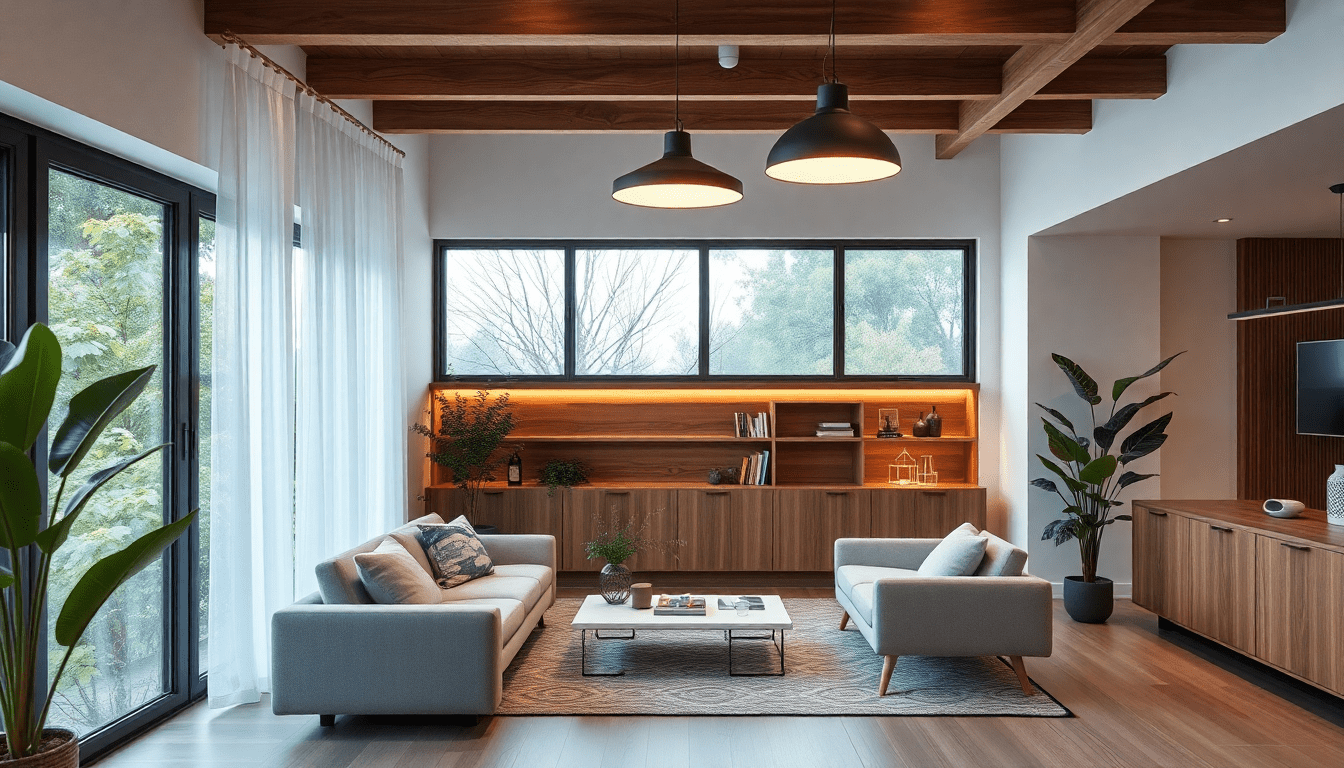
Introduction
In 2026, the fusion of sustainability and smart technology has transformed the landscape of modern home design. Homeowners and interior designers alike are prioritizing eco-friendly solutions that not only reduce energy consumption but also elevate aesthetic appeal. The integration of sustainable smart lighting offers unparalleled opportunities to create intelligent, stylish, and environmentally conscious living spaces. This comprehensive guide explores cutting-edge techniques and trends that are shaping the future of home illumination, empowering you to craft interiors that are both visually stunning and ecologically responsible.
The Significance of Sustainable Smart Lighting in Modern Homes
As climate awareness intensifies, the demand for energy-efficient and sustainable home solutions is surging. Smart lighting technologies have become pivotal in achieving this goal by enabling precise control over energy use, reducing waste, and incorporating renewable energy sources. Additionally, innovative lighting designs contribute significantly to the overall aesthetic, mood, and functionality of a space—making them a critical element in contemporary interior decor. The synergy of sustainability and smart technology not only supports environmental goals but also offers tangible benefits such as cost savings, increased comfort, and enhanced home value.
Cutting-Edge Techniques for Integrating Sustainable Smart Lighting
1. Adaptive LED and OLED Systems
Modern lighting solutions incorporate highly adaptable LEDs and Organic Light Emitting Diodes (OLEDs) that respond dynamically to environmental and user preferences:
- Natural Light Mimicry: Use intelligent sensors to adjust artificial lighting based on outdoor sunlight levels, maintaining consistent brightness and color temperature throughout the day.
- Personalized Mood Setting: Enable users to customize lighting scenes for relaxation, work, or entertainment, promoting wellness and comfort.
- Circadian Rhythm Optimization: Design lighting schedules that align with human biological cycles, enhancing sleep quality and overall health.
2. Solar-Powered and Energy Harvesting Fixtures
Harnessing renewable energy sources is crucial for sustainable lighting:
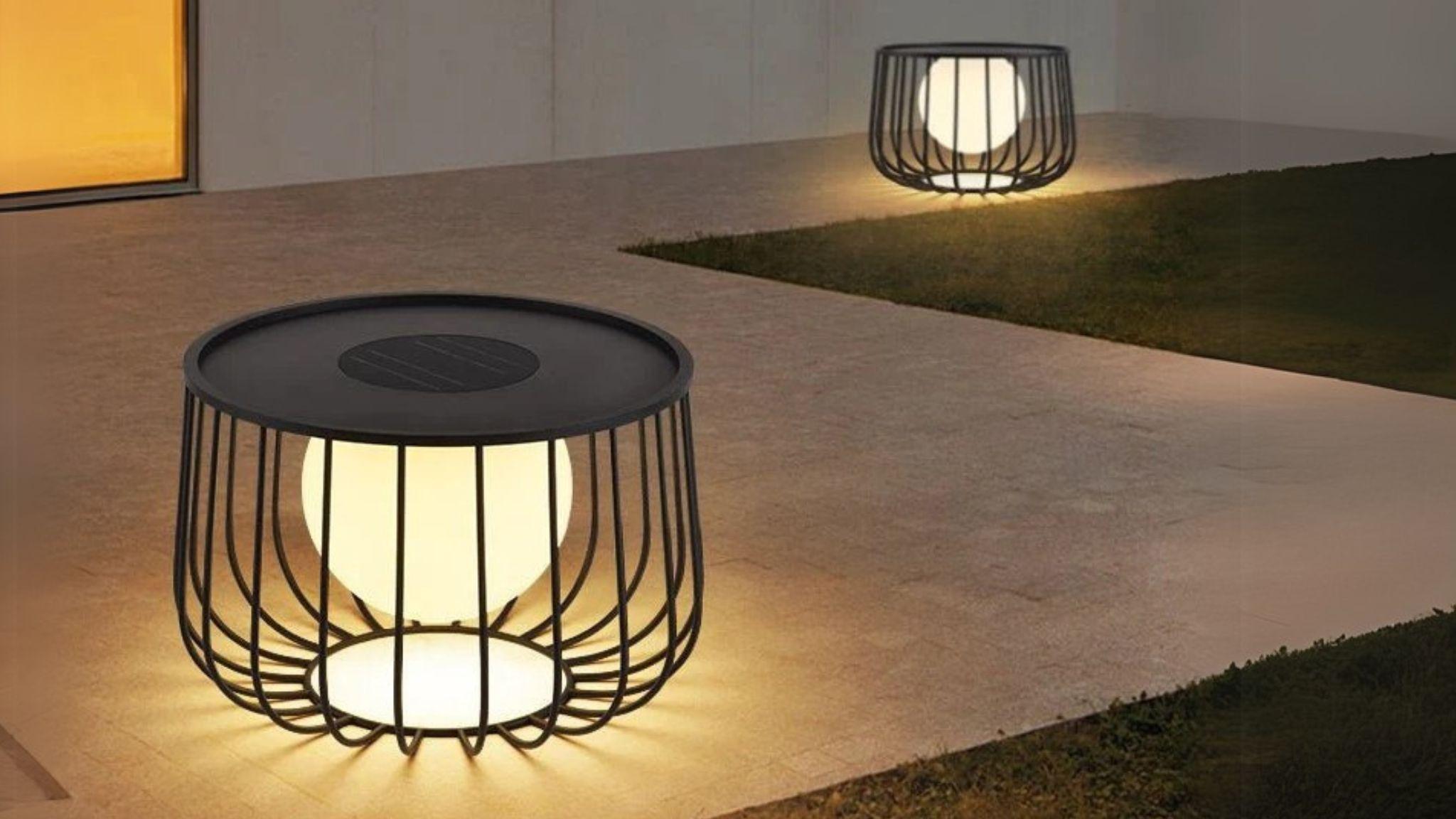
- Photovoltaic Integration: Implement solar panels on rooftops or gardens that directly power lighting fixtures, reducing reliance on grid electricity.
- Energy Harvesting Technologies: Incorporate kinetic, thermal, or ambient energy harvesting methods to supplement power sources, making fixtures more self-sufficient.
- Design Innovations: Select minimalist, sleek designs that seamlessly blend with architecture, ensuring aesthetic harmony while maintaining functionality.
3. Smart Home Automation and IoT Integration
Creating a cohesive ecosystem maximizes convenience and efficiency:
- Voice and App Control: Use voice commands or mobile apps to effortlessly dim, change colors, or schedule lighting, enhancing user experience.
- Scene and Schedule Automation: Program lighting to adjust automatically based on time, occupancy, or activity, thereby conserving energy and enhancing ambiance.
- Integration with Other Devices: Sync lighting with thermostats, security systems, or window shades for a unified, intelligent environment.
4. Sustainable and Recyclable Materials in Fixture Manufacturing
Eco-conscious design extends beyond functionality to material selection:
- Biodegradable Components: Utilize biodegradable plastics, bamboo, or recycled metals to reduce environmental impact.
- Recycling and Upcycling: Opt for fixtures designed for easy disassembly and recycling, promoting a circular lifecycle.
- Nature-Inspired Aesthetics: Incorporate organic shapes and textures to harmonize with biophilic design principles, creating soothing, natural-influenced interiors.
Implementing These Techniques to Elevate Your Home’s Aesthetics
Strategic integration of sustainable smart lighting not only enhances visual appeal but also creates immersive environments. Key approaches include:
- Layered Lighting Design: Combine ambient, task, and accent lighting to add depth and dimension, highlighting architectural features or artwork.
- Color Psychology and Mood Enhancement: Utilize programmable lighting to evoke specific emotions or atmospheres, adapting to daily routines and seasonal decor themes.
- Dynamic and Seasonal Transitions: Coordinate lighting schemes with seasonal decor trends, such as warm tones in winter and cool hues in summer, to maintain visual freshness year-round.
Emerging Trends and Future Outlook
The future of sustainable smart lighting is bright with innovations such as:
- AI-Driven Personalization: Artificial Intelligence will increasingly tailor lighting environments to individual preferences through learning algorithms.
- Advanced Materials: The development of novel eco-friendly materials will enable even more sustainable fixtures with enhanced durability and aesthetic versatility.
- Greater Connectivity: The expansion of Internet of Things (IoT) ecosystems will facilitate seamless, real-time control and automation across multiple home systems.
Conclusion
In 2026, integrating sustainable smart lighting into modern homes is no longer optional but essential for those seeking an environmentally conscious, stylish, and technologically advanced living space. By adopting innovative techniques such as adaptive lighting, renewable energy sources, and eco-friendly materials, homeowners can create interiors that are not only beautiful but also aligned with global sustainability goals. Embrace these emerging trends to redefine your home’s aesthetics while making a positive impact on the planet.
Visit XENTAR for more lighting, decor & furniture curated for modern homes and creative spaces.
Share:
Transform Your Interior Aesthetic with Innovative Eco-Conscious Lighting Strategies in 2026
Reimagining Modern Interior Spaces with Innovative Sustainable Smart Lighting Solutions in 2026