

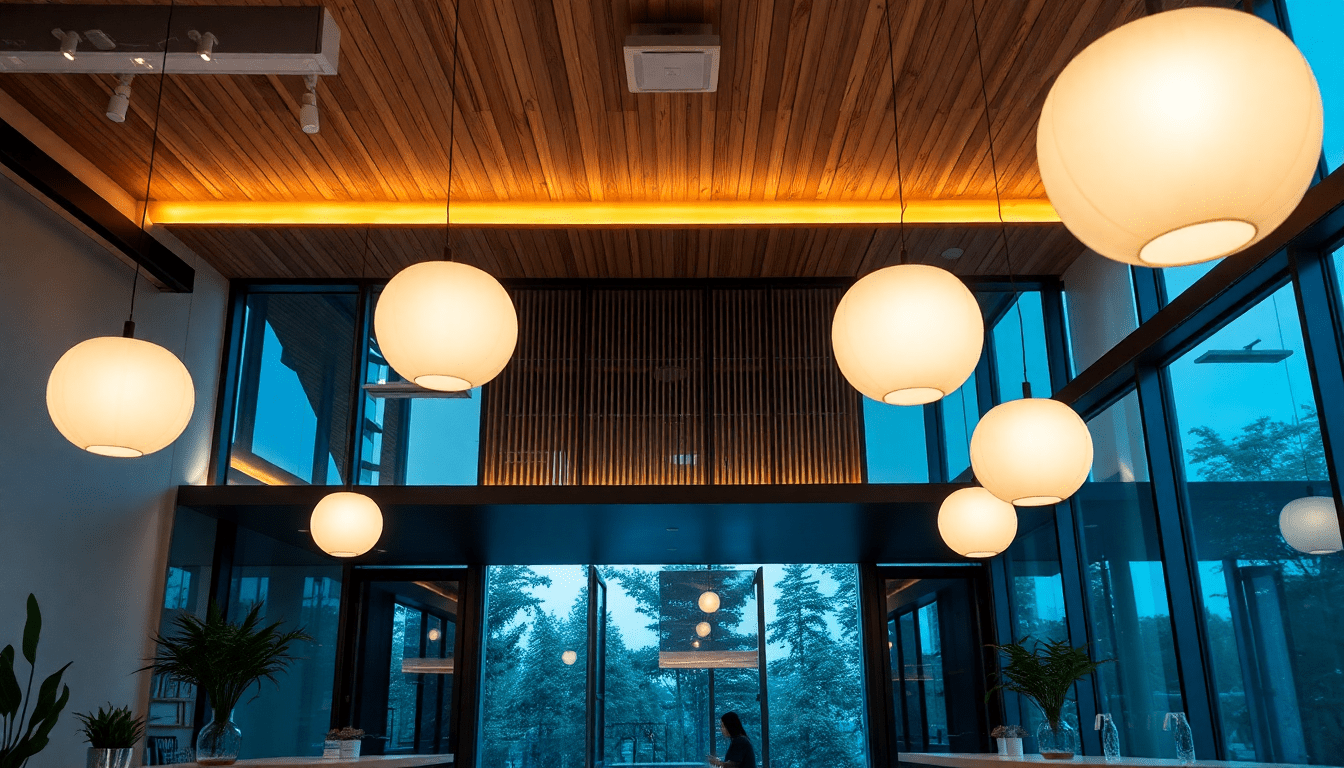
Introduction
In 2026, the importance of ambient lighting in interior design continues to grow, reflecting a shift toward eco-consciousness, technology integration, and aesthetic versatility. Achieving sustainable and adjustable ambient lighting allows homeowners and designers to create spaces that are not only beautiful and inviting but also environmentally responsible and highly adaptable to different moods and activities. This comprehensive guide explores the latest innovative techniques that meet the demands of modern living, emphasizing sustainability, functionality, and style.
The Significance of Sustainable and Adjustable Ambient Lighting
Understanding the core concepts is essential for implementing effective lighting solutions:
- Sustainable Lighting: Focuses on reducing energy consumption, using eco-friendly materials, and promoting long-term environmental health.
- Adjustable Lighting: Provides flexibility through control over brightness, color, and light distribution, enabling customization to suit different settings and preferences.
Key Benefits of Combining Sustainability and Adaptability in Lighting Design
- Reduces energy bills and carbon footprint
- Enhances mood, productivity, and comfort
- Supports health by mimicking natural light patterns
- Provides versatile aesthetic options for various interior styles
- Increases the lifespan of fixtures and bulbs, reducing waste
Innovative Techniques for Achieving Sustainable and Adjustable Ambient Lighting
1. Adoption of Advanced Smart Lighting Technologies
Smart lighting systems are at the forefront of sustainable interior design. They offer precise control, automation, and energy efficiency through state-of-the-art IoT-enabled fixtures. Key features include:
- App-Controlled Systems: Manage lighting remotely via smartphones or tablets, enabling adjustments anytime and anywhere.
- Voice Activation: Use voice commands via Alexa, Google Assistant, or Siri for effortless control.
- Adaptive Brightness and Color Tuning: Change light intensity and hue to match time of day, activity, or mood seamlessly.
- Intelligent Dimming and Scheduling: Program lighting schedules to optimize energy use, with lights dimming or turning off automatically when not needed.
2. Integration of Eco-Friendly and Recyclable Materials
Designing fixtures with sustainability in mind involves choosing materials that are renewable, recyclable, or biodegradable. Examples include:
- Bamboo and cork in lamp bases and fixtures
- Recycled glass and aluminum in shades and housing
- Biodegradable plastics and biodegradable coatings
By selecting eco-conscious materials, designers reduce environmental impact and create unique, textured aesthetic elements.
3. Creating Layered and Zonal Lighting Schemes
Layered lighting offers depth and flexibility, combining various lighting types to achieve a balanced ambiance. Strategies involve:
- Ambient Lighting: Overhead fixtures or ceiling-mounted lights provide general illumination.
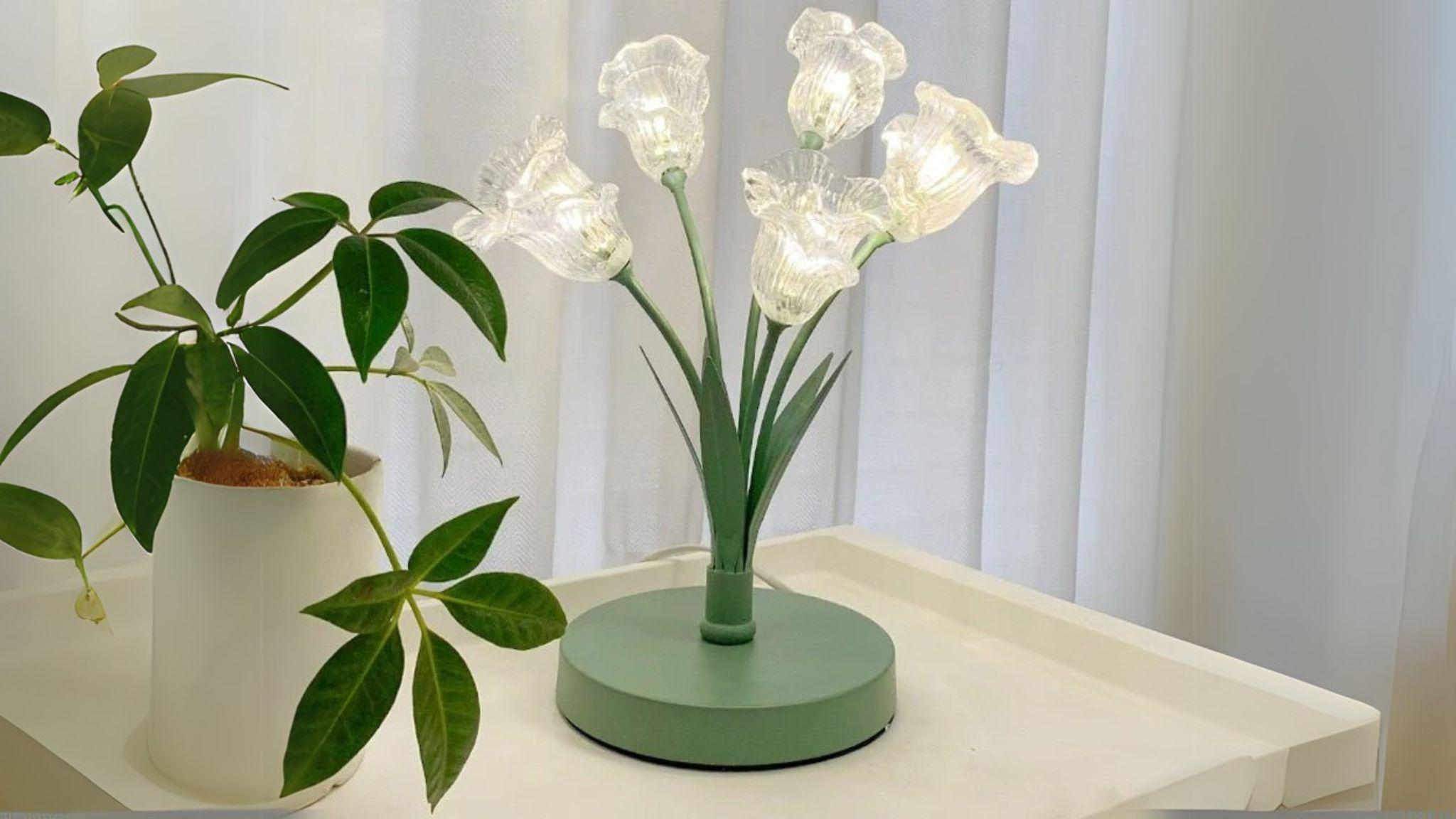
- Task Lighting: Focused sources such as sconces, table lamps, or under-cabinet lights serve specific activities.
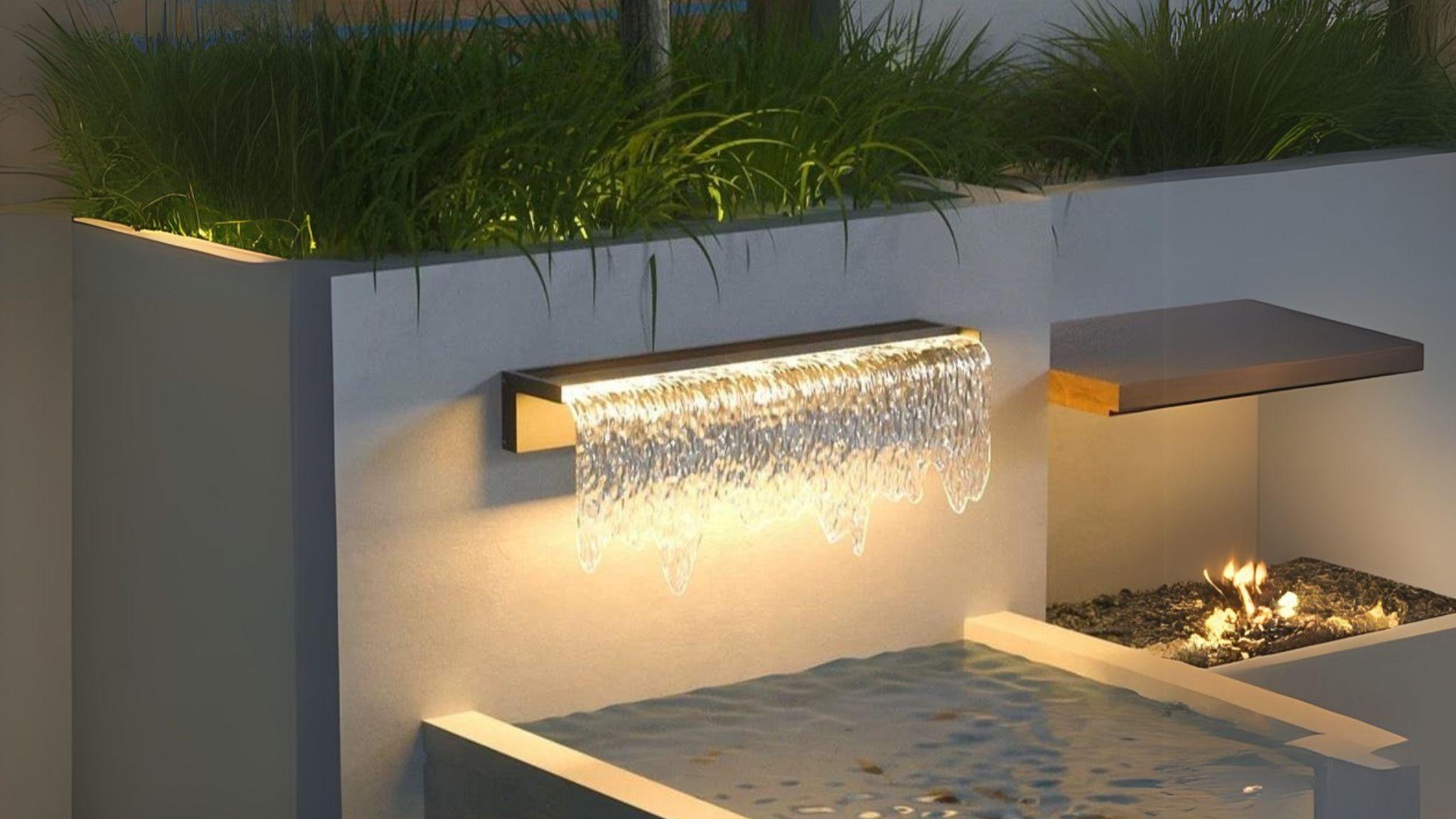
- Accent Lighting: LED strips, spotlights, or decorative fixtures highlight artwork, architectural features, or decorative objects.
Utilize dimmers and smart controls to adjust each layer independently, creating customizable environments suitable for working, relaxing, or entertaining.
4. Incorporation of Tunable White and RGB LED Technologies
Modern LED fixtures capable of tuning both color temperature and RGB colors revolutionize ambiance creation. Benefits include:
- Simulating natural daylight cycles (warm mornings, cool afternoons, warm evenings)
- Changing room aesthetics without physical redecorating
- Enhancing productivity and relaxation through mood-specific lighting
Advanced fixtures allow users to select precise color temperatures (e.g., 2700K for cozy) or vivid RGB colors for festive or themed settings.
5. Deployment of Solar and Battery-Powered Lighting Options
Renewable energy-powered fixtures enhance sustainability, especially for outdoor and semi-outdoor spaces. Consider:
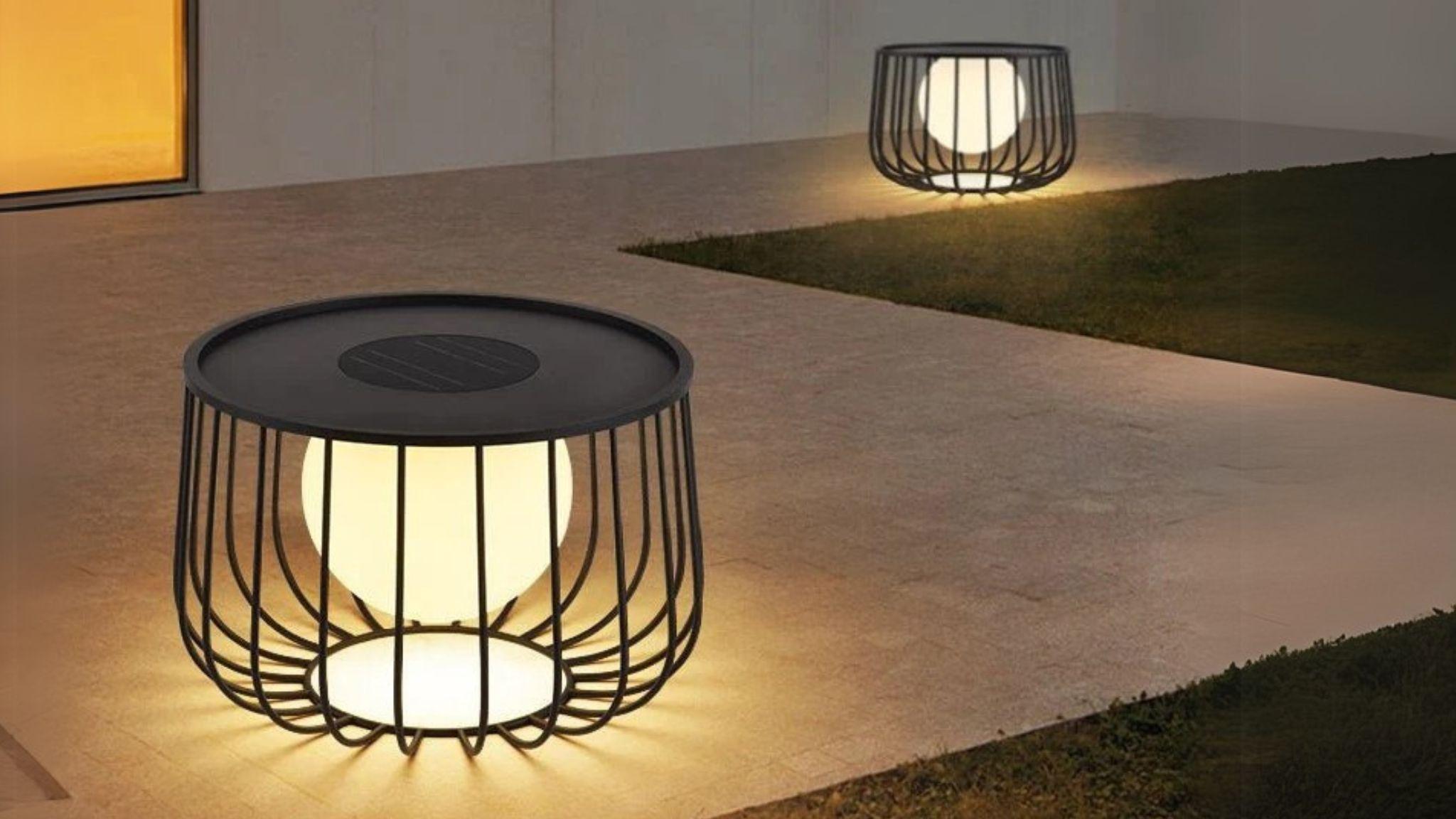
- Solar-powered pathway, garden, and wall sconces
- Rechargeable battery-operated lamps for flexibility in design and placement
- Hybrid systems combining solar and grid power for optimal efficiency
These solutions reduce reliance on electricity grids and foster eco-friendly living environments.
Design Strategies for Practical Implementation
Transforming these techniques into effective interior design involves thoughtful planning:
- Assess natural lighting conditions for optimal fixture placement
- Select fixtures that complement your decor and match your sustainability goals
- Utilize smart controls to layer and zone lighting effectively
- Incorporate sensors and automation for energy savings and convenience
- Choose materials and fixtures with long-lasting durability and recyclability
Case Studies and Real-World Applications
Several contemporary interiors exemplify the successful integration of these techniques:
- Eco-Friendly Minimalist Living Room: Features bamboo fixtures with IoT-controlled LED strips, dimmable for different moods.
- Smart Outdoor Garden: Uses solar-powered pathway lights with tunable RGB LEDs, automated by weather sensors.
- Multifunctional Home Office: Contains layered lighting with smart dimmers, adjusting color temperatures for optimal focus throughout the day.
Future Trends in Sustainable Ambient Lighting
Looking ahead, innovations such as nanotechnology-enabled light sources, fully automated adaptive lighting systems, and bio-engineered sustainable materials will further enhance the ability to create eco-friendly, highly adjustable ambient lighting solutions.
Conclusion
Achieving sustainable and adjustable ambient lighting in contemporary interior design is an exciting challenge that combines technological innovation, environmental responsibility, and aesthetic versatility. By adopting advanced smart systems, eco-conscious materials, layered schemes, and renewable energy options, designers and homeowners can craft spaces that are not only stunning and functional but also aligned with the principles of sustainability. These techniques ensure that your interiors remain adaptable, eco-friendly, and visually inspiring for years to come.
Stay at the leading edge of interior lighting with these innovative approaches, and transform your living or working spaces into truly modern, sustainable environments.
Visit XENTAR for more lighting, decor & furniture curated for modern homes and creative spaces.
Share:
Innovative Ambient Lighting Ideas to Transform Modern Living Rooms with Elegant, Energy-Efficient Solutions in 2026
Innovative Strategies for Enhancing Ambient Lighting with Smart Technology in Modern Interior Designs