

Introduction
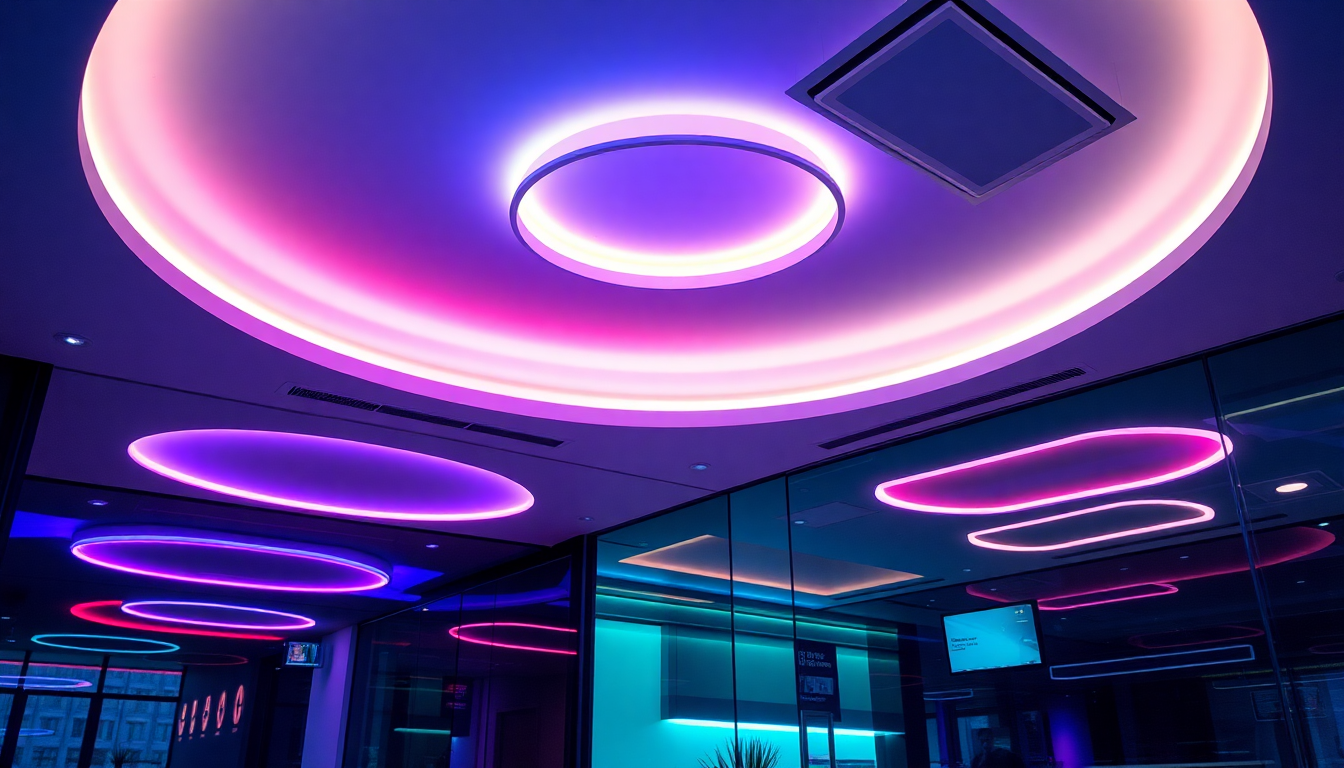
In 2026, the integration of smart technology into interior lighting has transformed how we create, customize, and experience our living spaces. Ambient lighting, once limited to basic fixtures, now becomes an intelligent, adaptable element that enhances aesthetics, improves functionality, and promotes well-being. This comprehensive guide explores innovative strategies for leveraging smart technology to elevate ambient lighting in modern interior designs, making your spaces more inviting, flexible, and energy-efficient.
The Evolution of Ambient Lighting in Modern Interiors
Traditionally, ambient lighting served as the foundational illumination in a room. However, with advancements in smart technology, ambient lighting now encompasses a dynamic, multi-layered approach to lighting design. Contemporary interiors benefit from systems that are responsive, customizable, and integrated into the overall smart home ecosystem. This evolution allows for greater expression, comfort, and sustainability within your living environment.
The Benefits of Smart Ambient Lighting
- Customization and Mood Flexibility: Change colors, brightness, and color temperature to match your mood or activity.
- Energy Efficiency: Use motion sensors and scheduling to reduce unnecessary energy consumption.
- Convenience and Control: Operate lighting via smartphone apps, voice commands, or automated routines.
- Enhanced Aesthetics: Highlight architectural features, artwork, or create visual depth with layered lighting.
- Health and Well-being: Utilize circadian rhythm lighting to support natural sleep cycles and improve mood.
Innovative Strategies for Enhancing Ambient Lighting with Smart Technology
Diving deeper into practical implementations, here are key strategies to maximize your ambient lighting setup using the latest smart tech:
1. Layered Lighting Concepts
Incorporate multiple layers of lighting to create a balanced, adaptable environment:
- General Lighting: Overhead fixtures or recessed lights for overall illumination.
- Accent Lighting: Spotlights or wall washers to highlight specific features.
- Task Lighting: Focused light for reading or working areas.
- Ambient/Decorative Lighting: Soft, colored lights that set the mood.
2. Use of RGBW and Tunable White LED Systems
Smart LED systems with RGBW (Red-Green-Blue-White) capabilities allow you to customize the color spectrum and brightness levels to suit any occasion. Tunable white lighting can shift from cool to warm tones, simulating natural light and supporting circadian health.
3. Automation and Scenes
Program your lighting to adapt automatically to your daily routines:
- Morning energizing scenes with bright, cool light.
- Evening winding down with warm, dimmed tones.
- Entertainment modes for movie nights with dim, focused lighting.
- Parties or gatherings with vibrant, color-changing effects.
4. Sensor-Integrated Lighting
Equip your system with motion, occupancy, and light sensors to create smart responses:
- Lights turn on or off based on movement.
- Adjust brightness according to ambient natural light.
- Energy conservation by ensuring lights are only active when needed.
5. Voice Control and Mobile Integration
Leverage voice assistants such as Alexa, Google Assistant, or Siri to control your lighting hands-free. Use dedicated apps for deeper customization, scene setting, and scheduling from anywhere.
6. Integration with Broader Smart Home Ecosystems
Sync your ambient lighting with other smart devices:
- Mirror your lighting with audio for synchronized entertainment experiences.
- Align lighting changes with climate control for improved comfort.
- Integrate security systems with lighting to deter intruders with random or scheduled light patterns.
Design Tips for Seamless Smart Lighting Integration
Implementing smart ambient lighting effectively requires thoughtful planning. Here are some tips:
- Sleek Hardware Choices: Choose fixtures that blend into your decor—recessed fixtures, smart bulbs with minimalist designs, or hidden strips.
- Color Consistency and Balance: Use warm tones for cozy areas and cooler lights where focus and productivity are desired.
- Highlight Architectural Details: Use directional lighting to emphasize moldings, ceilings, or textured walls.
- Flexible Zones: Divide large spaces into zones with independent control to tailor ambiance in each area.
Emerging Trends and Future Outlook
The landscape of smart ambient lighting continues to evolve with exciting innovations:
- Circadian Rhythm Lighting Enhancements: Advanced systems that synchronize with your biological clock for better sleep.
- Responsive Lighting Art: Light displays that change based on sound, motion, or environmental variables, creating interactive experiences.
- AI-Driven Energy Optimization: Systems that analyze usage patterns to reduce waste without sacrificing comfort.
- Augmented Reality (AR) for Planning: Virtual visualization tools to simulate lighting effects before installation.
Conclusion
The integration of smart technology into ambient lighting is not merely a trend but a paradigm shift in interior design. By adopting these innovative strategies, homeowners and designers can craft environments that are adaptive, visually stunning, and energy-efficient. The future of modern interior lighting lies in seamless sophistication, where technology and aesthetics converge to elevate everyday living.
Visit XENTAR for more lighting, decor & furniture curated for modern homes and creative spaces.
Share:
Innovative Techniques for Achieving Sustainable and Adjustable Ambient Lighting in Contemporary Interior Design
Revolutionizing Interior Ambiance with Advanced Smart Lighting and Sustainable Design Innovations in 2026