

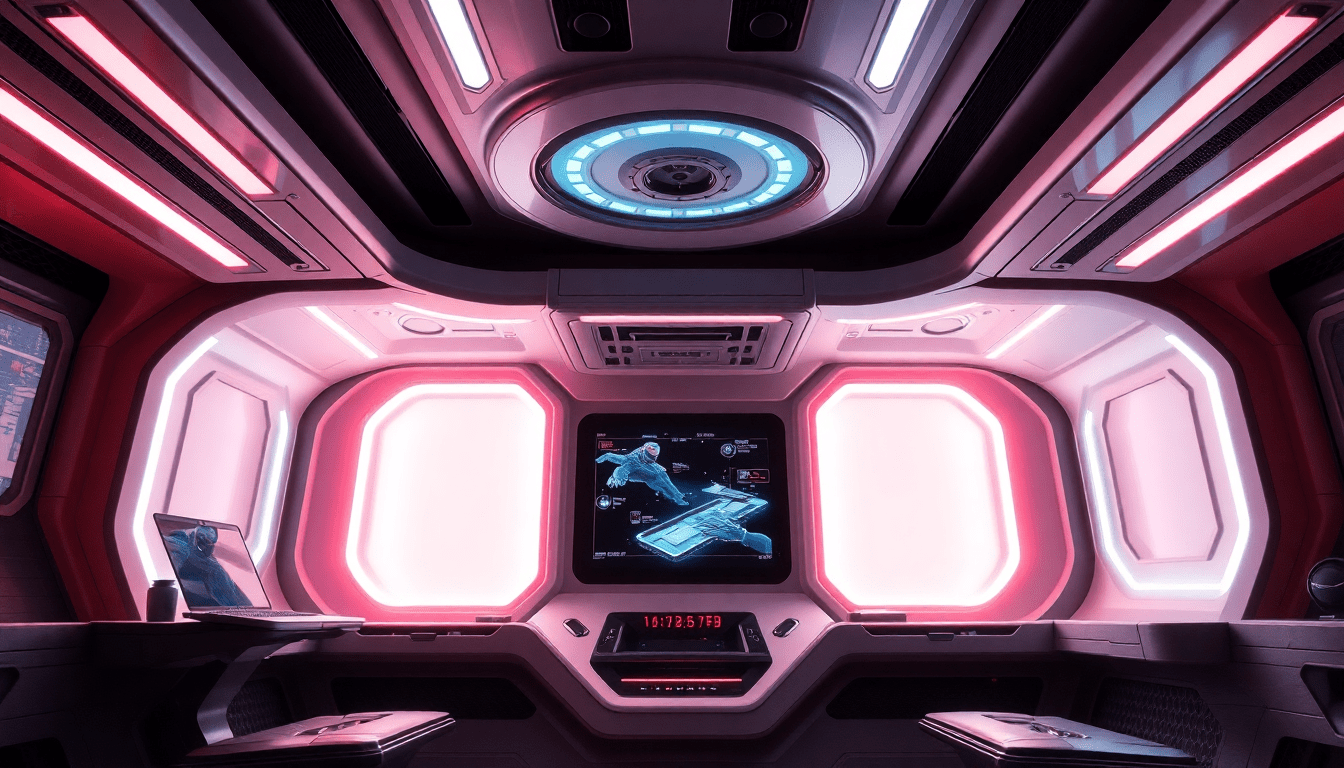
Introduction: Transforming Interiors with Smart Lighting
As we progress into 2026, the integration of advanced smart lighting systems is redefining interior design, emphasizing sustainability, adaptability, and aesthetic innovation. The future of home and office environments hinges on intelligent technologies that respond to our mood, activity, and environmental conditions, creating spaces that are not only beautiful but also eco-friendly and energy-efficient.
The Evolution of Smart Lighting Technology
Over the past decade, smart lighting has transitioned from simple remote-controlled bulbs to sophisticated systems that seamlessly blend with other smart home devices. Today, the most innovative solutions leverage IoT (Internet of Things) for real-time responsiveness, AI-driven automation, and intuitive user interfaces, revolutionizing how we illuminate and interact with our surroundings.
Keywords shaping this evolution include:
- IoT-enabled lighting systems
- AI and machine learning integration
- Voice-controlled lighting
- Color-tunable LEDs
- Energy-efficient lighting solutions
Key Features and Benefits of Modern Smart Lighting
Enhanced Control and Personalization
Modern smart lighting provides unparalleled control via smartphone apps, voice assistants (like Alexa, Google Assistant, Siri), or automated routines. Users can customize lighting scenes for various activities—whether relaxing, working, or entertaining—tailored to their aesthetic preferences and functional needs.
Energy Efficiency and Sustainability
Smart systems optimize energy consumption through intelligent scheduling, occupancy sensing, and adaptive brightness control, significantly reducing waste. When paired with energy-efficient LED fixtures, these systems contribute substantially to a greener environment.
Automation and Integration
Smart lighting integrates seamlessly with other smart home technologies such as thermostats, security systems, and window sensors. This interconnectedness enables holistic automation—for example, lights dim when a security system is armed or brighten when natural light diminishes—enhancing both convenience and safety.
Health and Wellbeing
Incorporating circadian rhythm lighting adjusts color temperatures and brightness levels throughout the day, aligning indoor lighting with natural cycles to improve sleep quality, mood, and productivity.
Sustainable Landscaping with Smart Lighting
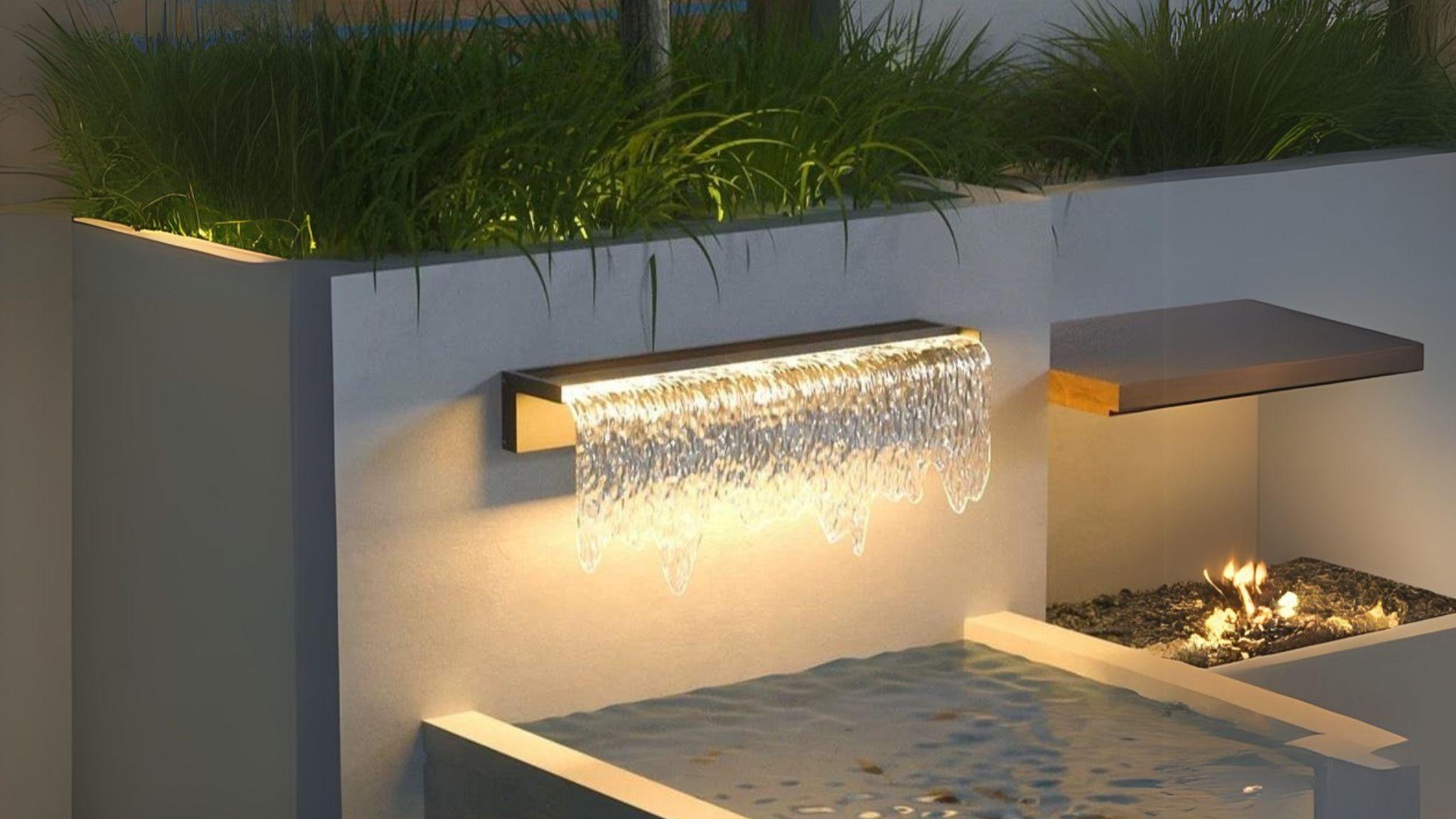
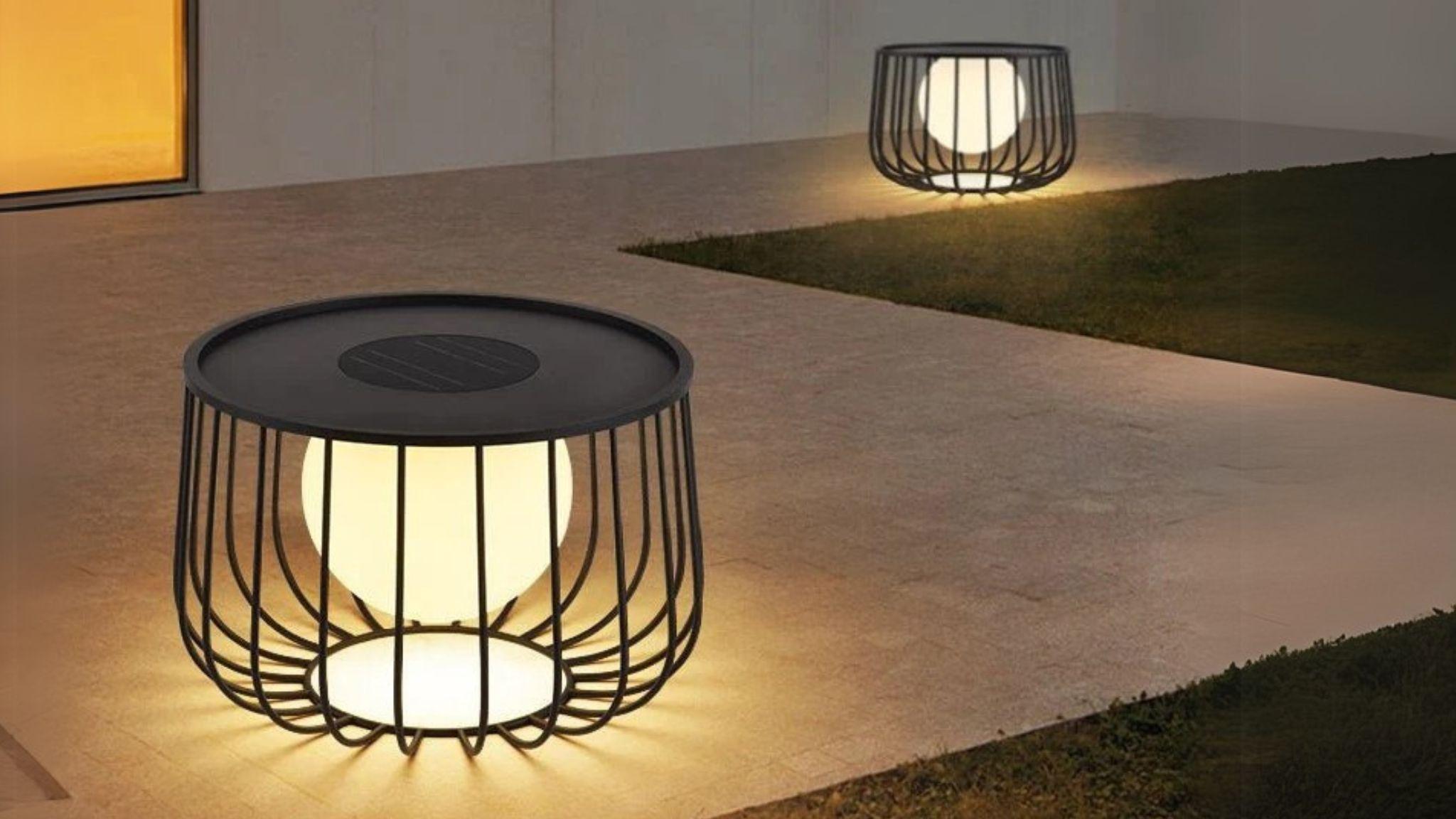
Beyond indoor environments, smart lighting extends to outdoor spaces, promoting sustainable landscape designs. Low-voltage, automated outdoor lighting schemes can adapt to environmental conditions, conserve energy, and reduce light pollution, promoting eco-conscious living.
Design Trends and Aesthetic Innovations in 2026
The intersection of technology and interior design encourages innovative aesthetic enhancements. Leading trends include:
- Recessed and Invisible Lighting: Fixtures embedded into architectural features for a sleek, minimalist look.
- Color-Tunable Fixtures: LEDs capable of displaying a vast spectrum of hues, used as primary or accent lighting.
- Dynamic Lighting Installations: Responsive lighting that changes in response to user activity or external cues, transforming space ambiance in real time.
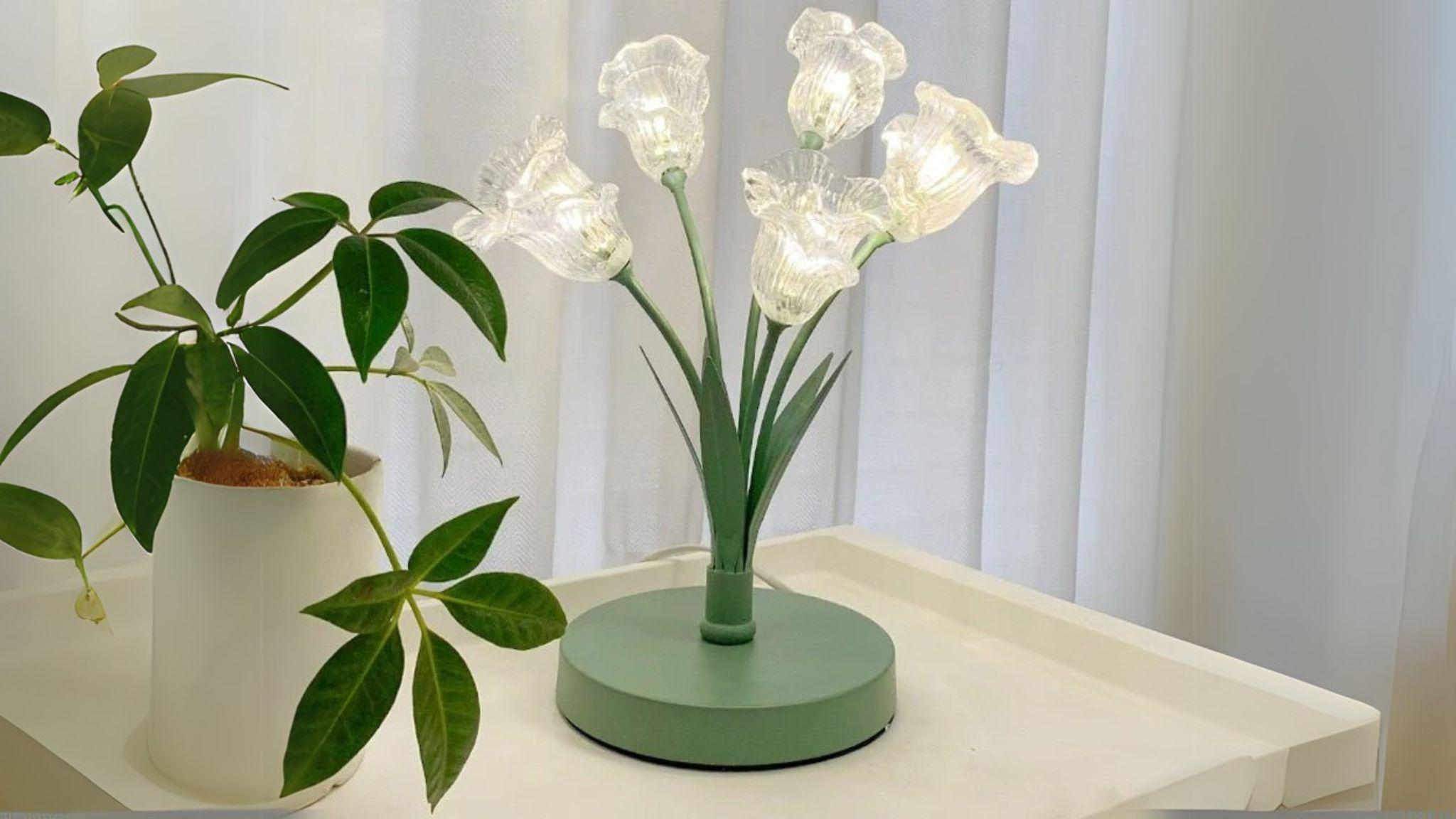
- Lighting as Art: Artistic fixtures that merge functionality and aesthetics, creating immersive environments through illuminated sculptures or integrated furniture pieces.
Integrating Smart Lighting into Interior Design: Practical Tips
Implementing cutting-edge smart lighting requires thoughtful planning. Here are essential tips:
- Assess Lighting Needs: Identify task and ambient lighting requirements across different rooms and zones.
- Compatibility and Scalability: Choose platforms and fixtures that support future upgrades and integrations.
- Design for Ease of Use: Prioritize intuitive controls such as voice commands and user-friendly apps.
- Consider Sustainability: Use energy-efficient fixtures and renewable energy options where possible.
- Architectural Integration: Work with designers to embed lighting in architectural elements for seamless aesthetics.
Case Studies: Smart Lighting in Action in 2026
- Eco-Resort Retreats: Fully automated outdoor and indoor smart lighting systems that adapt to weather, time, and user preference, reducing energy use while enhancing guest experience.
- Urban Residences: High-tech apartments featuring circadian lighting that adjusts throughout the day, improving inhabitants' health and satisfaction.
- Commercial Spaces: Office environments using intelligent lighting for optimal productivity and comfort, with human-centric lighting systems that adapt to circadian needs.
Future Outlook: Smart Lighting and Sustainable Living
Looking ahead, smart lighting will continue evolving with advancements like AI-driven predictive adjustments, greater integration of renewable energy, and IoT innovations that promote even greater sustainability and personalization. The goal is to create environments that are not only visually stunning but also environmentally responsible and aligned with well-being principles.
Conclusion: Embrace the Smart Lighting Revolution
In 2026, the smart lighting revolution is in full swing, empowering homeowners and designers to craft sustainable, adaptive, and beautifully illuminated interiors. By harnessing cutting-edge technology, we can elevate our living spaces to new levels of comfort, efficiency, and aesthetic appeal.
Visit XENTAR for more lighting, decor & furniture curated for modern homes and creative spaces.
Share:
Innovative Layered Ambient Lighting Techniques for Personalized and Eco-Friendly Modern Interior Designs in 2026
Sustainable Smart Lighting Innovations for Eco-Friendly Modern Interiors in 2026