

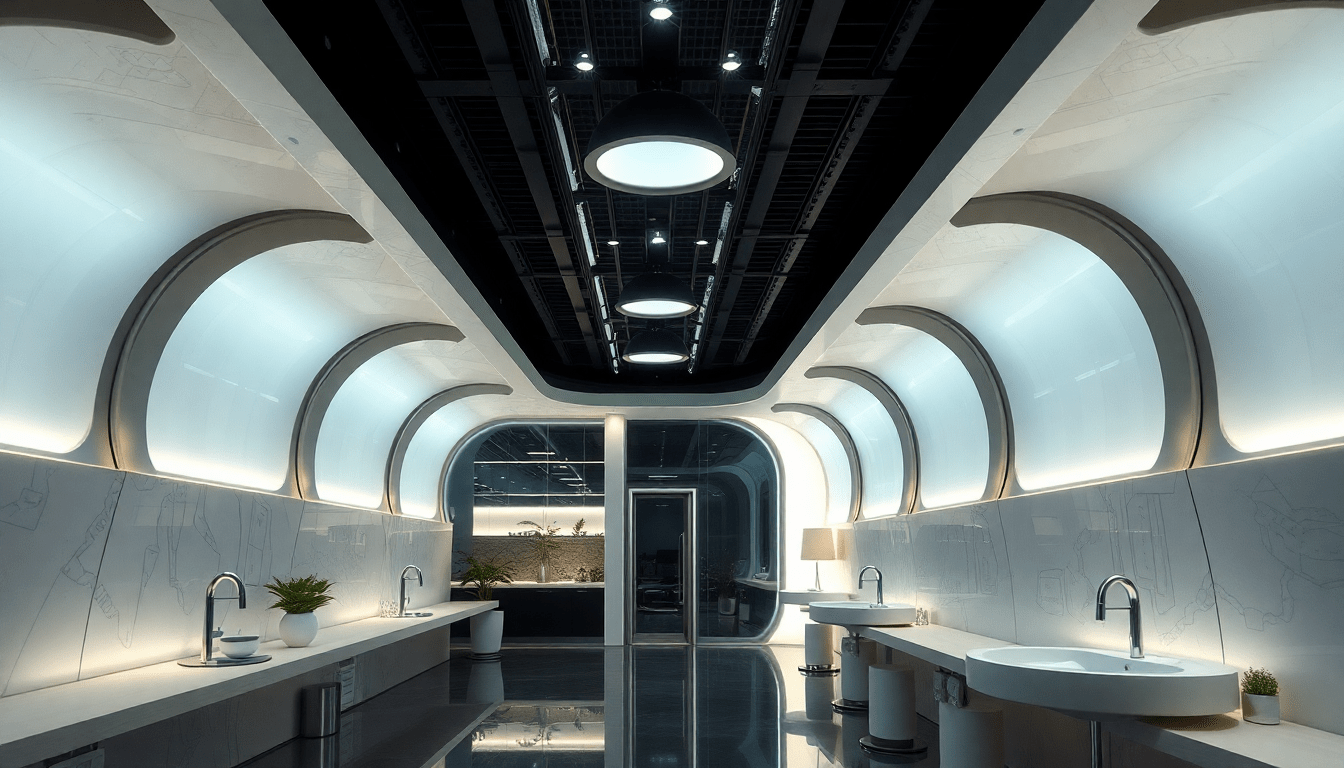
Introduction: Elevate Your Modern Interior with Layered Ambient Lighting
In 2026, interior design continues to evolve with a focus on personalization, sustainability, and technological innovation. One of the most impactful ways to transform your living or working space is through layered ambient lighting. This approach not only enhances the aesthetics but also promotes eco-friendliness by reducing energy consumption and incorporating sustainable fixtures. This comprehensive guide explores the latest techniques, trends, and best practices in layered ambient lighting, empowering you to create a modern interior that is both stylish and environmentally responsible.
The Importance of Layered Lighting in Modern Interior Design
Layered lighting involves combining different types of light sources—ambient, task, and accent—to craft a space that is flexible, functional, and inviting. When properly implemented, it:
- Enhances spatial perception and depth
- Reflects personal style and mood preferences
- Improves energy efficiency through smart controls and sustainable fixtures
- Supports various activities with tailored illumination
In 2026, designers and homeowners alike prioritize smart, eco-friendly solutions that seamlessly blend form and function—making layered lighting an essential element of modern interiors.
Components of Modern Layered Ambient Lighting
Understanding the fundamentals is key to creating effective layered lighting schemes. The three main components include:
1. Ambient Lighting
Provides overall illumination and establishes the mood of the space. It’s the foundation upon which other lighting layers build. Examples include ceiling-mounted fixtures, LED panel lights, and cove lighting.
2. Task Lighting
Offers directed light for specific activities like reading, cooking, or working at a desk. Adjustable or spot lighting, under-cabinet lights, and pendant lamps are common choices.
3. Accent Lighting
Highlights architectural features, artworks, or decor elements, adding drama and focus. Recessed or track lighting, wall washers, and decorative fixtures are frequently used.
Cutting-Edge Techniques for Eco-Friendly, Personalized Interior Lighting in 2026
The intersection of technology, sustainability, and personal expression has led to innovative lighting techniques. Here are some of the most impactful:
1. Smart Lighting Systems with Adaptive Controls
IoT-enabled lighting systems allow you to control brightness, color temperature, and even hues via smartphones or voice commands. Advanced systems learn your routines, optimizing energy use while maintaining personalized ambiance. For example, circadian lighting adjusts throughout the day to support your natural rhythms, improving well-being and reducing electricity consumption.
2. Use of Sustainable and Eco-Friendly Fixtures
Materials matter. Opt for fixtures made from recycled metals, biodegradable plastics, bamboo, or reclaimed wood. Not only do these choices reduce environmental impact, but they also add unique textures and character to your space.
3. Maximizing Natural Light with Architectural Design
Designing spaces to harness daylight reduces dependency on artificial lighting. Skylights, larger windows, and reflective surfaces like polished floors or mirrors amplify natural light, complementing layered lighting solutions for a balanced environment.
4. Modular and Adjustable Lighting Solutions
Modular fixtures that can be reconfigured or repositioned give you flexibility. Dimmable LEDs and multi-functional fixtures adapt to your changing needs and seasonal variations, providing a personalized experience while conserving energy.
5. Incorporating Green Technology
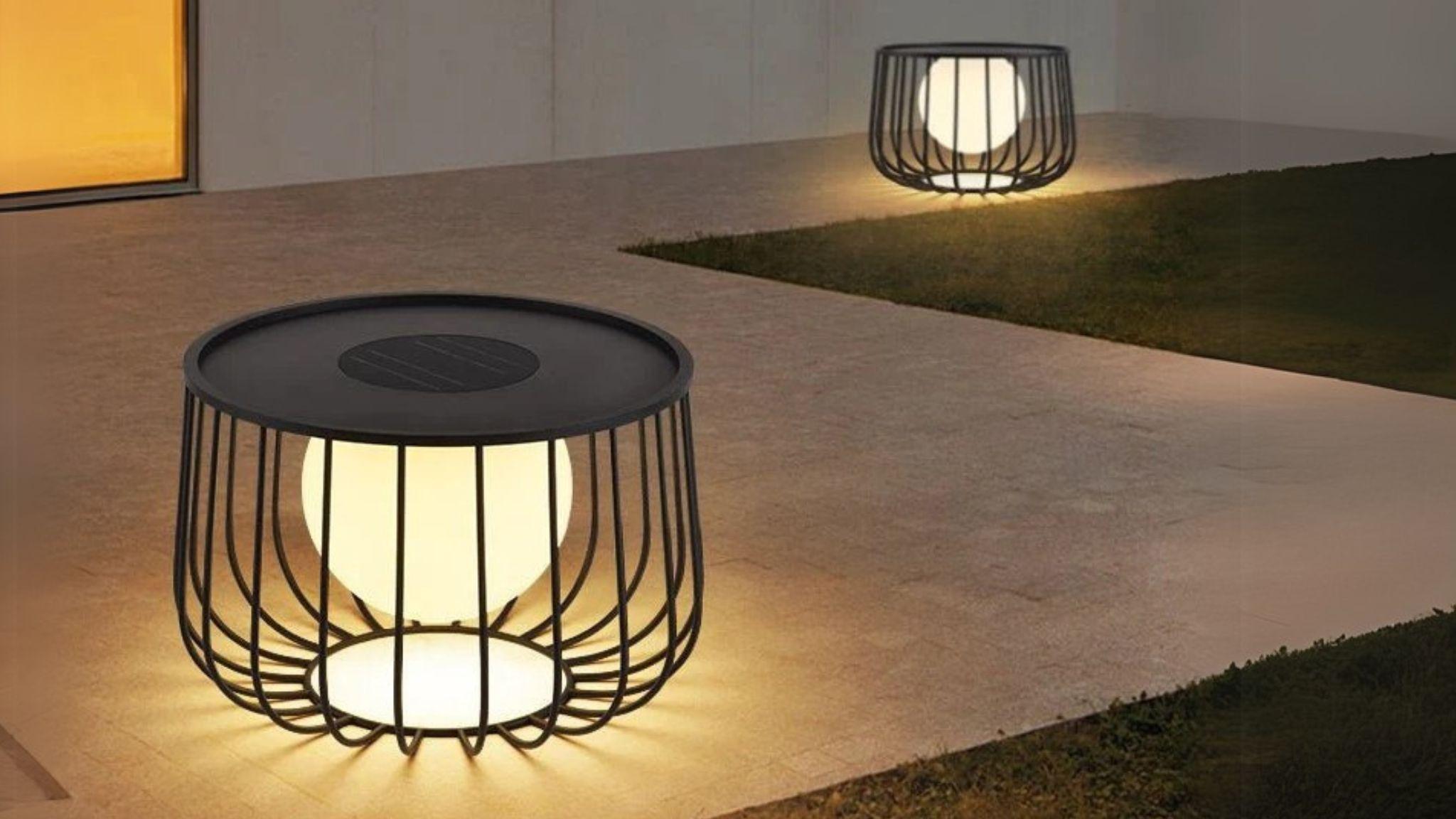
Solar-powered fixtures, especially those with adjustable panels or battery storage, are increasingly popular. They can be positioned outdoors or indoors to contribute to sustainable energy use, reducing your carbon footprint.
Design Strategies for Implementing Layered Lighting at Home
Creating a harmonious layered lighting scheme involves mindful planning and execution. Here are practical tips:
- Start with a Color Palette: Light, neutral tones and reflective finishes enhance light diffusion, making your space feel airy and open.
- Prioritize Dimmability and Tunability: Ensures you can easily adjust light levels to suit different moods, activities, and times of day.
- Create Lighting Zones: Consider separate circuits or controls for different areas—living room, kitchen, bedroom—to customize lighting according to specific needs.
- Integrate Smart Controls: Use mobile apps or voice assistants to manage your lighting, enabling automation and scene setting for different occasions.
- Combine Fixed and Flexible Fixtures: Fixed fixtures give structure, while movable or modular luminaires add versatility.
- Opt for Energy-Efficient Bulbs: Transition to high-lumen, low-wattage LEDs with high Color Rendering Index (CRI) for a natural, vibrant glow.
Future Trends Shaping Ambient Lighting in 2026
The future of interior lighting is poised for exciting innovations:
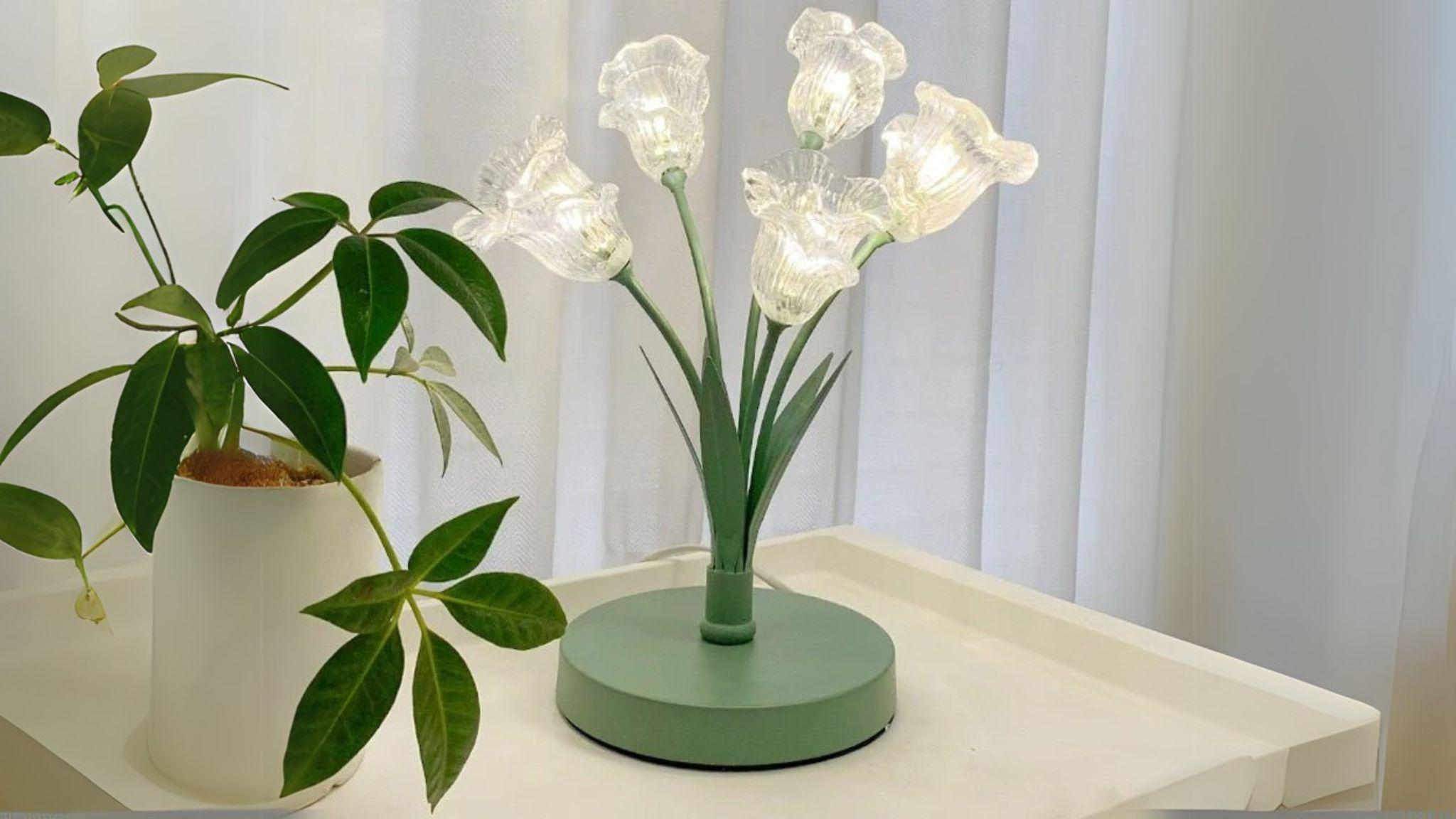
- Biophilic Lighting Design: Inspired by nature, fixtures mimic organic shapes and patterns, integrating seamlessly with indoor plants and natural materials.
- Enhanced Connectivity and Automation: Integration with home automation hubs provides seamless control, customization, and scene creation.
- Solar and Off-Grid Solutions: Solar-powered outdoor and indoor fixtures improve energy sustainability, especially in off-grid or eco-conscious homes.
- Color Personalization and Mood Settings: Adjustable color schemes allow you to evoke specific emotions, supporting wellness and productivity.
- OLED and Organic Light Emitters: Thin, flexible, and energy-efficient lighting panels open new design possibilities for creative lighting arrangements.
Key Takeaways for a Sustainable, Personalized Interior in 2026
- Utilize layered lighting to craft mood, functionality, and visual interest.
- Incorporate smart, adjustable, and modular fixtures for ultimate flexibility and energy savings.
- Choose eco-friendly materials and leverage natural light to reduce environmental impact.
- Stay ahead of trends with biophilic designs, solar technology, and integrated automation.
Conclusion: Embrace the Future of Interior Lighting
Layered ambient lighting in 2026 is more than just illumination—it’s a means to express personal style, support well-being, and protect the environment. By adopting innovative, eco-conscious techniques, you can create a modern interior that truly reflects your values and aesthetic aspirations. The fusion of technology, sustainability, and design provides endless possibilities for transforming your space into a personalized, energy-efficient haven.
Visit XENTAR for more lighting, decor & furniture curated for modern homes and creative spaces.
Share:
Innovative Sustainable Lighting Solutions for Modern Interiors: Enhancing Aesthetic and Energy Efficiency in 2026
Innovative Smart Lighting Integration for Sustainable and Adaptive Interior Environments in 2026