

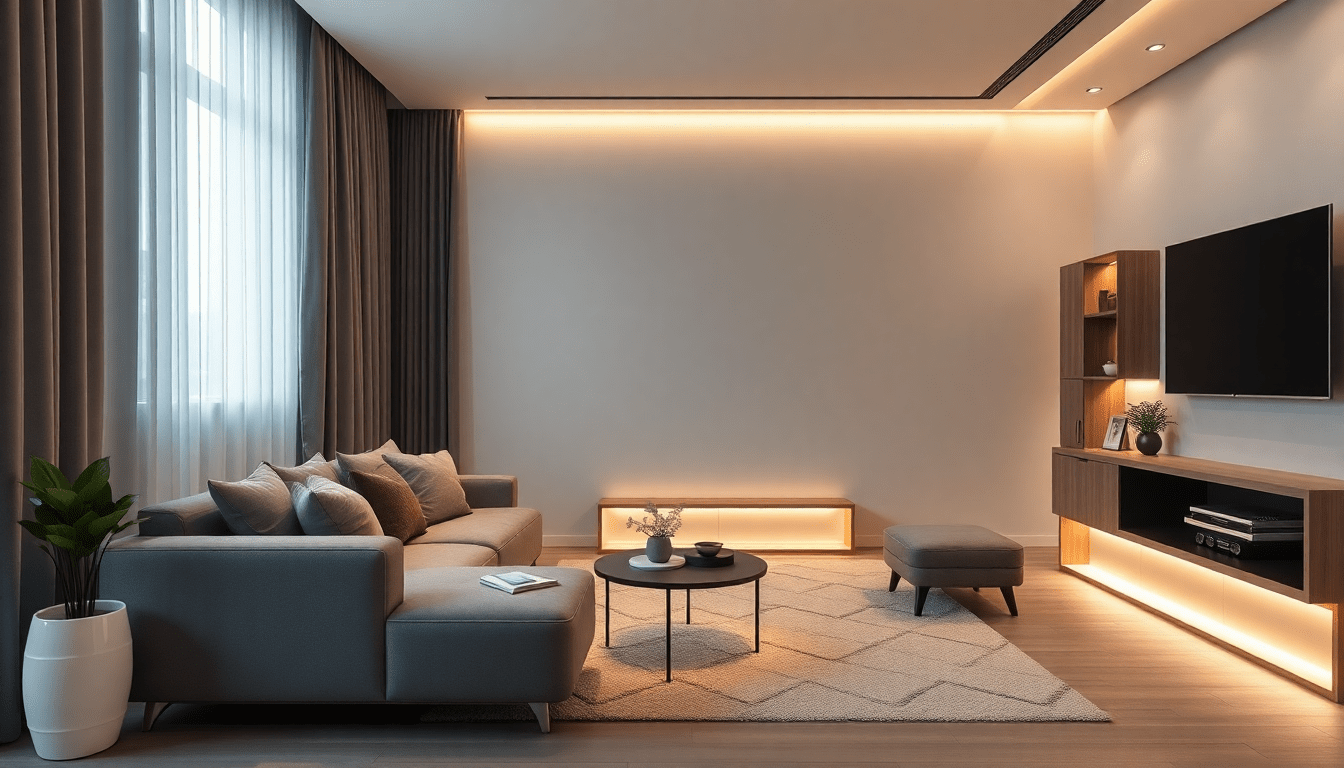
Introduction: Elevating Compact Living with Smart Lighting & Multi-Functional Furniture
As urban living spaces become increasingly compact, the challenge lies in optimizing every inch for both functionality and style. In 2025, the integration of innovative smart lighting solutions with multi-functional furniture is transforming small homes and apartments into versatile, efficient, and aesthetically appealing environments. This convergence not only enhances spatial utility but also elevates the user experience through smarter, more adaptive lighting systems that respond to daily needs and moods.
The Significance of Smart Lighting in Modern Small Living Spaces
Smart lighting technology has evolved far beyond simple on/off switches. Today, it encompasses dynamic, customizable, and energy-efficient systems that are essential in modern compact interiors. When embedded into multi-functional furniture, smart lighting maximizes room potential, creates ambiance, and supports well-being while maintaining a clutter-free look.
How Smart Lighting Enhances Multi-Functional Furniture
The key to this innovative approach lies in the seamless integration of technology with furniture design. Here’s how smart lighting amplifies the functionality of multi-purpose furniture:
- Emphasizing Flexibility: Smart lighting can highlight different zones, such as workspace, sleeping area, or lounge, depending on the time of day or activity.
- Creating Ambiance: Adjustable lighting helps set the mood — from bright task lighting for working to warm, cozy glows for relaxing.
- Supporting Multi-Use Furniture: Hidden or embedded lighting in furniture pieces like fold-out beds, storage units, or modular sofas allows for transformation without visual clutter.
- Energy Management: Automated or scheduled lighting reduces power consumption, supporting sustainable living.
Innovative Smart Lighting Techniques for Small Spaces in 2025
Staying ahead in interior design involves embracing the latest lighting innovations. Here are the top smart lighting approaches that are shaping small living environments:
1. Embedded LED Strips and Panels
Thin, flexible LED strips are integrated into furniture edges, panels, or underneath surfaces, providing indirect, ambient, or task lighting with customizable color and brightness settings.
2. App-Controlled Lighting Modules
Mobile applications empower users to select lighting schemes, set schedules, and even sync lights with music or other smart devices, offering personalized control directly from their smartphones.
3. Voice-Activated Systems
With voice assistants like Alexa, Google Assistant, or Siri, users can operate lighting hands-free, ideal for multitasking or when physical control is inconvenient.
4. Adaptive & Sensor-Driven Lighting
Sensors detect motion, ambient light, or occupancy to automatically turn lights on/off or dim them, ensuring energy efficiency and convenience.
5. Circadian & Human-Centric Lighting
Smart systems mimic natural light patterns, supporting circadian rhythms that improve sleep quality and overall health — especially beneficial in windowless rooms or urban apartments.
Design Trends Shaping the Future of Smart Furniture and Lighting in 2025
- Futuristic Minimalism: Sleek, clean lines with seamlessly integrated lighting technology create uncluttered, modern aesthetics.
- Color Play & Mood Personalization: Multi-color lighting schemes enable users to customize atmospheres, enhancing decor and emotional well-being.
- Modular and Convertible Furniture: Flexible furniture with integrated lighting adapts to various needs, like folding beds with built-in lighting or modular shelving with illuminated sections.
- Eco-Friendly & Sustainable Solutions: Emphasis on energy-efficient LEDs, smart sensors, and recyclable materials reduce environmental impact.
Practical Benefits of Integrating Smart Lighting with Multi-Functional Furniture
Investing in these innovations yields multiple advantages for homeowners and designers:
- Maximized Space Utilization: Highlighting different functions and zones visually can make small interiors appear larger and more organized.
- Improved Energy Efficiency: Automated lighting reduces wastage, lowers electricity bills, and supports eco-conscious living.
- Enhanced Comfort & User Experience: Personalized lighting regimes foster relaxation, productivity, and overall satisfaction within small environments.
- Increased Property Appeal & Value: Innovative lighting solutions contribute to a modern, sophisticated aesthetic appealing to contemporary buyers and renters.
Implementation Strategies for Homeowners and Interior Designers in 2025
To leverage these advancements, consider the following tips for installing smart lighting in multi-functional furniture:
- Assess Spatial Needs: Identify areas where lighting can enhance multi-functionality and ambiance.
- Select Furniture with Integrated Lighting: Opt for pieces designed with built-in LED or smart modules.
- Use Retrofit Solutions: Add smart LED strips and controllers to existing furniture for upgrades without full replacement.
- Prioritize User-Friendly Controls: Choose intuitive apps, voice commands, or remote controls for seamless operation.
- Combine Style & Functionality: Match lighting color temperature and designs with the overall decor to maintain aesthetic harmony.
- Plan for Future Upgrades: Stay informed about emerging technologies to ensure your systems remain cutting-edge.
Case Studies & Inspirational Examples
Many modern interiors already showcase these innovations. Examples include:
- Convertible Work-Home Units: Desks that transform into beds with embedded LED lighting for productivity and rest.
- Storage with Mood Lighting: Wardrobes and shelves with integrated smart lighting that highlights stored items and sets ambiance.
- Multi-Functional Living Room Sofas: Sofas with fold-away tables, hidden compartments, and customizable LED accents for different activities.
Conclusion: The Future of Smart, Compact Living Spaces
In 2025, the fusion of innovative smart lighting and multi-functional furniture is redefining what it means to live efficiently in small spaces. These solutions not only maximize utility but also cultivate personalized environments that reflect modern lifestyles and technological advancements. Homeowners and designers who embrace these trends will enjoy spaces that are more adaptable, sustainable, and stylish than ever before.
Visit XENTAR for more lighting, decor & furniture curated for modern homes and creative spaces.
Share:
Elevating Small Spaces with Smart Lighting Solutions: Innovative Ideas for Modular Furniture Integration in 2025
Future-Proofing Small Living Spaces: The Role of Adaptive Smart Lighting in Modern Modular Furniture Design