

Introduction
In 2025, the challenge of making small living spaces both functional and stylish is at an all-time high. With urbanization on the rise and living areas shrinking, homeowners and renters alike are seeking innovative solutions to maximize their limited space. The combination of adaptive smart lighting and modern modular furniture offers a revolutionary approach to future-proofing small apartments, studios, and compact homes. This article explores how integrating these technologies enhances spatial efficiency, aesthetic appeal, and sustainability—paving the way for smarter, more adaptable living environments.
Why Future-Proofing Small Spaces Is Essential
Small living spaces are inherently limited, but with strategic planning and innovative technology, they can be transformed into versatile, personalized sanctuaries. Future-proofing involves designing spaces that can evolve with changing lifestyles, technological advancements, and environmental considerations. Here are some reasons why future-proofing is vital:
- Increasing Urban Densities: As cities expand, living in compact spaces becomes the norm. Properly designed small homes can significantly improve quality of life.
- Flexible Lifestyle Needs: From remote work to social gatherings and self-care routines—spaces should adapt effortlessly to various activities.
- Environmental Sustainability: Energy-efficient lighting and multifunctional furniture reduce carbon footprints and operational costs.
- Financial Investment: Investing in adaptable solutions makes homes more resilient and reduces the need for costly remodels later.
The Evolution and Appeal of Modular Furniture in Modern Homes
Modular furniture has become a cornerstone of efficient small-space design due to its flexibility, ease of customization, and space-saving attributes. Key advantages include:
- Reconfigurability: Furniture units that can be rearranged or expanded to suit different needs and room layouts.
- Multifunctionality: Pieces that serve multiple purposes, such as sofa beds, storage ottomans, or fold-away desks.
- Visual Versatility: Modular systems can be styled in various ways to match evolving aesthetic preferences.
- Ease of Installation: Simple assembly and disassembly without specialized tools make modifications quick and accessible.
Modern modular furniture seamlessly integrates with smart home systems, allowing control over lighting, climate, and security—enhancing its utility and appeal.
The Significance of Adaptive Smart Lighting in Small Spaces
Smart lighting technology has transformed how we illuminate and experience our homes. Adaptive smart lighting is particularly beneficial for small spaces because it offers:
- Dynamic Brightness and Color Adjustment: Automated controls that respond to ambient light, time of day, or user preference create personalized atmospheres.
- Scene Setting for Different Activities: preset lighting scenes for work, relaxation, entertainment, or sleep.
- Remote and Voice Control: Manage lighting effortlessly via smartphone apps or voice assistants like Alexa or Google Home.
- Energy Efficiency and Cost Savings: Intelligent sensors and scheduling capabilities optimize power consumption.
These features are especially critical in small homes where space constraints limit the number of lighting fixtures and natural light sources.
Integrating Smart Lighting with Modular Furniture: A Synergistic Approach
Combining these two innovative solutions results in highly adaptable and aesthetically pleasing living environments. Effective integration strategies include:
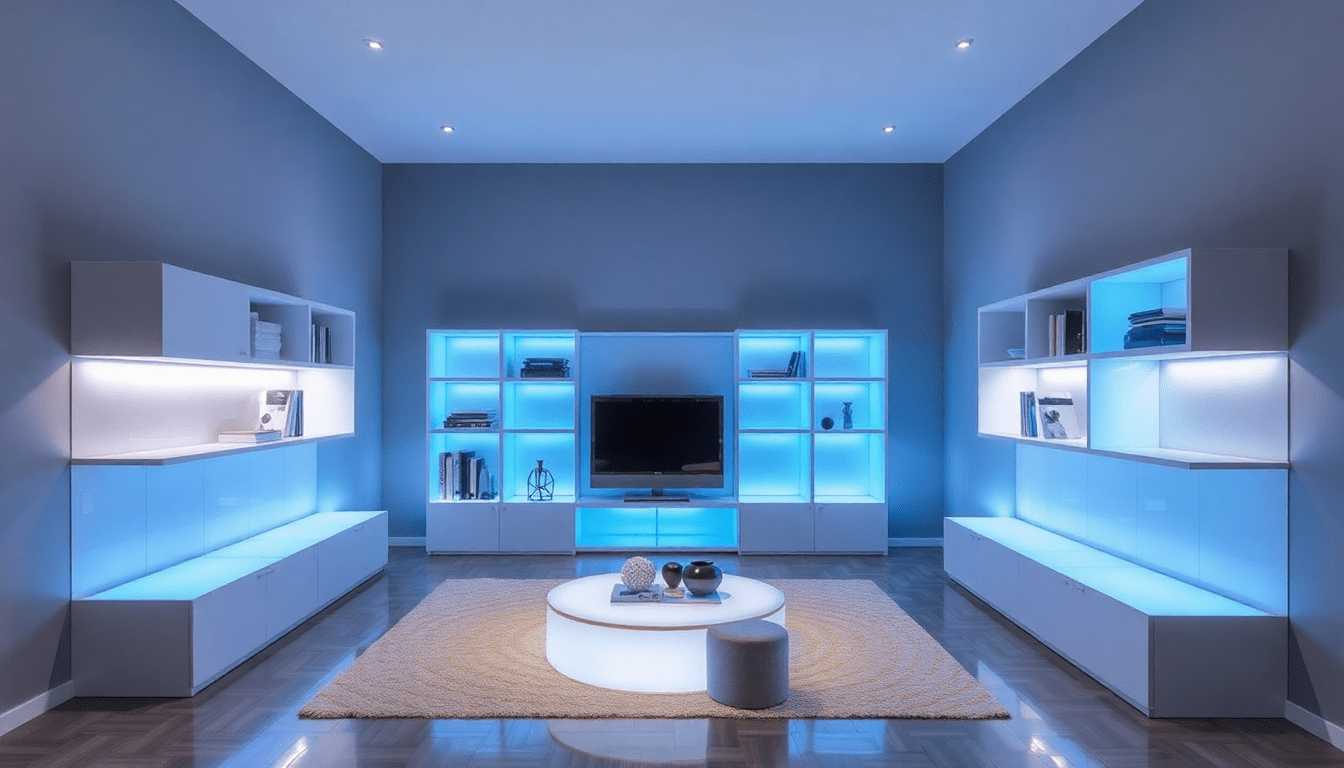
- Embedded Lighting in Furniture: Incorporate LED strips or panels within shelves, beds, or cabinetry to create seamless illumination options.
- Flexible Lighting Zones: Design spaces with adjustable lighting circuits that change based on furniture arrangements, ensuring consistent ambiance regardless of room layout.
- Automated Scene Transitions: Link lighting controls with furniture functions, such as activating a reading light when a sofa bed is pulled out.
- App-Controlled Customization: Use centralized apps to tailor lighting schemes to mood, activity, or time of day—regardless of furniture arrangement.
Practical Design Tips for Small, Adaptive Spaces
- Select Reconfigurable, Multi-Purpose Furniture: Look for pieces that can be easily moved, folded, or expanded—think fold-down tables, stackable chairs, and modular shelving systems.
- Use Smart Lighting to Define Zones: Shape the layout visually with layered lighting—task lighting for work areas, ambient lights for relaxation, and accent lighting for aesthetics.
- Prioritize Storage Solutions: Hidden storage within furniture reduces clutter, while vertical storage optimizes limited floor space.
- Implement Minimalist Design Elements: Keep decor simple and cohesive to enhance the perception of space and harmony.
- Leverage Technology for Automation and Convenience: Integrate smart controls for lighting, blinds, and climate to streamline daily routines and boost energy savings.
Future Trends in Small Space Living
The landscape of tiny living is continuously evolving. Anticipated trends include:
- Artificial Intelligence in Home Automation: AI systems will predict preferences and adjust lighting, climate, and security autonomously.
- Sustainable Materials and Eco-Friendly Technologies: Emphasis on renewable resources and energy-efficient components.
- Enhanced Integration of Smart Furniture: Furniture that communicates with other home systems for a fully connected environment.
- Sensory Environments: Creating multisensory experiences by combining lighting with scent diffusers and sound systems.
Conclusion
As urban living continues to demand smarter, more adaptable solutions, future-proofing small spaces with integrated modular furniture and adaptive smart lighting is an investment in convenience, aesthetics, and sustainability. These technologies empower homeowners to create versatile environments that can easily evolve to meet their changing needs, all while maintaining a modern and stylish appearance.
By embracing these innovations, you ensure your small living space remains comfortable, functional, and visually appealing for years to come. Transform your home into a dynamic space that grows with you and adapts effortlessly to your lifestyle.
Visit XENTAR for more lighting, decor & furniture curated for modern homes and creative spaces.
Share:
Innovative Smart Lighting Approaches to Enhance Multi-Functional Furniture in Compact Living Spaces in 2025
Revolutionizing Small Space Living: Cutting-Edge Smart Lighting Systems for Modern Modular Furniture in 2025