

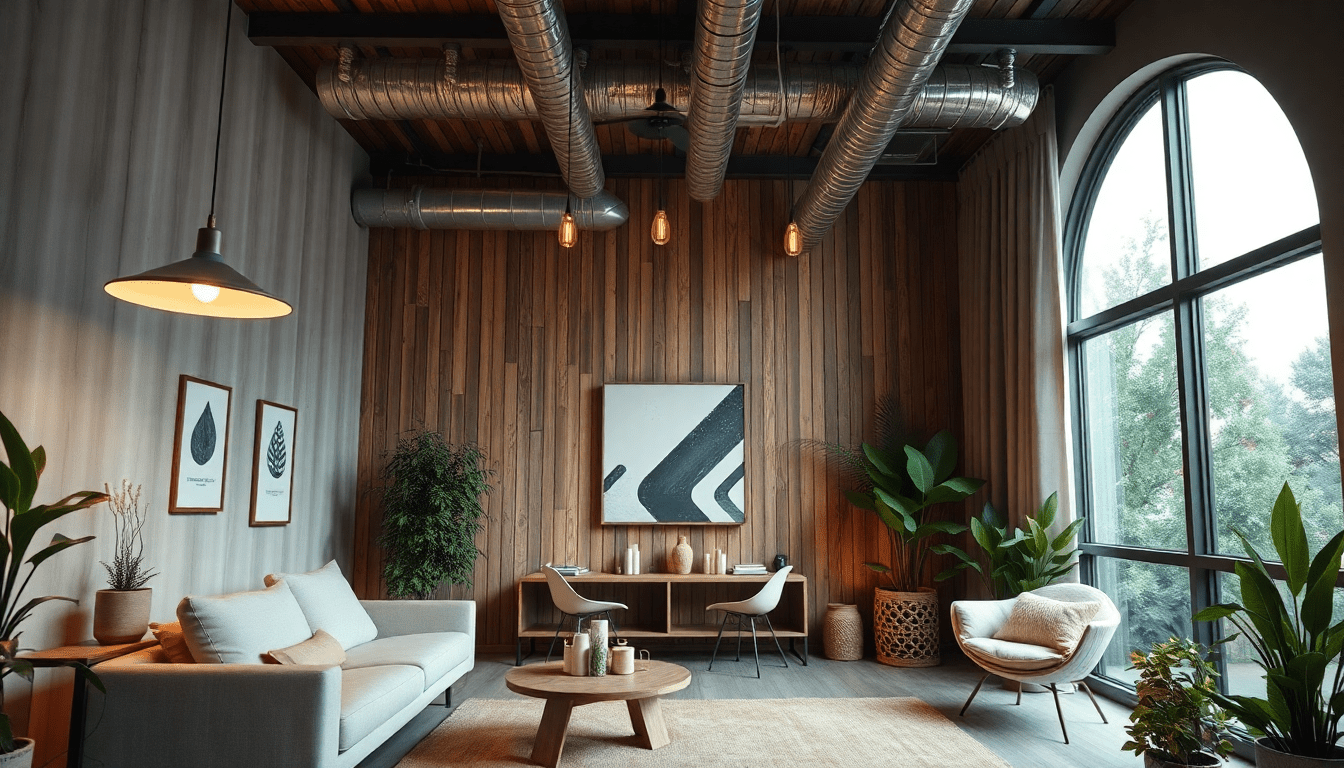
Introduction: Transform Your Home with Sustainable Ambient Lighting in 2026
As the demand for environmentally responsible interior design accelerates in 2026, smart ambient lighting emerges as a transformative element. Combining advanced technology and sustainable principles, innovative lighting solutions can dramatically enhance your home's aesthetic, comfort, and eco-friendliness. This comprehensive guide explores the latest trends, ideas, and tips to help you incorporate smart ambient lighting into your sustainable interior design seamlessly.
The Rise of Sustainable Interior Lighting in 2026
Modern homes are increasingly adopting eco-conscious practices, and lighting plays a crucial role in this movement. Not only does smart lighting reduce energy consumption, but it also allows for customization that improves wellbeing and interior ambiance. From renewable materials to intelligent controls, 2026's lighting innovations center on creating environments that are both beautiful and sustainable.
Understanding the Importance of Sustainable Ambient Lighting
- Energy Conservation: Smart, LED-based lighting options significantly lower electricity use compared to traditional fixtures.
- Reduced Carbon Footprint: Utilizing renewable energy sources like solar power minimizes environmental impact.
- Enhanced Indoor Environmental Quality: Proper lighting improves mood, productivity, and overall health.
- Design Flexibility: Smart lighting allows for versatile ambiance settings tailored to different moods and activities.
Key Features of Innovative Smart Ambient Lighting in 2026
1. Adaptive and Tunable Color Temperature
Advanced fixtures can dynamically change color temperatures from warm (2700K) to cool (6500K), mimicking natural sunlight rhythms. These features support circadian health and enhance comfort.
2. Voice and App Control Integration
Lighting systems compatible with Alexa, Google Assistant, or proprietary apps allow users to control, schedule, and modify lighting scenes effortlessly, supporting energy savings and customized decor.
3. Solar-Powered and Battery-Operated Fixtures
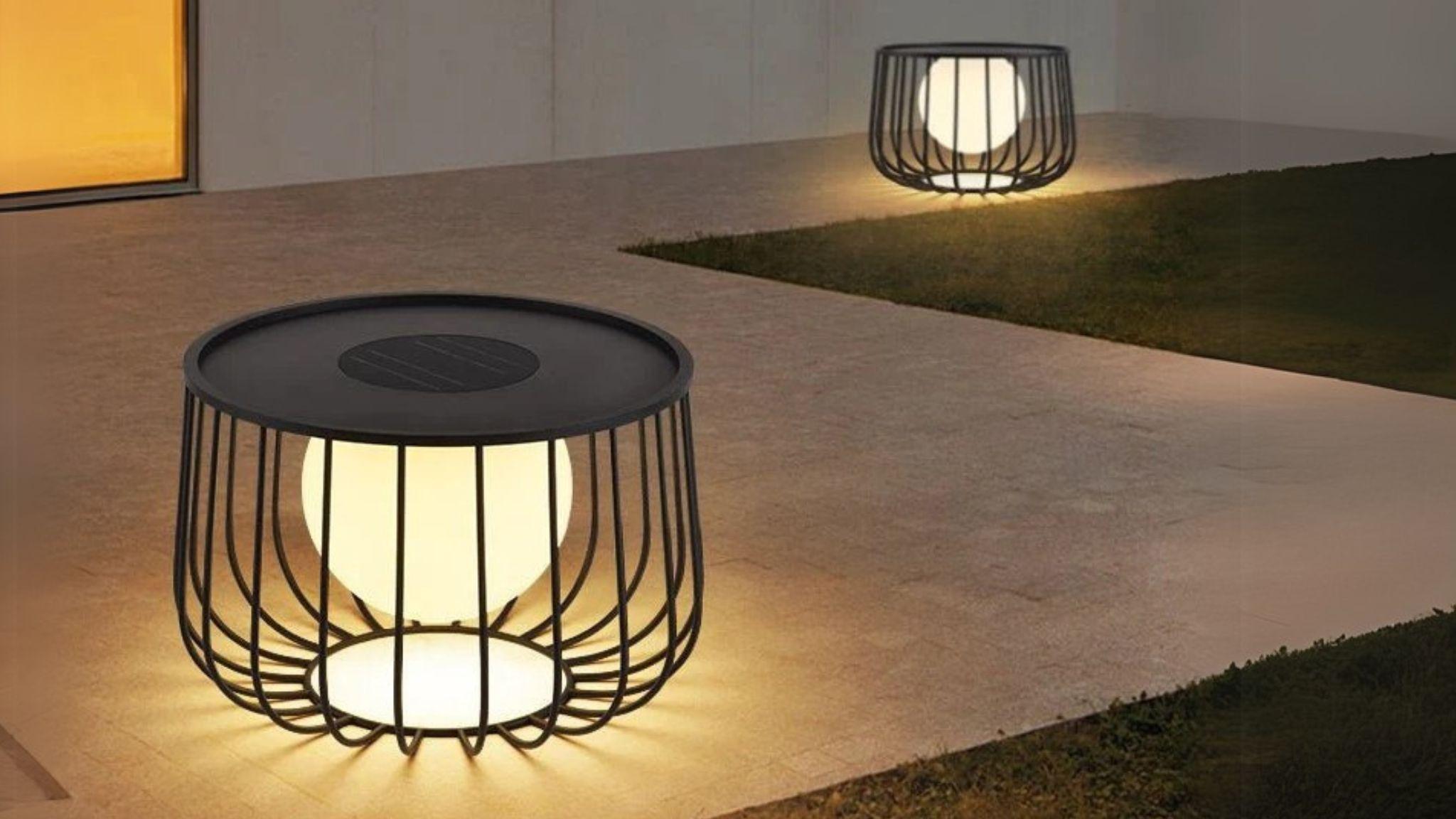
Harness the power of renewable energy with solar-powered outdoor and indoor lights, reducing reliance on the grid. High-capacity batteries store excess energy for nighttime use.
4. Automated Sensing Systems
Incorporate motion, presence, and daylight sensors to optimize lighting use, turning fixtures on or off based on occupancy and natural light levels—maximizing efficiency.
5. Color Customization with RGB and Tunable White LEDs
Create vibrant or soothing atmospheres via adjustable color schemes, perfect for setting moods or highlighting decor themes.
Design and Integration Tips for a Sustainable Interior
- Layer Your Lighting: Combine ambient, task, and accent lights to achieve balanced illumination and flexibility.
- Highlight Sustainable Decor: Use strategic lighting to emphasize eco-friendly furniture and natural materials.
- Use Smart Automation: Program lighting scenes that change seasonally or daily for optimal energy use.
- Prioritize Dimming Features: Install dimmers to adjust brightness levels and extend fixture longevity.
- Choose Recyclable and Eco-Friendly Fixtures: Opt for lighting made from sustainable materials, supporting circular economy principles.
Incorporating Smart Ambient Lighting in Different Spaces
Living Rooms
- Create calming environments with tunable warm whites.
- Use RGB LEDs for dynamic color effects during media viewing or entertaining.
Bedrooms
- Implement circadian lighting that simulates natural sunset and sunrise.
- Add touchless controls for ease and hygiene.
Kitchens and Dining Areas
- Utilize bright, adjustable task lighting that can be dimmed during meals.
- Install under-cabinet LEDs with smart controls for energy-efficient task lighting.
Outdoor and Garden Spaces
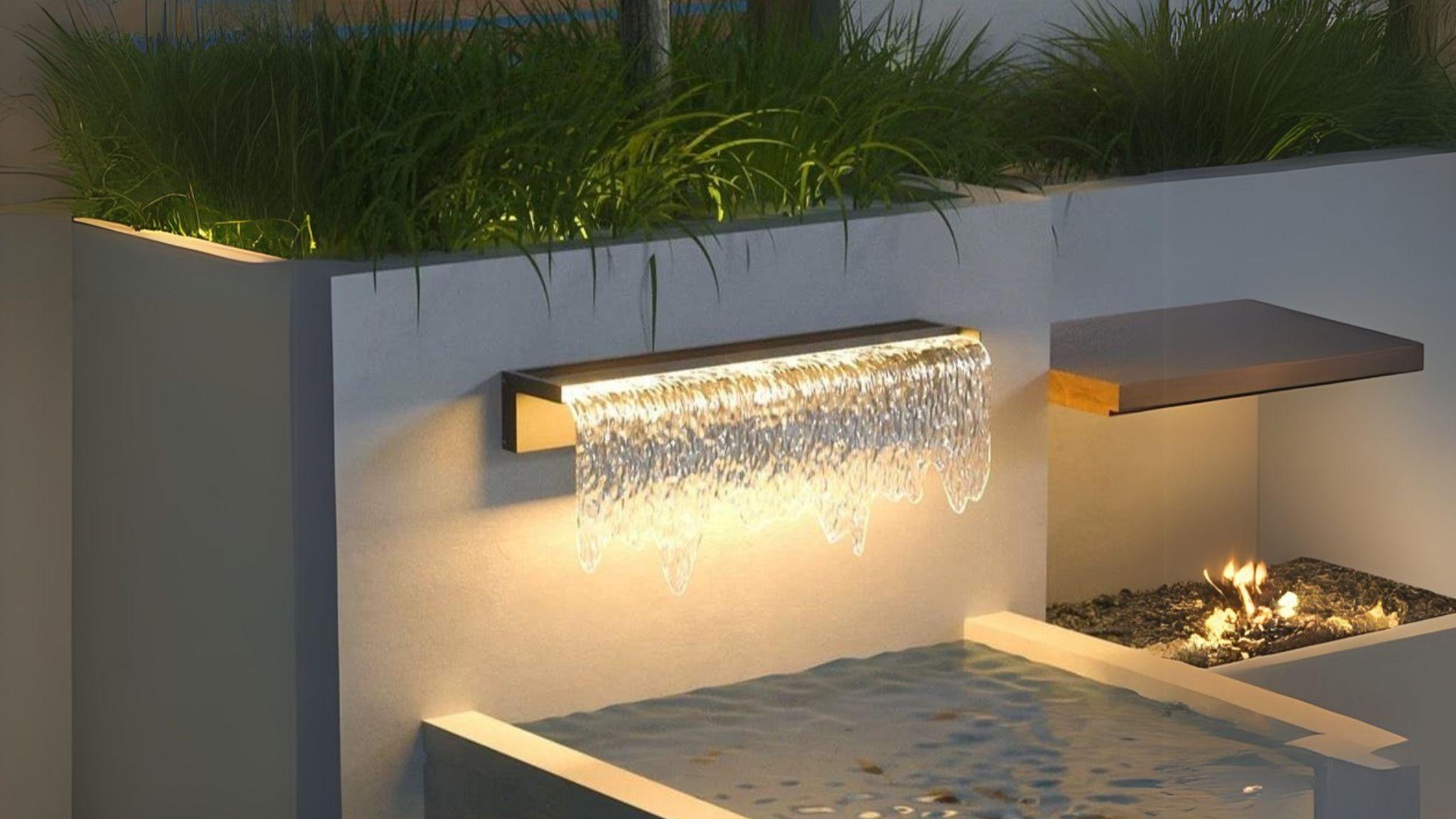
- Use solar-powered landscape lighting integrated with smart controls for automated seasonal accents.
- Create welcoming pathways with motion-activated fixtures.
The Future of Sustainable Smart Lighting: Trends to Watch in 2026 and Beyond
- Full Home Automation Integration: Seamless coordination between lighting, HVAC, and security for energy optimization.
- Biophilic Design Elements: Combining natural and artificial lighting to improve mental health and connect indoor environments with nature.
- Innovative Materials: Use of biodegradable, recyclable, and low-impact materials in fixture manufacturing.
- AI and Machine Learning: Intelligent lighting systems that learn user habits to optimize energy and ambiance automatically.
Practical Tips for Sustainable Lighting Implementation
- Assess Natural Light: Maximize daylight by using smart blinds and reflective surfaces to reduce artificial light dependence.
- Select High-Efficiency Fixtures: Prioritize LED fixtures with high luminous efficacy and low power consumption.
- Plan for Future Upgrades: Design wiring and control systems that are adaptable for emerging technologies.
- Educate and Involve Household Members: Promote eco-friendly lighting habits through tutorials and user-friendly controls.
Conclusion: Embrace the Future of Sustainable Interior Lighting
Innovative smart ambient lighting offers a compelling path toward more sustainable, healthy, and aesthetically pleasing interior spaces in 2026. By integrating advanced technology with eco-friendly principles, homeowners can enjoy customizable, energy-efficient environments that support their lifestyle and environmental values.
Start your journey toward smarter, greener interiors today by exploring the latest lighting solutions and accessories designed for the modern home. Remember, thoughtful lighting not only elevates your decor but also contributes significantly to sustainability goals.
Visit XENTAR for more lighting, decor & furniture curated for modern homes and creative spaces.
Share:
Harnessing Advanced Smart Lighting Systems to Create Eco-Friendly and Aesthetic Modern Interiors in 2026
Transform Your Interior with Sustainable Smart Lighting Innovations and Creative Decor Ideas for 2026