

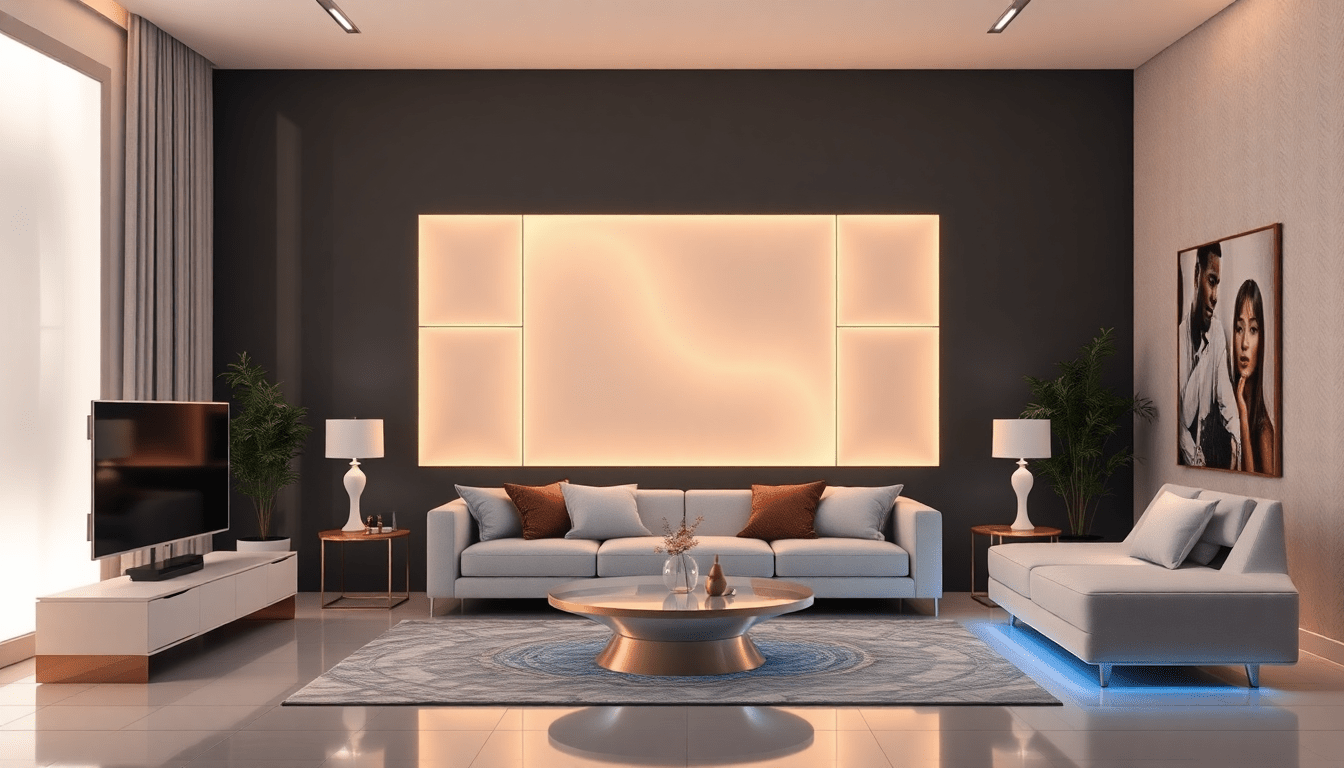
Introduction: The Future of Interior Design with Smart Lighting
As technology continues to revolutionize home decor, advanced smart lighting systems are now integral to creating eco-friendly and aesthetically inspiring modern interiors in 2026. These innovative lighting solutions combine energy efficiency, customizable ambiance, and seamless integration with smart home ecosystems—giving homeowners and designers the tools to craft sustainable, luxurious, and personalized living spaces. This comprehensive guide explores the latest in smart lighting technology, practical implementation strategies, and future trends shaping the way we illuminate our homes.
Understanding Advanced Smart Lighting Technologies
Smart lighting has evolved significantly over recent years. Today, the most advanced systems are characterized by:
- Dynamic Color Control: Ability to change colors via app or voice commands, enabling mood adjustments, accent lighting, and seasonal decor.
- Adaptive Brightness and Color Temperature: Lighting adjusts automatically based on natural light, time of day, or user preferences for maximum comfort and energy savings.
- Voice and App Control: Integration with popular smart home assistants like Alexa, Google Assistant, and Apple HomeKit for effortless control from anywhere.
- Motion and Presence Sensors: Lights respond to occupancy, turning off when spaces are empty, which significantly reduces energy waste.
- Energy Efficiency with LED Technology: High-quality LEDs consume less power, have a longer lifespan, and now come with smart features for optimal operation.
- Networking and IoT Integration: Systems communicate with other smart devices, enabling complex automation scenarios for seamless user experiences.
The Benefits of Smart Lighting in Modern Interior Design
Incorporating smart lighting into modern interiors delivers numerous advantages, especially when prioritizing eco-friendliness and aesthetics:
- Sustainable Living: Reduced energy consumption leads to lower carbon footprints, aligned with global sustainability goals.
- Personalized Ambiance: Easily modify lighting styles to suit different moods, activities, or seasons, creating versatile living environments.
- Enhanced Decor and Style: Use color-changing and programmable fixtures as design elements, adding personality and sophistication.
- Increased Property Value: Modern smart technology appeals to prospective buyers, enhancing the value and marketability of homes.
- Convenience and Safety: Automated and remote control allows for peace of mind and safety, especially for security or ambiance in outdoor or entry areas.
Design Tips for Incorporating Smart Lighting into Modern Interiors
Successfully integrating smart lighting involves thoughtful planning and innovative design techniques. Consider these strategies:
Layered Lighting for Depth and Visual Interest
- Combine ambient lighting with task and accent fixtures to create a balanced and dynamic environment.
- Use dimmable smart LEDs to adjust intensity based on activity or time of day.
Statement and Sculptural Fixtures
- Select statement smart fixtures, such as pendant lights or chandeliers with integrated color-changing capabilities, to serve as focal points.
- Experiment with unique shapes and finishes that complement the overall decor theme.
Matching Lighting with Decor Styles
- Use smart lighting to highlight artwork, architectural features, or decorative objects.
- Coordinate fixture colors and styles with your interior palette for a harmonious look.
Automation and Scene Setting
- Create personalized lighting scenes for different moods—romantic, energizing, relaxing, or festive.
- Schedule lighting changes to enhance seasonal decor or daily routines.
Eco-Friendly Habits Enabled by Smart Lighting
Smart lighting systems promote sustainability through various habits and features:
- Automatically turning off lights when rooms are unoccupied, reducing unnecessary energy use.
- Utilizing daylight harvesting, where smart sensors dim or turn off electric lighting in response to natural sunlight.
- Using energy-efficient bulbs with smart controls, reducing power demand.
- Monitoring energy consumption patterns via apps to identify opportunities for savings.
Customizing Modern Interiors with Seasonal and Trend-Driven Lighting
In 2026, smart lighting empowers homeowners to adapt their spaces to seasonal and emerging decor trends seamlessly:
- Switching to warmer tones in winter for cozy atmospheres, and cooler hues in summer for freshness.
- Incorporating color cycles for holidays or celebrations, easily programmable through apps.
- Playing with lighting hierarchies, combining subtle accents with bold statement pieces aligned with current design trends.
Future Trends in Smart Lighting and Interior Design
Looking ahead, several exciting developments are expected to shape the next phase of smart lighting integration:
- AI-Powered Personalization: Artificial intelligence will learn user routines and preferences, automatically adjusting lighting for maximum comfort and efficiency.
- Augmented Reality Visualization: Homeowners and designers will use AR apps to preview lighting effects and configurations before installation.
- Interconnected Ecosystems: Smart lighting will increasingly connect with other systems, such as climate control and security, for holistic home automation.
- Sustainable Material Innovations: New eco-friendly materials and fixtures will enhance sustainability and aesthetic appeal.
Practical Steps for Implementing Smart Lighting in Your Home
Ready to upgrade your living space? Follow these steps:
- Assess your lighting needs across different rooms and activities.
- Choose compatible smart lighting products—consider energy efficiency, color options, and automation features.
- Plan your lighting layers: ambient, task, and accent lighting.
- Integrate lighting controls with your existing smart home system for centralized management.
- Experiment with different scenes and schedules to optimize ambiance and energy savings.
- Regularly update firmware and features to leverage the latest innovations.
Conclusion: Embracing Advanced Smart Lighting for Stylish and Sustainable Homes
In 2026, harnessing advanced smart lighting systems is transforming modern interiors into eco-friendly, customizable, and visually captivating environments. By adopting innovative lighting technology and thoughtful design strategies, homeowners can enjoy immense benefits—from energy savings and enhanced decor to greater convenience and comfort. The future of home lighting lies at the intersection of style, sustainability, and smart technology, making now the perfect time to reimagine your living space.
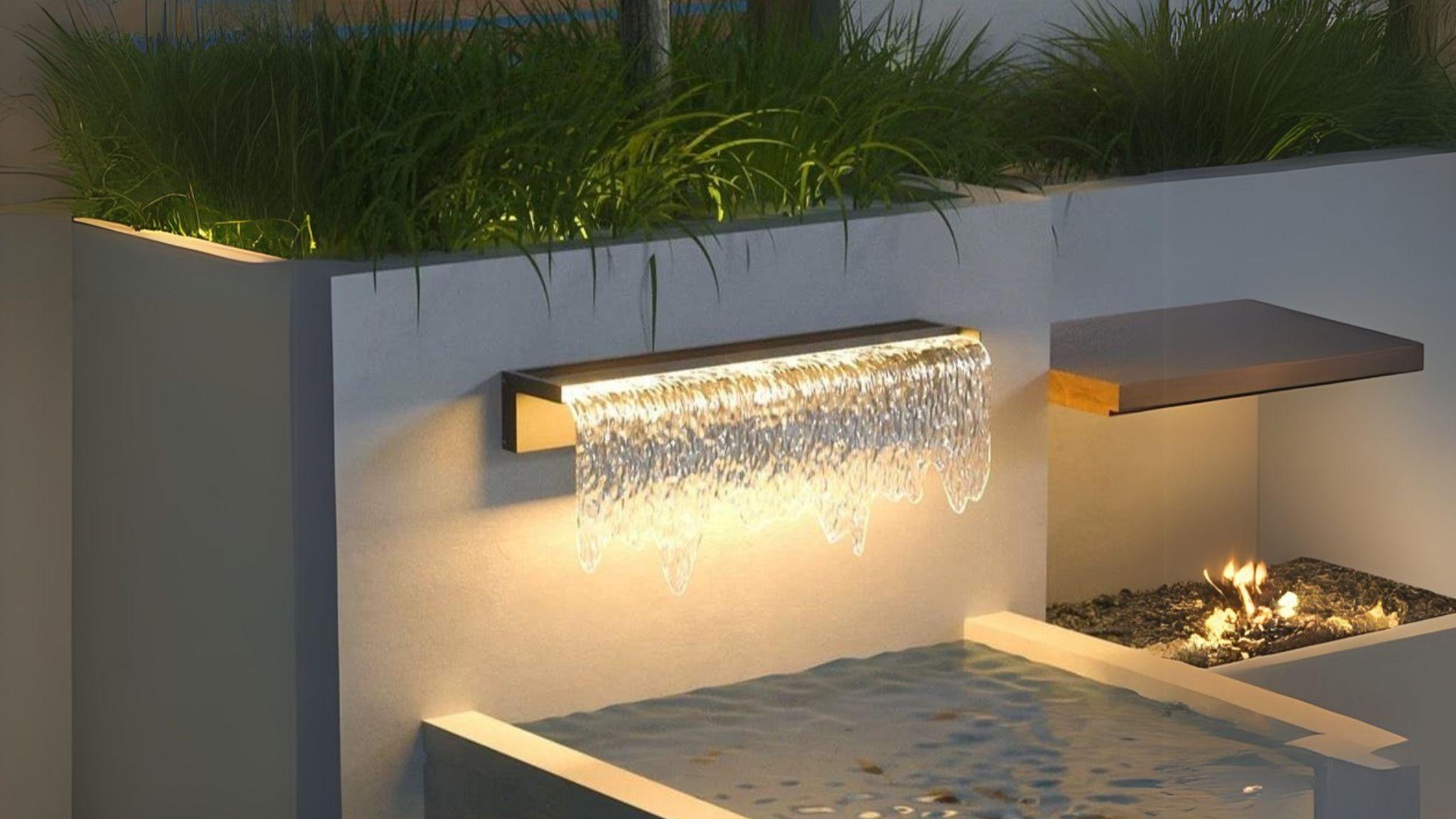
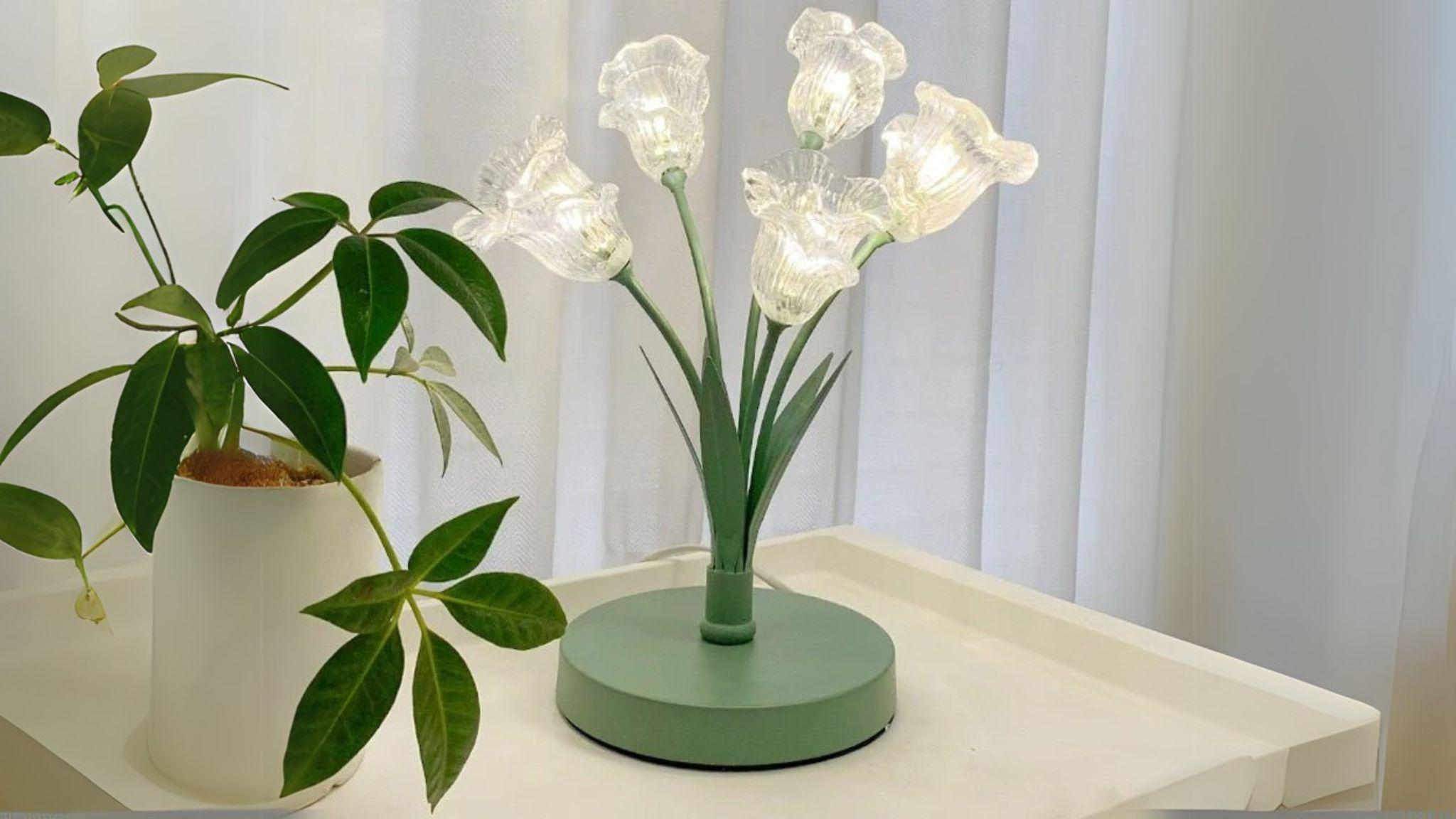
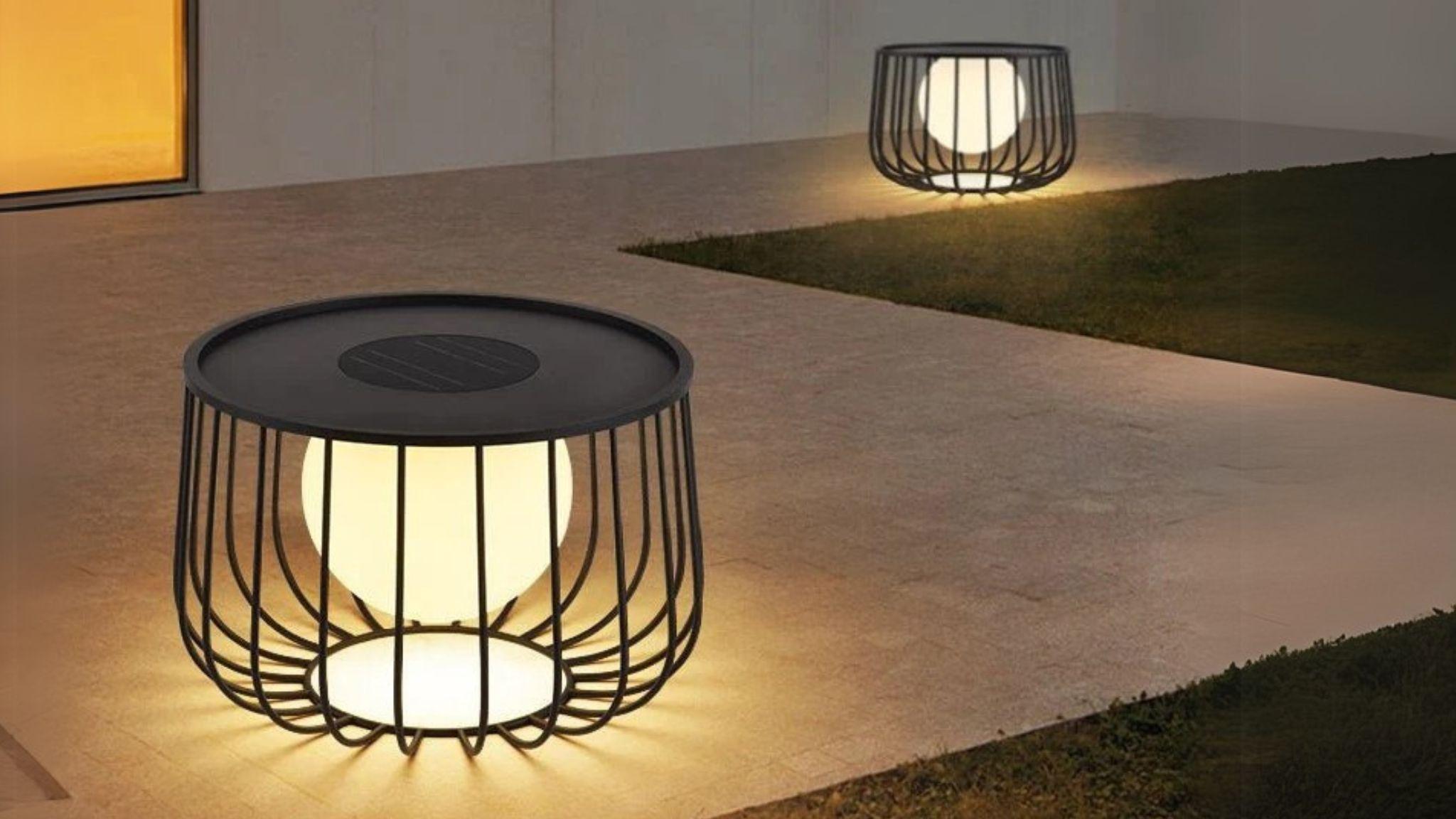
Visit XENTAR for more lighting, decor & furniture curated for modern homes and creative spaces.
Share:
Revolutionize Your Interior Design with Sustainable Smart Lighting Innovations for a Modern, Eco-Friendly Home
Innovative Smart Ambient Lighting Ideas to Elevate Sustainable Interior Designs in 2026