

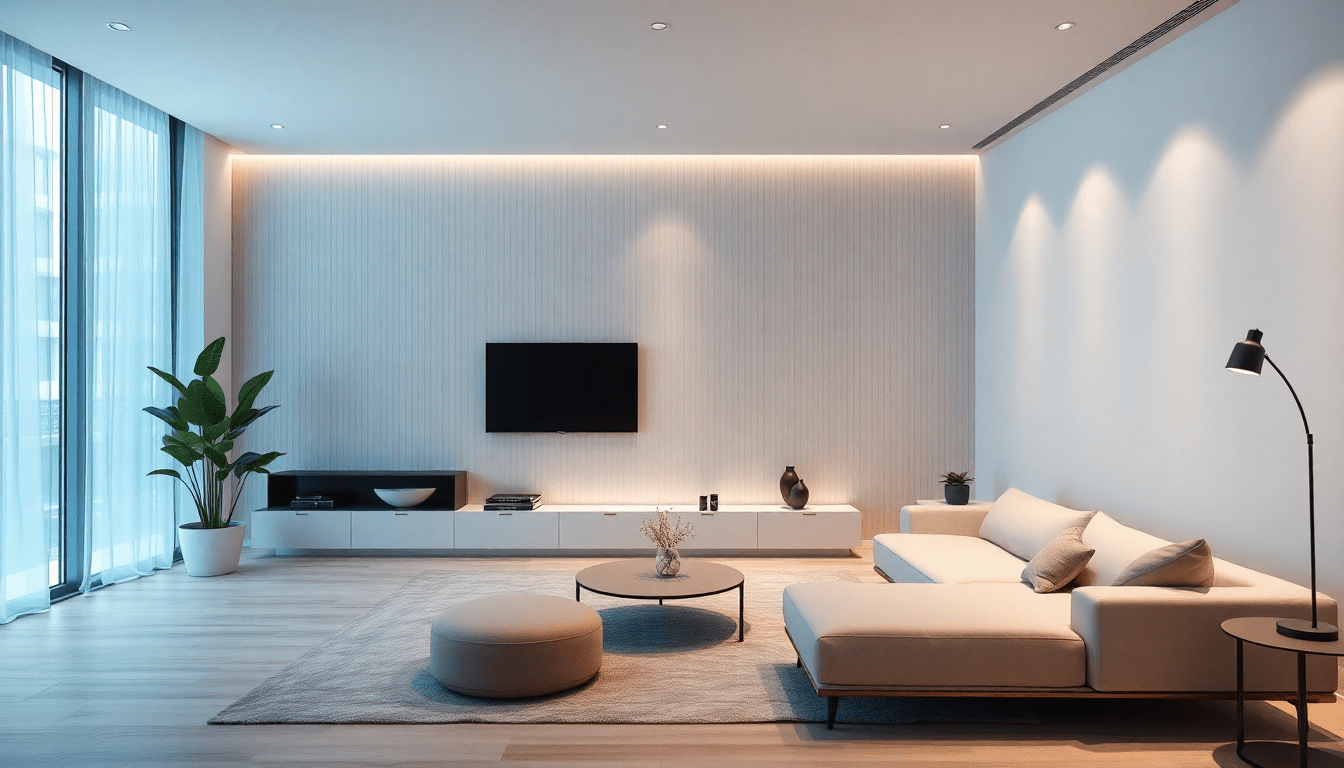
Introduction
In 2025, smart lighting technology has become a vital element in creating minimalist interiors that are both functional and aesthetically pleasing. With rapid advancements in IoT (Internet of Things) and energy-efficient solutions, homeowners and designers are now equipped to craft spaces that are highly customizable, sustainable, and visually striking. This comprehensive guide explores the latest innovations in smart lighting, how they can be seamlessly integrated into minimalist interior designs, and how they enable users to create adaptive ambiances suited for every mood, season, and occasion.
The Evolution of Smart Lighting in Modern Homes
Over the past decade, smart lighting has transcended basic functionality to become an integral part of home automation and interior aesthetics. Minimalist design principles emphasize clean lines, clutter-free spaces, and subtle elegance. Smart lighting complements these principles by providing unobtrusive, versatile lighting solutions that can be controlled via apps, voice commands, or automation systems, eliminating the need for numerous physical switches and fixtures.
Top Smart Lighting Innovations for 2025
1. Voice-Activated and App-Controlled Lighting Systems
Integration with virtual assistants like Amazon Alexa, Google Assistant, and Apple’s Siri allows users to control lighting hands-free. Apps offer advanced control options—scheduling, scene creation, and remote access—making it easier than ever to personalize lighting experiences.
2. Circadian Rhythm Adjustment Features
Lighting systems now include sensors and algorithms that track natural daylight patterns, adjusting the color temperature and brightness throughout the day. This adaptive lighting supports healthy sleep cycles, enhances alertness during the day, and promotes relaxation in the evening, aligning indoor environments with human biological rhythms.
3. Dynamic Color Temperature and RGB Customization
Modern LEDs can produce a broad spectrum of colors and temperatures. This flexibility allows residents to switch between neutral whites suitable for work and vibrant hues for entertaining or relaxing, enhancing the emotional impact of interior spaces.
4. Motion, Presence, and Occupancy Sensors
Smart sensors detect movement or occupancy and automatically turn lights on or off, reducing energy waste and adding convenience—especially in hallways, bathrooms, and secondary rooms—a seamless enhancement to minimalist living spaces.
5. Wireless Synchronization Across Multiple Zones
Multi-room lighting systems synchronize across different areas, creating immersive environments for movie nights, parties, or serene mornings. Lighting scenes can be easily programmed and triggered via voice or app, offering effortless ambiance adjustments.
Design Integration Tips for Minimalist Interiors
- Choose Concealed and Recessed Fixtures: Recessed, track, or flush-mounted lighting solutions keep ceilings and walls clean, unobtrusive, and aligned with minimalist aesthetics.
- Select Minimalist Fixture Designs: Opt for fixtures with sleek lines, neutral finishes, and unobtrusive hardware that blend seamlessly into your decor.
- Emphasize Layered Lighting: Combine ambient, task, and accent lighting for flexibility and depth, avoiding harsh or overly bright settings.
- Implement Dimmer Controls and Tunable White Light: Provides subtle control over light intensity and color temperature to support various activities and moods.
- Optimize Placement: Strategically position fixtures to highlight architectural features, artwork, or textures without cluttering the space.
Creating Adaptive and Thematic Ambiances
Smart lighting affords homeowners the power to easily switch between various moods—whether for relaxation, focus, entertainment, or celebration. Here are some ideas to maximize adaptive ambiance:
- Seasonal Scenes: Program lighting scenes that mimic natural daylight patterns across seasons, brightening interiors in winter and softening in summer.
- Event-Based Settings: Create presets for dinner parties, movie nights, or morning routines that are just a tap away.
- Natural Gradient Transitions: Use automation to gradually change lighting throughout the day, supporting circadian health and mood enhancement.
- Color Play: Experiment with vibrant hues during social gatherings and warm neutrals during quiet evenings to foster dynamic environments.
Future Trends in Smart Lighting for Minimalist Homes
As technology advances, expect to see further innovations such as:
- AI-Powered Personalization: Artificial intelligence will learn user preferences and automatically adjust lighting for optimal comfort and mood.
- Integration with Other Smart Home Devices: Lighting will sync seamlessly with climate control, security, and entertainment systems for holistic home automation.
- Enhanced Sustainability: Increased adoption of solar-powered smart fixtures and ultra-low-energy LEDs to reduce carbon footprint.
- Augmented Reality (AR) Lighting Experiences: Virtual overlays for furniture placement or scene customization via AR apps, offering a futuristic approach to interior design.
Final Thoughts
2025 heralds a new age of smart lighting that perfectly complements minimalist interiors while enabling unparalleled flexibility, personalization, and sustainability. By adopting these innovative solutions, homeowners can elevate their living spaces into harmonious environments that adapt effortlessly to their needs and moods at any time of day or year.
Embrace the future of home lighting by exploring cutting-edge products and ideas tailored for modern living environments. Your minimalist sanctuary is just a smart lighting system away from becoming your ideal personalized space.
Visit XENTAR for more lighting, decor & furniture curated for modern homes and creative spaces.
Share:
Innovative Ambient Lighting Solutions to Elevate Small Home Decor and Create Adaptive, Stylish Living Environments in 2025
Elevate Small Space Elegance with Smart Lighting Innovations and Contemporary Furniture Trends in 2025