

Introduction
In 2025, the landscape of small space living is undergoing a significant transformation, driven by technological advancements in smart lighting and versatile modular furniture. As urban dwellers seek efficient, stylish, and adaptable solutions, integrating innovative lighting techniques becomes essential to maximize functionality and aesthetic appeal. This comprehensive guide explores how smart lighting is revolutionizing compact living environments, providing actionable insights for homeowners, interior designers, and apartment developers aiming to elevate their small spaces in 2025.
The Rise of Smart Lighting in Small Space Design
Smart lighting has transitioned from a luxury to an essential feature in modern interior design. Its ability to adapt to different needs through automation and customization makes it ideal for small spaces where every inch counts. The convergence of technology and design enables homeowners to create immersive environments that feel larger, more inviting, and highly functional.
Key reasons for smart lighting's increasing importance include:
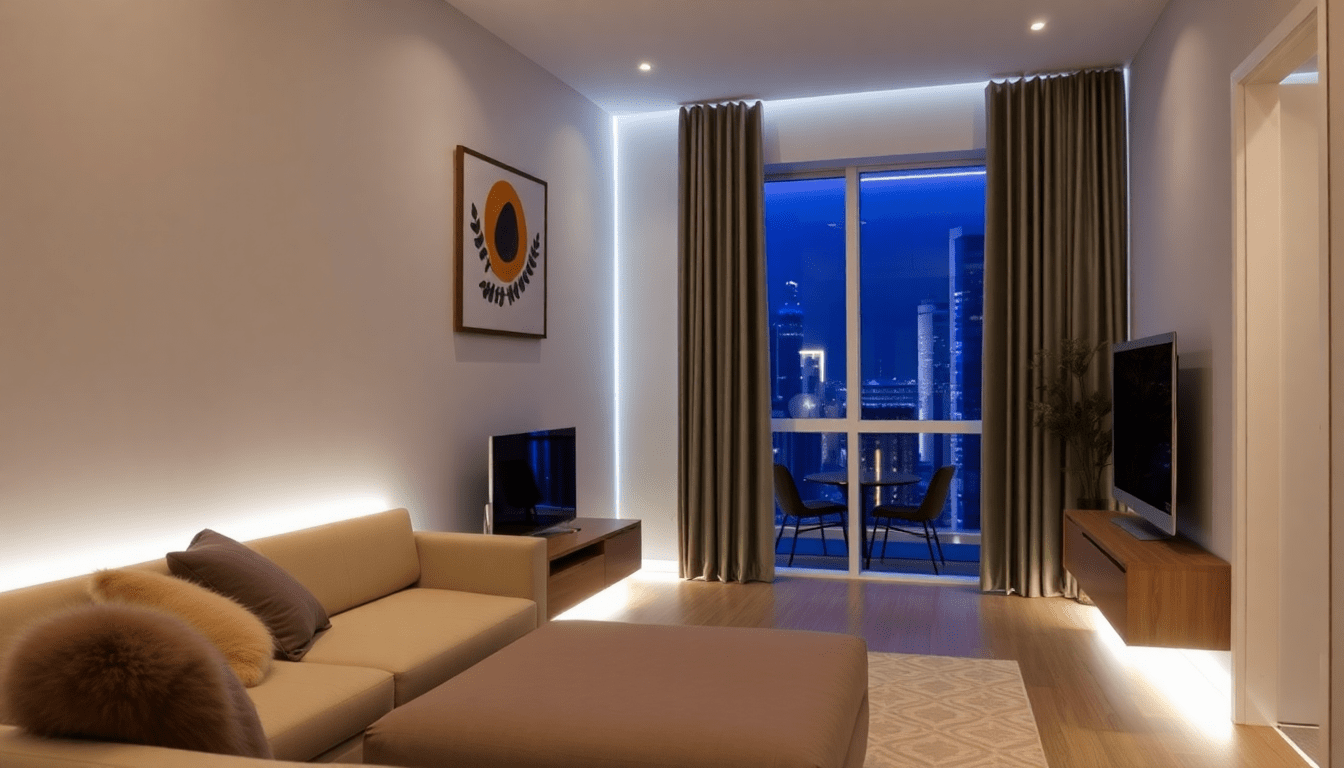
- Space Optimization: Smart lighting enhances perceived room size through strategic placement, reflections, and color temperature manipulation.
- Multifunctionality: Adjustable lighting supports different activities—from working to relaxing—without cluttering the space with multiple fixtures.
- Seamless Integration: Compatible with modular furniture, it allows for flexible layouts and dynamic spatial zones.
Cutting-Edge Smart Lighting Techniques for 2025
Just as modular furniture enables living spaces to adapt to changing needs, innovative lighting methods in 2025 leverage technology to personalize and optimize interior environments. Here are some of the most impactful techniques:
1. Dynamic LED Strip Lighting
LED strips are now smarter than ever, capable of color-changing, dimming, and repositioning to suit mood or activity. They can be installed along furniture edges (like underneath beds or sofas), along walls, or within ceiling coves to create cohesive ambient lighting. Using smartphone apps or voice commands, users can switch between scenes—warm comforting glows for evenings, bright cool tones for work, or colorful accents for entertainment.
2. Voice-Activated and App-Controlled Lighting
The integration of voice assistants like Alexa, Google Assistant, or Siri allows for effortless control over lighting environments. Customized scenes can be activated with simple commands, providing a hands-free experience. Dedicated apps further enable complex automation routines, such as gradually dimming lights at sunset or syncing lighting with music or TV content, perfectly complementing small space living where ease of use is paramount.
3. Zoned Color Temperature and Brightness Control
Dividing a space into zones (for example, work area, lounge, and dining nook) with dedicated lighting allows tailored environments for different activities. Each zone can have its specific color temperature—warm (around 2700K) for relaxation, neutral (around 3500K) for daily activities, and cool (up to 6500K) for tasks requiring focus. This zoning enhances ambiance and productivity, making even tiny rooms feel segmented and thoughtfully designed.
4. Motion and Occupancy Sensors
Automated sensors detect movement to turn lights on or off, eliminating the need for switches and reducing energy waste. These are especially beneficial in small apartments where space-saving and convenience are priorities. Smart sensors can also adjust lighting based on the time of day or occupancy patterns, fostering an energy-efficient and intuitive living environment.
Integration Strategies: Pairing Smart Lighting with Modular Furniture
Combining smart lighting with modular furniture unlocks new potentials in space utilization and aesthetic customization. Here’s how to seamlessly integrate these elements:
- Create Flexible Zones: Use lighting to define and transform areas within open-plan small apartments, such as converting a reading nook into a workspace with adjustable lighting.
- Highlight Key Furniture Pieces: Spotlights or accent LEDs can emphasize design features or unique modular furniture configurations.
- Enhance Multifunctional Spaces: Dynamic lighting enables a single room to serve multiple purposes—bright and lively during the day, soft and cozy at night—adjusted via smart controls.
Design Tips for a Cohesive and Aesthetic Space
Creating a harmonious interior with smart lighting involves more than technology—it requires thoughtful design choices:
- Harmonize Color Palettes: Use consistent color themes across light fixtures and furniture for a unified look.
- Layered Lighting Approach: Combine ambient, task, and accent lighting to add depth and flexibility. For instance, overhead lights, desk lamps, and decorative LEDs working together.
- Sleek Control Interfaces: Opt for integrated control panels, remote apps, or voice commands to keep the look uncluttered and modern.
Future Trends and Innovations in Small Space Lighting for 2025 and Beyond
The evolution of smart lighting continues, with emerging trends poised to further change small space living:
- Advanced AI Personalization: Future systems will learn user preferences over time for highly customized lighting scenarios.
- Expandable Ecosystems: Modular smart systems that grow as your needs evolve, integrating with other home automation tools.
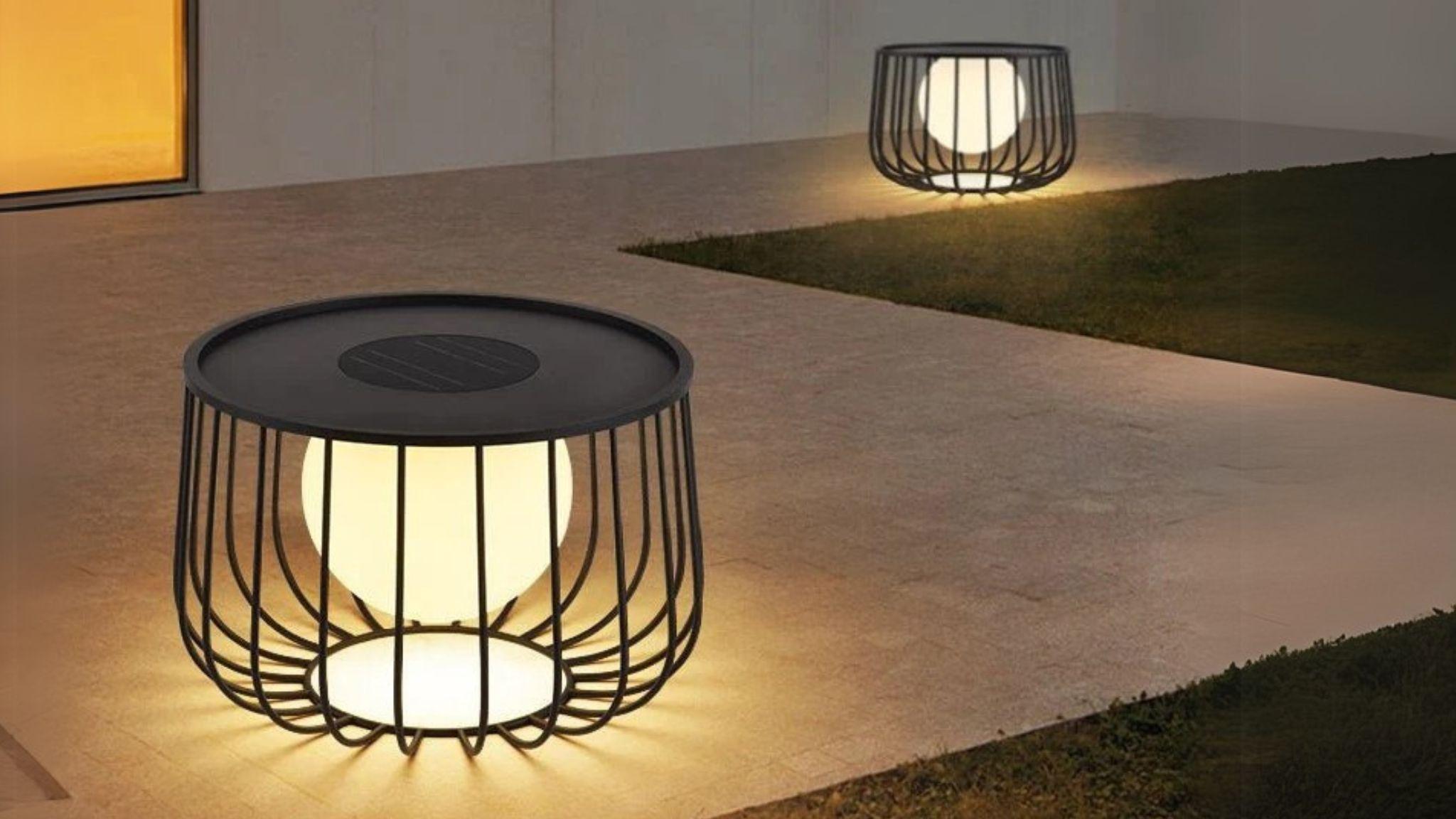
- Eco-Friendly Lighting: Solar-powered or biodegradable LED solutions, along with energy-efficient features, becoming more prevalent.
- Augmented Reality (AR) Design Tools: Virtual lighting design simulations to visualize how different lighting schemes will look before implementation.
Conclusion
As we navigate the interior design landscape of 2025, smart lighting emerges as a pivotal component in transforming small spaces into highly functional, stylish, and dynamic environments. When combined with versatile modular furniture, innovative lighting techniques offer unparalleled opportunities to optimize space, enhance aesthetics, and improve daily living experiences. Whether you’re designing a tiny apartment or a compact home office, embracing these cutting-edge solutions will empower you to create a creative, personalized sanctuary suitable for modern living.
Get inspired and start elevating your small space today by incorporating intelligent lighting strategies designed for the future of home design.
Visit XENTAR for more lighting, decor & furniture curated for modern homes and creative spaces.
Share:
Innovative Ambient Lighting Techniques to Enhance Multi-Functional Furniture in Small Modern Homes in 2025
Innovative Lighting Solutions to Maximize Small Space Functionality and Style in 2025