

Introduction: Elevate Your Interior Design with Layered Ambient Lighting
In 2026, the art of interior lighting continues to evolve, shaping how modern spaces feel, function, and impress. Layered ambient lighting stands at the forefront of this transformation, offering dynamic ways to craft atmospheres that are both visually stunning and highly adaptable. Whether you aim for a cozy living room, a productive home office, or an elegant dining area, mastering innovative lighting techniques allows you to enhance every aspect of your interior landscape.
Understanding Layered Ambient Lighting
Layered ambient lighting involves orchestrating different types of light sources—general, task, and accent lighting—to produce a harmonious and versatile environment. This concept offers more than just illumination; it creates mood, emphasizes architectural features, and improves functionality. Implementing this technique effectively requires understanding the purpose of each layer:
- General Lighting: Provides overall brightness, ensuring the space is well-lit without harsh shadows.
- Task Lighting: Focused lighting for specific activities like reading or cooking.
- Accent Lighting: Highlights artwork, textures, or architectural elements, adding depth and visual interest.
Cutting-Edge Techniques for Layered Ambient Lighting in 2026
Advanced technology and creative design are redefining how layered lighting can be applied in modern interiors. Here are some innovative approaches to consider:
Smart Zone Lighting with AI Integration
Using AI-powered lighting systems, you can enjoy adaptive illumination that responds to your daily routines. These systems analyze occupancy, ambient light levels, and time of day to automatically adjust brightness, color temperature, and even hue, creating optimized atmospheres without manual intervention.
Invisible Light Sources and Concealed Fixtures
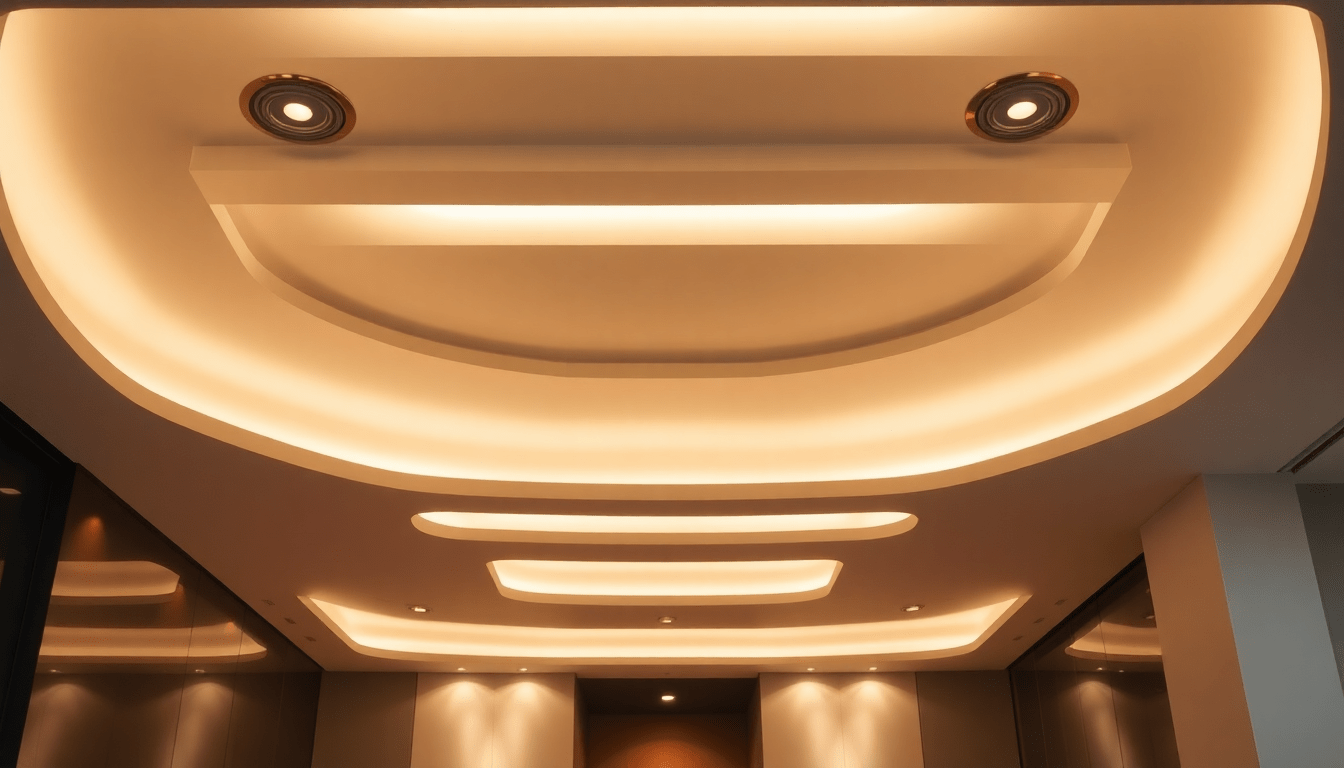
Concealed LED strips, cove lighting, and recessed fixtures allow you to achieve smooth, diffuse light that seamlessly integrates into your ceiling or architectural features. The result is a minimalist aesthetic that emphasizes space and design rather than visible light fixtures.
Dynamic Color-Tuning and Scene Setting
LED fixtures with tunable RGBW (Red, Green, Blue, White) capabilities give you the power to change moods at a moment’s notice. Create preset scenes for relaxation, entertainment, or productivity—adjust colors and intensity for each occasion, all controlled via smartphone or voice assistants.
Multi-Channel Dimming and Customized Lighting Cycles
Multi-zone dimming systems enable precise control over each lighting layer, allowing for gradual transitions, seasonal adjustments, or mood creation. This flexibility helps prevent over-illumination or insufficient light, optimizing comfort and ambiance.
Integration of Natural Light with Smart Windows
Smart window treatments, such as motorized blinds and electrochromic glass, adapt to external lighting conditions, supplementing ambient light and reducing energy consumption. This integration supports layered lighting by harmonizing natural and artificial sources effectively.
Design Tips for Effective Layered Lighting in Modern Interiors
- Strategic Layer Placement: Position fixtures at different heights and angles to create visual interest and depth. Use wall-mounted sconces, ceiling-mounted downlights, and floor lamps synergistically.
- Focus on Texture and Materiality: Highlight textured walls, tile finishes, or decorative elements with accent lighting to add personality and dimension.
- Maintain Balance and Harmony: Avoid overly bright spots or harsh contrasts by calibrating all light sources to complement each other, fostering a cohesive environment.
- Leverage Smart Controls: Automate your lighting with centralized controls or mobile apps, enabling scene presets, scheduling, and remote adjustments for maximum convenience.
- Prioritize Energy Efficiency and Sustainability: Opt for high-efficiency LEDs, solar-powered fixtures, and eco-friendly technologies to make your lighting not only beautiful but also sustainable.
Emerging Trends in Ambient Lighting for 2026
The future of indoor lighting is driven by technological innovation, environmental consciousness, and a desire for personalization. Key trends include:
- Biophilic Lighting: Inspired by nature, this trend emphasizes organic shapes, natural materials, and soft, earthy color schemes to promote well-being and mental health.
- Multi-Functional Fixtures and Furniture-Integrated Lighting: Furniture like beds, tables, and shelving now incorporate built-in lighting elements, reducing clutter and enhancing the aesthetic.
- Sustainable and Eco-Conscious Tech: Focus on low-impact, recyclable materials, and smart energy management systems that reduce environmental footprint.
- Personalized and Adaptive Environments: Customized lighting experiences that adapt to user preferences, moods, and activities, leveraging AI and IoT platforms.
- Color Psychology and Dynamic Lightscapes: Using light to influence mood and behavior, with dynamic color shifts linked to wellness or productivity goals.
Implementing Your Layered Lighting Scheme: Step-by-Step
To effectively incorporate these techniques into your home or office:
- Assess Your Space: Identify key areas and functions, noting architectural features and natural light availability.
- Define Your Mood and Style: Decide on ambiance goals—cozy, energetic, elegant—and select corresponding lighting styles and color schemes.
- Select Fixtures and Technologies: Choose fixtures that support your design, including smart fixtures for automation and flexibility.
- Plan the Layering: Map out placement of general, task, and accent lighting, ensuring harmony and flow.
- Integrate Controls and Automation: Program scenes and schedules to simplify daily routines and enhance the aesthetic experience.
- Iterate and Optimize: Experiment with different configurations, adjusting as you go to perfect the ambiance and functionality.
Conclusion: Crafting Future-Proof, Stunning Spaces with Layered Ambient Lighting
As we advance into 2026, the possibilities with layered ambient lighting are virtually limitless. By embracing innovative fixtures, intelligent controls, and sustainable design principles, you can create interiors that are not only visually compelling but also adaptable and energy-efficient. Properly layered lighting transforms spaces into mood-enhancing, functional environments—perfect for the modern lifestyle.
Stay on the cutting edge by exploring new technology and design philosophies, and turn your interiors into immersive experiences that evolve with your needs. Whether you're renovating a home, upgrading an office, or designing a commercial space, mastering these techniques will set you apart in the world of interior design.
Visit XENTAR for more lighting, decor & furniture curated for modern homes and creative spaces.
Share:
Innovative Layered Lighting Techniques to Create Dynamic and Cozy Ambience in Modern Interior Design
Transform Your Modern Interior with Innovative Smart Lighting Solutions for Enhanced Ambiance and Energy Efficiency in 2026