

Introduction
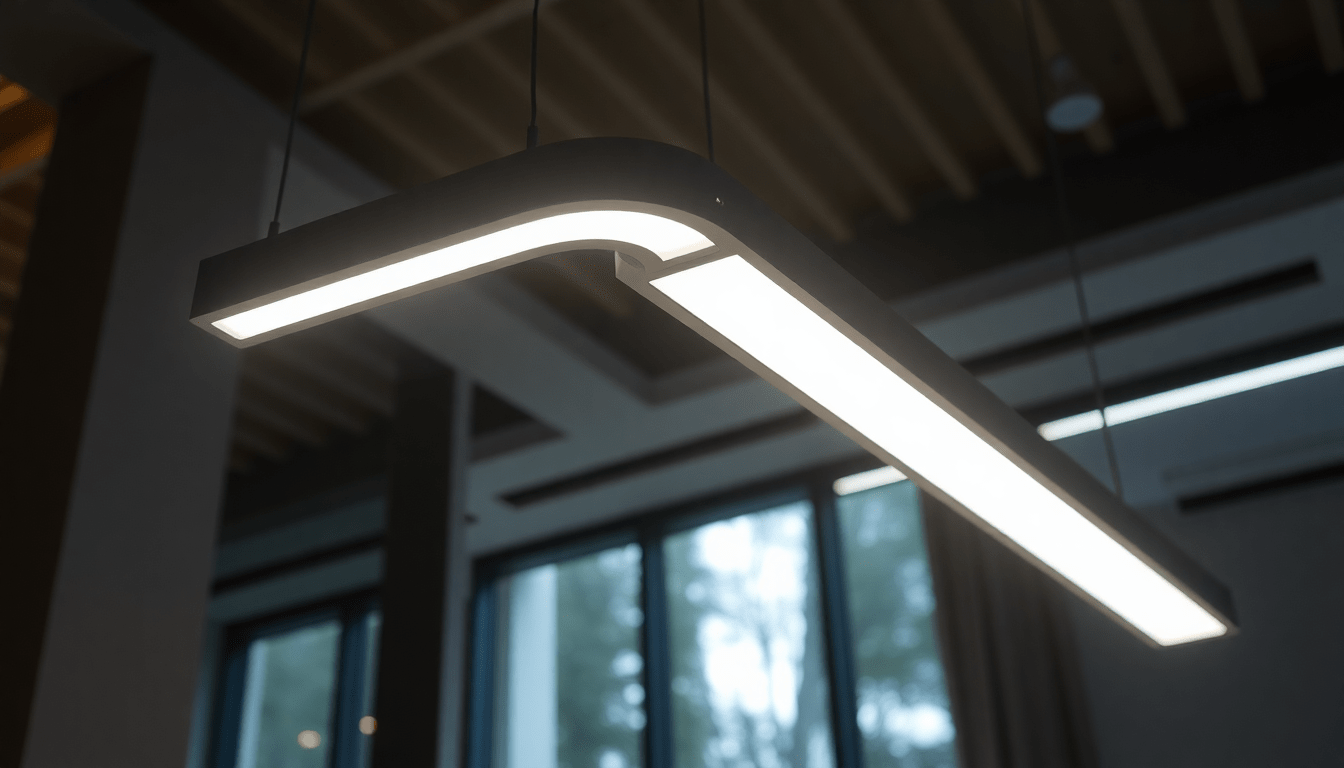
As the world gravitates toward eco-conscious living, sustainable lighting has become a cornerstone of innovative interior design in 2026. The latest trends seamlessly blend cutting-edge technology, eco-friendly materials, and aesthetic appeal to transform residential and commercial spaces. Whether you’re renovating your home or designing a new space, incorporating sustainable lighting solutions enhances both your interior’s beauty and its environmental impact. Dive deep into the most impactful lighting trends shaping modern interiors this year.
1. Smart, Energy-Efficient Lighting Solutions
Smart lighting technology continues to reinvent how we illuminate our spaces by offering unparalleled control and efficiency. Automated and remote-controlled lighting systems enable homeowners and designers to optimize energy use without sacrificing style. Key features include:
- Wi-Fi-enabled LED fixtures: Modern LED fixtures connect seamlessly to your home's Wi-Fi, allowing for instant adjustment of brightness and color temperature via smartphone apps.
- Motion sensors and occupancy detectors: These sensors turn lights off when a room is unoccupied, significantly reducing unnecessary power consumption.
- Customizable automation: Scheduled lighting and scene presets help create the perfect ambiance for different times of day or activities, ensuring energy is only used when needed.
- Integration with smart home systems: Compatibility with voice assistants like Alexa or Google Home streamlines control, making sustainable lighting effortless and intuitive.
2. Use of Sustainable and Recycled Materials in Light Fixtures
Eco-conscious consumers and designers are increasingly prioritizing the sustainability of the materials used in lighting fixtures. Innovative use of recycled and renewable materials not only lowers environmental impact but also adds unique visual and tactile elements to interior decor. Popular sustainable materials in lighting include:
- Reclaimed wood: Pendant lights and chandeliers crafted from reclaimed wood lend warmth and character, perfect for rustic or modern interiors.
- Bamboo: Lightweight and strong, bamboo fixtures offer a natural aesthetic while being rapidly renewable.
- Recycled glass and plastics: Creative designs utilize repurposed glass bottles or plastics, producing stunning lamps and sconces with a story behind them.
- Biodegradable composites: Emerging materials combining natural fibers with biodegradable binders are emerging as eco-friendly options for structural components.
3. Biophilic and Natural Sunlight Mimicking Lighting Designs
Biophilic design emphasizes our innate connection to nature and leverages lighting systems to evoke natural sunlight. As a result, these lighting schemes foster wellness, productivity, and comfort in indoor environments. In 2026, the focus is on:
- Dynamic daylight simulation: Automated lighting that adjusts throughout the day to emulate natural sunlight patterns, improving circadian rhythms.
- Sunlight-inspired color temperatures: Transitioning from warm to cool tones to mirror sunlight at different times, enhancing mood and focus.
- Smart window shading and light redirecting devices: Combining shading solutions with reflective surfaces directs natural light deeper into spaces and minimizes artificial lighting needs.
4. Modular, Multifunctional, and Adaptive Lighting Fixtures
Multifunctional lighting fixtures are revolutionizing interior aesthetics by providing flexibility and versatility. Modular designs allow for customization, upgrades, and adaptability, reducing the need for multiple fixtures and promoting sustainable consumption. Key points include:
- Adjustable configurations: Modular lighting systems that can be reconfigured for different room layouts or aesthetic styles, extending their lifespan and relevance.
- Flexible multi-purpose fixtures: Lighting solutions that serve as both task and ambient lights, adjusting to needs across different functions or seasons.
- Ease of upgrade and maintenance: Modular fixtures facilitate straightforward upgrades, ensuring the lighting remains current without wholesale replacements.
5. Seasonal and Adaptive Lighting Approaches
Smart and adaptive lighting systems in 2026 are designed to align with seasonal light changes and user preferences dynamically. These systems help reduce energy consumption while enhancing the aesthetic appeal. Techniques include:
- Auto-dimming and light color shifts: Adjusting brightness and color temperature based on external daylight levels or time of day for optimal ambiance & energy savings.
- Season-specific lighting schemes: Incorporating warm tones during winter and cooler hues in summer to reflect seasonal changes and support mood regulation.
- Personalized lighting zones: Creating separate zones with individual controls for different activities or preferences, reducing unnecessary lighting usage.
6. Integration of Aesthetic and Functional Design in Room Makeovers
Lighting plays a crucial role in transforming interiors during renovations or updates. Sustainable lighting can seamlessly blend aesthetic appeal with function for an elevated room transformation. Strategies involve:
- Layered lighting schemes: Combining ambient, task, and accent lighting using eco-friendly fixtures to create depth and mood flexibility.
- Recessed and wall-mounted fixtures: Minimizing visual clutter and conserving space while enhancing light distribution.
- Decorative sustainable fixtures: Choosing statement pieces made from eco-conscious materials that complement interior decor themes.
- Highlighting natural features: Using sustainable lighting to emphasize architecture, artwork, and plant life, fostering a harmonious environment.
Future Outlook: The Path Towards More Sustainable Lighting
In 2026, sustainable lighting continues to evolve with advancements in materials, smart technology, and design philosophy. The integration of AI-driven lighting controls, the expansion of recyclable materials, and increasing emphasis on wellness-focused lighting are key areas to watch. As regulations tighten and consumer awareness grows, expect to see a broader adoption of zero-energy and net-positive lighting solutions, making sustainability an integral part of modern interior design.
Conclusion
Innovative sustainable lighting practices are shaping the future of modern interiors by merging aesthetic appeal with ecological responsibility. From smart controls and eco-friendly materials to biophilic designs and adaptable fixtures, 2026 offers a wealth of opportunities to elevate your space sustainably. By embracing these trends, you contribute not only to your interior’s beauty and functionality but also to a healthier planet.
Visit XENTAR for more lighting, decor & furniture curated for modern homes and creative spaces.
Share:
Transform Your Modern Interior with Sustainable Smart Lighting Innovations for Elevated Aesthetic and Energy Efficiency
Adaptive Ambient Lighting for Compact Modern Homes: Zonal Controls, Smart Tech, and Eco-Friendly Decor