

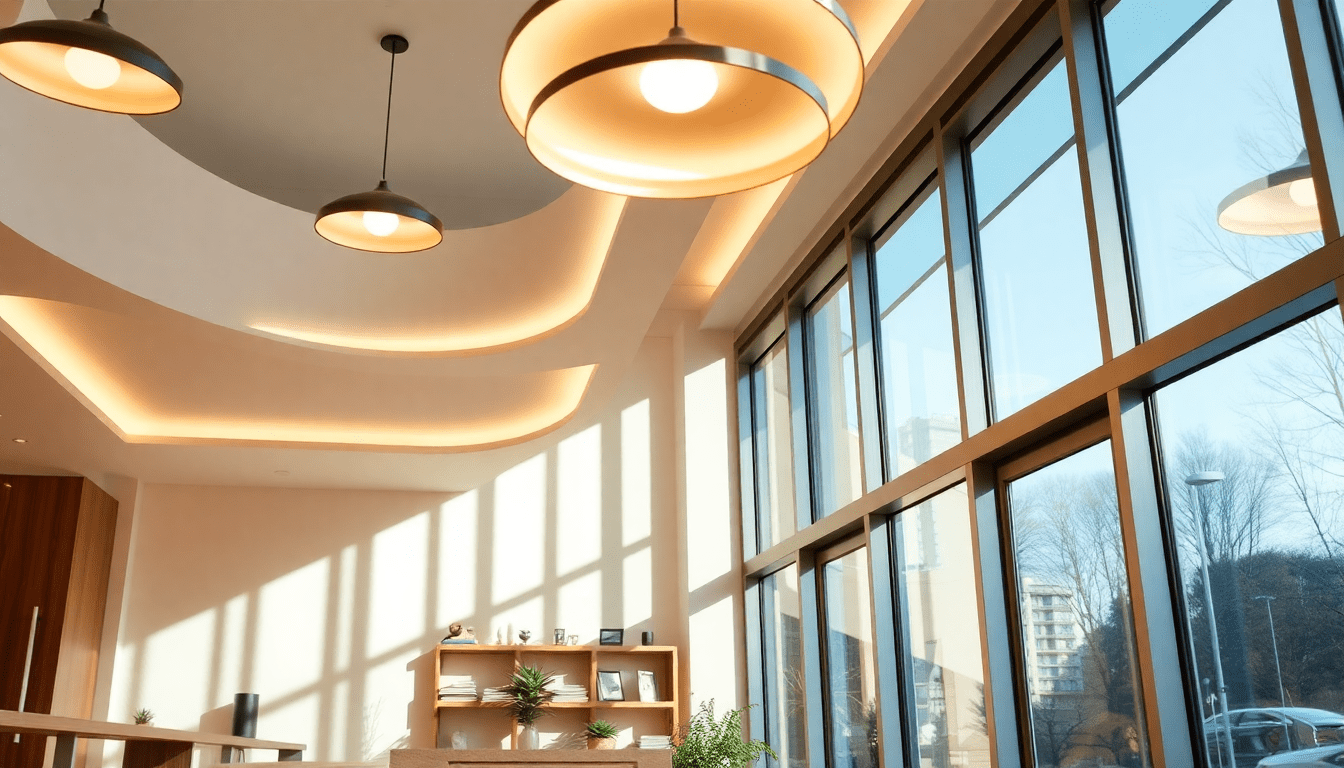
Introduction: The Future of Interior Lighting in 2026
As we move further into 2026, interior design continues to evolve with a strong focus on sustainability, technology integration, and personalization. Smart lighting stands at the forefront of this transformation, enabling homeowners and designers to create spaces that are not only beautiful and functional but also eco-friendly and adaptable to individual preferences. In this comprehensive guide, we'll explore the latest smart lighting strategies, how they contribute to sustainable interior design, and practical tips for integrating these innovations into your home to craft personalized ambiences that reflect your lifestyle and values.
The Significance of Smart Lighting in Sustainable Interior Design
Smart lighting is more than just a modern convenience; it is a vital component of sustainable interior design. These advanced systems utilize cutting-edge technology to optimize energy consumption while enhancing visual comfort and aesthetics. The integration of smart lighting devices supports various eco-friendly practices such as reducing electricity waste, utilizing recyclable materials, and aligning energy use with renewable sources. Here are some of the core reasons why smart lighting is essential for sustainable living in 2026:
- Energy Efficiency: Automated dimming, scheduling, and motion sensors minimize unnecessary lighting, significantly cutting electricity use.
- Eco-Friendly Materials: Modern fixtures are crafted from recyclable and biodegradable materials, emphasizing environmental responsibility.
- Light Waste Reduction: Targeted and adaptive lighting ensures that illumination only occurs where and when it’s needed, decreasing light pollution and energy waste.
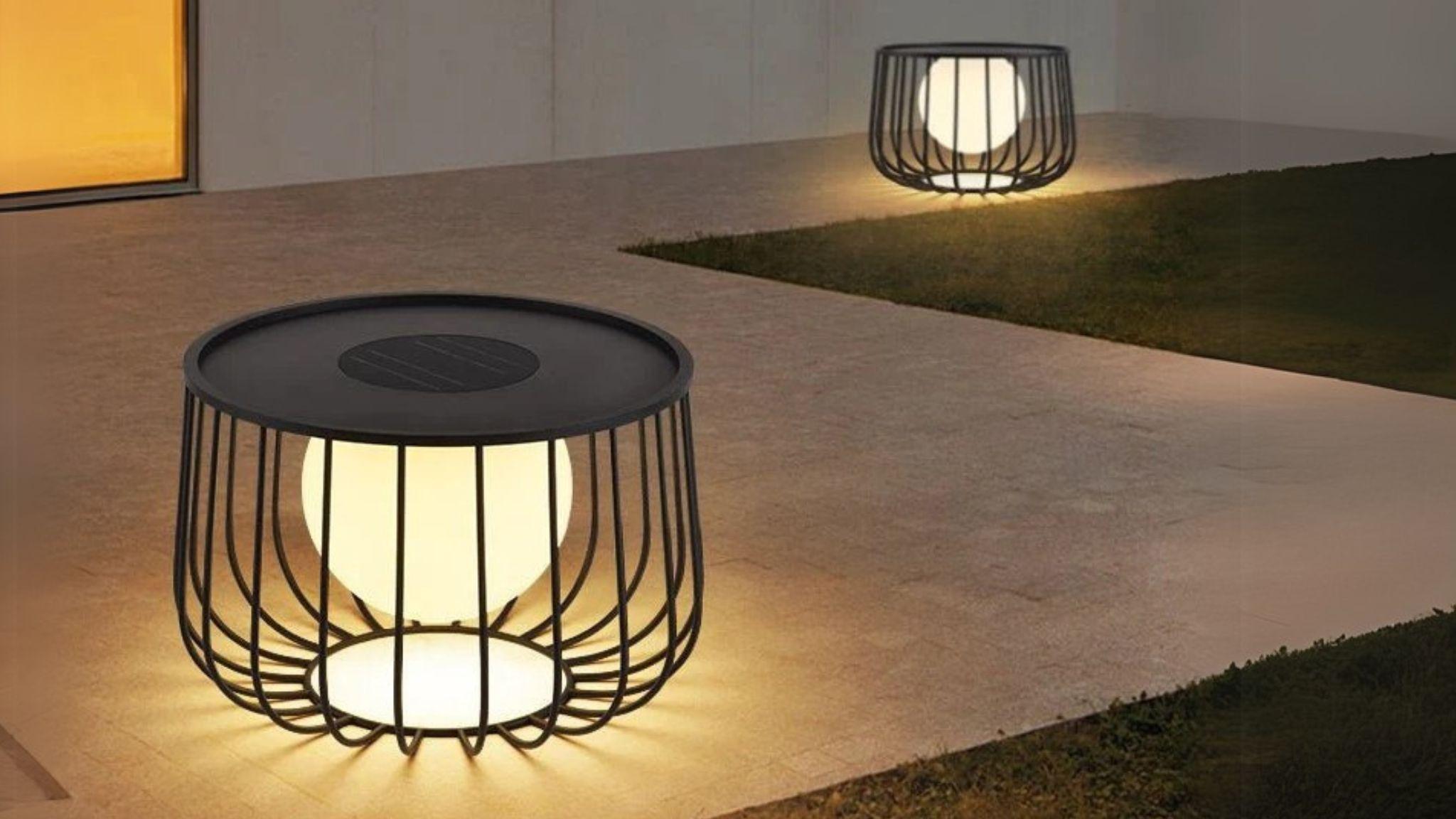
- Renewable Energy Integration: Solar-powered smart lights and chargers integrate seamlessly with sustainable energy sources.
Emerging Smart Lighting Strategies in 2026
1. Adaptive Ambient Lighting with AI and Sensors
In 2026, adaptive ambient lighting has become a standard feature in modern homes. These systems use AI-powered algorithms and environmental sensors to adjust lighting based on real-time factors, including natural daylight levels, occupancy, and user activity. This creates a harmonious environment that evolves throughout the day, providing optimal illumination while conserving energy.
2. Circadian Lighting for Biological and Mental Wellbeing
Incorporating circadian lighting—lighting that mimics natural sunlight patterns—has profound health benefits. These systems change color temperature and brightness gradually, supporting healthy sleep-wake cycles, mood regulation, and productivity. This approach is especially relevant in urban settings where access to natural light is limited.
3. Voice-Activated and Smart App Controls
Seamless control through voice commands or smartphone apps enhances convenience and customization. Homeowners can create scenes, set schedules, and adjust lighting preferences effortlessly, making it easier to adapt your environment for work, relaxation, or entertainment.
4. Wireless Mesh Connectivity and Smart Hubs
Robust mesh networks and centralized smart hubs facilitate reliable communication among devices, allowing for complex automation routines. This setup minimizes clutter, simplifies setup, and ensures consistent performance across entire living spaces.
Design Integration: How to Incorporate Smart Lighting Effectively
To maximize the benefits of smart lighting, thoughtful integration into interior design is essential. Here are key tips to help you create visually appealing and functional lighting setups:
- Layered Lighting Techniques: Combine ambient, task, and accent lighting to add depth and flexibility. For example, use dimmable ceiling fixtures paired with decorative sconces and portable table lamps.
- Eco-Conscious Fixture Selection: Opt for fixtures made with recyclable materials and LED bulbs, which consume up to 80% less energy than traditional bulbs.
- Enhanced Natural Light: Use light-colored walls, reflective surfaces, and strategic window placements to amplify natural daylight.
- Scene Customization: Set up personalized lighting scenes for different times of the day or activities—work, relaxation, parties—accessible via smart controls.
Seasonal and Trend-Driven Lighting Adaptations
Flexibility is vital in contemporary interior design. Smart lighting systems allow effortless updates and seasonal adjustments, keeping your space fresh and aligned with current trends. For example:
- Warm palettes and dimmable lights for cozy winter atmospheres
- Bright, cool tones for energizing summer moods
- Color-changing LEDs for festive occasions and decorative accents
Personalization and Automation for a Tailored Experience
One of the main advantages of smart lighting is personalization. By leveraging data and automation, your lighting setup can perfectly match your routines and preferences. Some innovative practices include:
- Learning routines that automatically switch lighting scenes based on your schedule
- Integrating with other smart home systems, such as security or climate control for a cohesive environment
- Utilizing voice commands for instant scene changes
Environmental and Economic Impact
Adopting smart lighting techniques contributes to broader ecological and economic benefits, including:
- Lower energy bills thanks to energy-saving features
- Reduced carbon footprint through efficient energy use and renewable energy integration
- Extended lifespan of lighting fixtures and bulbs
Conclusion: Merging Innovation with Sustainability
The advancements in smart lighting technology in 2026 are revolutionizing interior design by offering sustainable, customizable, and intuitive solutions. By adopting these strategies, homeowners can reduce their environmental impact, enhance their living experience, and create uniquely personal spaces that adapt to their daily lives. As technology continues to evolve, so too will the opportunities for innovative, eco-conscious interior environments.
Embrace the future of lighting — where sustainability meets sophistication, personalization, and smart convenience.
Visit XENTAR for more lighting, decor & furniture curated for modern homes and creative spaces.
Share:
The Future of Interior Illumination: How Customizable Smart Lighting Transforms Modern Home Aesthetics in 2026
Innovative Smart Lighting Concepts for Eco-Conscious Interior Transformations in 2026