

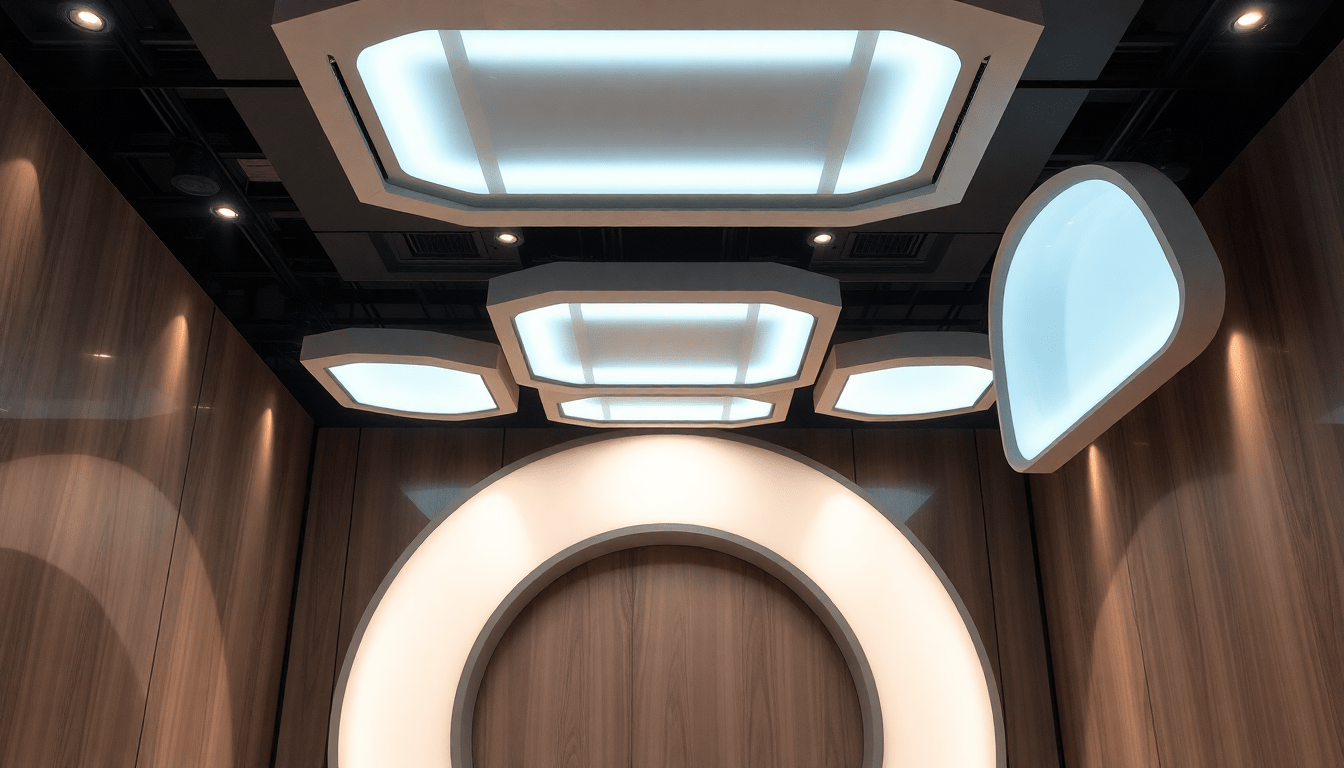
Introduction: Redefining Interior Design with Smart Lighting
In 2026, the landscape of interior design is increasingly influenced by cutting-edge smart lighting solutions. These technologies not only enhance the visual appeal of modern homes but also elevate functionality, energy efficiency, and user experience. From dynamic color-changing panels to sophisticated automation systems, innovative lighting solutions are bridging the gap between aesthetics and technology, allowing homeowners and designers alike to craft personalized atmospheres that adapt to their lifestyles and preferences.
The Evolution of Smart Lighting: A Brief Overview
Smart lighting has undergone significant advancements over the past decade. Initially focused on simple remote-controlled bulbs, the industry now offers a vast array of devices integrated into comprehensive home automation ecosystems. In 2026, these solutions have become more sophisticated, incorporating artificial intelligence, machine learning, and sustainable materials, making lighting a seamless part of the furniture of the modern smart home.
Why Smart Lighting Is a Game-Changer for Modern Interiors
- Endless Customization and Mood Creation: Modern smart lighting systems are highly customizable, allowing users to select colors, set scenes, and modify brightness levels instantly. This flexibility makes it easy to transform any room into a relaxing retreat, a lively entertainment space, or an intimate dinner setting.
- Significant Energy Savings: LED-based smart systems optimize energy consumption through intelligent scheduling, occupancy detection, and daylight harvesting, contributing to sustainability goals and reducing utility costs.
- Convenience and Automation: Voice-activated controls, smartphone apps, and AI algorithms enable intuitive operation, automating routines such as waking up, unwinding at night, or creating perfect lighting for different activities without manual adjustments.
- Architectural Enhancement: Creative lighting accents emphasize design features, architectural details, and decor elements, elevating the aesthetic appeal of any modern interior.
- Enhanced Well-being and Productivity: Circadian lighting adjusts color temperatures to promote better sleep, focus, and overall well-being, aligning indoor lighting with natural biological rhythms.
Top Cutting-Edge Smart Lighting Solutions for 2026
As the industry pushes forward, several innovative lighting solutions have emerged that can dramatically alter interior aesthetics and functionality:
- Color-Changing LED Panels & Wall Wires – Large, sleek panels that serve as art pieces while providing adjustable, radiant light to set the mood or highlight architectural details.
- Voice-Activated and AI-Driven Lighting Systems – Compatibility with virtual assistants like Alexa, Google Assistant, and Siri, offering hands-free control over lighting settings.
- Dynamic Pendant and Chandelier Designs – Featuring embedded smart LEDs that can change colors and patterns, creating a statement centerpiece that adapts to seasonal or event themes.
- Adaptive Task and Reading Lights – Intelligent fixtures that adjust brightness based on activity, natural light levels, and user preferences for optimal comfort and efficiency.
- Interactive Light Art & Installations – Responsive lighting installations that react to movement, sound, or touch, perfect for modern art-inspired interiors.
- Portable Wireless Mood Lights – Battery-powered, rechargeable fixtures that can be repositioned instantly, adding flexibility and variety to ambient lighting schemes.
Incorporating Smart Lighting into Contemporary Interior Design
Smart lighting solutions are most impactful when integrated thoughtfully into overall interior design. Here are some ideas:
- Accent Walls with Programmable Colors: Use LED panels or strips behind textured walls or artwork to create vibrant focal points that can be dynamically customized.
- Layered Lighting Strategies: Combine ambient, task, and accent lighting to achieve balanced illumination that enhances depth and functionality.
- Sleek and Minimalist Fixtures: Opt for fixtures with clean lines that conceal smart technology, ensuring a clutter-free aesthetic.
- Seasonal and Event-Triggered Scenes: Pre-program lighting scenes for holidays, celebrations, or daily relaxation, transforming your space instantly with a tap or voice command.
- Integrating with Architectural Features: Use cove lighting, under-cabinet lights, and hidden fixtures to emphasize architectural details while maintaining a sleek look.
Benefits of Smart Lighting for Homeowners and Designers
- Personalized Atmospheres: Create tailored environments suited for relaxation, work, entertainment, or festivities.
- Energy Conservation: Reduce electricity bills while supporting eco-friendly practices.
- Increased Property Value: Modern, smart-equipped homes have higher market appeal and future-proofing capabilities.
- Enhanced Security: Incorporate automated lighting routines to simulate occupancy or deter intruders remotely.
- Boosted Well-being and Productivity: Circadian lighting patterns promote better sleep and focus, improving overall quality of life.
Future Trends in Smart Lighting for 2026 and Beyond
The future of smart lighting is poised for even more groundbreaking innovations. Here are some trends to watch:
- Full Integration with IoT Ecosystems: Lighting will work seamlessly alongside heating, security, and entertainment systems for a truly connected smart home.
- Sustainable and Eco-Friendly Materials: The industry is moving toward biodegradable LEDs and environmentally responsible manufacturing processes.
- AI-Powered Personalization: Machine learning algorithms will anticipate user preferences, automatically adjusting lighting based on habits and external factors.
- Immersive and Augmented Reality Features: Future interfaces may include AR controls, allowing users to visualize lighting changes in real-time before implementation.
- Health-Focused Lighting Design: Intensified research into circadian lighting will lead to more effective health and wellness applications within smart homes.
Practical Tips for Implementing Smart Lighting in Your Home
- Start Small: Begin with smart bulbs in key areas like the living room or bedroom before expanding to whole-home systems.
- Choose Compatible Platforms: Pick lighting products compatible with your existing smart home ecosystem for smoother integration.
- Prioritize Aesthetic Appeal: Select fixtures that complement your interior style, combining technology with decorative elements.
- Invest in Quality Control Systems: Use central control panels or apps to manage multiple lighting zones effortlessly.
- Plan for Future Expansion: Install wiring and infrastructure that accommodate future smart upgrades.
Conclusion: Illuminate Your Space with Cutting-Edge Lighting Solutions
Innovative smart lighting solutions are transforming how we experience indoor environments. By embracing the latest advancements in LED technology, automation, and design integration, you can create ambient atmospheres that are both aesthetically stunning and highly functional. As technology continues to evolve, the possibilities for personalizing and elevating your interior spaces are virtually limitless.
Stay ahead in modern interior aesthetics by exploring the dynamic world of smart lighting—your home’s atmosphere of tomorrow, today.
Visit XENTAR for more lighting, decor & furniture curated for modern homes and creative spaces.
Share:
Transform Your Interior with Cutting-Edge Smart Lighting Innovations for Sustainable and Stylish Ambiance in 2026
Revolutionizing Interior Ambiance: Innovative Smart Lighting Solutions for Sustainable Modern Homes in 2026