

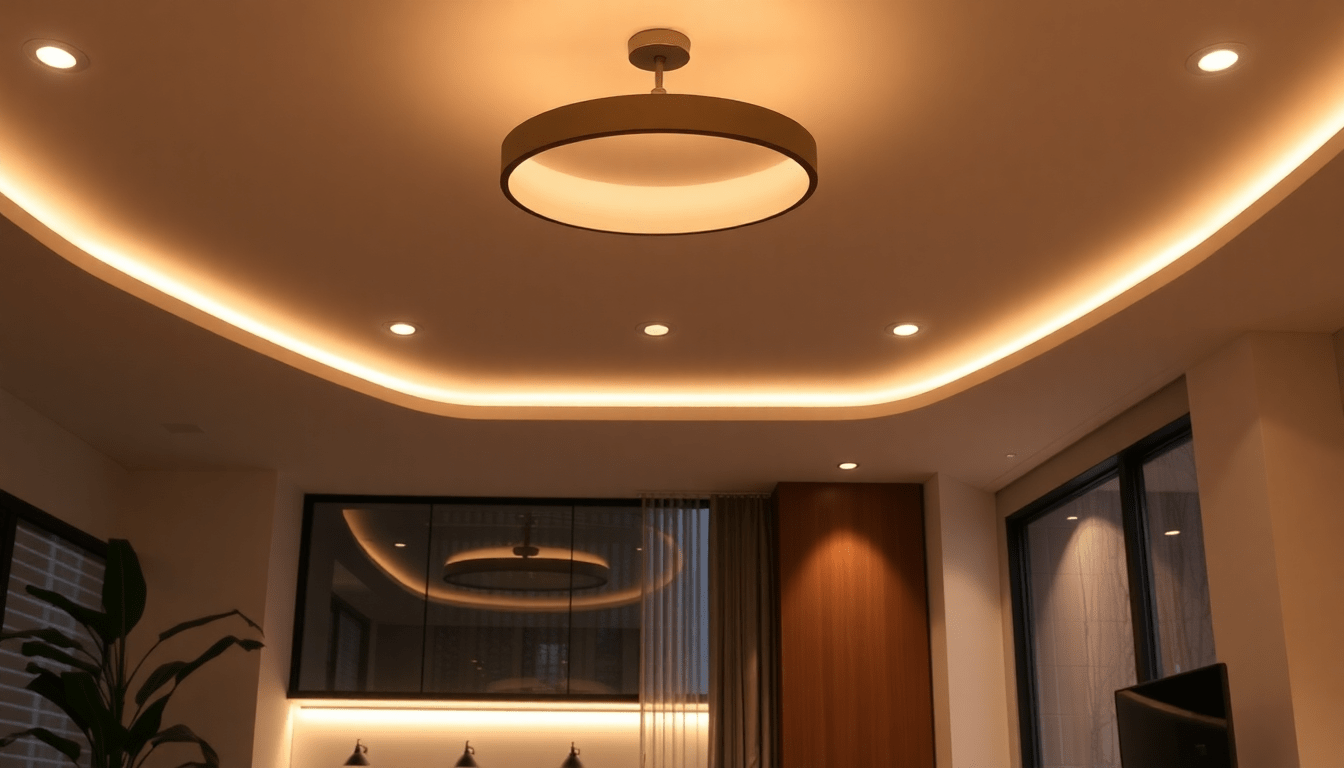
Introduction: Transforming Modern Interiors with Smart Lighting
In 2026, the landscape of interior design is being reshaped by innovative smart lighting solutions that merge technological advancement with eco-friendly principles. These cutting-edge systems elevate the visual appeal of contemporary homes and workspaces while significantly enhancing energy efficiency. As homeowners and designers increasingly prioritize sustainability without compromising style, smart lighting has become an indispensable element in creating versatile, mood-enhancing environments that align with modern lifestyles.
The Rise of Smart Lighting in Interior Design
Smart lighting technology has evolved rapidly over the past few years, offering homeowners unprecedented control over lighting environments. From personalized ambiance settings to energy conservation, the benefits are both aesthetic and functional. The integration of AI, IoT, and voice control platforms has made smart lighting more intuitive, accessible, and sustainable. As a result, more households are adopting these solutions to craft spaces that reflect their personalities, support their eco-conscious values, and improve overall well-being.
Why Invest in Smart Lighting in 2026?
- Enhanced Aesthetic Flexibility: Customizable color schemes, brightness levels, and dynamic effects allow for a tailored atmosphere that complements any interior style.
- Energy Efficiency and Cost Savings: Advanced sensors and automation features minimize unnecessary energy consumption, leading to reduced utility bills and a smaller carbon footprint.
- Seamless Integration with Smart Homes: Compatibility with voice assistants, mobile apps, and home automation systems ensures effortless control and versatility.
- Environmental Sustainability: Use of eco-friendly materials and energy-harvesting tech supports a greener lifestyle.
Top Innovative Smart Lighting Technologies in 2026
1. Adaptive Color-Changing LED Systems
These intelligent LEDs can shift hues and temperature settings automatically based on time of day or user preferences. For instance, cooler whites in the morning to boost alertness, warmer tones in the evening to promote relaxation. Some systems even mimic natural sunlight progression, supporting circadian rhythms and enhancing overall well-being.
2. Artificial Intelligence-Driven Automation
AI algorithms analyze your daily routines, adjusting lighting schedules accordingly for maximum efficiency and comfort. Over time, the system learns your preferences, automatically customizing scenes for work, leisure, or sleep. Integration with calendar apps and environmental sensors makes the experience seamless and intelligent.
3. Voice-Activated and App-Controlled Lighting
Control your lighting with simple voice commands via Alexa, Google Assistant, or Siri, enabling hands-free customization. Companion smartphone apps provide additional control, allowing you to set scenes, schedules, and adjust lighting remotely from anywhere, making your interior more adaptable and user-friendly.
4. Retrofit Smart Bulbs and Fixtures
For ease of upgrade, retrofit smart bulbs transform existing fixtures into smart-enabled solutions without the need for new wiring or extensive renovations. This promotes sustainability by reusing fixtures and reduces waste, aligning with eco-conscious design principles.
Design Strategies for Incorporating Smart Lighting into Modern Spaces
- Layered Lighting Approaches: Combine ambient, task, and accent lighting to create depth and versatility. Use smart lights to complement each layer for dynamic adjustments and ambiance control.
- Highlight Architectural Elements: Employ smart accent lighting to accentuate moldings, textures, or artwork, adding visual interest and sophistication.
- Seasonal and Mood Settings: Program lighting scenes to match seasonal celebrations or specific moods, such as romantic dinners, lively gatherings, or peaceful retreats.
- Discreet and Sleek Fixtures: Choose minimalist fixtures that integrate seamlessly into modern aesthetics, keeping the focus on the unique lighting effects rather than bulky hardware.
Incorporating Smart Lighting into Different Room Types
Living Rooms and Open-Plan Spaces
- Use color-changing lights to set different moods for relaxing, entertaining, or working.
- Install intelligent fixtures that can synchronize with music or entertainment systems.
Bedrooms
- Set calming warm light scenes for winding down or energizing bright white for mornings.
- Implement circadian rhythm-friendly lighting for better sleep patterns.
Kitchens and Home Offices
- Bright, adjustable task lighting that can be dimmed or color-tuned for cooking, working, or casual dining.
- Automated lighting schedules to optimize energy use during peak hours.
Future Trends and Sustainable Innovations in Smart Lighting
- Eco-Friendly and Biodegradable Components: Manufacturers are developing sustainable materials to reduce environmental impact.
- Energy Harvesting Technology: Solar-powered or kinetic energy-powered smart lights will become more mainstream, further reducing reliance on grid power.
- Enhanced IoT Connectivity: Broader device integration will allow for more intelligent environments, responding to occupancy, time, and user preferences.
- Personalized and Biometric Lighting: Future systems may tailor lighting based on biometric feedback—like mood sensors or health metrics—creating highly personalized spaces.
Implementing Smart Lighting: Practical Tips for 2026
- Assess Your Space: Identify areas that can benefit from automation and customization, like living rooms, bedrooms, or kitchens.
- Select Compatible Systems: Ensure chosen products work with your existing smart home ecosystem for a seamless experience.
- Plan Your Lighting Scenes: Create presets for different activities and moods—highlighting the importance of adaptability and user control.
- Integrate with Other Smart Devices: Sync lighting with sensors, speakers, and security systems for a more intelligent and responsive environment.
- Prioritize Sustainability: Choose energy-efficient and recyclable products to align with eco-conscious values and reduce carbon footprint.
Conclusion: Embrace the Future of Interior Lighting
As we advance into 2026, innovative smart lighting solutions are transforming how we design and experience our spaces. The blend of aesthetics, intelligence, and sustainability offers limitless possibilities to craft environments that are not only beautiful but also eco-friendly and responsive. Whether through adaptive color technology, AI-driven automation, or sustainable retrofitting, embracing these trends will ensure your interior design remains modern, functional, and environmentally responsible.
Visit XENTAR for more lighting, decor & furniture curated for modern homes and creative spaces.
Share:
Next-Generation Smart Lighting Ideas to Elevate Your Modern Home’s Aesthetic and Sustainability in 2026
Revolutionizing Modern Home Aesthetics with Sustainable Smart Lighting Innovations in 2026