

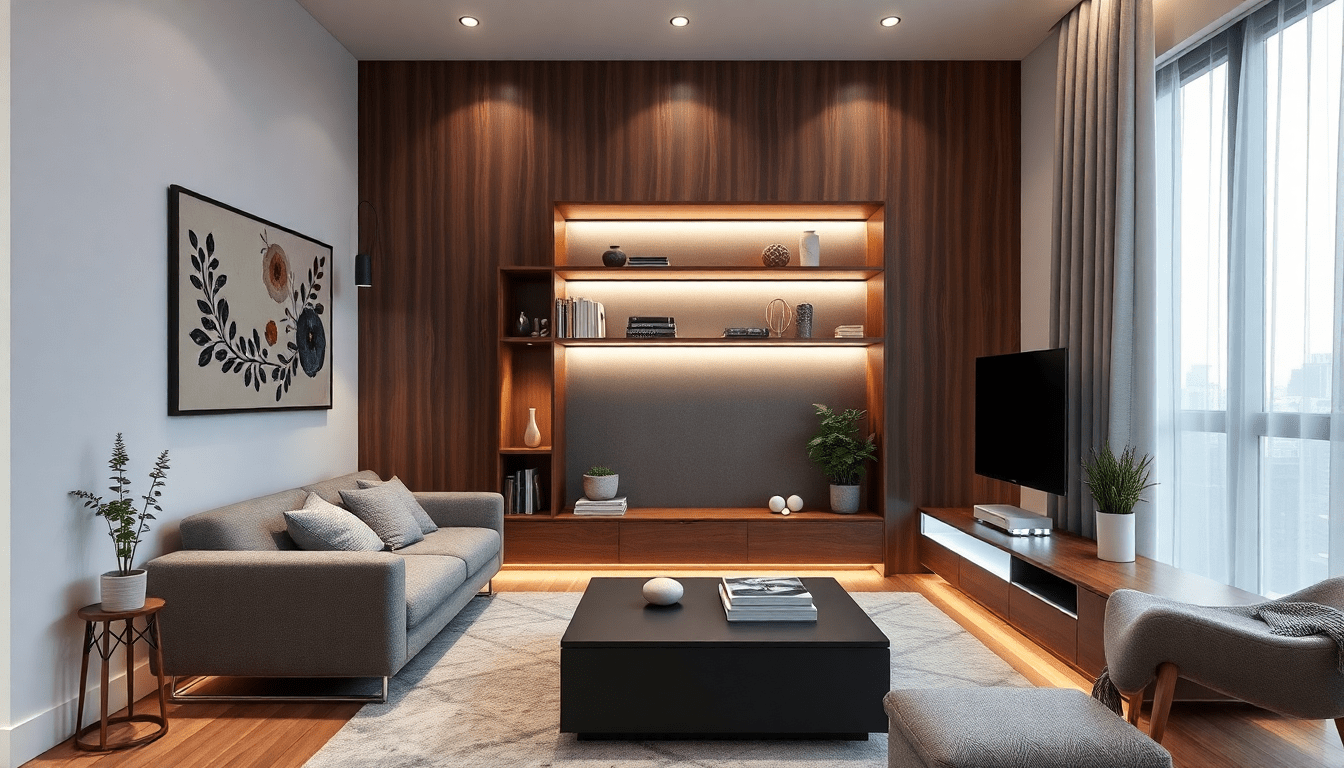
Introduction: Revolutionizing Small Spaces with Smart Lighting and Multi-Functional Furniture
As urbanization accelerates in 2025, living in small, multi-purpose spaces has become the norm for many city dwellers. Efficient use of space combined with cutting-edge technology is essential to creating environments that are both functional and visually appealing. The integration of smart lighting solutions with multi-functional furniture offers a transformative approach for designers and homeowners alike. These innovations enable homeowners to maximize their limited square footage while maintaining comfort, style, and sustainability.
The Growing Need for Smart, Space-Saving Solutions in Modern Homes
Modern compact homes are characterized by their minimalistic aesthetics and practical layouts. Here are the driving factors behind the surge in smart lighting and multi-functional furnishings:
- Urban Space Constraints: With land prices soaring, homeowners are seeking ways to make the most of every inch.
- Desire for Versatility: Furniture that adapts to different functions—sleeping, working, dining—reduces clutter and expense.
- Technological Integration: Smart home devices enable effortless control and automation, enhancing convenience and efficiency.
- Eco-Conscious Living: Energy-efficient smart lighting reduces carbon footprint and promotes sustainable lifestyles.
Core Benefits of Combining Smart Lighting with Multi-Functional Furniture
This combination addresses both aesthetic and functional needs, providing several key advantages:
- Enhanced Space Utilization: Creative lighting schemes can visually expand small spaces and highlight features.
- Improved Ambience and Mood: Lighting adjusts to different activities, creating comfortable environments for work, leisure, and sleep.
- Energy Efficiency and Cost Savings: Smart lighting systems reduce energy consumption through automation and scheduling.
- Seamless Control and Customization: Smartphone apps, voice commands, and automation allow effortless adjustment tailored to daily routines.
- Design Cohesion: Integrated lighting enhances the visual coherence of multi-purpose furniture pieces.
Innovative Smart Lighting Technologies for Multi-Functional Furniture
In 2025, four key technologies are pioneering the smart lighting landscape for compact homes:
Embedded LED Lighting
LED strips and modules embedded within furniture components such as beds, tables, shelving units, and cabinets create subtle, customizable lighting effects. These can be programmed to change colors, intensity, and even patterns to suit different moods or functions.
Wireless Smart Light Panels
Modular, wireless panels can be attached to furniture surfaces, allowing users to switch lighting modes simply by touch or remote control. These panels are often pressure-sensitive and allow for real-time customization.
App-Controlled Smart Lighting Systems
With dedicated apps, homeowners can schedule lighting, synchronize it with routines, and control multiple devices simultaneously. This flexibility ensures lighting adapts effortlessly to daily life.
Voice-Activated Lighting Integration
Integration with AI assistants like Amazon Alexa, Google Home, or Apple HomeKit enables voice commands to turn lights on/off, dim, change colors, or activate preset scenes, making control intuitive and hands-free.
Circadian and Adaptive Lighting
This technology adjusts color temperature and brightness throughout the day, aligning with natural circadian rhythms to promote health, well-being, and productivity in small living spaces.
Design Strategies for Incorporating Smart Lighting with Multi-Functional Furniture
Effective integration of smart lighting requires thoughtful planning. Here are best practices for designers and homeowners:
- Prioritize Flexibility: Choose furniture that supports built-in lighting and can accommodate future upgrades or changes.
- Harmonize Aesthetics: Select lighting solutions that blend seamlessly with decor, avoiding clutter and visual distraction.
- Optimize Placement: Position lighting for maximum impact—under beds, within shelves, or along edges of furniture—to create depth and dimension.
- Ensure Smart Compatibility: Verify that lighting systems are compatible with existing smart home infrastructure for streamlined integration.
- Incorporate Dimming and Color Control: Use adjustable features to switch between functional, ambient, and decorative lighting modes.
- Focus on User Experience: Design intuitive controls that enable easy operation for all household members.
Key Design Trends Shaping 2025 and Beyond
The smart lighting and furniture industry is driven by evolving trends aimed at enhancing modern living:
- Artificial Intelligence and Machine Learning: Systems will learn user preferences and automatically adjust lighting and furniture configurations.
- Augmented Reality Tools: AR applications will assist homeowners and designers in visualizing lighting effects and furniture arrangements before implementation.
- Sustainable and Eco-Friendly Materials: Focus on biodegradable, recyclable, and low-energy lighting components to minimize environmental impact.
- Full Ecosystem Automation: Integration of lighting, climate control, security, and entertainment for a seamless smart home experience.
Practical Case Studies Demonstrating Smart Lighting Integration
To better understand the potential of these solutions, consider the following examples:
- Compact Studio Apartment in Downtown Tokyo: Embedded LED lighting within a Murphy bed and fold-out dining table creates customizable ambiance, controlled via an app.
- Micro-Living in New York City: Wireless panels in modular storage units provide flexible lighting options, adapting to daytime work setups or evening relaxation.
- Eco-Friendly Tiny Homes in Scandinavia: Circadian lighting and voice control systems enhance comfort while maintaining sustainability goals.
Conclusion: Bright Ideas for Space-Conscious Living
In 2025, smart lighting solutions integrated with multi-functional furniture are revolutionizing how we design, live in, and interact with small spaces. These innovations substantially improve functionality, energy efficiency, and atmosphere—helping homeowners create versatile, inviting environments tailored to their lifestyles. Embracing these technologies today positions you at the forefront of modern home design, turning limitations into opportunities for creative expression.
Visit XENTAR for more lighting, decor & furniture curated for modern homes and creative spaces.
Share:
Revolutionize Your Small Home with Adaptive Smart Lighting and Modular Furniture Solutions in 2025
How Smart Ambient Lighting Elevates Multifunctional Furniture for Small Space Chic in 2025