

Introduction
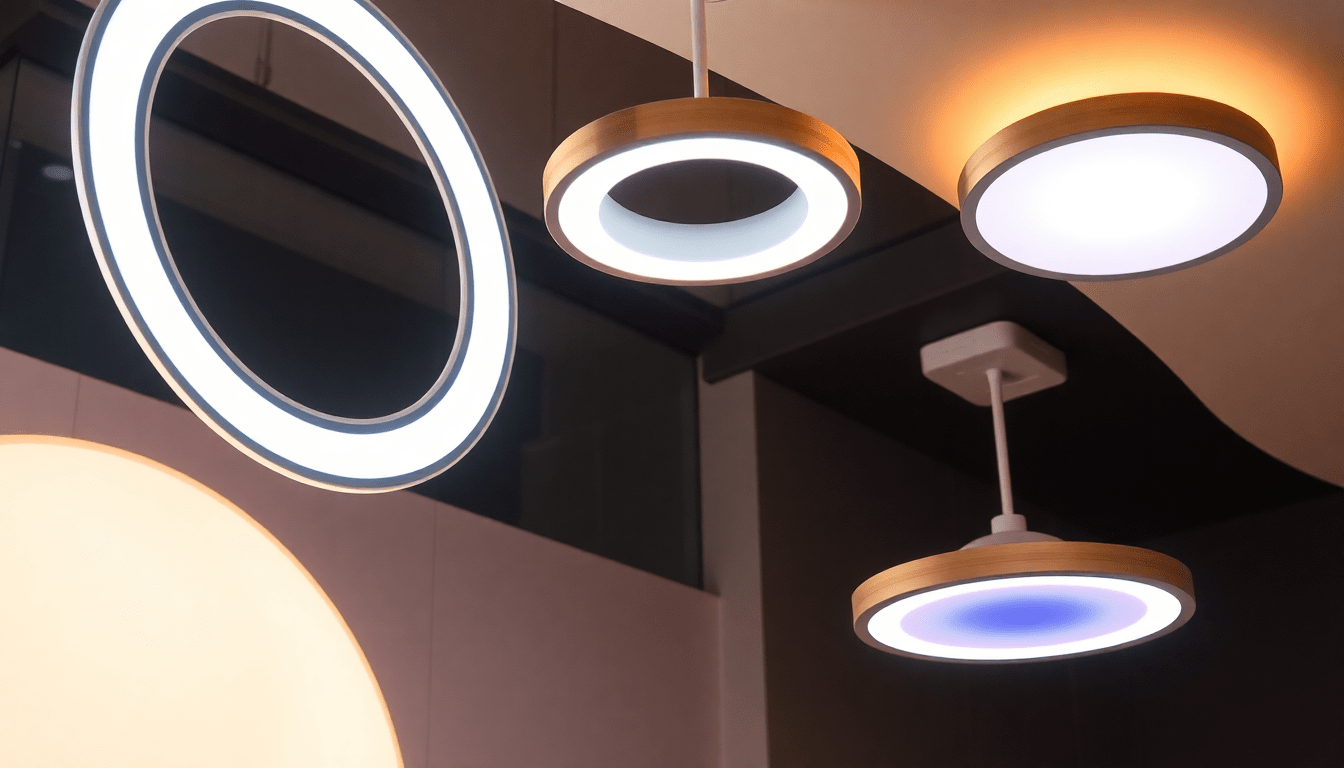
As we progress through 2026, the integration of smart lighting innovations continues to redefine how we illuminate our living and working spaces. Modern interior design now benefits from sustainable, personalized lighting solutions that adapt seamlessly to our lifestyles. Whether renovating a home or designing a commercial space, understanding the latest advancements in smart lighting is crucial for creating environments that are beautiful, functional, and environmentally conscious.
The Evolution of Smart Lighting Technology
Smart lighting has evolved significantly over the past decade, moving from simple on/off functionality to complex, AI-powered systems capable of learning and adapting to user preferences. Advances in connectivity, AI, and energy-efficient technologies make smart lighting a vital component of modern interior design. Today, these innovations are not only about aesthetics but also about enhancing sustainability, health, and overall quality of life.
Cutting-Edge Innovations in Smart Lighting for 2026
Several groundbreaking innovations are shaping the future of interior lighting. Here’s a closer look at some of the most impactful advancements:
1. AI-Driven Adaptive Lighting Systems
- These systems utilize Artificial Intelligence to analyze user behavior and environmental conditions, adjusting lighting automatically for optimal ambiance, energy efficiency, and comfort.
- They can learn routine patterns, such as waking up in the morning or winding down at night, adjusting the lighting to support natural circadian rhythms.
- Enhanced machine learning algorithms allow for more precise and personalized lighting scenarios over time.
2. Eco-Friendly and Sustainable LED and OLED Technologies
- Next-generation LEDs and OLEDs consume significantly less power while providing high-quality, customizable lighting options.
- Innovations include biodegradable components and recycled materials, making lighting fixtures more environmentally friendly.
- Color rendering and dimming capabilities have been refined for natural, immersive lighting experiences.
3. Natural Light Simulation and Circadian Rhythms Support
- Smart lights now mimic the natural progression of sunlight, adjusting color temperature and intensity throughout the day.
- This promotes circadian rhythm health, improving sleep quality, mood, and overall well-being.
- Integrated sensors can monitor ambient light levels to optimize indoor lighting conditions based on external weather or daylight availability.
4. Sustainable Materials and Eco-Innovations
- The use of recycled plastics, biodegradable resins, and sustainable manufacturing processes has become standard in smart lighting fixtures.
- Energy efficiency is further enhanced by intelligent control systems that prevent unnecessary lighting, reducing wastage.
- Company efforts in reducing carbon footprint include modular designs for easier repair and recycling at end-of-life.
Transforming Interior Spaces Through Innovation
Modern interior spaces are becoming more dynamic and adaptable thanks to these smart lighting innovations. Here are some ways they are changing the interior design landscape:
Ambient and Task Lighting Integration
- Seamless blending of ambient, task, and accent lighting creates versatile environments suitable for work, relaxation, or entertainment.
- Automated scene switching enables quick transformation of space ambiance—press a button or command your voice assistant.
Personalized Lighting Experiences
- Customizable color schemes allow users to set the mood for any occasion, from a romantic dinner to a high-energy workout.
- Preset scenes can be stored and activated via smartphone apps or voice commands for instant personalization.
Automation for Convenience and Efficiency
- Smart schedules ensure lights turn on or off based on occupancy or time of day, saving energy and reducing costs.
- Integration with other smart home devices enables holistic automation—lights dim when you play movies, brighten at work stations, or adjust based on natural light levels.
Advantages of Innovative Smart Lighting for Sustainability
Sustainable living is increasingly important in today's world, and smart lighting plays a significant role:
- Energy Conservation: Advanced controls and efficient bulbs drastically reduce electricity consumption.
- Reduced Carbon Footprint: Longer-lasting, eco-friendly fixtures require less frequent replacement, minimizing waste.
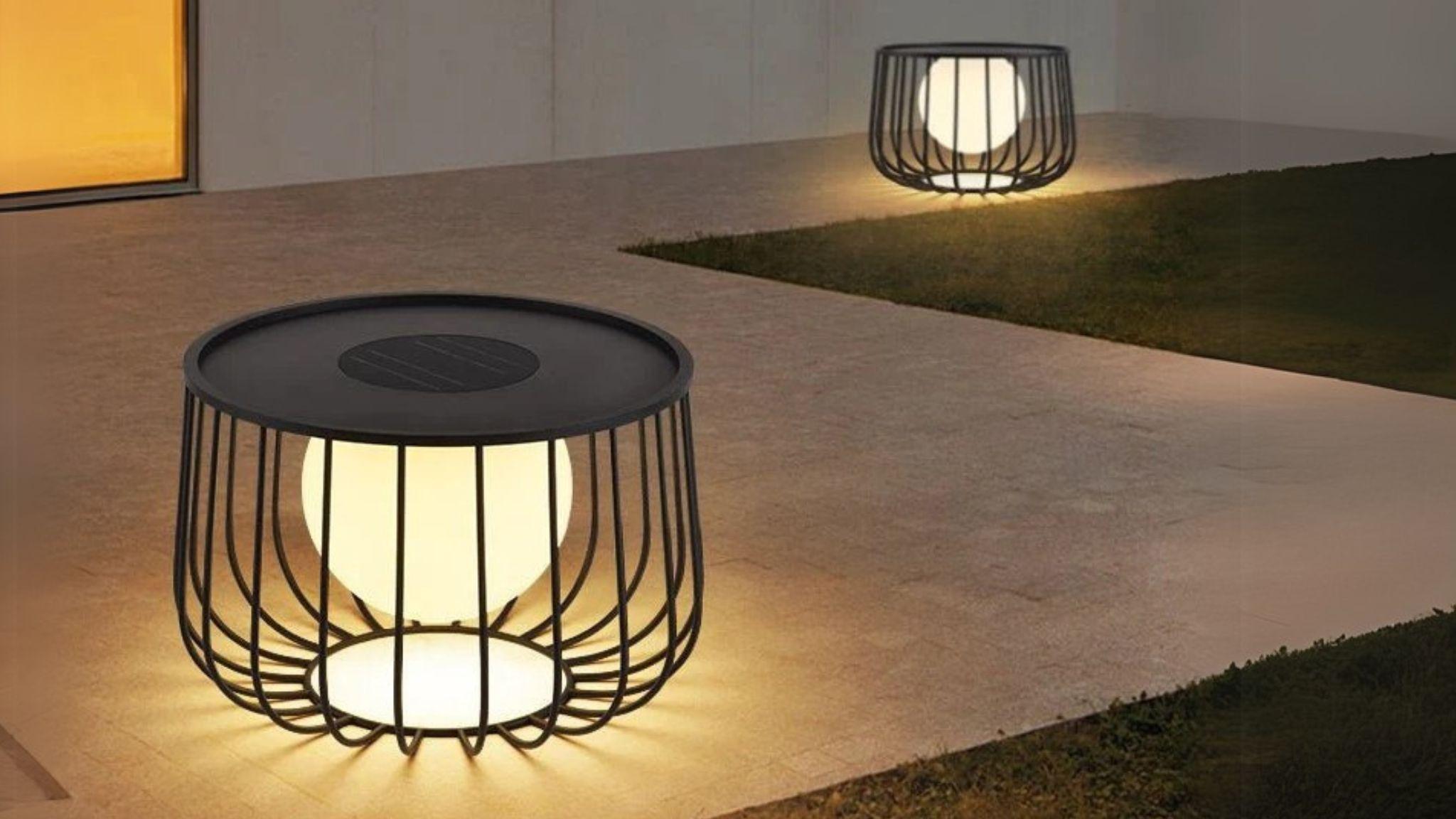
- Support for Renewable Energy Sources: Smart lighting systems can be integrated with solar power setups, further minimizing environmental impact.
Personalization Enhances User Experience
Beyond sustainability, smart lighting innovations prioritize personal comfort and aesthetic appeal:
- Dynamic Color and Scene Control: Change lighting to match your mood or décor instantly.
- Health Benefits: Light settings aligned with circadian rhythms improve sleep, mood, and productivity.
- Accessibility Features: Voice commands and app controls make lighting accessible for people with mobility or vision challenges.
Future Directions and Trends
- Full Home Integration: Connecting lighting with HVAC, security, and entertainment for a cohesive smart home experience.
- Bio-Centric Lighting Concepts: Lights that respond to biological feedback, promoting wellness and health.
- Immersive and Responsive Environments: Using sensors and AI, spaces become interactive, reacting to movement or sound for enhanced immersion.
Conclusion
The landscape of interior lighting in 2026 is characterized by innovation, sustainability, and personalization. These advancements not only elevate aesthetic and functional qualities of spaces but also support eco-conscious living and personal well-being. Embracing these technologies allows homeowners and designers to craft spaces that are intelligent, beautiful, and environmentally sustainable.
Visit XENTAR for more lighting, decor & furniture curated for modern homes and creative spaces.
Share:
Smart Layered Lighting Techniques to Create Personalized, Eco-Friendly Ambiances in Modern Interiors in 2026
Next-Generation Smart Lighting Ideas to Elevate Your Modern Home’s Aesthetic and Sustainability in 2026