


Introduction
As we advance further into 2025, minimalist home decor continues to define contemporary interior design, emphasizing simplicity, clean lines, and functional beauty. The integration of innovative smart lighting solutions has become essential for achieving a sophisticated and effortless aesthetic. These cutting-edge lighting designs not only enhance the visual appeal of living spaces but also bring convenience, energy efficiency, and versatility. In this comprehensive guide, we explore how smart lighting can revolutionize your minimalist home, highlighting emerging trends, design ideas, and practical implementation tips to elevate your space in 2025.
The Evolving Role of Smart Lighting in Modern Minimalist Interiors
Smart lighting technology has undergone rapid development, transforming from basic on-off switches to sophisticated systems that offer unprecedented control over ambiance and functionality. In minimalist interiors where every element counts, smart lighting provides subtle yet impactful enhancements that align with the core principles of simplicity and elegance.
These systems seamlessly blend with minimal decor, avoiding visual clutter while offering intuitive controls and adaptable features. The ability to customize lighting scenes, adjust color temperatures, and automate routines makes smart lighting an indispensable component of modern minimalist homes.
Key Features of Innovative Smart Lighting Designs in 2025
- Voice Control Integration: Hands-free operation with voice assistants like Amazon Alexa, Google Assistant, or Apple Siri allows quick adjustments and enhances accessibility.
- Mobile Application Management: Customizing lighting settings via dedicated apps enables precise control, scene creation, and remote management from anywhere.
- Adaptive Brightness and Color Temperature: Lights that adjust automatically based on time of day or user preference create a natural, comfortable environment.
- Dynamic and Scene-Based Lighting: Pre-programmed scenes—such as 'Morning,' 'Evening,' or 'Relax'—offer mood-specific lighting with a single tap.
- Energy Efficiency and Sustainability: Use of LEDs and smart timers significantly reduce electricity consumption, making eco-conscious living more attainable.
- Connectivity and Scalability: Compatibility with various smart home devices ensures integrated control and future upgrades without hassle.
Innovative Design Concepts for Minimalist Smart Lighting
Smart lighting in minimalist homes should serve both functional and aesthetic purposes. Here are several innovative design ideas that align with contemporary trends in 2025:
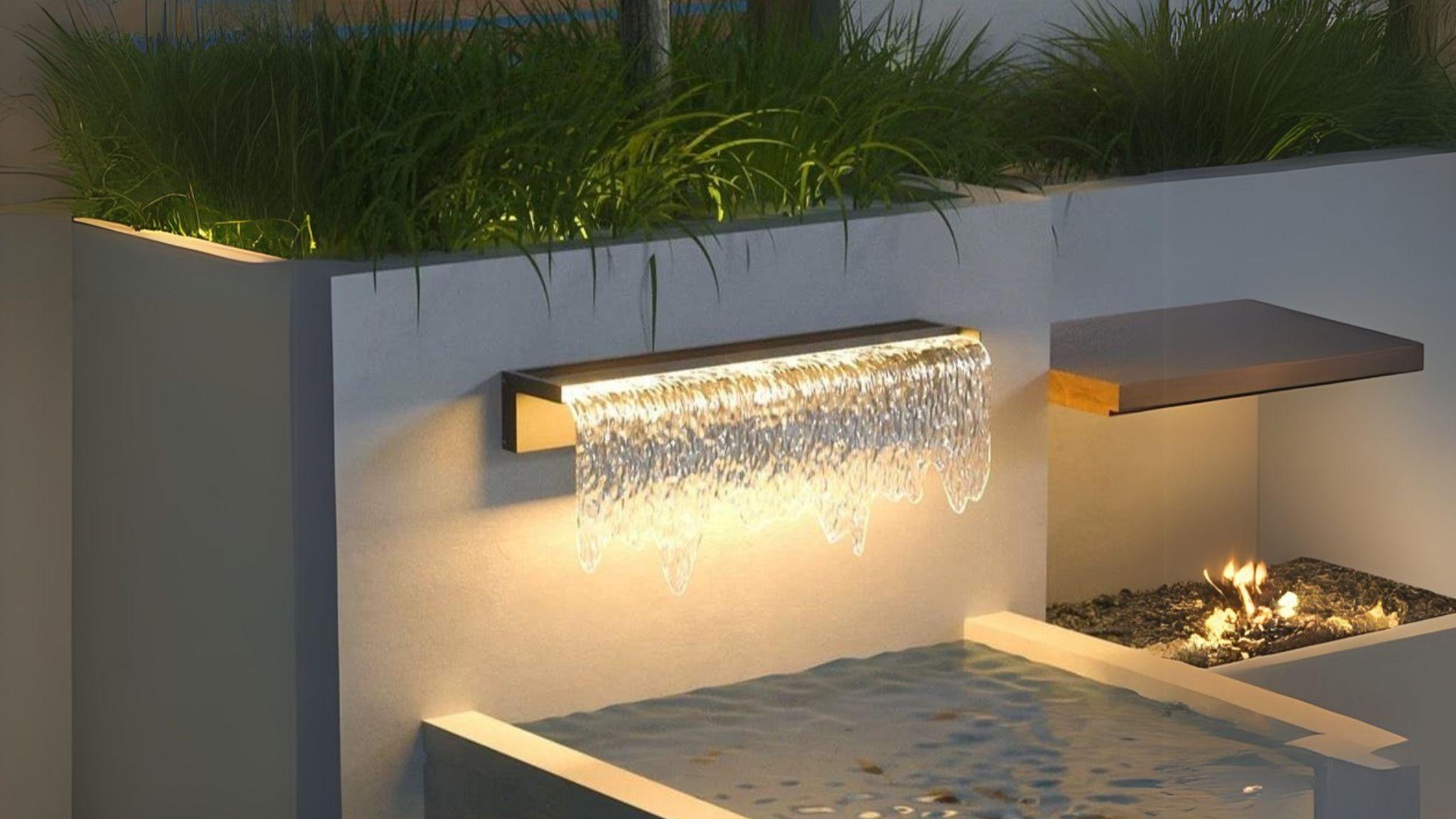
- Recessed and Hidden Lighting Solutions: Integrate LED strip lights into ceiling coves, wall recesses, or under furniture to produce soft, wash-like illumination that accentuates spatial clarity without visual clutter.
- Geometric Pendant Fixtures with Smart Controls: Use sculptural pendant lights made of sleek materials that can change color and intensity. These serve as focal points and artful elements within otherwise subdued decor.
- Wall-Washer Lights: Install wall washers that spread smooth, uniform light across large surfaces, emphasizing textures and subtle architectural details.
- Smart Wall Panels and Art Integration: Incorporate smart panels that can change hue or display dynamic patterns, adding an interactive layer to minimalist decor.
- Multi-Functional and Modular Lighting Systems: Combine task, ambient, and accent lighting into flexible modules that homeowners can reconfigure based on needs or mood.
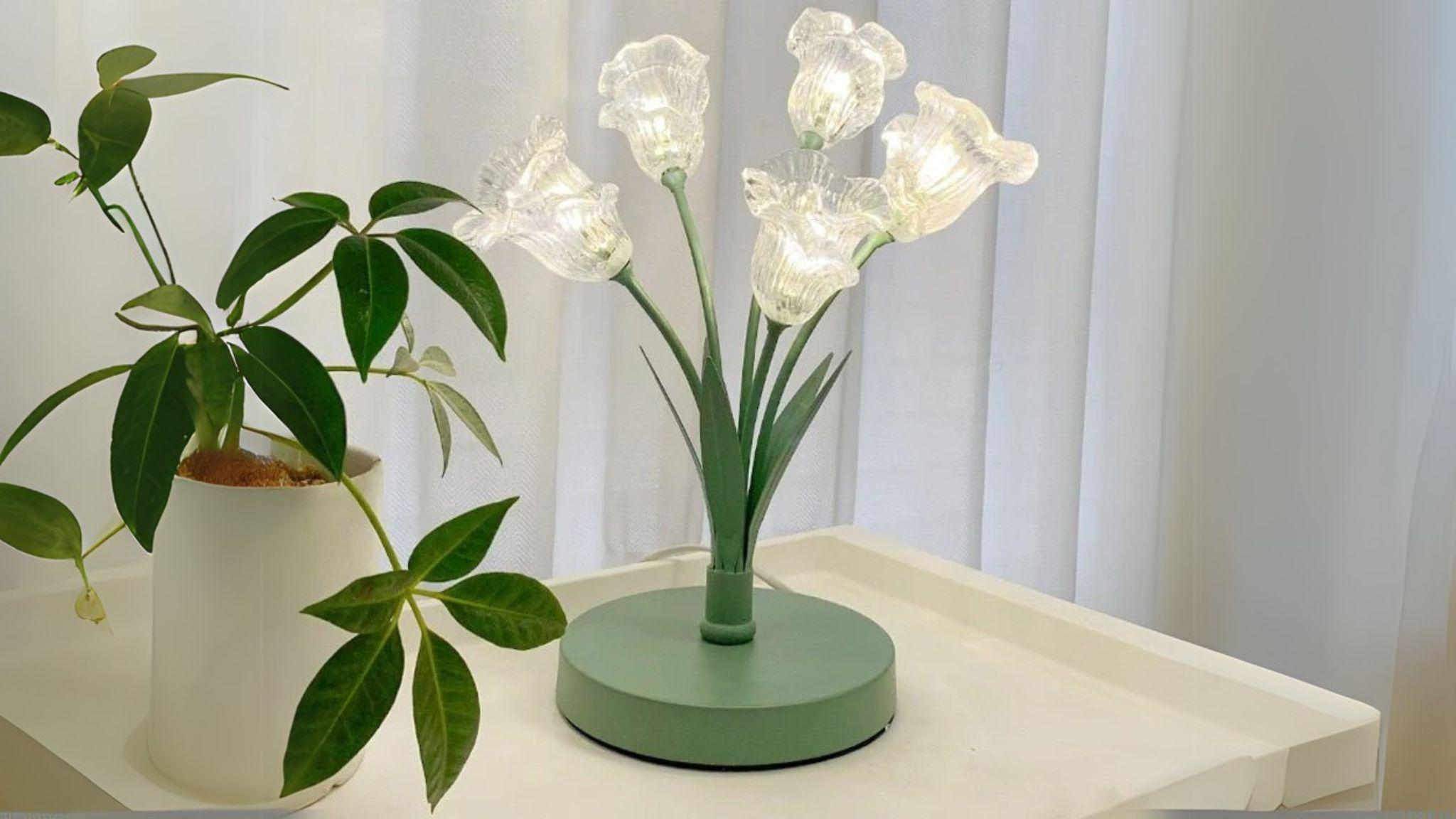
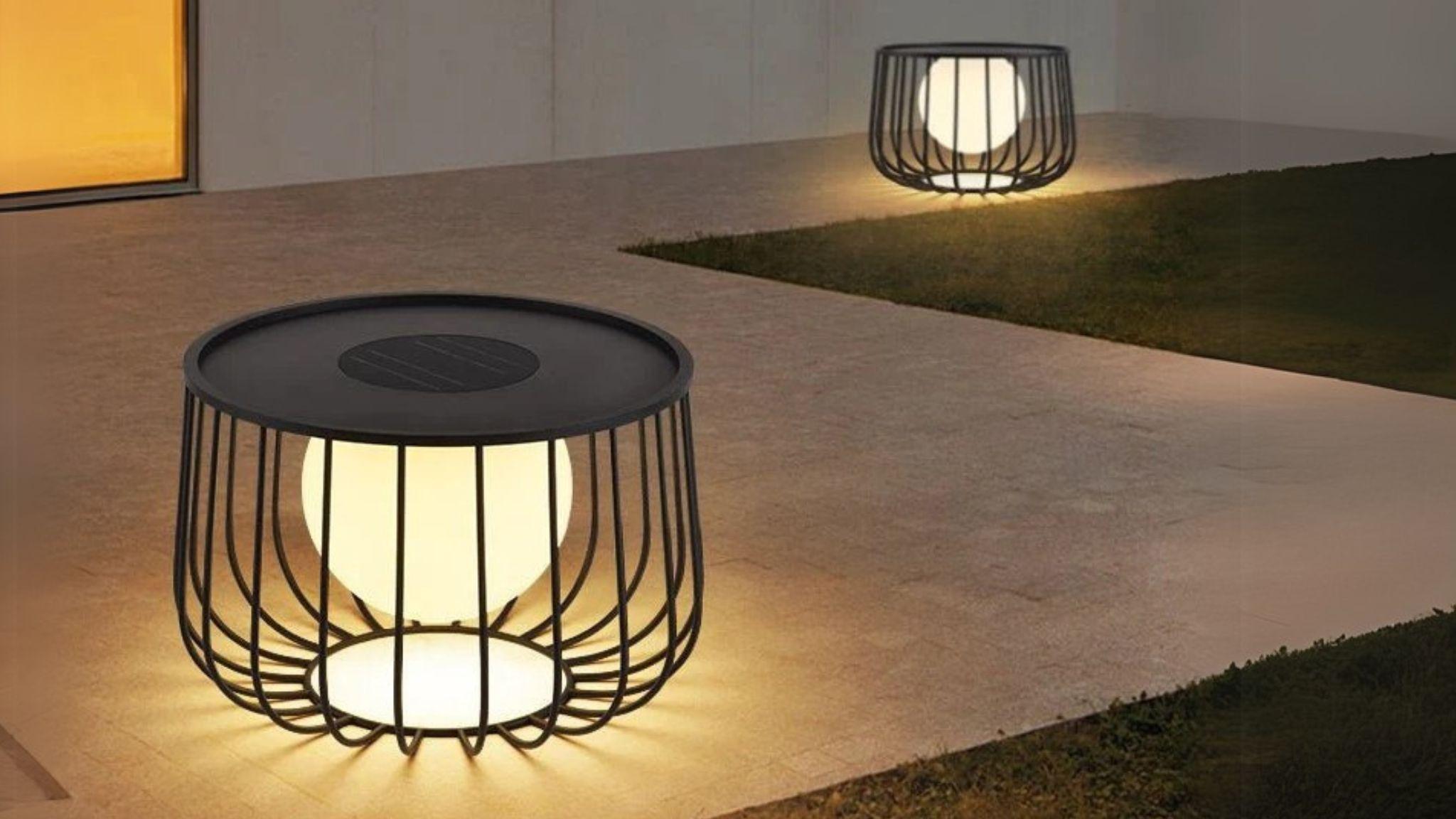
- Floor and Table Lamps with Smart Dimming: Select minimalist floor or table lamps equipped with smart dimming and color features, blending light sources seamlessly into decor while offering versatility.
Strategic Placement and Layering for Optimal Effect
Effective use of smart lighting involves thoughtful placement and layering. Here are some strategic tips:
- Highlight Architectural Features: Use directional smart lights to accentuate unique architectural elements such as archways, niches, or textured walls.
- Create Ambient Zones: Divide spaces with different lighting zones that can be independently controlled to foster a sense of intimacy or openness.
- Maximize Natural Light: Combine smart lighting with large windows and reflective surfaces to enhance natural illumination during the day, reducing energy use.
- Use Dimmers and Scenes: Set different lighting scenes for daytime work, evening relaxation, or dinner parties to adapt seamlessly to various activities.
Benefits of Smart Lighting in Minimalist Homes
Integrating smart lighting into minimalist design offers multifaceted advantages:
- Enhanced Aesthetics: Sleek, unobtrusive fixtures complement minimalist decor while offering customizable lighting options.
- Convenience and Control: Manage lighting effortlessly via apps or voice commands, even remotely.
- Energy Savings: Intelligent controls optimize usage, leading to lower utility bills and reduced carbon footprint.
- Increased Home Security: Programmable lighting can simulate occupancy, deterring intruders when you are away.
- Mood and Wellness: Tunable white and color-changing lights support circadian rhythms and improve overall well-being.
Upcoming Trends in Minimalist Smart Lighting for 2025
Stay ahead of the curve with these seasonal and trend-focused tips:
- Natural and Earth Tones: Incorporate smart lighting with warm, earthy hues that promote calm and serenity.
- Dynamic Lighting Patterns: Utilize programmable lights that subtly shift throughout the day for a more organic ambiance.
- Minimalist Color Palettes: Stick with neutral colors like whites, grays, and blacks, but add personality with programmable accent lighting.
- Sustainable Materials and Technology: Opt for eco-friendly fixtures and energy-efficient LEDs aligned with eco-conscious design principles.
- Integration with Voice and Home Automation: Ensure smart lighting systems are fully compatible with other home automation devices for streamlined control.
Implementing Smart Lighting: Tips for a Cohesive Minimalist Aesthetic
Practical implementation ensures that your smart lighting complements rather than overwhelms your decor:
- Maintain Simplicity: Choose fixtures with clean lines and neutral finishes that blend seamlessly with your decor.
- Focus on Functionality: Prioritize lighting that enhances usability without cluttering the space.
- Balance Layering: Combine ambient, task, and accent lighting thoughtfully to create depth and interest.
- Opt for Scalability: Select systems that allow expansion and upgrades as your needs evolve.
- Mindful Placement: Place fixtures to highlight architectural features and create visual flow, respecting the minimalist principle of 'less is more.'
Conclusion
In 2025, the synergy between minimalist design and innovative smart lighting opens up endless possibilities for creating sophisticated, functional, and eco-conscious homes. By leveraging advanced lighting technology, homeowners can enjoy personalized ambiance, seamless control, and energy savings—all while maintaining the clean, clutter-free aesthetic that defines modern minimalism. Embrace these trends and design principles to transform your space into a sleek, luminous sanctuary.
Visit XENTAR for more lighting, decor & furniture curated for modern homes and creative spaces.
Share:
Next-Generation Smart Ambient Lighting Trends to Transform Modern Home Aesthetics in 2025
Revolutionize Small Home Decor with Smart Lighting Innovations for 2025: Create Stylish, Functional Spaces