

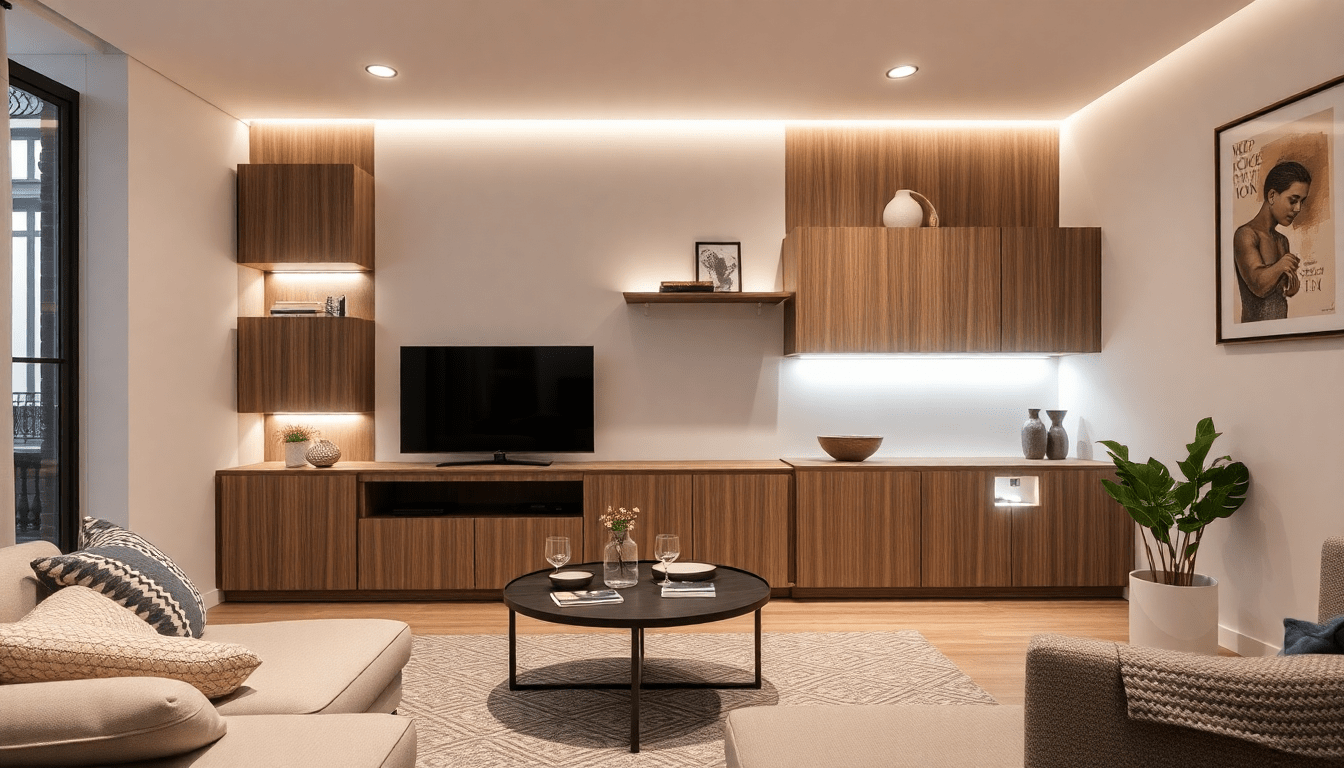
Meta Description
Discover cutting-edge smart lighting design principles to enhance multifunctional furniture in small spaces. Elevate your home decor with innovative ideas for 2025 to maximize style and functionality.
Introduction
As urban living continues to evolve, small spaces are becoming the new frontier for innovative interior design. In 2025, homeowners and designers are turning to smart lighting solutions integrated with multifunctional furniture to create versatile, efficient, and aesthetically stunning environments. This approach not only optimizes limited space but also enhances ambiance, functionality, and energy efficiency. This comprehensive guide explores the fundamental principles and future trends of smart lighting in small-space living, helping you craft interiors that are both modern and timeless.
The Growing Importance of Smart Lighting in Small Spaces
Smart lighting has revolutionized interior aesthetics by offering dynamic control, customization, and energy savings. In confined spaces, where every inch counts, intelligently integrated lighting systems serve dual purposes—lighting and furniture—transforming your entire living area. Here are key reasons why smart lighting is integral to small-space design in 2025:
- Maximized Functionality: Multi-use furniture paired with adaptive lighting creates multi-sensory, multifunctional zones within a single room.
- Enhanced Atmosphere: Adjustable color temperatures and brightness levels allow for personalized moods and lighting scenes, whether for work, relaxation, or entertainment.
- Space Efficiency: Integrated fixtures reduce clutter and the need for additional lamps or fixtures, freeing up precious space.
- Energy Optimization: Smart sensors and automation reduce waste, supporting sustainable living while cutting down on utility bills.
Core Principles of Innovative Smart Lighting Design for Small Spaces
Designing smart lighting that elevates multifunctional furniture requires adherence to several foundational principles:
- Seamless Integration with Furniture
- Customization and Adaptability
- Layered Lighting Strategies
- Intuitive Smart Control Systems
- Minimalistic and Sleek Aesthetics
Embedding lighting within furniture pieces ensures a cohesive look. For example, LED strips can be integrated into coffee tables, bed frames, or storage units, providing both illumination and aesthetic appeal.
Lights should be tunable in color, intensity, and scene presets. Use smart controls like apps, voice assistants, or automation routines to tailor lighting to specific activities or times of day.
Combine ambient, task, and accent lighting to create depth and functional zones. This layered approach allows flexibility while maintaining visual harmony.
Adopt systems that respond to voice commands, motion sensors, or smartphone apps, offering effortless adjustment and automation.
Opt for discreet fixtures and clean lines that complement modern furniture designs, maintaining a clutter-free environment.
Innovative Ideas for Elevating Multifunctional Furniture with Smart Lighting
In 2025, the integration of smart lighting with multifunctional furniture is more than just practical—it’s a design statement. Here are some innovative ways to elevate your small-space interiors:
- Illuminated Coffee and Side Tables
- Smart Beds with Mood Lighting
- Transformative Workstations
- Hidden Storage with Illuminated Shelves
- Fold-Down Systems with Integrated Lighting
Consider tables with embedded LEDs that serve as both lighting and functional surfaces, creating ambient glow and visual interest.
Headboards or bed frames with embedded mood lighting enhance comfort, allowing users to select settings for relaxation, reading, or sleep.
Desks and console tables equipped with adjustable lighting promote productivity, adapting brightness and temperature to suit work or leisure modes.
Incorporate lighting within shelving or cabinets to highlight decorative items and improve access, all while reducing visual clutter.
Furniture like fold-down beds, tables, or seating units with built-in lighting that extends the usability of constrained spaces, making rooms multifunctional.
Cutting-Edge Trends Shaping Smart Lighting and Furniture in 2025
The landscape of interior lighting is continually evolving, with several emerging trends poised to define 2025’s smart design innovations:
- Voice-Activated and Gesture-Controlled Environments
- Artificial Intelligence and Adaptive Lighting
- Sustainable and Eco-Conscious Lighting Solutions
- Augmented Reality (AR) Design Tools
Control lighting effortlessly through voice commands or gestures, providing a seamless user experience and minimizing physical clutter.
AI-driven systems learn user preferences, automatically adjusting lighting scenes based on time, activity, or even mood detection.
Use of biodegradable materials, energy-efficient LEDs, and solar-powered systems ensures environmentally friendly living spaces.
Leverage AR apps to visualize lighting effects and furniture arrangements virtually before making physical changes.
Design Tips for Small-Space Smart Lighting
- Prioritize Multifuntional Fixtures: Choose pieces that serve multiple purposes, such as storage units with embedded lighting or foldable furniture with integrated illumination.
- Create Focal Points: Use accent lighting to highlight architectural features or decor, drawing attention and adding personality.
- Layer Light for Depth: Combine multiple light sources at different levels for a harmonious ambiance.
- Implement Smart Zoning: Design lighting zones for different functions, like reading corners, workspaces, or relaxation areas, for precise control.
- Optimize Natural Light: Maximize daylight entry with strategic window placement and reflective surfaces, complemented by smart lighting for nighttime.
Case Studies and Practical Examples
To demonstrate these principles, consider recent successful projects:
- Urban Studio Apartment
- Convertible Co-Living Spaces
- Eco-Friendly Tiny Home
A compact living space featuring a fold-out Murphy bed with integrated LED lighting that dims for nighttime use. Smart controls allow customization via voice command, creating different ambiances for work and rest.
Multiple modular furniture pieces with embedded lighting, enabling residents to reconfigure their shared space easily while maintaining a cozy, well-lit environment.
Features solar-powered LED fixtures integrated into multifunctional furniture, minimizing energy use and supporting sustainable living goals.
Consequences of Ignoring These Design Principles
Neglecting innovative smart lighting principles can lead to:
- Cluttered and Uninspiring Spaces: Overreliance on traditional lighting fixtures can clutter small spaces and diminish aesthetic appeal.
- Reduced Functionality: Poorly integrated lighting limits flexibility, making small spaces less adaptable over time.
- Higher Energy Costs: Non-smart systems often waste energy, increasing utility bills and environmental impact.
- Missed Opportunities for Personalization: Static lighting prevents customization, leading to generic and less inviting environments.
Conclusion
In 2025, smart lighting is not merely an accessory but a core element of small space design. By embracing innovative principles—integrating lighting with multifunctional furniture, utilizing smart controls, and following future trends—you can transform constrained living areas into dynamic, stylish, and highly personalized environments. The key is to think creatively about how light can enhance both the functionality and aesthetic appeal of your home, making every square inch work harder and look better.
Share:
How Smart Ambient Lighting Elevates Multifunctional Furniture for Small Space Chic in 2025
Elevate Small Space Living with Innovative Smart Lighting and Adaptive Furniture Designs in 2025